Getting your virtual machine set up to use VHD
To use VHD in VMware Workstation, begin by creating a new guest or opening an existing one, treating the process as you would for any standard OS. If you are migrating from a physical Windows installation, you can make a vm from my physical machine using vmware workstation with a P2V tool. That tool produces a VMDK file that Workstation can boot directly. For disks you already have as VHD or VHDX files, the cleanest path is to first import a virtual machine into vmware workstation by converting the disk. Use the standalone VCenter Converter or a third-party tool like QEMU-img for this step. Do not expect a simple file rename to work. Once the guest is defined, you must install an operating system on a vmware virtual machine if you are starting from scratch. A clean setup gives you full control over the partition layout and avoids the boot‑loader quirks that plague converted Hyper‑V disks. After the OS is in place, you should enable virtualization in vmware virtual machine if your guest will run nested hypervisors or 64‑bit containers. You can find this setting in the processor section of the guest's hardware configuration. Attaching a VHD after booting turns it into a raw data disk inside the guest, not a bootable volume. Plan your storage layout accordingly before you commit to a conversion workflow. Unlike other hypervisors, Workstation treats a converted VHD as a first-class disk only when you convert it to VMDK using an external tool and then attach it as an existing virtual disk, not through a simple file attachment.
Connecting your VM to your network and host
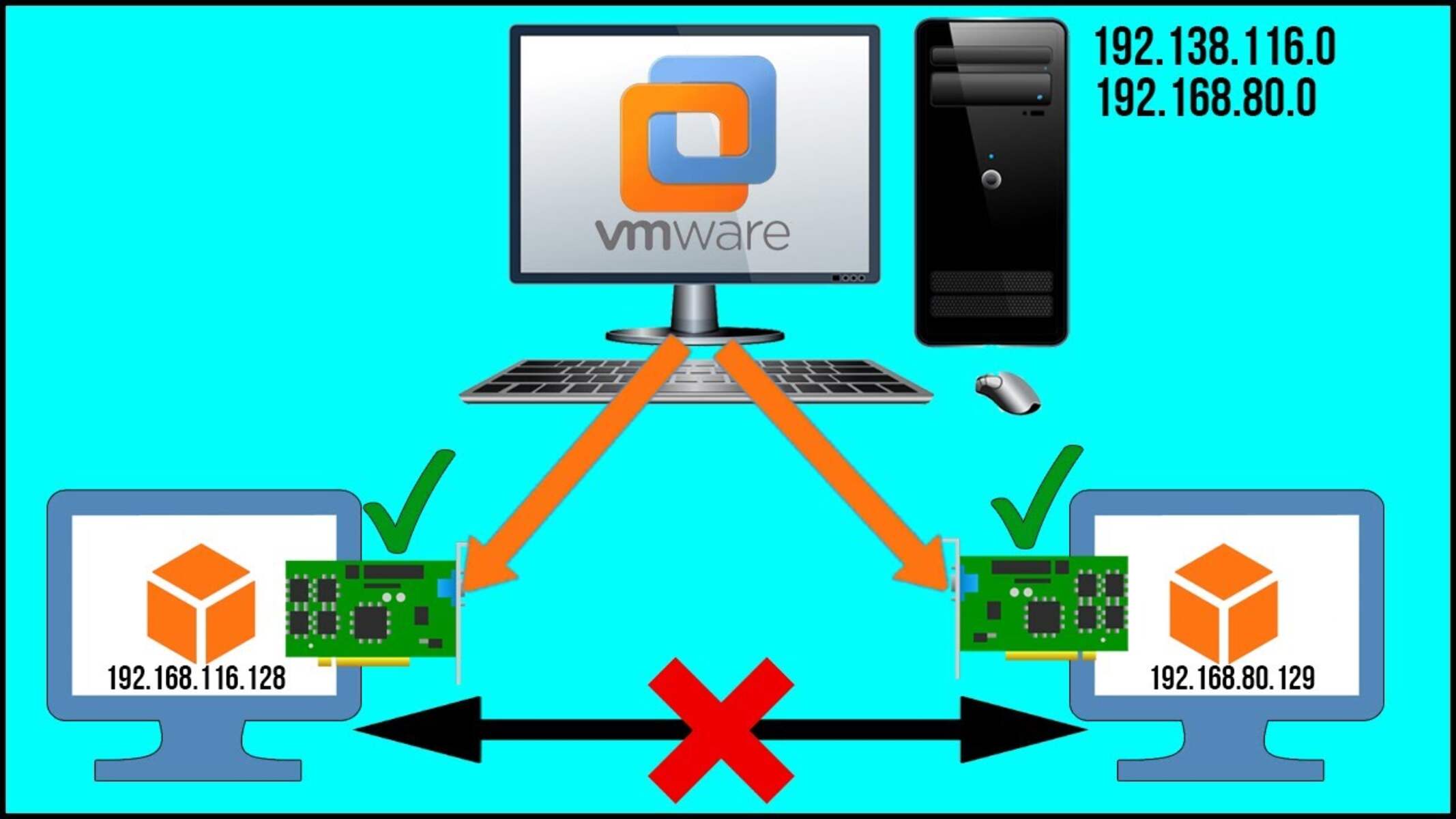
Once your VHD is attached or converted, you need to connect your guest to the local network and host OS. To get started, you must power off the virtual machine, then go to VM > Settings > Hardware tab, select Network Adapter, and choose either bridged, NAT, or host-only mode in setup a network in vmware workstation. Bridged mode is usually best if you want your guest to appear as its own device on the physical network. If you need to reach the guest from a separate physical box on your LAN, you can access virtual machine from another computer by ensuring the guest OS has a static IP address. You must also confirm that your firewall allows inbound connections to services like RDP or SSH. For moving files between your host and the guest, you can access shared folders in vmware workstation by enabling the feature in the VM settings and then mapping the shared folder as a network drive inside the guest. Alternatively, if you are using VMware Workstation Player 15, you can simply drag and drop files from Windows to vm on vmware workstation player 15. This only works if VMware Tools is installed. Keep in mind that if you converted a VHD to VMDK and the guest fails to boot, networking and file-sharing tools will be unavailable until you repair the boot configuration. Test connectivity immediately after the first successful boot. Unlike other guides, this process requires a successful first boot before any file-sharing or remote-access features can even become available.
Working with existing VMDK disks
When you already have a VMDK file from a previous VMware project or a colleague’s export, the process is simpler than starting from a VHD. You still need to verify the disk’s integrity and controller type. Before you attach the disk to a new guest, open the VM’s settings, click “Add,” select “Hard Disk,” and choose “Use an existing virtual disk.” Navigate to the VMDK file and confirm the SCSI or IDE bus matches the guest operating system’s expectations. Windows 10 typically prefers SCSI, while older Linux kernels may need IDE. If the VMDK was originally created in a different hypervisor version, you might see a warning about compatibility. You can safely upgrade the disk format through the VMware Workstation interface, but be aware that this action is irreversible. A common pitfall is forgetting to check the disk’s partition style. A GPT layout requires a UEFI firmware setting in the guest, while MBR needs legacy BIOS. If the VMDK refuses to boot, try mounting it as a secondary disk in a working guest to inspect the boot configuration with tools like BCDEdit or GRUB rescue. The complete walkthrough of every attach-and-boot scenario for how to use a vmdk file in vmware workstation provides the full troubleshooting sequence, including driver injection and signature repair steps that often save a seemingly dead disk. Unlike other guides, that walkthrough covers the exact registry hacks needed when the imported disk contains a bootloader from a physical machine with different hardware IDs.
Handling VHD and VHDX files in VMware
To bring a Microsoft VHD or VHDX file into VMware Workstation, your first practical step is to convert VHD to VMDK using StarWind v2v converter, a free tool that handles both formats reliably. After the conversion finishes, you will almost certainly need to fix boot errors after converting VHD to VMDK in VMware. These errors occur because the disk’s original Hyper-V controller drivers are missing from the VMware guest. If you are weighing whether to keep the converted disk or start fresh, it helps to understand the performance difference between converted VHD and native VMDK in VMware. Converted disks often run slightly slower due to sector alignment and controller emulation, though the gap shrinks with modern guest OSes. For situations where you only need access to a few files, you can mount a VHD file inside a Windows guest without converting it. This approach avoids the conversion step entirely and leaves the original disk untouched. A common point of confusion is whether VMware Workstation VHDX file boot is possible. The answer is no, because Workstation’s SCSI and IDE controllers cannot read the VHDX container format directly. Conversion to VMDK is mandatory before you can power on the guest.