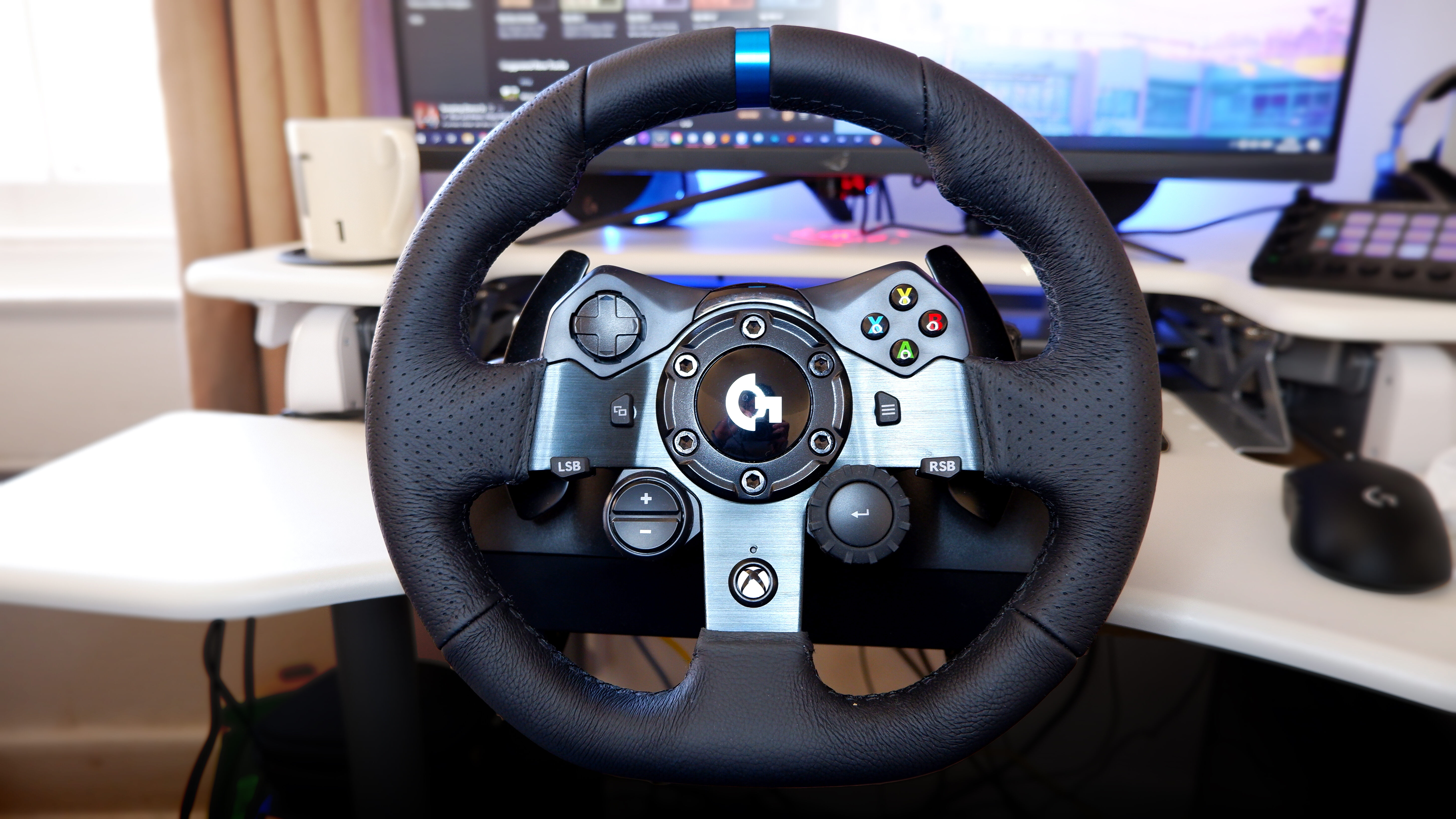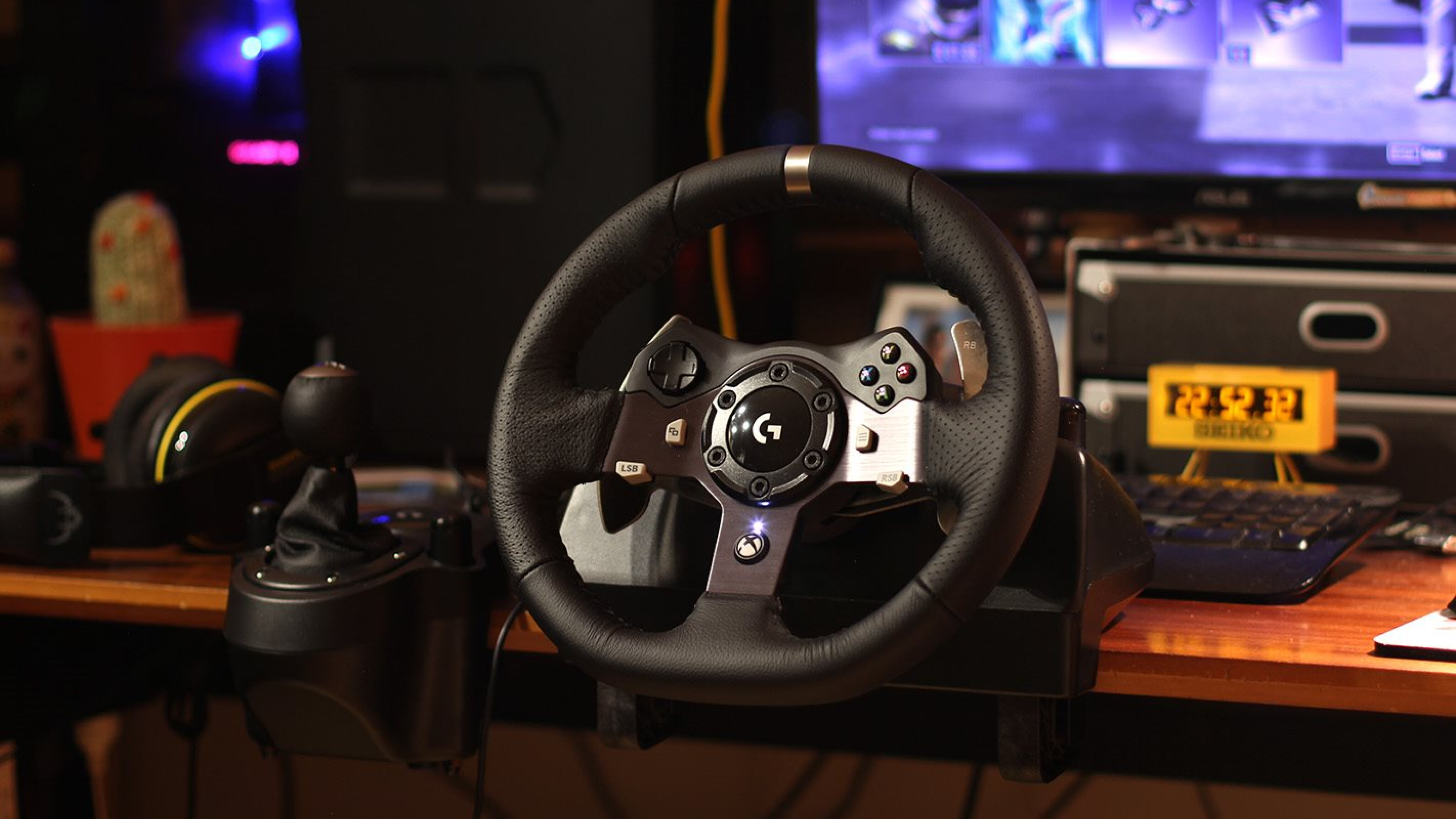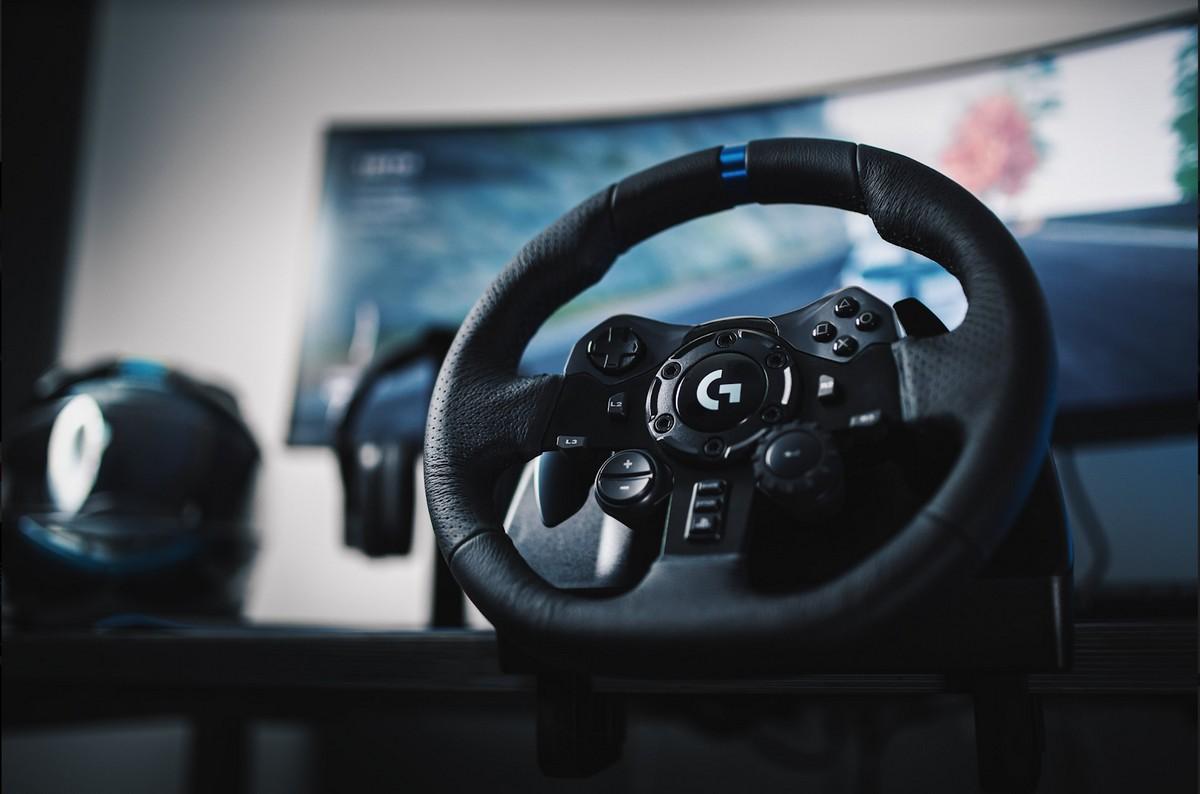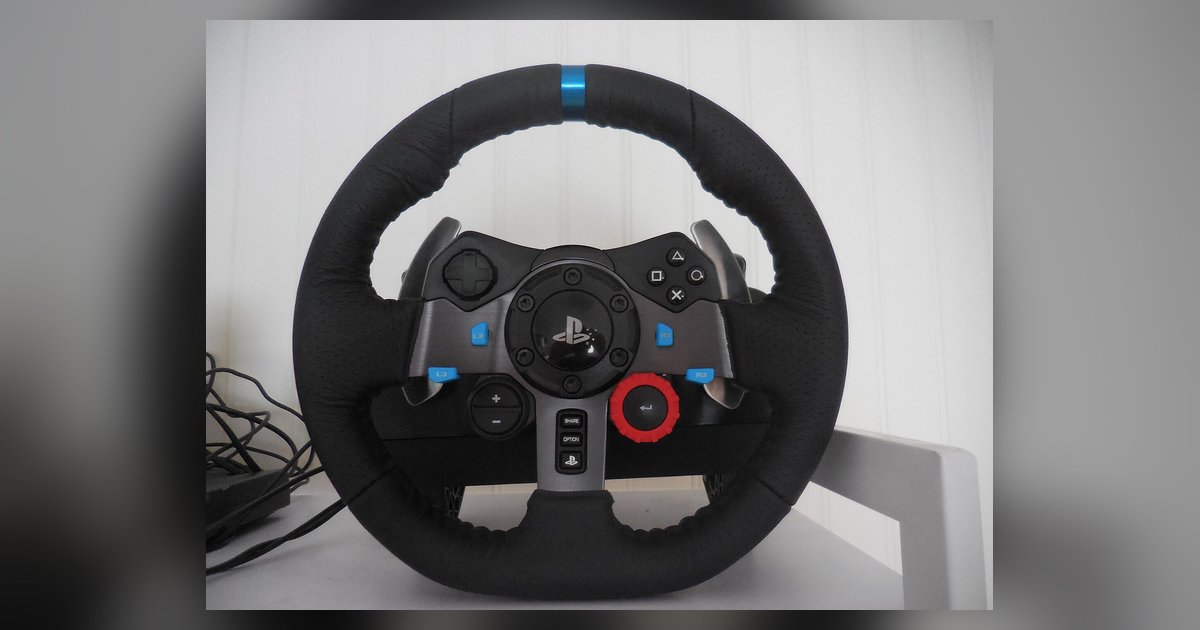
Use the standalone Logitech Firmware Update Tool, not G Hub, and connect the wheel directly to a USB 2.0 port on your motherboard with the power brick plugged in. Never unplug the wheel or close the tool during the progress bar, even if it appears frozen.
Why G Hub is the wrong tool to update G29 firmware
G Hub automatically checks for available firmware updates for connected devices and will prompt you if an update is ready. It prioritizes newer wheels like the G923, leaving the G29 stuck in a partial update state. The software was designed as a unified driver and settings hub, not a dedicated flashing utility. It lacks the low-level USB polling that the standalone tool uses. When you attempt to update via G Hub, the device may simply not appear in the update tab. Or the progress bar will freeze at 12% because G Hub is trying to negotiate a protocol the G29 doesn’t fully support. Logitech G Hub, by contrast, speaks directly to the device’s microcontroller and bypasses the old tool's abstraction layer entirely. If you want to learn how to calibrate a Logitech g29 after the update, the calibration routine is handled through the hardware’s own internal centering spring, not through any software button, but only after the firmware is fully intact.
The exact steps that prevent a brick
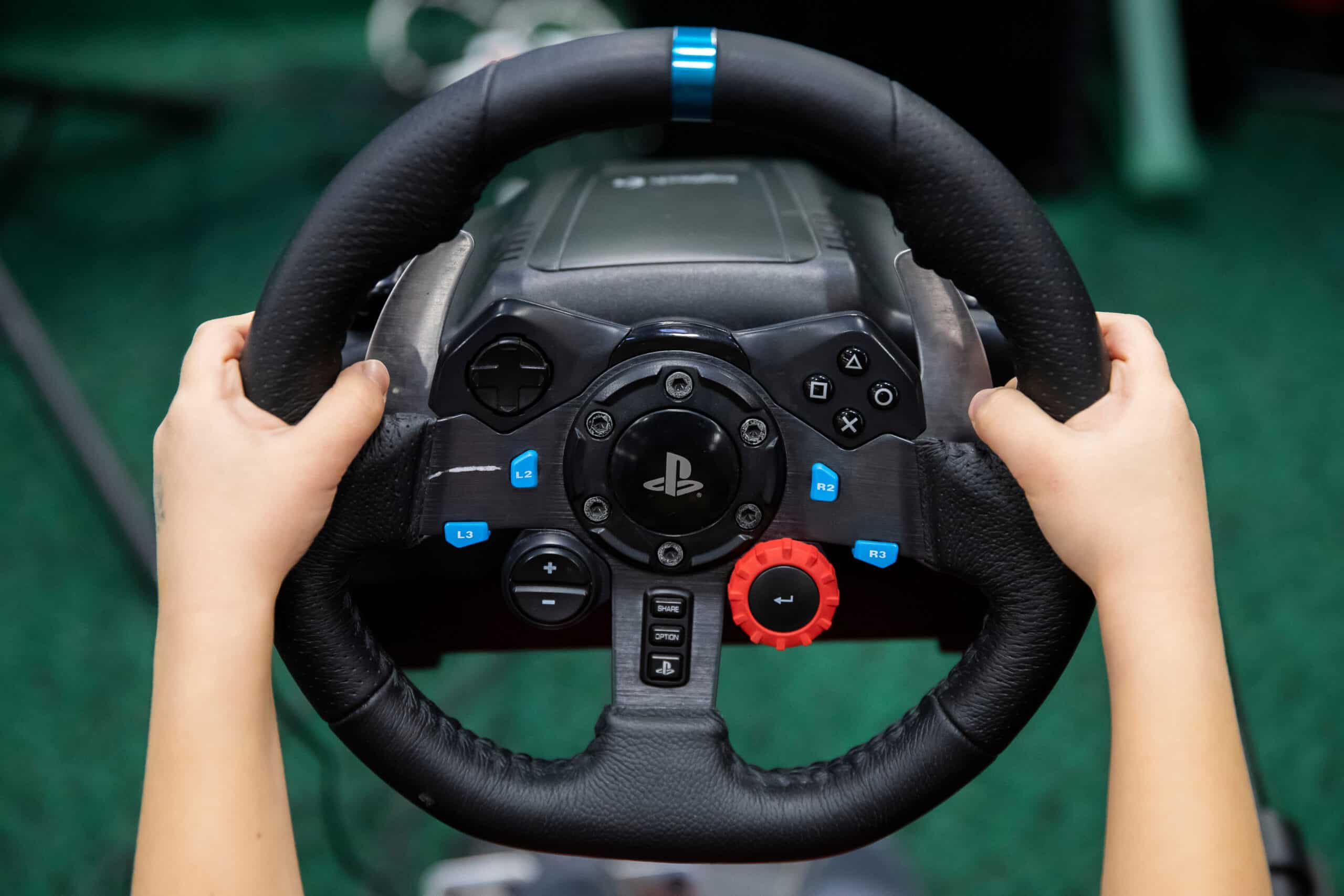
Begin by shutting down your PC completely. Then plug the G29’s power brick into a wall outlet and connect the racing controller’s USB cable to a USB 2.0 port directly on the motherboard. Avoid a front-panel port or a USB 3.0 hub. Set the mode switch to PS3 mode, the icon showing a PlayStation 3 controller, because the tool expects this legacy protocol for firmware access. Power on the PC and launch the standalone Logitech Firmware Update Tool. Download G Hub from Logitech’s official website. Follow the on-screen prompts. The tool will display a single progress bar that may appear to stall for up to three minutes. Do not unplug the peripheral, close the tool, or restart the PC until the tool displays the explicit message “Firmware update complete. You may now disconnect the device.” Only at that exact moment can you safely unplug the USB cable and power brick. Afterward, you can verify the force feedback profile, though the G29’s own centering behavior will already be restored, and explore the full list of Logitech G29 compatible games to put your updated wheel to immediate use. If you later set up a different wheel on another system, the same physical precautions apply: always use a direct motherboard USB 2.0 port and the PS3 mode switch, and confirm the correct racing wheel setup for your platform to avoid calibration conflicts.
When the updater freezes or says 'no device found'
If the progress bar stops for over 5 minutes without moving or the tool reports “No device found,” do not yank the USB cable or kill the process. A frozen progress bar often means the tool is waiting for a USB re-enumeration that can take up to 90 seconds. If it exceeds five minutes, the microcontroller is likely stuck in a low-power state. In that case, hold the power button on the base for ten seconds to force a hardware reset. Leave the tool open and unplug the USB cable for exactly three seconds before reinserting it into the same USB 2.0 port. The tool will re-detect the unit and resume the update from where it left off. If the tool never shows “No device found” but the LED stays off, check that the mode switch is firmly in PS3 position and that the power brick’s LED is lit. A common oversight is using a USB 3.0 port with a blue interior, which the G29’s firmware updater cannot enumerate reliably. If you upgrade wheels later, G Hub and a direct USB 2.0 connection remain the only safe path for the G29.
This single process is the only way to reliably update your G29 firmware without corrupting the wheel’s internal memory, and it works identically whether you are on PS5 or PC.