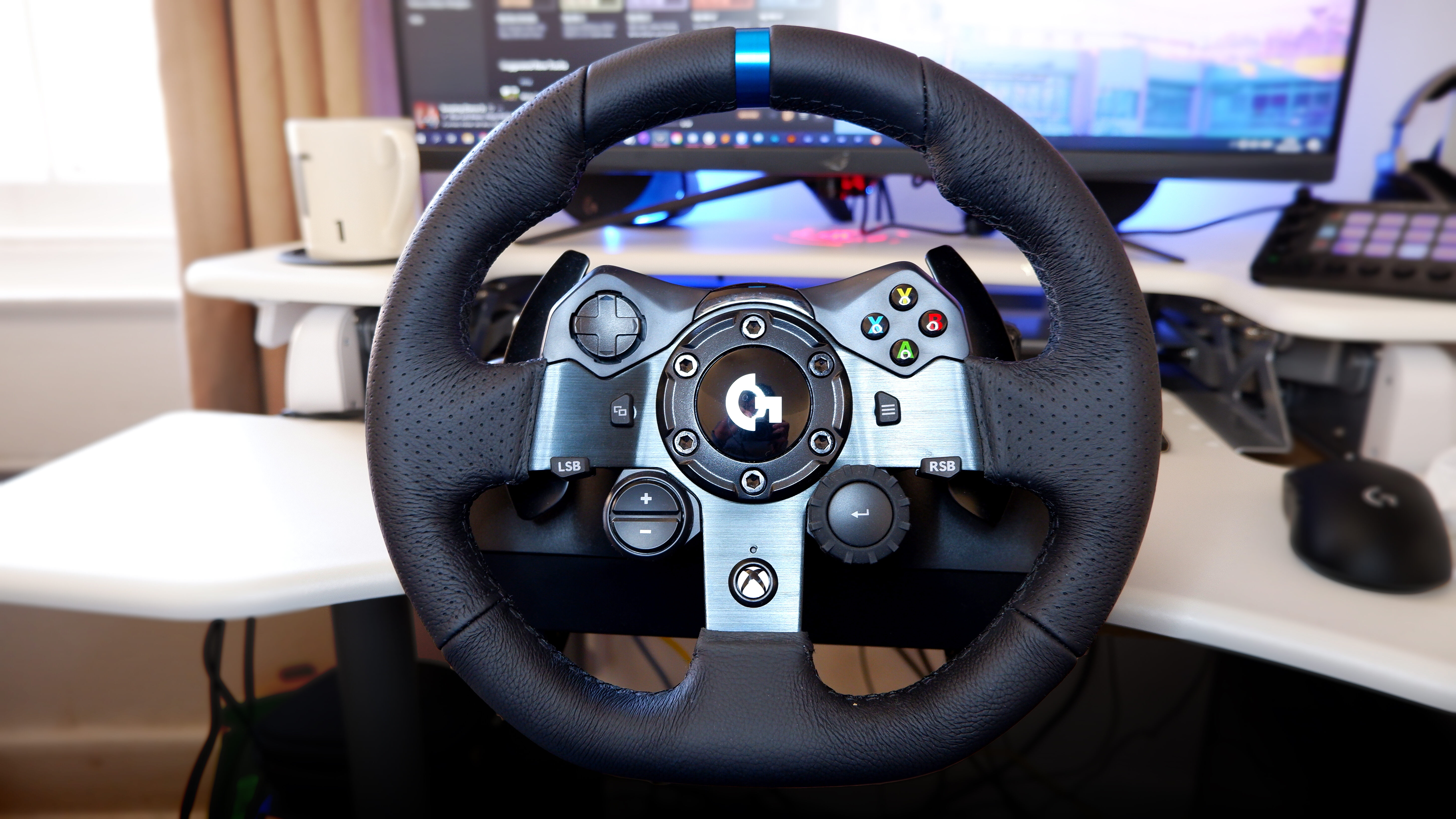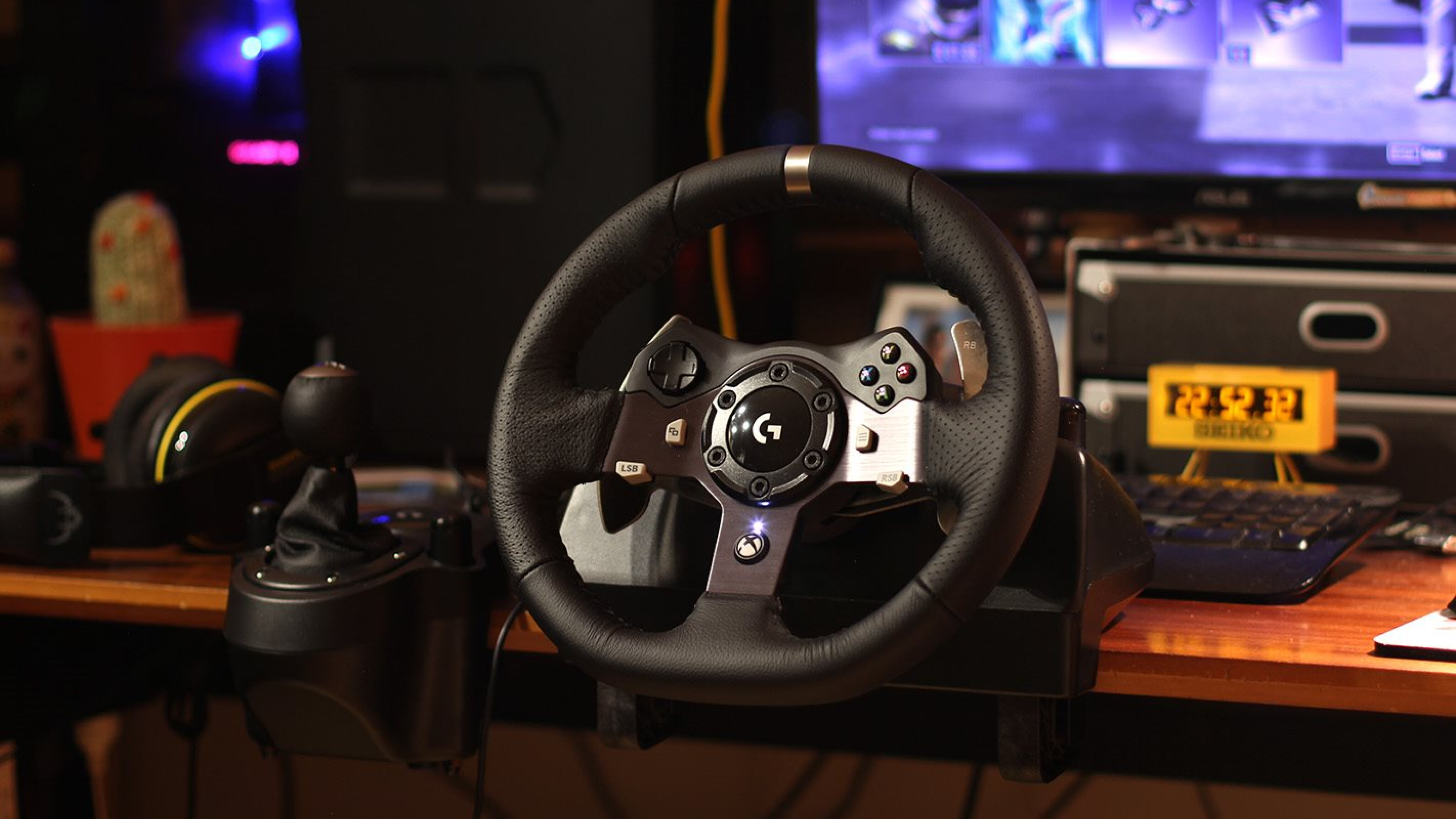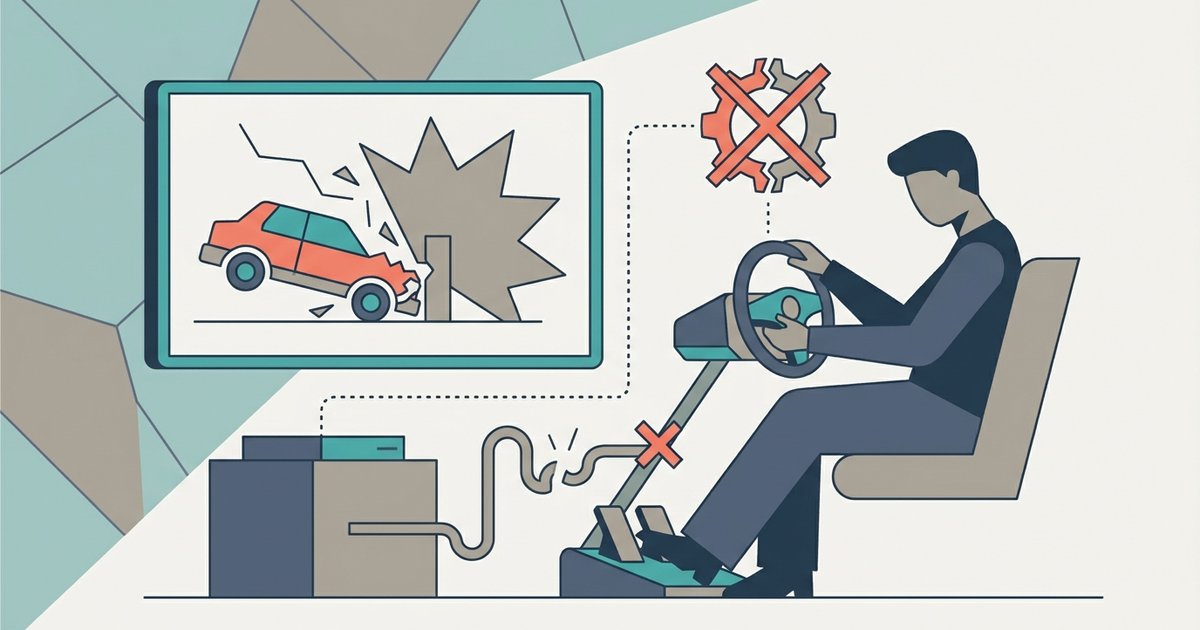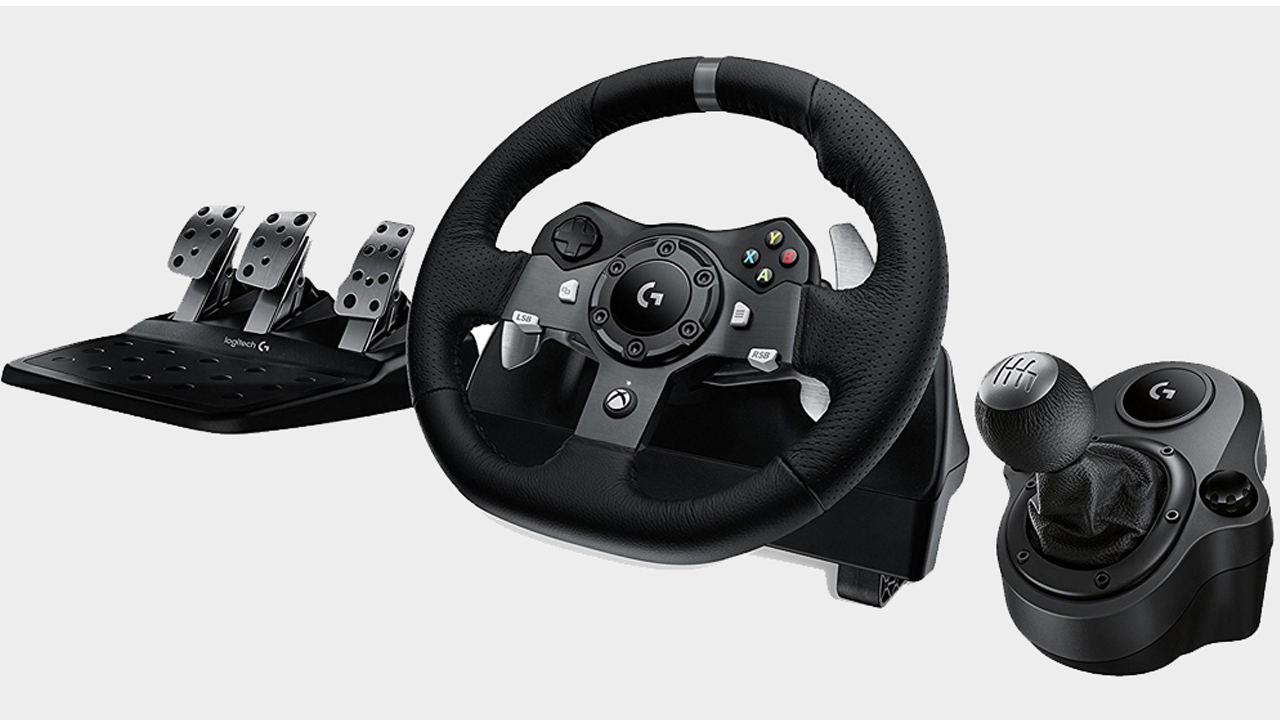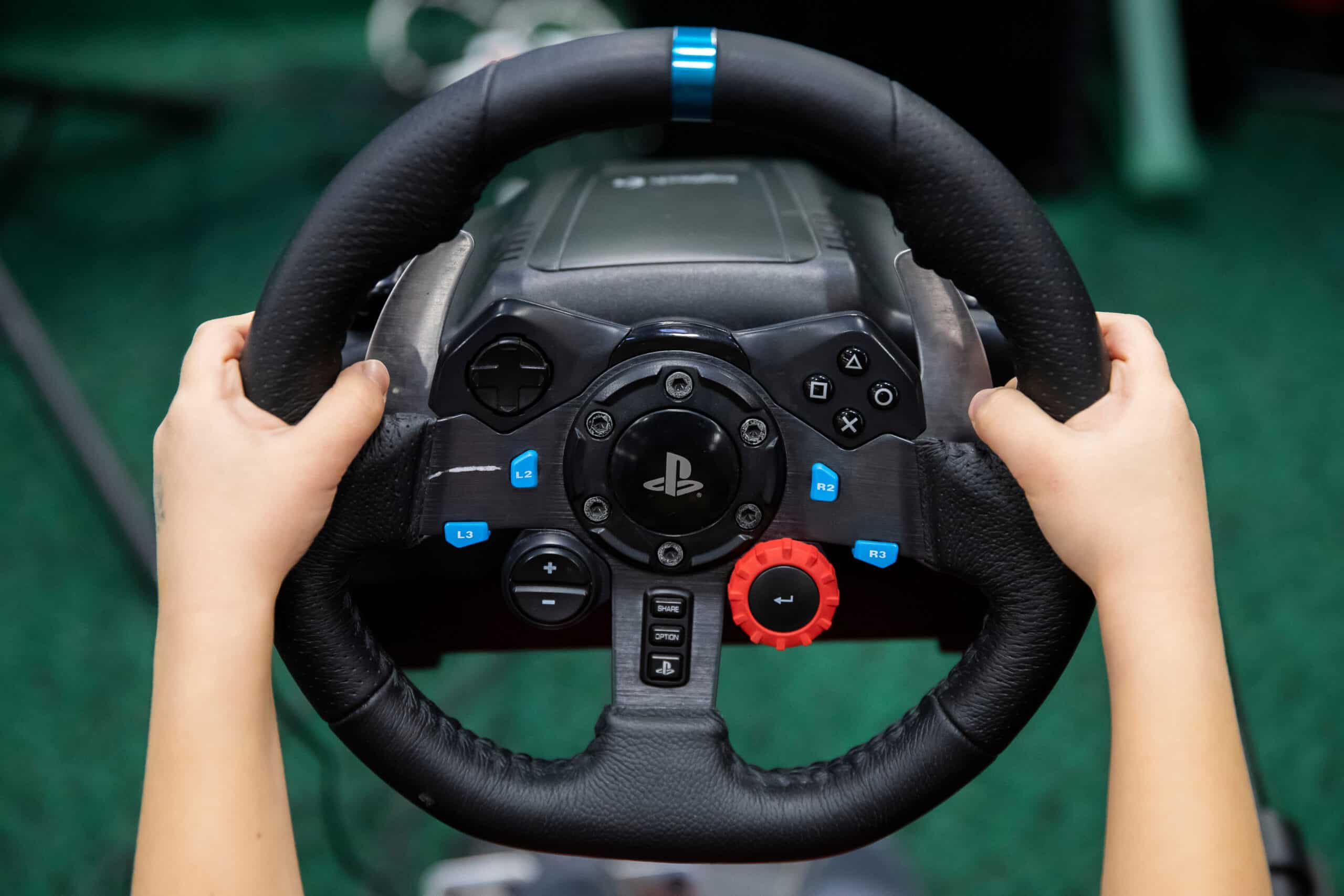
To calibrate a Logitech G29, you must first trigger its automatic self-calibration by power cycling the wheel, then use Logitech G HUB software to set the rotation angle and adjust pedal deadzones. This process ensures your racing wheel setup delivers accurate steering and pedal response, fixing common issues like off-center alignment or drift, so you can enjoy the full force feedback experience in Logitech G29 compatible games.
Before you start: how to calibrate a Logitech G29 automatically
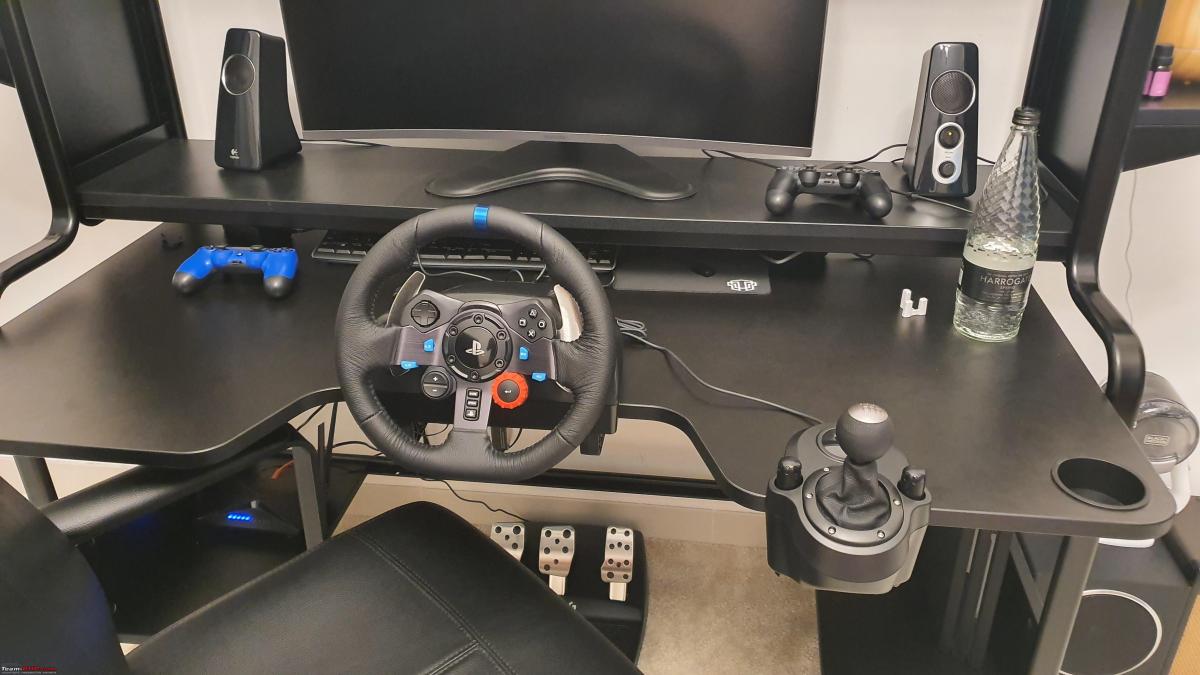
The G29 performs an automatic lock-to-lock rotation upon power cycling, which resets its center position. Before you begin, ensure all cable connections are secure, especially the USB and power cables. Plug the G29 directly into a motherboard USB port for stable power. Securely mount the wheel and ensure it is straightened before calibration. Power cycle the wheel by turning it off, then reconnecting it. The G29 performs a full lock-to-lock rotation that resets its center. This self-calibration sweeps left, then right, then centers when powered on, taking 5 to 10 seconds. Do not have your hands on the wheel when plugging in the USB, as this will begin the calibration process and rotate through the full motion of the wheel. The G29 requires an external power adapter and does not operate solely on USB power.
Install the correct software: Logitech G HUB
Download and install Logitech G HUB software. G HUB is the current first-party software for G29 firmware updates and wheel calibration on Windows 10 and 11. The older Logitech Gaming Software (LGS) was deprecated in 2023 and should be uninstalled to avoid conflicts. Force feedback functionality on PC requires Logitech G HUB to be installed and also depends on per-game integration; without G HUB, the wheel functions as a basic input device only. Open the G HUB application and confirm the wheel appears on the home screen. If not detected, try a different USB port or remove custom profiles.
Set the rotation angle in G HUB
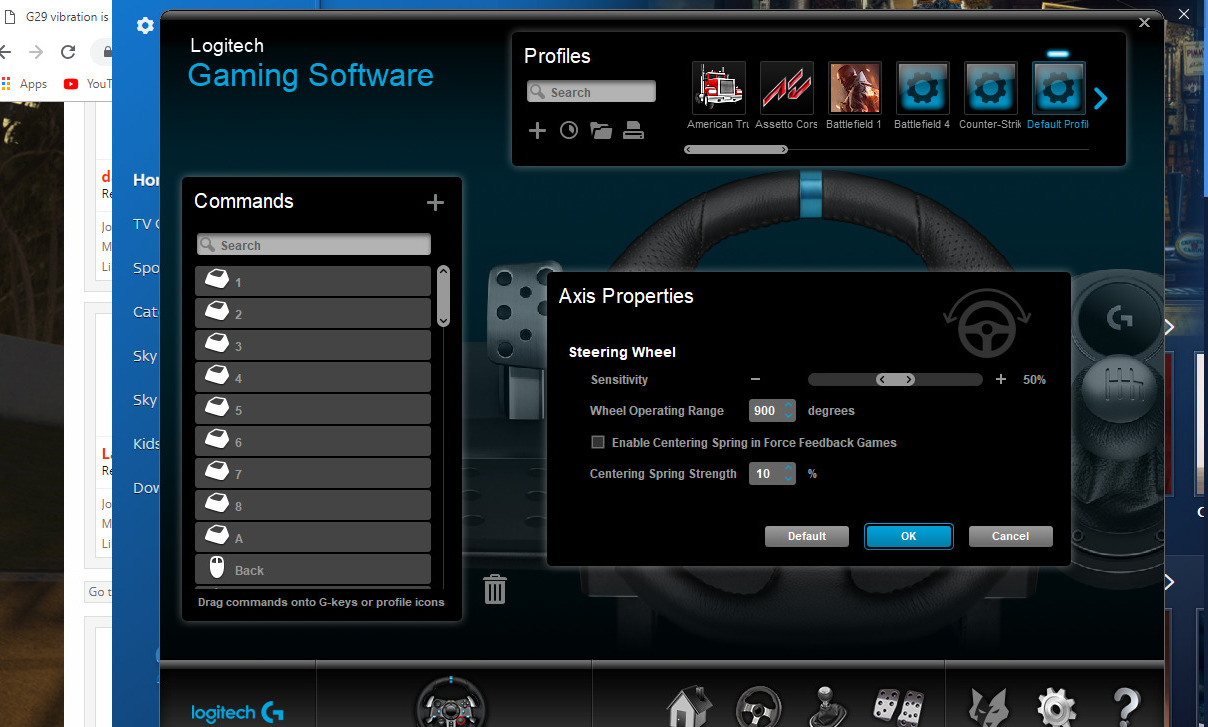
Select the G29 wheel in G HUB and open its device settings. Use the calibration option within the device settings to adjust the "rotation angle" (operating range). The rotation angle should be set according to the game's requirements, such as 900 degrees for many racing titles or 280-360 degrees for F1 games. Use game-specific rotation angles for better realism. To reset calibration in G HUB, click the reset option to remove all custom settings and return to default behavior.
Check and adjust pedal input in G HUB
Within G HUB, you can also monitor pedal input and adjust deadzones if pedals register input without being pressed. A quick 30-second test can confirm wheel functionality: rotate the wheel from full left to full right (X-axis should sweep smoothly from -1.0 to +1.0) and press pedals (each pedal axis should go 0.0 to 1.0 cleanly).
Fine-tune force feedback and sensitivity
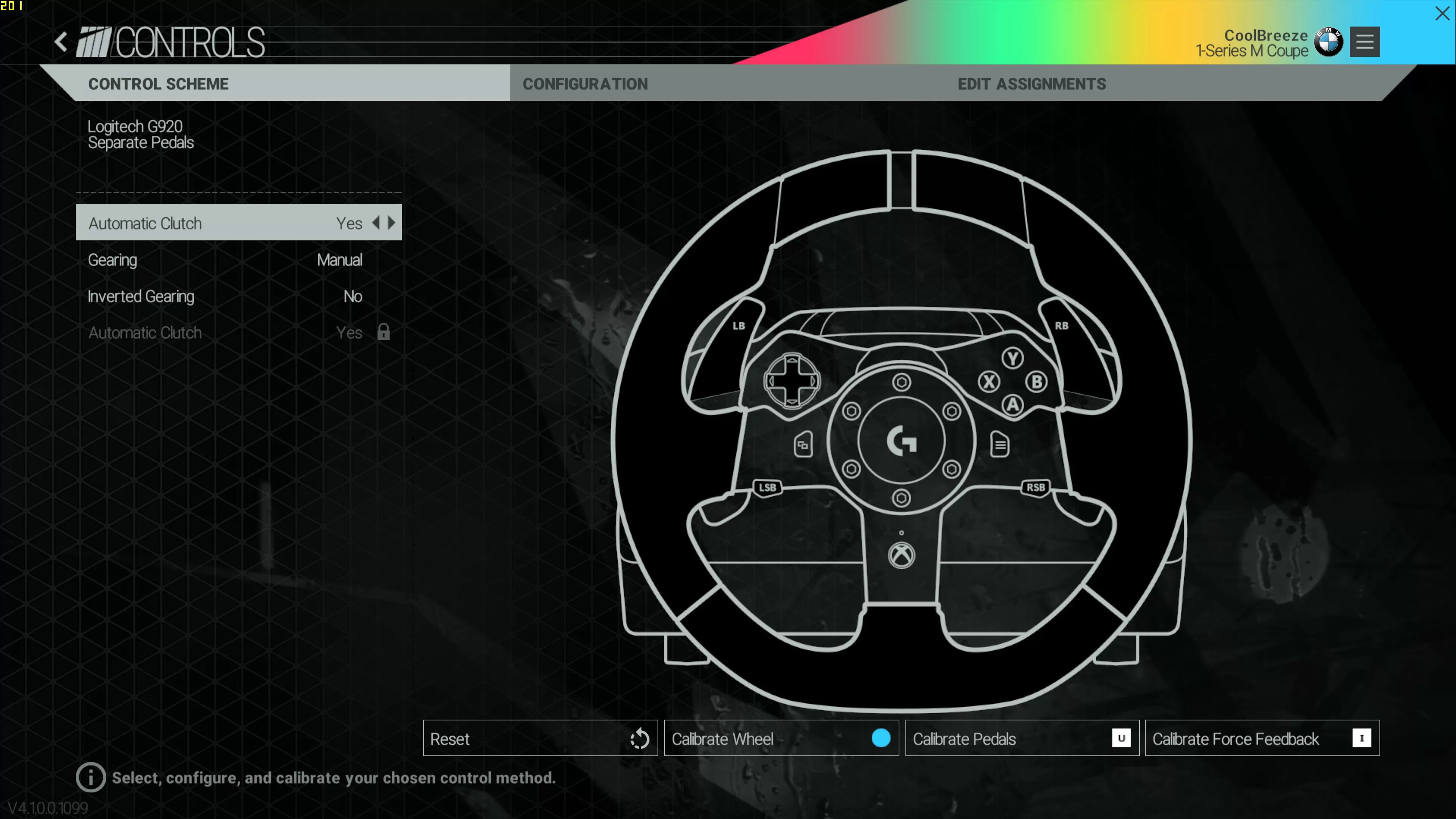
Adjust the wheel's overall force feedback strength in G HUB (default 100%). Lower it if vibration is too harsh. Some games may require explicit wheel selection in their controls menu. Enable wheel mode if steering feels unresponsive. Fine-tune force feedback, sensitivity, and steering lock within the game's settings based on how the game handles the G29.
Troubleshooting common G29 calibration problems
Common issues like an off-center wheel or drift can be caused by incorrect G HUB profiles, Windows calibration issues, poor mounting, or force feedback oscillation. Clearing G HUB device profiles by deleting corrupted profiles and creating a new one can fix drift issues. To calibrate through Windows settings, press the Windows button and search for "set up USB game controllers" in the Start menu. Open the "Set up USB game controllers" tool. Select the G29 from the list and open its properties panel. Navigate to the "Settings" tab. Run the calibration sequence. This process restores raw axis mapping and removes incorrect center points. After calibration, update your wheel driver and turn off USB power-saving features.
If G HUB fails to detect the wheel or settings drift, try removing custom profiles or using a different USB port. If the wheel works in G HUB but not in a game, try setting G HUB to DirectInput passthrough mode and configuring the game manually, especially for older titles. If the wheel snaps to one side and won't center, disconnect power, manually rotate the wheel to neutral, reconnect power, and let it self-calibrate. If this persists, the motor or shaft may be damaged. If the wheel is not detected or has no force feedback, ensure G HUB is installed and that older Logitech Gaming Software (LGS) or input-emulation tools are uninstalled to avoid driver conflicts. If you own the Xbox-compatible variant, you can similarly calibrate Logitech g920 Xbox to resolve detection failures.
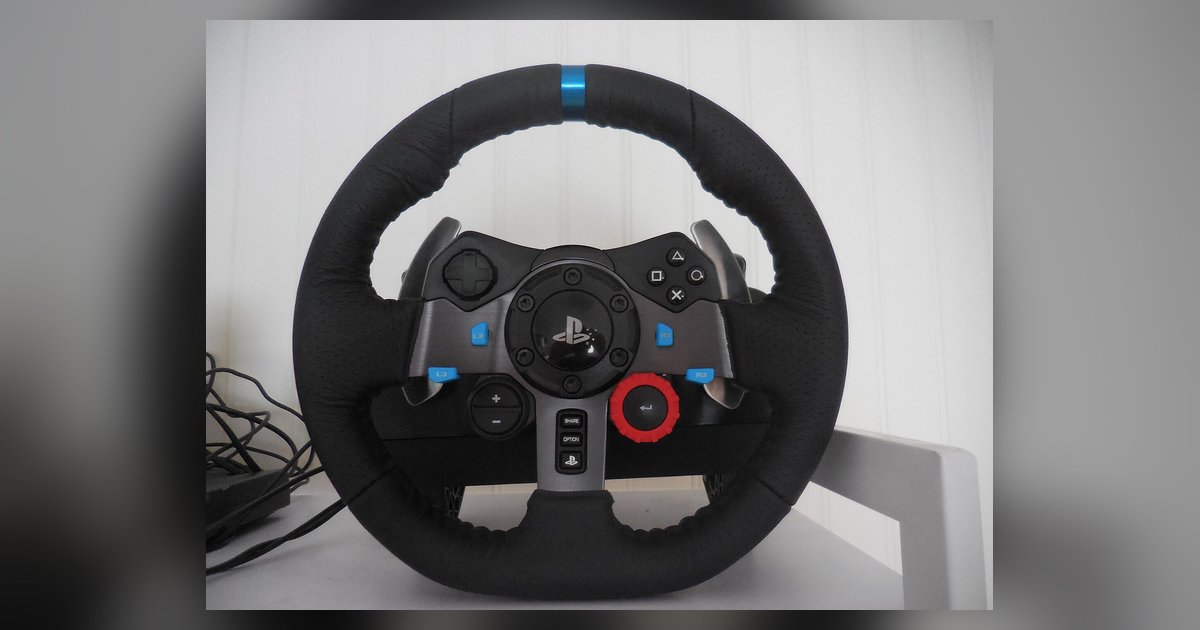
For PlayStation consoles (PS4/PS5), power on the console with the G29 wheel centered. This prevents the wheel from locking into an incorrect center position. Ensure the platform toggle switch on the G29 (PS4/PS5 or PC) matches the console you are using. If you flip it while plugged in, unplug and replug the USB to re-register. On PlayStation, press the PlayStation button on the wheel to connect it, and then fine-tune force feedback, sensitivity, and steering lock within the specific game's settings. A soft reset of the device can fix many connection issues. This involves turning off the PlayStation, ensuring the G29 is connected, and turning the PlayStation back on.