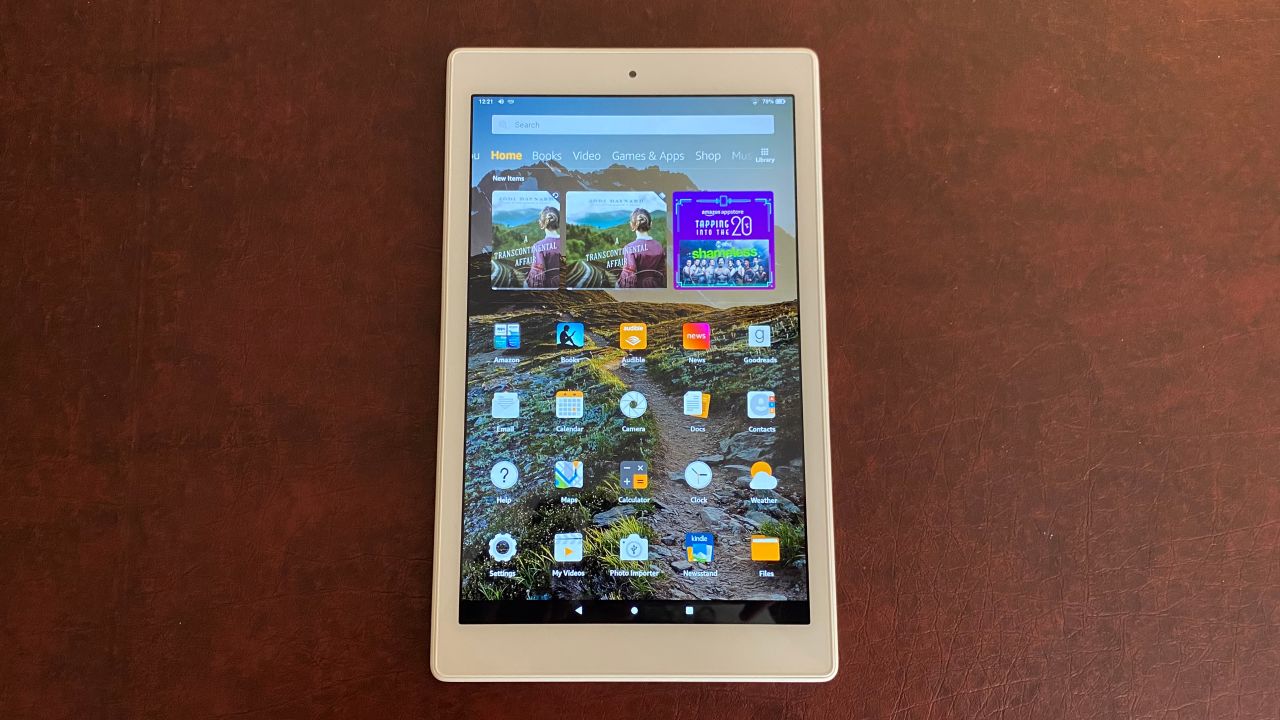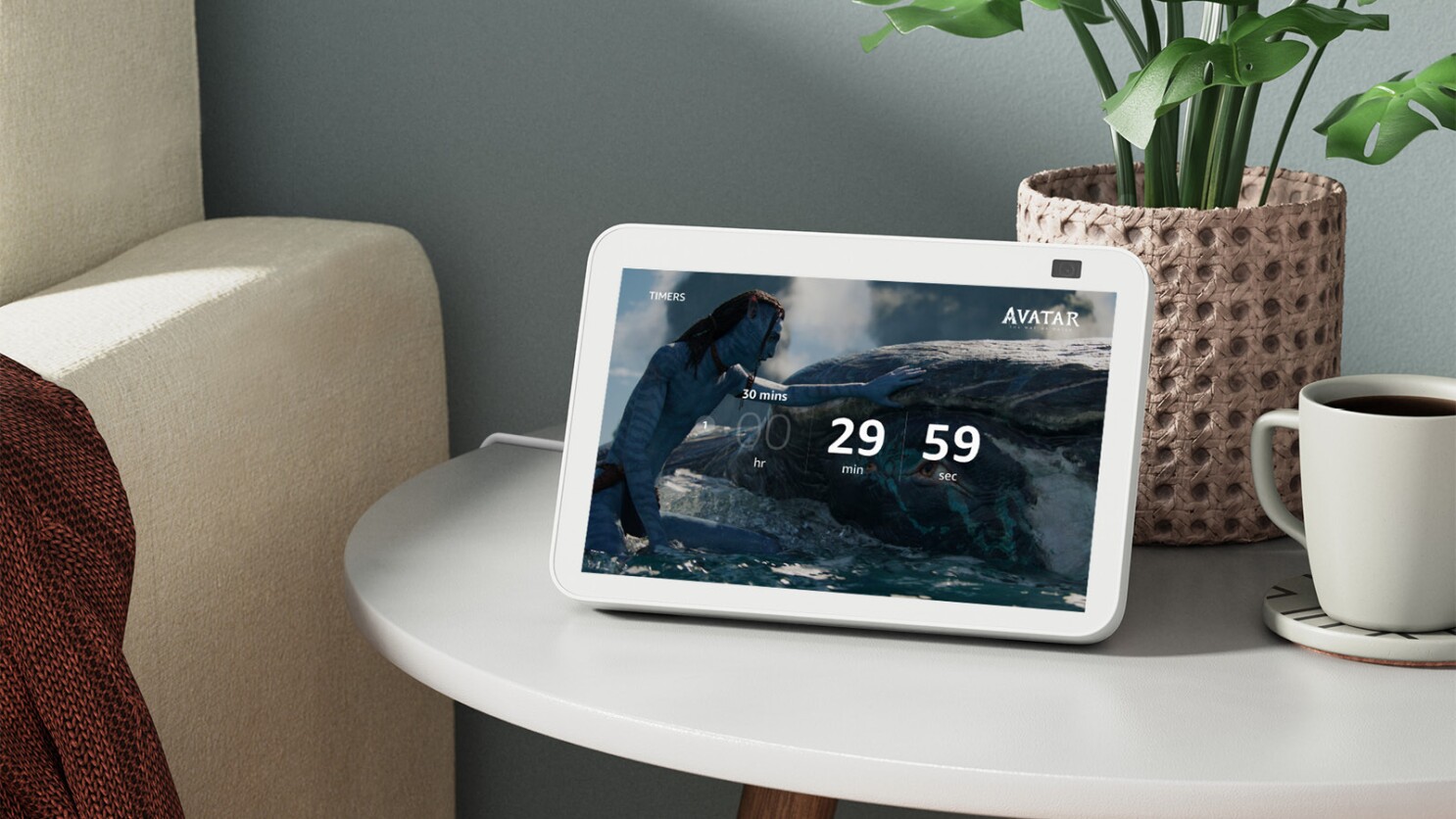
To set a timer on your Fire Tablet, you need to clarify what you mean by "timer," as the device handles it in three distinct ways: a stopwatch for counting up, a screen timeout for inactivity, and parental control time limits for managing a child's usage. This guide covers all three methods so you can choose the one that fits your need, whether that's timing a workout, preventing the screen from staying on, or turning off a tablet for your child. If your screen dims too aggressively, you can also stop tablet from turning off entirely while reading.
Use the Clock app to set timer on Fire Tablet
The simplest way to time an activity is with the built-in stopwatch in the Clock app. This is useful for cooking, exercise, or any task where you need to count elapsed time.
- From the Home screen, swipe up from the bottom to display the Favorites area.
- Tap the Clock app to open it.
- Tap the Stopwatch tab (if it is not already selected).
- Tap the Start button to begin timing.
- Use the Pause and Resume buttons to stop and restart the timer as needed.
- Tap the Lap button to record a split time without stopping the overall timer.
The stopwatch runs indefinitely until you pause or reset it, making it ideal for tracking elapsed time without any automatic shutoff.
Method 2: Adjust the screen timeout setting
If you want your Fire Tablet to automatically turn off its screen after a period of inactivity, you can adjust the Display Sleep setting. This is not a timer for media playback; it controls how long the screen stays on when you are not touching it.
- Swipe down twice from the top of the screen to open the full notification shade.
- Tap the cog icon (Settings) in the bottom right corner.
- Scroll down and tap Display (or Display & Sounds on some models).
- Tap Display Sleep (or Sleep).
- Choose a duration from the available options, ranging from 15 seconds to 30 minutes.
Once set, the screen will turn off automatically after the selected period of inactivity. Note that Fire Tablets do not have a dedicated native sleep timer feature to automatically turn off the tablet after a set period of media playback; this setting only affects the screen timeout based on inactivity.
Method 3: Set screen time limits with parental controls
The primary way to set timers on a Fire Tablet is through parental controls for child profiles. This allows you to manage screen time by setting daily limits, bedtimes, and activity-specific restrictions. From an adult account, follow these steps to configure a child's profile.
- Tap Profiles & Family Library.
- Select the child's profile you wish to manage.
- Tap on Set Daily Goals & Time Limits or Daily Screen Time (the exact label may vary).
Total screen time
You can set a daily limit for overall tablet usage. When the child reaches this limit, the tablet will lock until the "Stay off until" time the following morning. You can set different schedules for weekdays and weekends.
Bedtime
The Bedtime function allows you to set specific hours when the tablet becomes unusable for a child's profile. You can configure different bedtimes for weekdays and weekends, ensuring the device turns off at night and stays off for a set duration.
Time by activity type
Beyond total screen time, you can control how much time a child spends on specific activities. Limits can be set for categories like games & apps, reading, watching videos, listening to Audible, and web browsing. Note that native Fire Tablet controls do not allow setting time limits for individual apps; limits are applied to these categories.
Managing timers from the Amazon Parent Dashboard
All parental control time limits and bedtimes can also be managed remotely. Visit the Amazon Kids Parent Dashboard online at parents.amazon.com or use the Amazon Kids Parent Dashboard app on your phone. From the dashboard, you can adjust total screen time, bedtime curfews, and activity type limits without needing the tablet in hand. This is especially useful for quickly extending time or checking usage while away from home.
\nRelated reading: How To Approve Downloads On Fire Tablet.