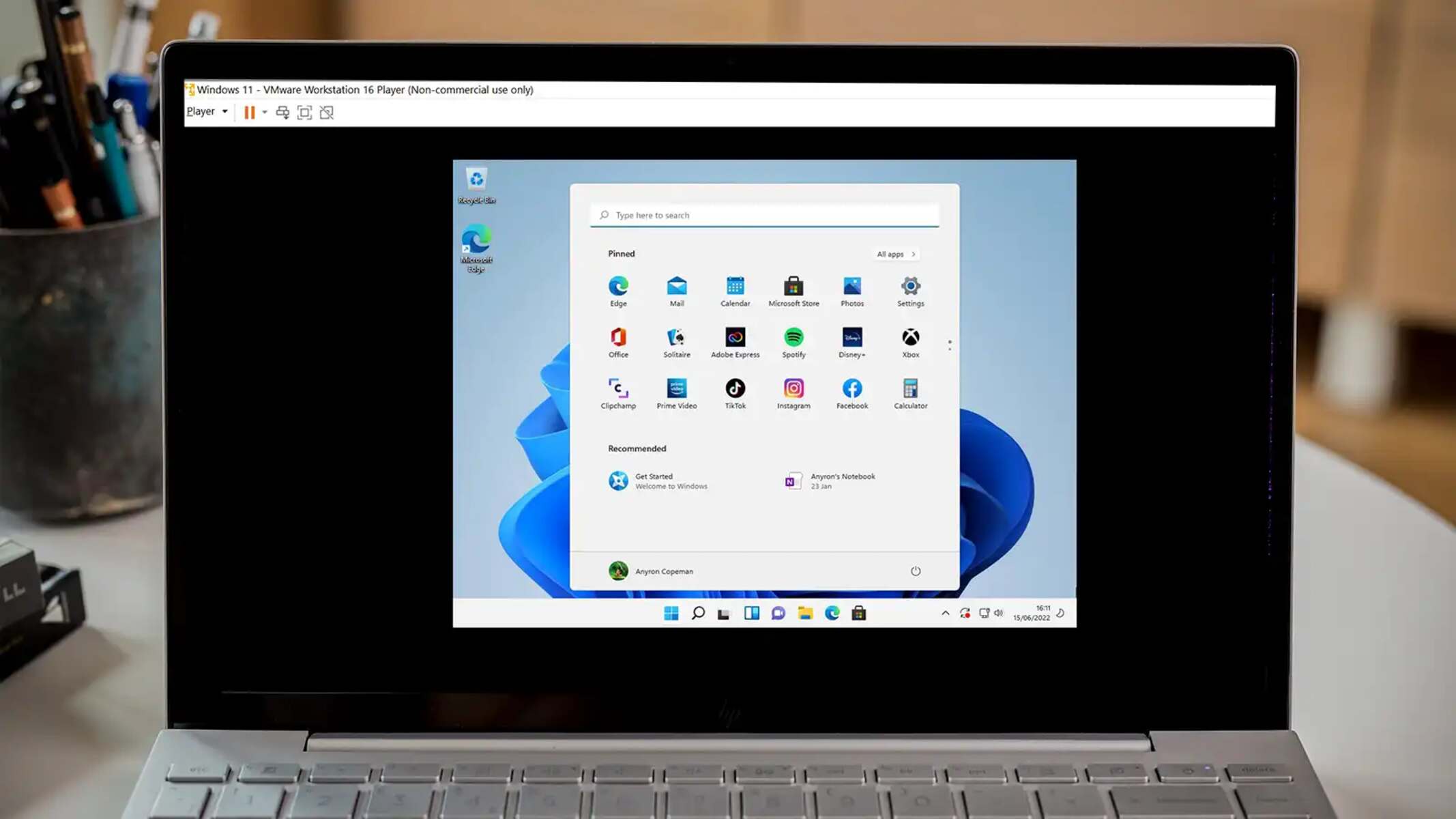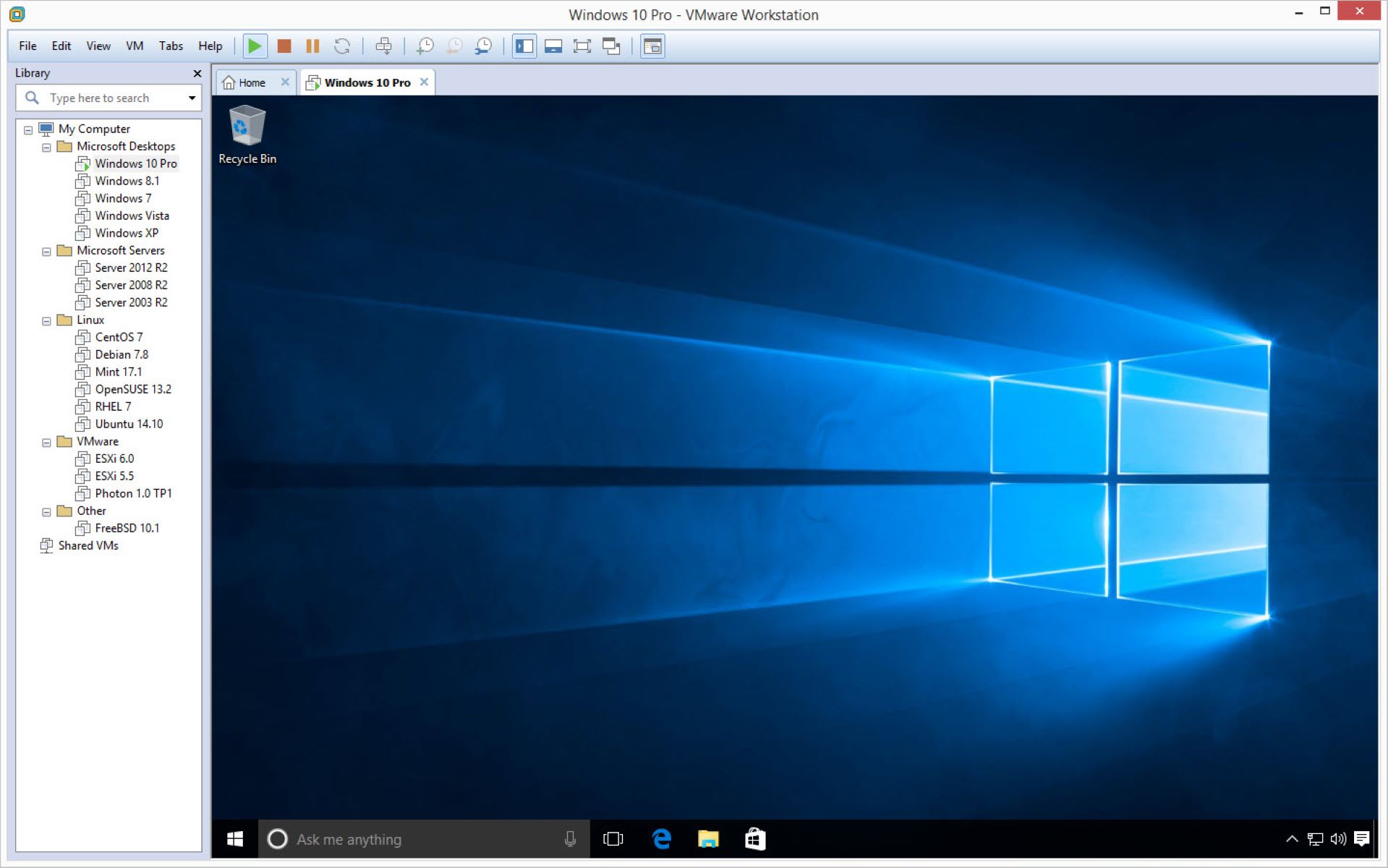
To send function key to vmware workstation, press the key combination on your physical keyboard while the virtual machine window has focus, or use the built-in Send Key menu. The host operating system normally intercepts F1, F12 for its own shortcuts, so VMware Workstation provides three reliable ways to deliver those keys directly to the guest OS: the VM menu, the Right Ctrl key modifier, and the Send Key option for complex combinations.
Prerequisite: Understand input grabbing and the enhanced keyboard driver
VMware Workstation “grabs” keyboard and mouse input when you interact with a virtual machine window, redirecting all keystrokes, mouse moves, and clicks to the guest operating system. This grabbing behavior is configurable: you can set it to activate on mouse click, on key press, or when the cursor enters the window, via the virtual machine's settings. Without grabbing active, the host will capture your function keys before they reach the guest.
For keys that the host intercepts at a lower level, most notably Ctrl+Alt+Del and the Windows logo key + L, VMware provides the Enhanced Keyboard Driver. Installation of the Enhanced Keyboard Driver occurs during or after the initial setup of VMware Workstation on a Windows host. To install or modify it, log into the Windows host as an administrator, run the VMware Workstation installer, choose "Modify/Change," and select "Enhanced Keyboard Utility." Once installed, this driver ensures that Ctrl+Alt+Del and the Windows logo key + L are sent to the guest OS without being interrupted by the host. Without this driver, those specific combinations will always trigger host actions, no matter which method you use.
Method 1: Use the virtual machine menu
The fastest way to send a single function key is through the menu bar. This works for any guest operating system and requires no special configuration.
- Ensure your virtual machine is running and its window is active.
- Click VM in the top menu bar of VMware Workstation.
- Hover over Send Key in the dropdown menu.
- Select the function key you want from the submenu (F1 through F12).
The selected key is sent immediately to the guest OS, simulating a physical press. This method is ideal when you need a quick, one-off function key, for example, pressing F2 to enter a VM's BIOS setup or F8 to open the boot menu.
Method 2: Use the right Ctrl key shortcut
If you prefer keeping your hands on the keyboard, the Right Ctrl key acts as a dedicated modifier that forwards the next keypress to the guest. This is especially useful when you need to send a function key repeatedly, such as when navigating BIOS screens.
- Click anywhere inside the virtual machine window to give it focus.
- Press and hold the Right Ctrl key on your physical keyboard.
- While holding Right Ctrl, press the desired function key (F1, F5, etc.).
- Release both keys together.
VMware Workstation sends the function key to the guest as if you had pressed it directly. This method works for individual function keys and simple combinations, but it may conflict if the guest OS itself has assigned a meaning to Right Ctrl, in that case, use Method 1 or Method 3 instead.
Method 3: Use the send key option for combinations
For complex key combinations that involve multiple modifiers, like Ctrl+Alt+Del or Ctrl+Shift+Esc, the Send Key menu offers a one-click solution. This is the most reliable way to deliver combinations that the host would otherwise intercept.
- Ensure the virtual machine is running.
- Click VM in the top menu bar.
- Hover over Send Key.
- From the submenu, select the exact combination you need, such as
Ctrl+Alt+DelorCtrl+Shift+Esc.
This method bypasses the host entirely, sending the full combination to the guest OS in a single action. It's particularly valuable when you need to open the guest's task manager or security screen, where a partial keypress would fail.
Troubleshooting: What to do when function keys still don't work
If none of the methods above deliver the function key to your guest OS, work through this checklist.
- Confirm the VM window has focus. Click directly inside the virtual machine window before attempting any key combination. If the window border is not highlighted, the host is still capturing input.
- Verify the Enhanced Keyboard Driver is installed. For Windows guests, open the host's Programs and Features list, locate VMware Workstation, and run Modify to confirm the Enhanced Keyboard Utility is checked. Without it,
Ctrl+Alt+Deland the Windows logo key + L will never reach the guest. - Check input grabbing settings. Go to the virtual machine's settings and ensure grabbing is set to activate on mouse click or key press. If grabbing is disabled entirely, no keystrokes will reach the guest.
- Test with a different function key. Some guest operating systems reserve certain function keys for their own purposes (e.g., F1 for help). Try F5 or F10 to confirm the sending mechanism itself works.
- Restart the virtual machine. If the Enhanced Keyboard Driver was just installed, a guest reboot is required for it to take effect.
If you still cannot send function keys after verifying all of the above, the issue is likely specific to your guest OS's keyboard layout or a host-level utility (like a screen reader or macro tool) that is intercepting keys before VMware can grab them. Disable such utilities temporarily and retest.
\nRelated reading: How To Mount A VHD File Inside A Windows Guest Without Converting It, How To Install Android In VMware Workstation 11, and How To Change Resolution When Opening VMware Workstation.