How to print Google Sheets: a quick guide
To print Google Sheets, open your spreadsheet, click "File" in the top menu, then select "Print" to open the print settings screen. From there, you can choose what to print, adjust layout options, and send the job to a printer or save it as a PDF.
The entire process revolves around three main actions: accessing the print settings, choosing exactly what content to print, and then outputting the result to a physical printer or a digital PDF file. Each of these steps takes only a few clicks, and the print preview lets you verify everything before committing to paper or file.
Step 1: Open your spreadsheet and select the right sheet
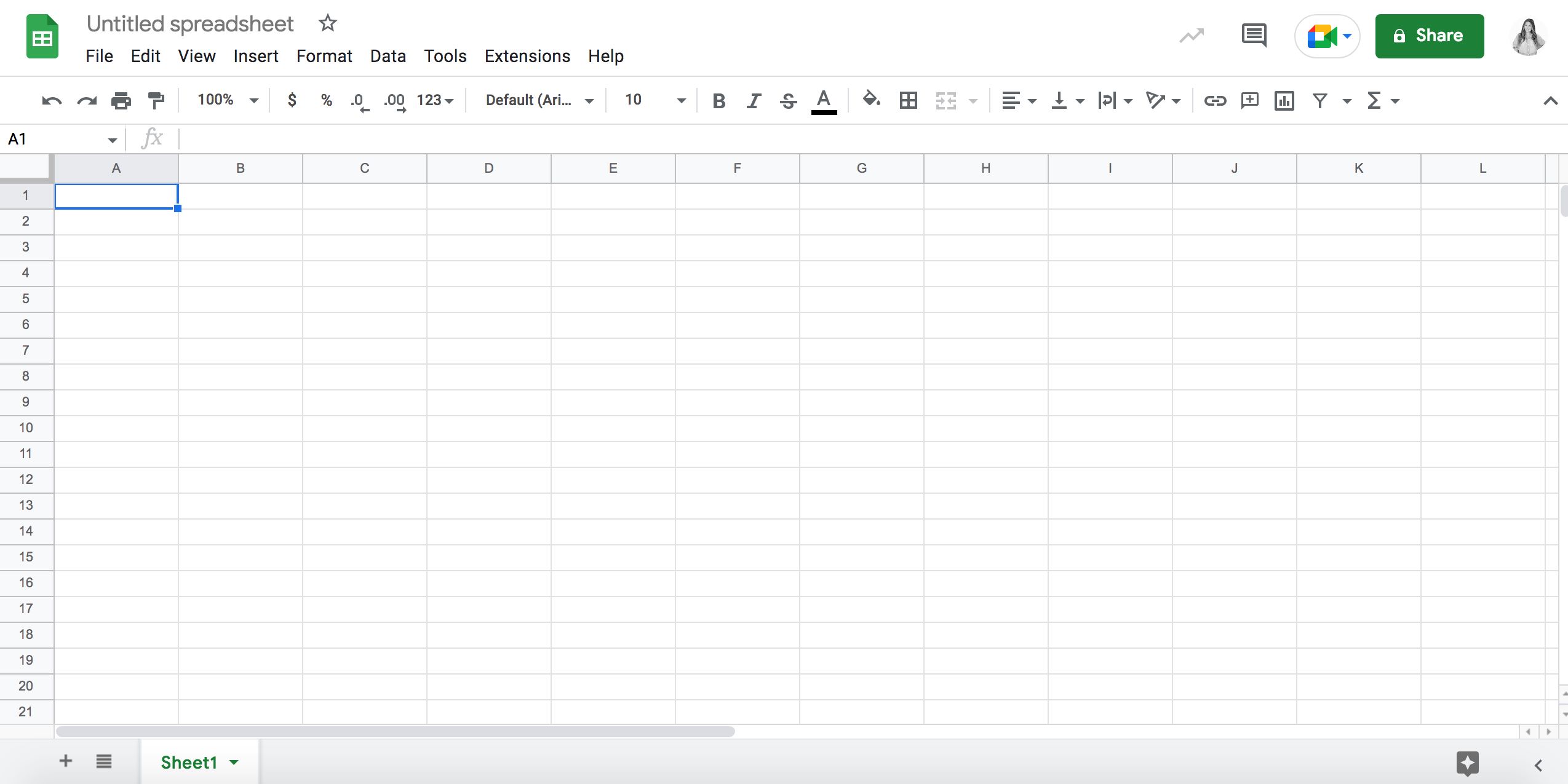
Start by opening Google Sheets in your web browser and signing in to your Google account. Locate the spreadsheet you want to print from your list of files and click on it to open it. Once the file is open, look at the bottom of the window where you'll see tabs for each sheet in the workbook. Click the tab of the sheet you want to print to select it, the selected tab becomes highlighted, indicating that this is the active sheet. This step matters because if you have multiple sheets in one file, printing without selecting the correct one might give you the wrong data or force you to repeat the process.
Step 2: Access and adjust the print settings
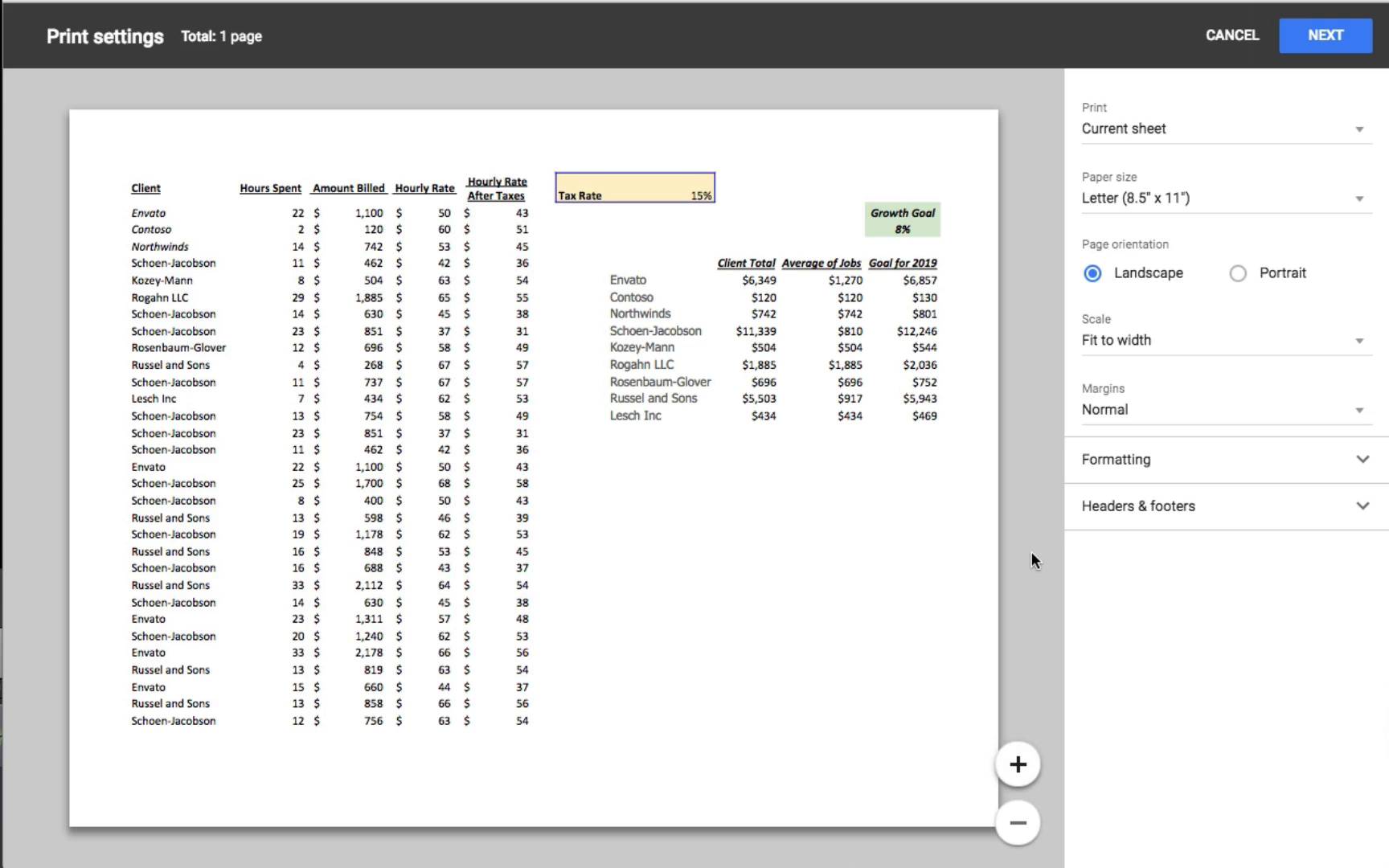
With the correct sheet selected, click "File" in the top-left menu, then choose "Print" from the dropdown. This opens the print settings screen, which is the control center for all your printing choices. Under the "Print" option, you can choose what to include: "Current sheet" prints only the active tab, "Workbook" prints all sheets in the file, and "Selected cells" prints only the range you've highlighted in the sheet. For page layout, set the "Page orientation" to either "Landscape" or "Portrait" depending on whether your data is wider or taller. Select a "Paper size" from the preset options like Letter or A4, or enter a "Custom size" if you need something specific. "Margins" can be set to "Normal," "Narrow," "Wide," or you can enter "Custom numbers" for precise control over the white space around your content. Under "Headers & footers," you can include elements like "Page numbers," "Workbook title," "Sheet name," "Current date," or "Current time" to add context to each printed page. If you have frozen rows or columns in your sheet, you can choose to "Repeat frozen rows" or "Repeat frozen columns" on every printed page, which keeps headers visible when your printout spans multiple pages.
Step 3: Set a specific print area or custom page breaks
To print only a specific range of cells, first select the cells in your sheet that you want to include, then open the print menu and choose "Selected cells" under the "Print" option. This is useful when you have a large dataset but only need to share a small portion of it on paper. For more control over how content breaks across pages, click "Set custom page breaks" in the print settings. This switches the preview pane to a mode where you can drag the blue lines to define exactly where each page begins and ends. Drag the horizontal and vertical lines to adjust page divisions so that rows and columns are not awkwardly split. The preview updates in real time, letting you see exactly how each page will look before you commit to printing.
Step 4: Preview, then print or save as PDF
After configuring all your settings, review the final layout in the preview pane on the right side of the print settings screen. Navigate through the pages using the arrows or page number input to check that all data appears correctly and nothing is cut off. If something looks wrong, close the preview and adjust the settings, such as changing the scale to fit more content on a page or tweaking the margins. When you're satisfied with the preview, click "Next" to access your computer's system print dialog. In that dialog, select your desired printer from the list of available devices and click "Print" to send the document to your physical printer. If you don't need a paper copy, you can also save your Google Sheet as a PDF from the print dialog by selecting "Save as PDF" as the destination, which downloads a digital copy of your sheet to your computer for easy sharing or archiving.
How to print from the Google Sheets mobile app
For printing on the go, open the Google Sheets app on your iOS or Android device and navigate to the spreadsheet you want to print. Tap the three vertical dots in the upper-right corner of the screen to open the menu, then select "Print" from the options. This opens your device's native print interface, where you can choose a connected printer or save the sheet as a PDF directly to your phone or tablet.
\nRelated reading: How To Add Columns In Google Sheets, How To Change Ownership Of A Google Calendar, and How To Delete A Row In Google Sheets.