Jailbreaking a Chromebook means enabling Developer Mode, which grants you root access and disables the verified boot security feature. This is the only official method to gain full system control, but it will erase all local data and void your warranty, so back up everything first. If you want to jailbreak a Chromebook, the process is straightforward but comes with serious trade-offs you need to understand before starting.
What Does Jailbreaking a Chromebook Mean?
When people say "jailbreak a Chromebook," they are almost always referring to enabling Developer Mode. This is a special state in Chrome OS that gives you root (administrator) access to the entire system. It disables Verified Boot, which normally checks the integrity of the operating system on every startup. With Developer Mode on, you can modify system files, install alternative operating systems, and run Linux distributions natively. However, this comes at a cost: enabling Developer Mode triggers a Powerwash, which wipes all local data, including downloaded files, settings, and login information. Your device will be reset to factory condition, and the warranty will likely be voided. If you later need to exit Developer Mode and restore the original software, you can reset an acer Chromebook using a recovery drive. This is not a hidden hack; it's a built-in feature designed for developers, but it permanently changes how your Chromebook operates. If your device is managed by an institution, you may first need to remove school administrator from Chromebook before Developer Mode can be enabled.
Before You Start: Critical Warnings and Backups
Before you do anything, back up every file you care about. The Powerwash is unavoidable and will erase everything on the local drive. Use Google Drive, an external USB drive, or another cloud service to store your documents, photos, and any other important data. Once Developer Mode is enabled, your Chromebook will also be more vulnerable to malware because Verified Boot is off. This means malicious software could potentially modify the operating system without detection. Additionally, you should understand the difference between Developer Mode and the Developer Channel. Developer Mode is a boot state that disables security checks, while the Developer Channel is just an update stream that gives you early access to Chrome OS features, it does not give you root access. If your Chromebook is issued by a school or enterprise, administrators likely have blocked Developer Mode entirely, so this process will not work on managed devices. Check your device's management status before attempting anything.
How to Enable Developer Mode on Your Chromebook
Here is the exact, verified key sequence to enter Developer Mode on most Chromebooks with a physical keyboard. Follow these steps carefully:
Step 1: Power Off and Enter Recovery
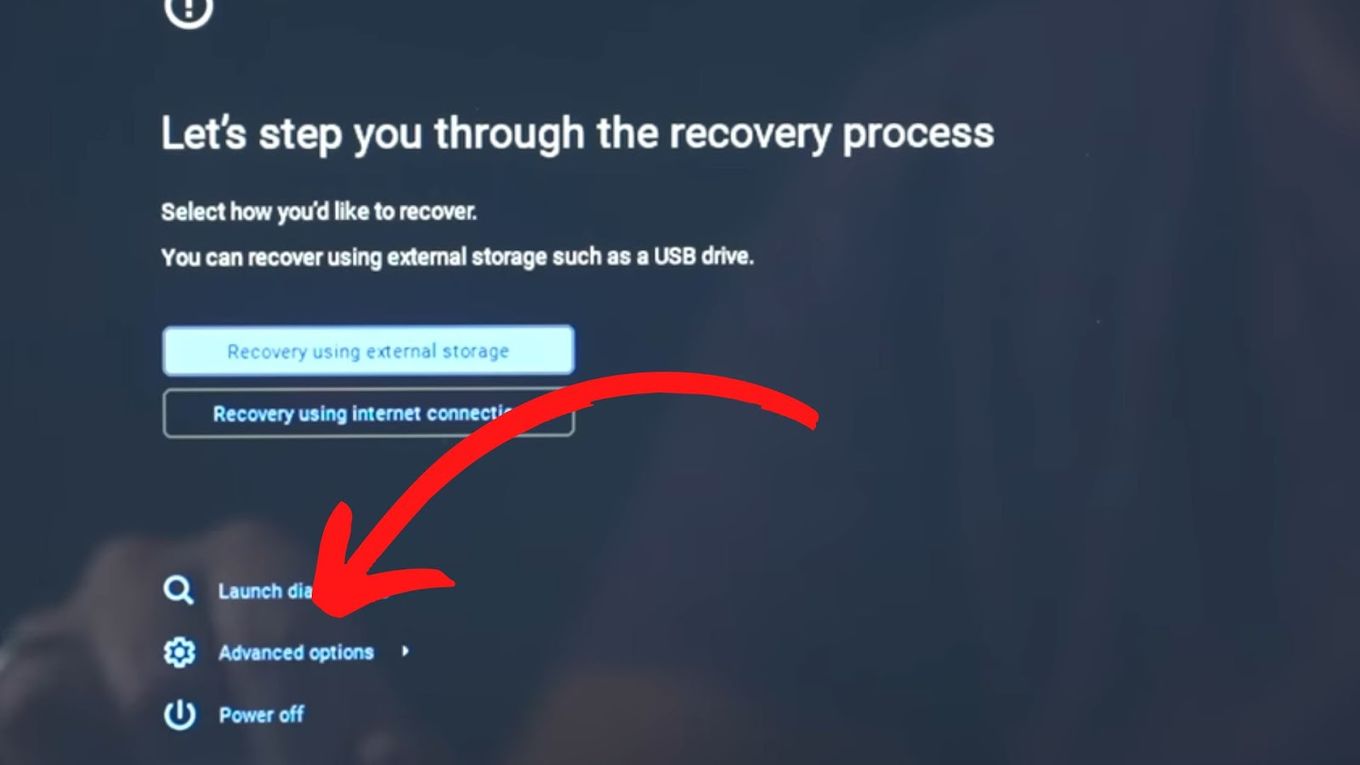
Turn off your Chromebook completely. Hold down the Esc and Refresh keys simultaneously, then press the Power button. Keep holding Esc and Refresh until you see a screen that says "Chrome OS is missing or damaged" or displays a warning icon. This is the recovery screen.
Step 2: Confirm OS Verification Off
On that screen, press Ctrl + D. You will see a prompt asking to turn OS verification OFF. Press Enter to confirm. Your Chromebook will restart and begin the Powerwash process. This can take several minutes. After it finishes, you'll see a screen with a red exclamation mark and the message "OS verification is OFF."
Step 3: Boot into Developer Mode
At that warning screen, press Ctrl + D again. Your Chromebook will boot into Developer Mode. You'll see the same warning on every startup from now on, but that's normal. You now have root access and can proceed with customization.
Accessing Root and Running Linux Apps
Once Developer Mode is active, you can open a root shell. Press Ctrl + Alt + T to open the Crosh terminal. Type shell and press Enter. This gives you a Bash shell with root privileges. From here, you can run commands, install software, and modify system files. However, for most users, there is a safer and official way to run Linux apps without Developer Mode: the Linux development environment (Crostini). Go to Settings > Developers > Linux development environment and enable it. This creates a secure container with a full Linux distribution, and it does not require disabling Verified Boot or erasing your data. You can also sideload Android APK files in Developer Mode, but this is riskier and less supported. If you just want Linux apps, use Crostini first, it's the recommended path.
How to Customize Your Jailbroken Chromebook
With Developer Mode enabled, you can customize your Chromebook beyond what standard Chrome OS allows. You can install alternative desktop environments like XFCE or GNOME using tools like Crouton, or you can install a full Linux distribution alongside Chrome OS. The apt package manager gives you access to thousands of open-source applications. You can change themes, icons, and wallpapers to personalize the look. For developers, this is a powerful environment to run code, test software, and use command-line tools. However, be cautious about one thing: do not disable rootfs verification. This is a separate setting that makes the system files writable, but it breaks auto-updates and can cause instability. If you disable it, Chrome OS will no longer be able to verify its own integrity, and future updates may fail. Keep rootfs verification enabled unless you absolutely know what you're doing.
How to Disable Developer Mode and Restore Security
If you ever want to go back to a secure, verified Chromebook, the process is simple. Reboot your device. At the "OS verification is OFF" warning screen, press the Spacebar (on keyboard devices). This will trigger a Powerwash and restore the default, secure boot state. Your Chromebook will restart, re-enable Verified Boot, and erase all local data again. This is the only way to fully restore security. After this, you will no longer have root access, and the Developer Mode warning will disappear. Your Chromebook will be exactly as it was when you bought it, minus any files you didn't back up. Remember, the entire jailbreak process, from enabling to disabling, always involves a data wipe, so plan accordingly.
For the wider topic, see turn on my Chromebook.