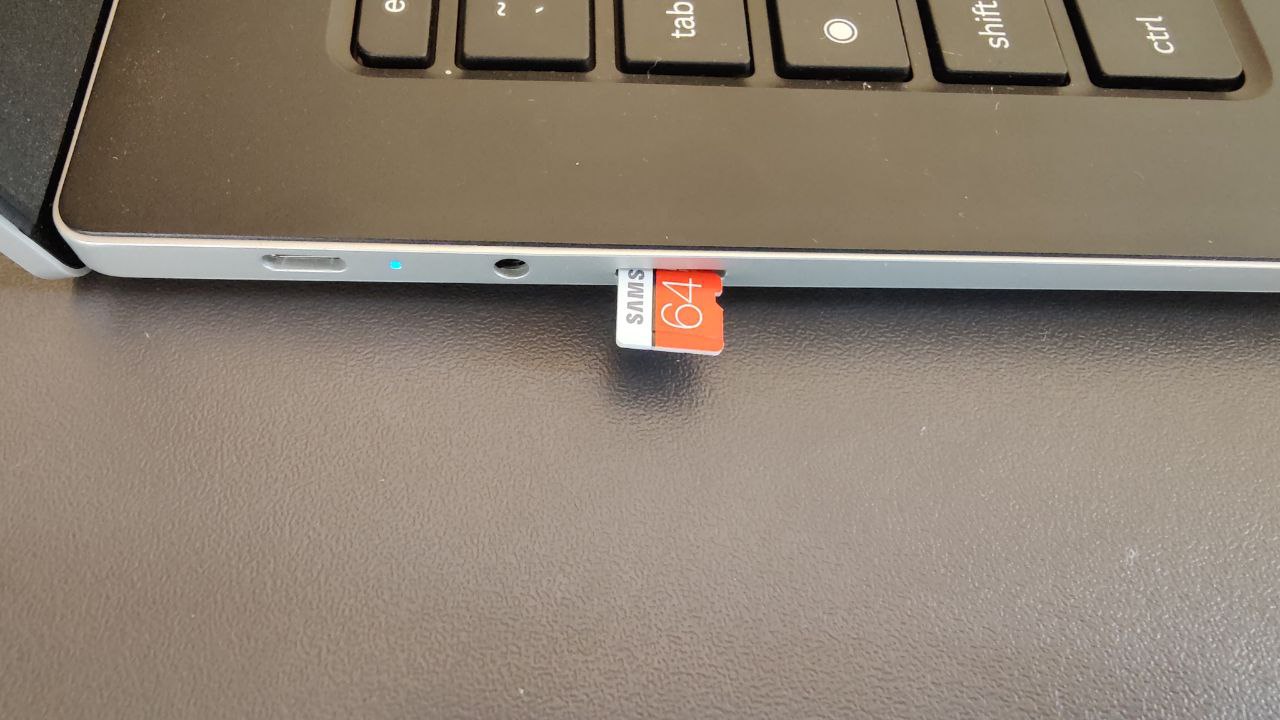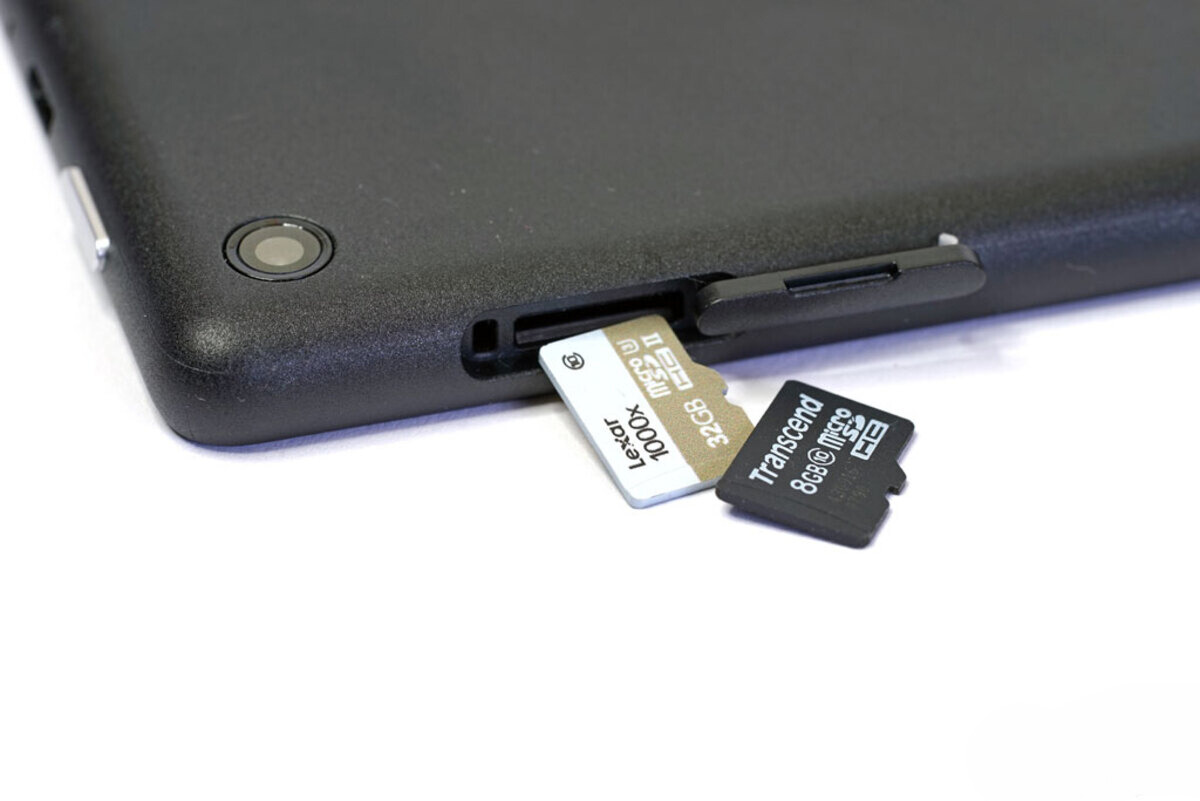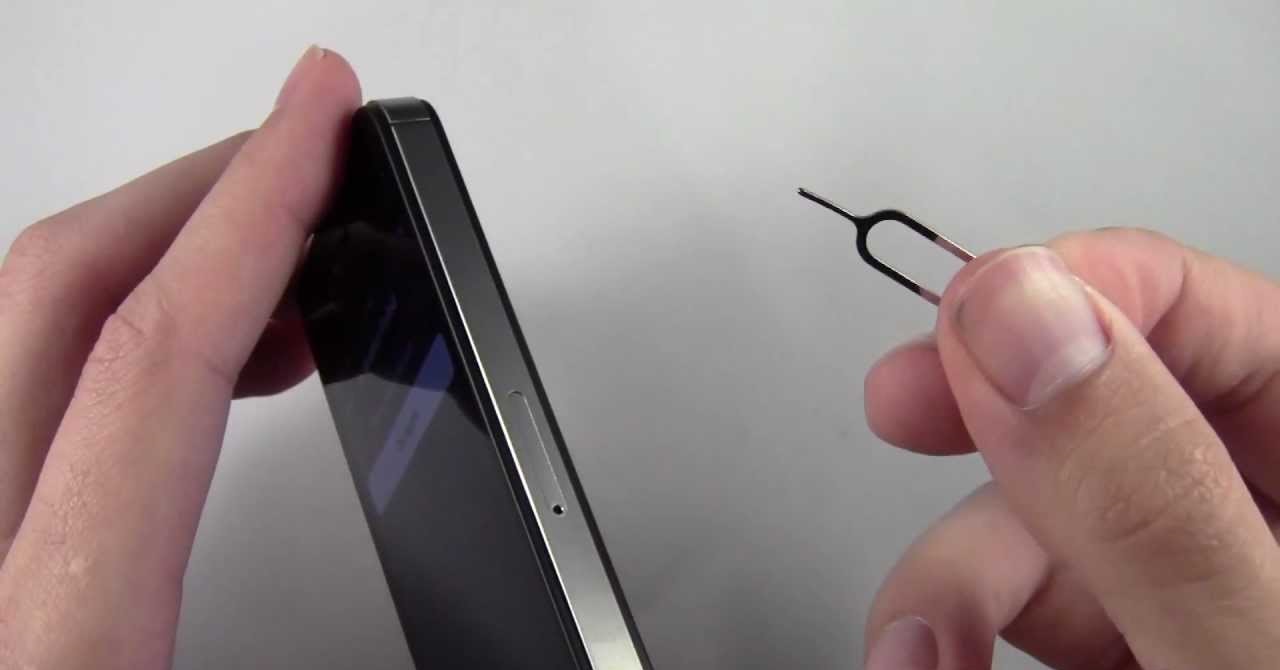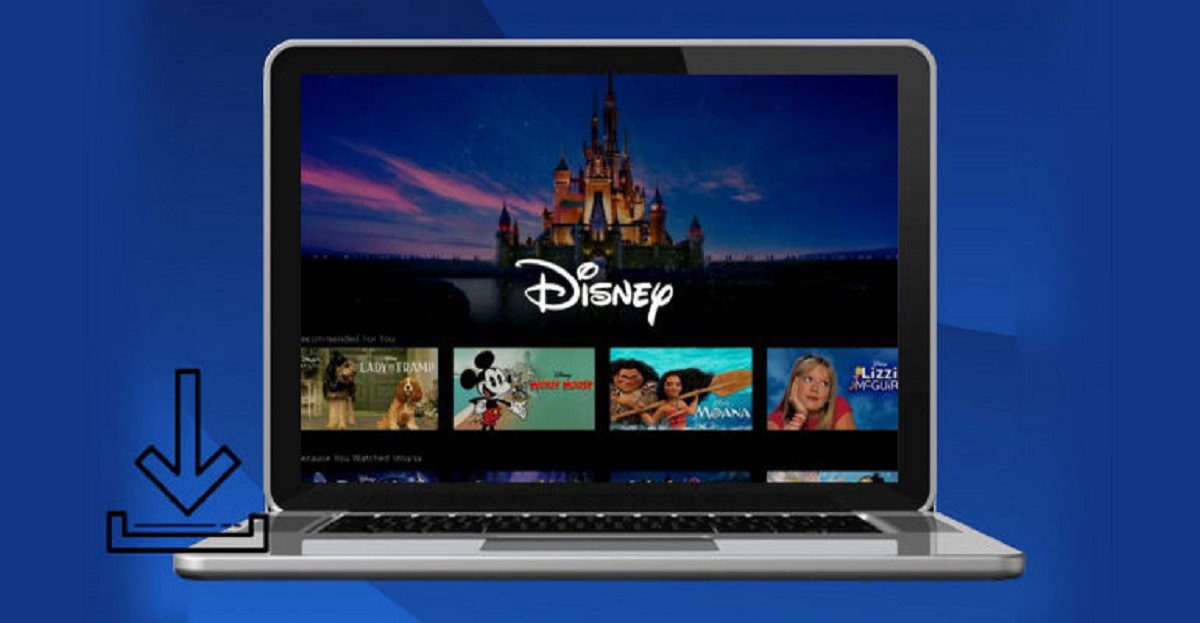
To download movies onto an SD card, you have two main options: use a streaming app like Netflix or Prime Video to save titles directly to the card on Android or Fire devices, or transfer personal movie files from your computer to the card. If your computer lacks a built-in SD slot, you can put micro sd card in computer without adapter using alternative methods, but first make sure you know how to properly insert sd card into laptop to avoid damaging the slot. Apple mobile devices (iPhone, iPad) cannot save streaming downloads to an SD card. The key is to set the correct download location in your app before downloading, or use a file manager for non-DRM files.
Choosing the Right SD Card for Movie Downloads
Before downloading anything, ensure your SD card is up to the task. A card that is too slow or too small will ruin the experience.
- Storage Capacity: A 32GB card is the absolute minimum for a few movies, but 64GB or 128GB is recommended if you plan to store a decent library. High-resolution movies can easily take up 4-8GB each.
- Speed Class: For smooth playback and fast transfers, choose a card with a Class 10 or UHS (Ultra High Speed) Class 1 rating or higher. This ensures the card can read and write data quickly enough for HD and 4K video.
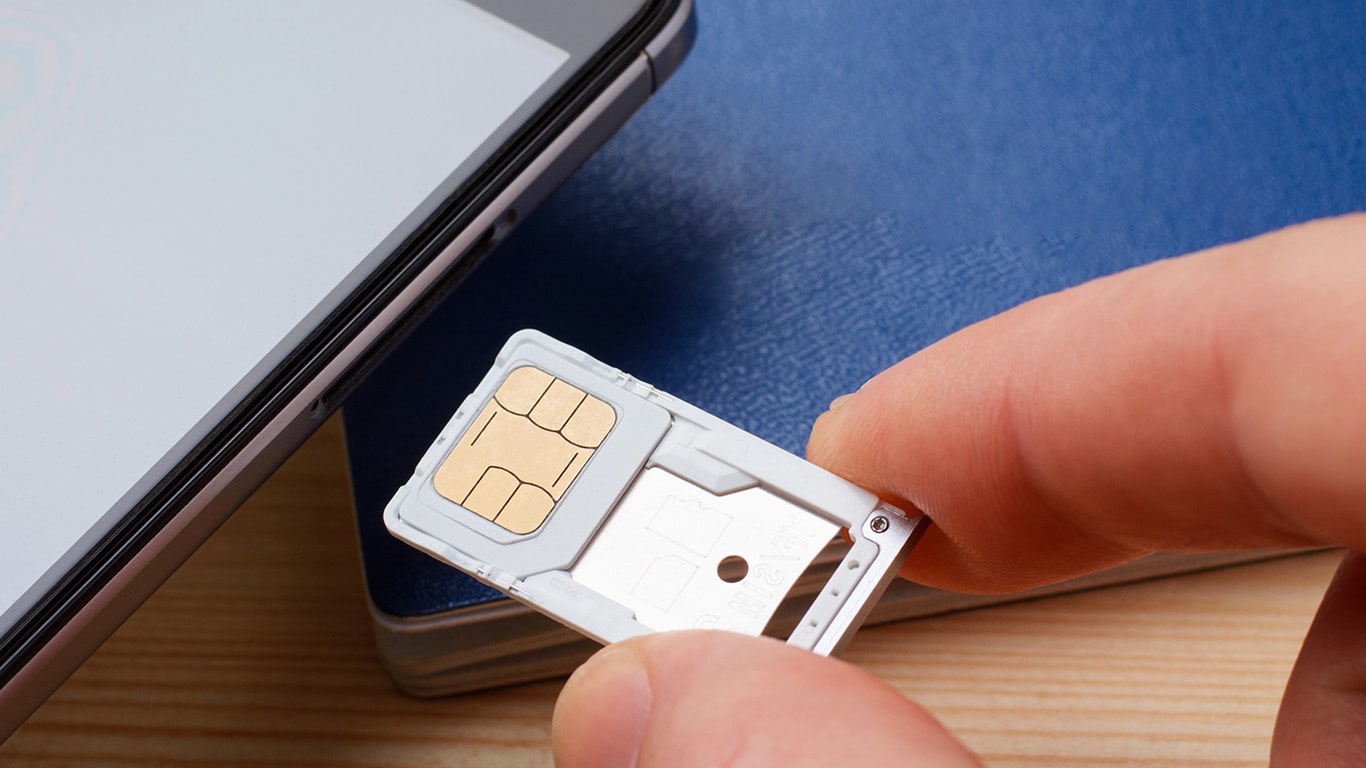
- Compatibility: Most Android phones and Amazon Fire tablets use microSD cards. If you are using a camera or an older laptop, you may need a full-size SD card. Check your device's specifications before buying.
- Trusted Brands: Stick with reputable manufacturers like SanDisk, Samsung, or Kingston. These offer better reliability and durability, which is crucial for long-term storage.
Downloading Movies Directly from Streaming Apps to SD Card
This is the most common method for offline viewing. It works for Netflix, Amazon Prime Video, Disney+, and Google Play Movies on Android and Fire OS devices. The process is nearly identical across apps.
Step-by-Step for Netflix (Applies to Most Streaming Apps)
- Open the Netflix app on your Android phone or Fire tablet.
- Tap My Netflix (or the profile icon) in the top right or bottom right corner.
- Select App Settings.
- Under the Downloads section, tap Download Location.
- Choose SD Card from the list of available storage options.
- Now, browse the app and tap the download arrow next to any movie or show. It will save directly to your SD card.
This same logic applies to Prime Video (Settings > Storage & Downloads > Download Location), Disney+ (App Settings > Download Location), and Google Play Movies.
Critical Rule: You must change the download location before you download anything. If you have already downloaded movies to your phone's internal storage, you cannot simply move them to the SD card. You must delete the existing downloads and re-download them after changing the location.
Also, note that downloaded content from streaming services often has an expiration date (e.g., 30 days for Disney+) or requires you to reconnect to the internet periodically to verify your subscription. If you are offline for too long, the movies may become unavailable.
Why You Can't Move Existing Streaming Downloads to an SD Card
Streaming services use Digital Rights Management (DRM) to protect copyrighted content. These DRM-protected files are encrypted and tied to the specific app that downloaded them. The app stores these files in a hidden, managed folder on your device's internal storage to ensure they cannot be copied or moved. Because of this security measure, the files are invisible to file manager apps and cannot be transferred to an SD card manually. The only way to get them onto the SD card is to delete them and re-download them with the correct storage location selected.
Transferring Your Personal Movie Files from a Computer to an SD Card
If you have your own movie files (e.g., home videos, ripped DVDs, or purchased DRM-free files) on your computer, transferring them to an SD card is a simple file copy operation.
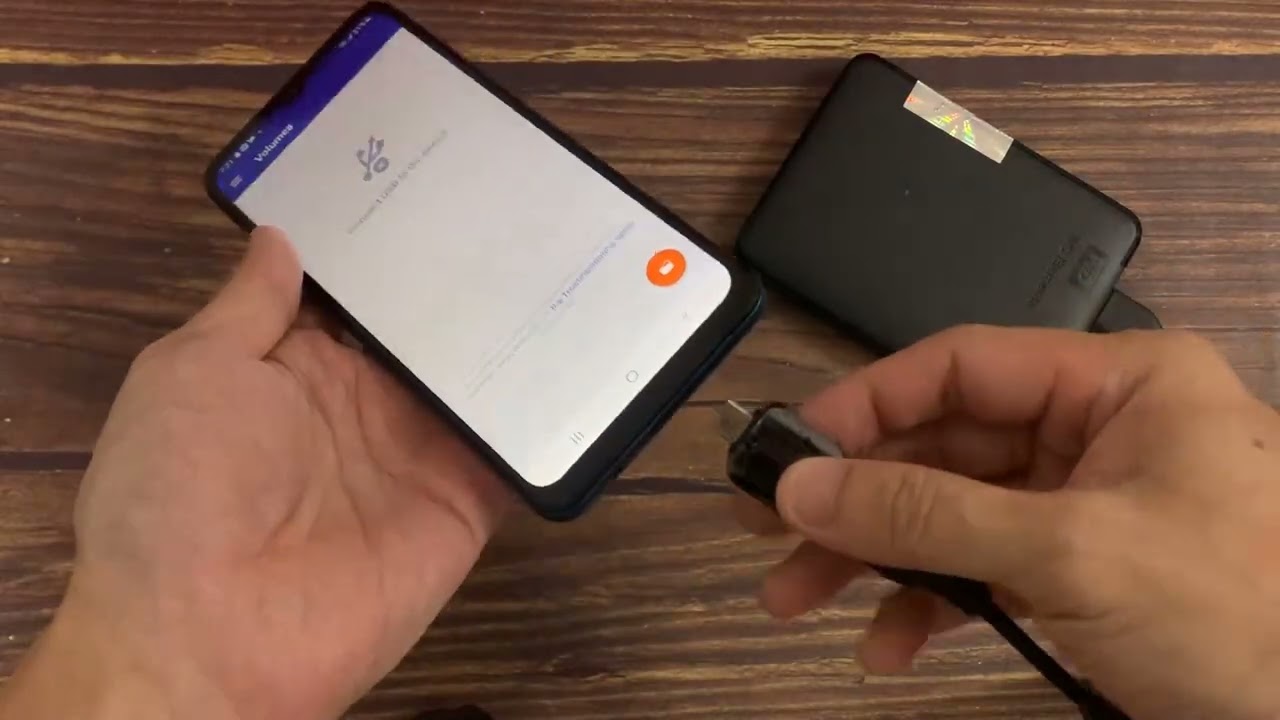
- Insert the SD card into your computer. If your computer doesn't have a built-in slot, you will need a USB card reader. For help with hardware, see How To Use An SD Card Reader or How To Insert SD Card Into Laptop.
- Open File Explorer (Windows) or Finder (Mac).
- Navigate to the folder where your movie files are stored on your computer.
- Select the movie files you want to transfer. You can use Ctrl+C (or Cmd+C on Mac) to copy, or Ctrl+X to cut them.
- In the left sidebar of File Explorer/Finder, click on your SD card drive.
- Right-click in an empty area of the SD card folder and select Paste (or press Ctrl+V). The files will begin copying.
- Wait for the transfer to complete, then safely eject the SD card before removing it.
Moving Movie Files from Internal Storage to SD Card on Android
For non-DRM files (like personal videos) that are already on your Android phone or tablet, you can move them to the SD card using a file manager app. Files by Google is a reliable, free option.
- Open the Files by Google app.
- Tap the Browse tab at the bottom.
- Tap Internal storage.
- Navigate to the folder containing your movie files (e.g., Movies, DCIM, or Download).
- Long-press on the movie files you want to move to select them.
- Tap the three vertical dots (menu) in the top right corner.
- Select Move to.
- Choose your SD card from the list.
- Tap Move here.
Important: This method only works for personal, non-DRM files. It will not work for movies downloaded from Netflix, Prime Video, or Disney+, as those are protected and stored in app-specific folders that are inaccessible.
Device-Specific Limitations You Should Know
- Apple Devices (iPhone/iPad): Apple does not allow streaming apps to save downloads to external SD cards. All offline content is stored in the app's internal storage. You cannot use an SD card for this purpose on iOS devices.
- Amazon Fire Tablets: Fire tablets fully support downloading streaming content to a microSD card. The process is the same as on Android.
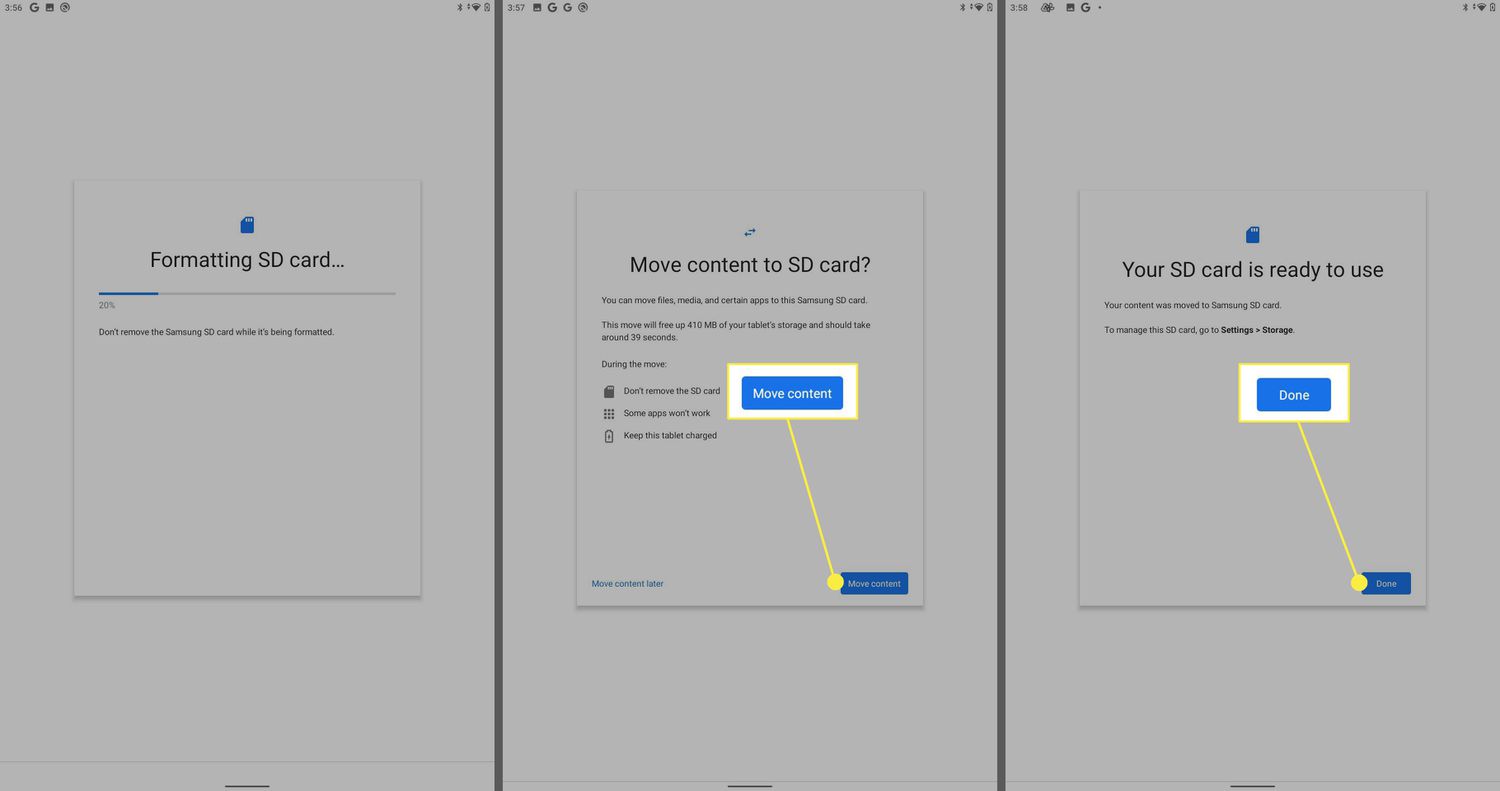
- SD Card Formatting: On Android, SD cards formatted as "portable storage" are generally recognized by streaming apps for downloads. If you format the card as "adoptable storage" (internal storage), some apps may have compatibility issues and refuse to use it for downloads. For best results, keep it as portable storage.
Additional Tips for Managing Your SD Card Movie Collection
- Organize into Folders: Create separate folders on your SD card for different genres or categories (e.g., Action, Comedy, Kids). This makes it easier to find what you want.
- Back Up Your Card: Regularly copy your SD card contents to your computer or an external hard drive. SD cards can fail unexpectedly.
- Keep It Safe: Protect your SD card from physical damage, extreme heat, and moisture. Store it in a protective case when not in use.
- Free Up Space: Delete movies you have already watched to make room for new ones. This is especially important if you have a smaller capacity card.
- Upgrade When Needed: If you constantly run out of space, it's time to upgrade to a higher-capacity card (e.g., move from 64GB to 128GB). It's a simple and cost-effective way to expand your library.
Final Checklist for Movie Downloads
- Choose a fast (Class 10/UHS) and spacious (64GB+) SD card from a trusted brand.
- For streaming apps, change the download location to "SD Card" in the app settings before downloading anything.
- Remember that existing streaming downloads cannot be moved; you must delete and re-download them.
- For personal files, use a file manager or computer transfer to copy them to the SD card.
- Respect copyright laws and only download content you have the right to access.
- Keep track of expiration dates for streaming downloads and reconnect periodically if required.
By following these steps, you can enjoy a vast library of movies offline on any compatible device. For more help with managing downloads, see our guides on How To Download Apps Directly To SD Card From Play Store and How To Download Files Directly To External Hard Drive.
For a deeper look at the hardware involved, you can read about how to use an sd card reader.