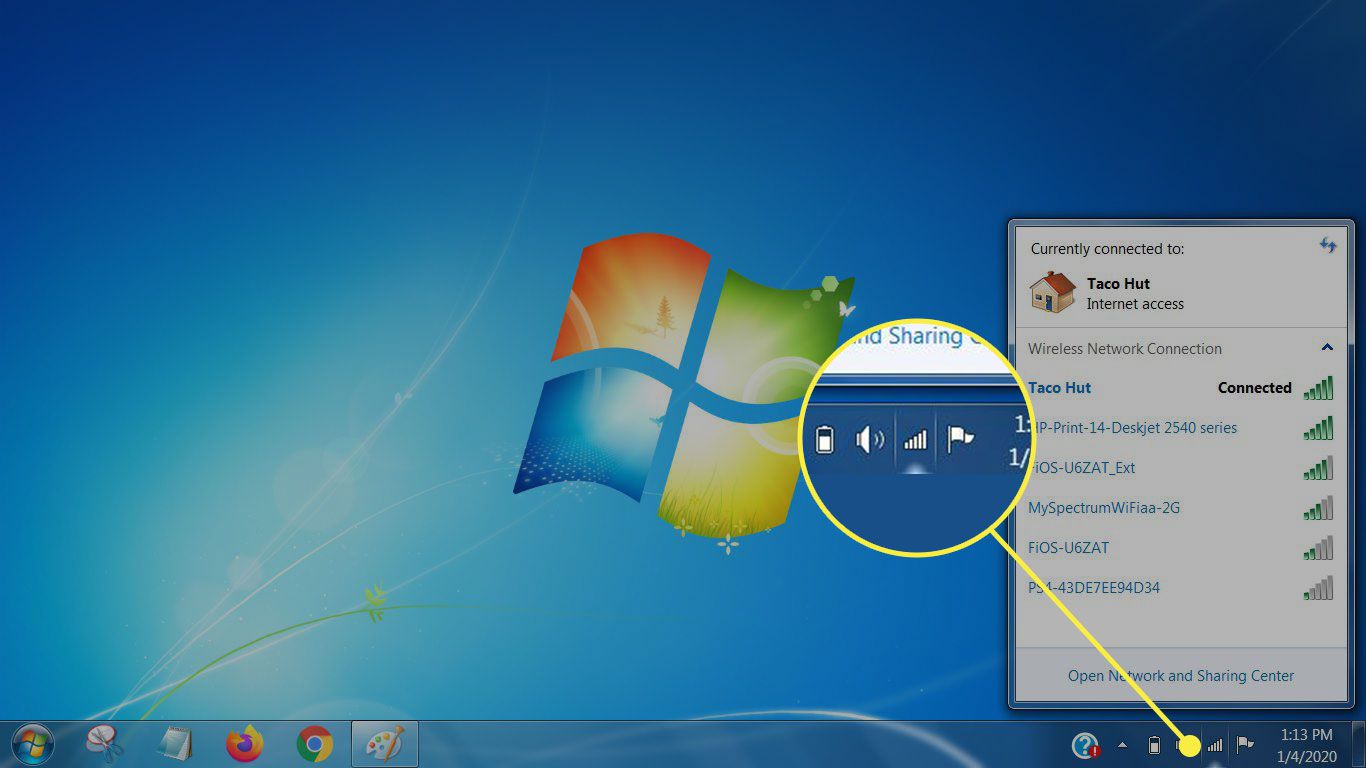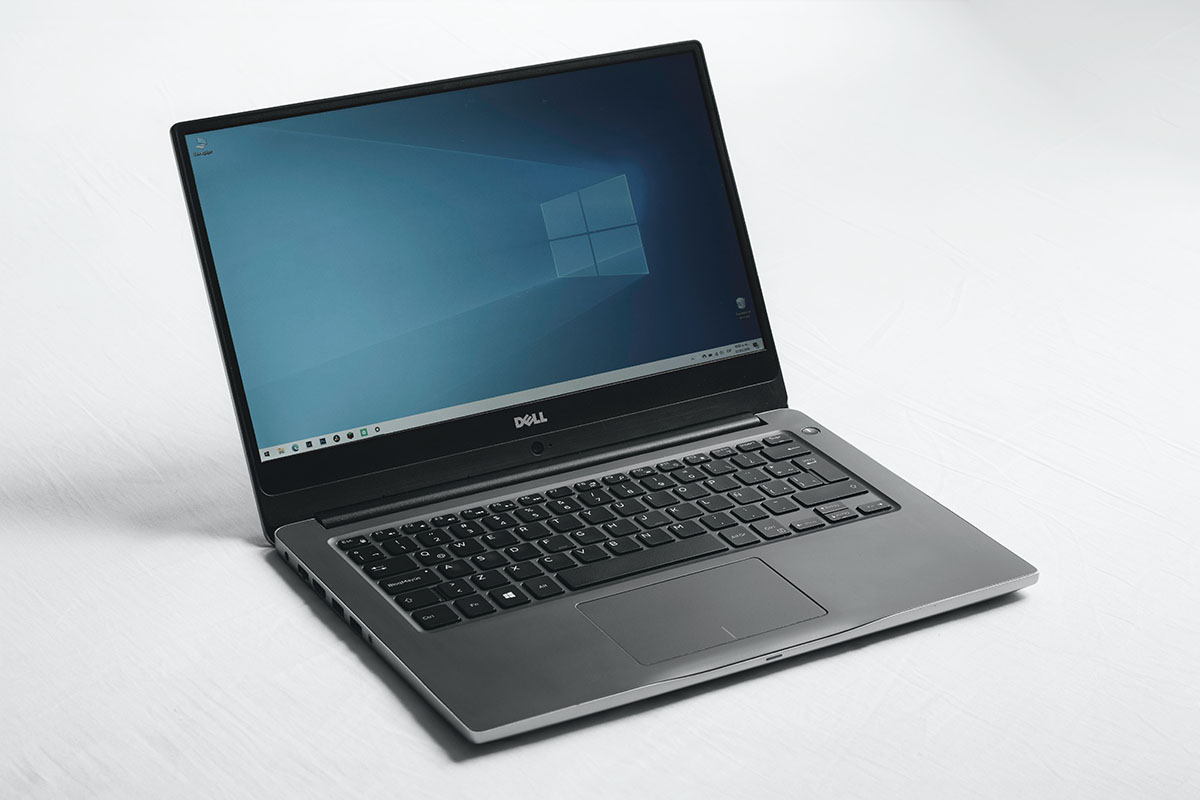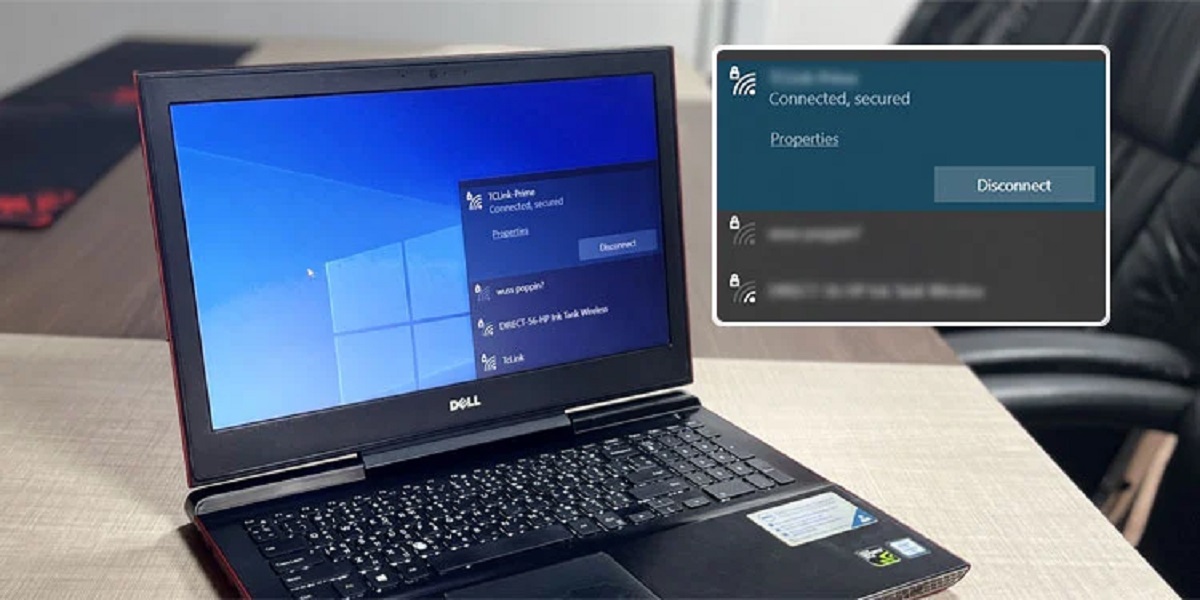
To connect your Dell computer to Wi-Fi, click the Network, Sound, or Battery icons on the right side of the taskbar to open quick settings, then select the Wi-Fi quick setting and choose "Manage Wi-Fi connections." From there, pick your network, enter the password, and click "Next" to connect.
Before you start: Check your Dell's Wi-Fi adapter
Before attempting to connect, verify that your Dell computer has a wireless adapter installed and enabled. Open Device Manager by right-clicking the Start button and selecting it from the menu. Expand the "Network adapters" section and look for an entry containing "Wi-Fi," "Wireless," or "802.11." If you see one, the adapter is present. If no wireless adapter appears, your Dell may lack built-in Wi-Fi; you would need to install a compatible USB or internal Wi-Fi adapter to connect a computer to wifi and get online.
Step 1: Turn on Wi-Fi and disable airplane mode
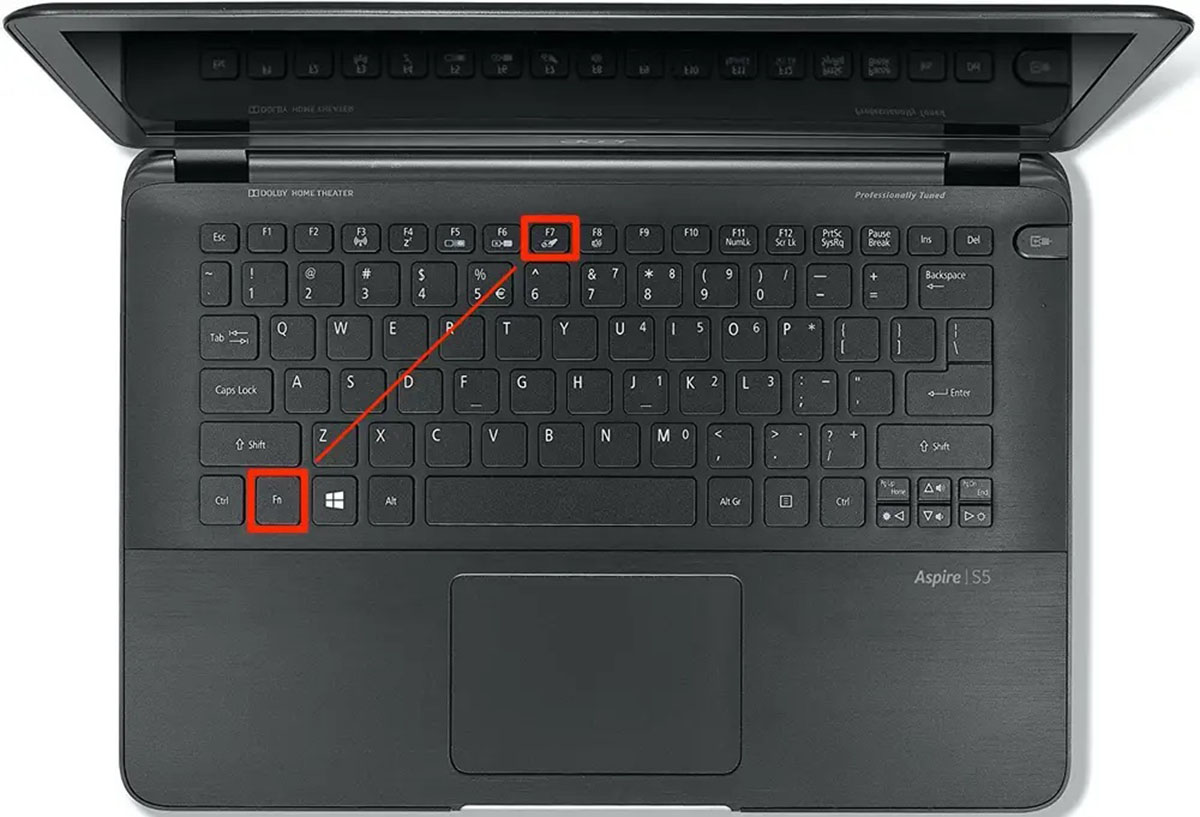
Wi-Fi must be enabled and Airplane mode turned off before you can connect. The primary method uses the taskbar quick settings: click the Network, Sound, or Battery icons on the right side of the taskbar. In the quick settings panel, ensure the Wi-Fi tile is blue (on) and the Airplane mode tile is gray (off). If Airplane mode is blue, click it to disable it. As a secondary option, some Dell laptops feature a keyboard shortcut, often Fn+F2 or a key with a Wi-Fi icon, that toggles Wi-Fi on or off. You might also find a physical Wi-Fi switch on certain models; check the sides or front of your laptop. If wireless connectivity remains unreliable, you can connect dell laptop to internet with Ethernet cable for a more stable wired connection. If you need to pair wireless peripherals instead, you can also turn on Bluetooth on dell laptop from the same quick settings panel.
Step 2: Connect your Dell computer to wifi
Once Wi-Fi is on and Airplane mode is off, follow these exact steps to establish a connection:
- Click the Network, Sound, or Battery icons on the right side of the taskbar to open quick settings.
- On the Wi-Fi quick setting, select "Manage Wi-Fi connections".
- Choose the desired Wi-Fi network from the list, then select "Connect".
- Type the network password when prompted, and then select "Next" to establish the connection.
After a few seconds, your Dell computer will connect to the network. The Wi-Fi icon in the taskbar will change to a solid signal indicator, confirming the connection is active.
Step 3: Troubleshoot Dell Wi-Fi connection problems
If you cannot connect or the connection drops, work through these verified fixes in order. You can troubleshoot by "forgetting" the network and reconnecting: click the Wi-Fi icon, select "Manage Wi-Fi connections", find your network, click "Forget", then re-select and enter the password. This clears any saved credentials that may be corrupted.
Run the Windows Network Troubleshooter by right-clicking the Wi-Fi icon in the system tray and selecting "Diagnose network problems". Windows will automatically scan for issues and attempt to repair them.
Keep your Wi-Fi drivers updated by visiting Dell's Driver & Downloads page, entering your Service Tag, and downloading the latest wireless network adapter driver. Outdated drivers are a common cause of connection failures.
If issues persist, reinstall Wi-Fi drivers: in Device Manager, expand "Network adapters", right-click your Wi-Fi adapter, select "Uninstall device", confirm, and restart your computer to allow Windows to reinstall the driver automatically. This resets the driver to a clean state.
Dell's SupportAssist tool can help diagnose and fix Wi-Fi problems; search for "SupportAssist" in the Start menu, go to the Support tab, and run the Wi-Fi troubleshooter. This automated tool checks hardware and software settings specific to your Dell model.