To connect a Wii remote to a PC, you need a Bluetooth-capable computer and the right software to translate the controller’s signals into something Windows understands. The quickest path is to pair the remote through Windows’ Bluetooth settings, then install a tool like WiinUSoft or use Dolphin’s built-in pairing to map buttons and motion controls for your games.
What you need to connect a Wii remote to a PC
Before you start, gather the essential hardware: a Wii Remote (often called a Wiimote) and a PC with Bluetooth built-in. If your computer lacks Bluetooth, a cheap USB Bluetooth adapter will work, just plug it into a free port. On the software side, you have two solid modern options: WiinUSoft, which lets you map the remote as a generic gamepad for any PC title, or Dolphin, the Wii emulator that includes native Wiimote support. Both are free and actively maintained, so you don’t need any obscure third-party tools.
Step 1: Install or enable your PC’s Bluetooth driver
First, confirm your PC has Bluetooth. On Windows, open Device Manager (right-click the Start button and select it) and look for a “Bluetooth” section. If you see it, your adapter is present and likely working. If not, you’ll need a USB Bluetooth adapter. Insert it, and Windows will usually install a generic driver automatically. If it doesn’t, download the manufacturer’s driver from their website or run Windows Update to fetch it. After installation, check Device Manager again, your adapter should appear without a yellow warning icon, meaning it’s ready to pair devices.
Step 2: Open Bluetooth settings the right way on Windows 10 and 11
For most users, the standard route works: go to Settings > Devices > Bluetooth & other devices, then toggle Bluetooth on. However, this screen sometimes forces a PIN prompt when pairing a Wiimote, which can cause headaches.
Step 3: Put the Wii Remote into pairing mode and sync
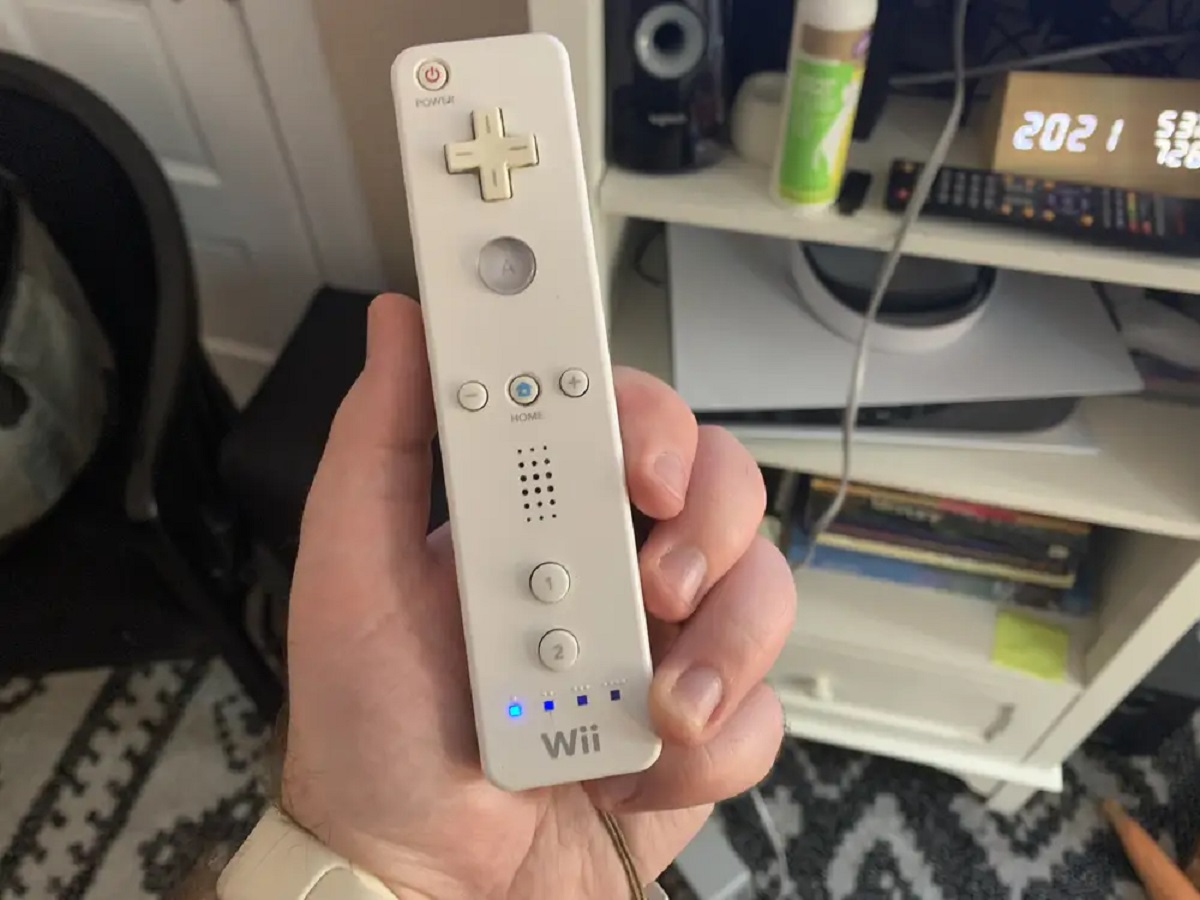
Now, grab your Wii Remote and press and hold the “1” and “2” buttons on the front simultaneously. Keep holding them until the blue LEDs at the bottom start flashing, this signals the remote is in discoverable mode. Windows will scan for nearby Bluetooth devices. Look for an entry named “Nintendo RVL-CNT-01” or simply “Input device.” Select it, and if a passcode prompt appears, click “Next” or “Pair without using a code” without typing anything, the Wii Remote doesn’t require a PIN. The LEDs will stop flashing and settle into a steady pattern once the connection is established.
Step 4: Install Wiimote software and configure your controller
Pairing alone isn’t enough, Windows doesn’t natively understand the Wiimote’s button layout. You need software to translate its inputs. Download WiinUSoft from its official site and run the installer. Once open, the software should detect your paired remote automatically. From there, you can map each button (A, B, 1, 2, D-pad, and the plus/minus keys) to keyboard keys or mouse buttons, and assign the accelerometer and pointer to mouse movement if you want motion controls. Just select it, and the emulator handles pairing and mapping for you, making it the simplest choice for Wii games, once you’re set up, you can download free Wii and Wii u games to put your controller to immediate use.
Step 5: Test the connection in a game
Launch a compatible game or emulator to verify everything works. If you’re using Dolphin, load any Wii title and try pressing buttons, the on-screen controller should respond instantly. For PC games via WiinUSoft, open a game that supports gamepad input (or one where you’ve mapped keys) and test each button. Move the remote around to check the motion sensor; if it feels unresponsive, go back to the software’s settings and adjust the sensitivity or recalibrate the accelerometer. Most mapping tools include a test screen that shows live input, so use that to confirm every button and axis registers before diving into gameplay.
Next steps and troubleshooting
If your Wii Remote disconnects mid-session, it likely went to sleep to save battery, press any button to wake it, then re-pair if needed. For persistent drops, check the Bluetooth adapter’s power management settings in Device Manager and disable “Allow the computer to turn off this device to save power.” You can also use a calibration tool built into WiinUSoft or Dolphin to reset the motion sensors if they drift. For more controller setup help, see our guides on pairing other gamepads to Windows or configuring Dolphin for keyboard and mouse. If you’re using the remote for non-gaming tasks, like controlling presentations, WiinUSoft’s mouse mode works well, just remap the pointer to the accelerometer. With the connection stable and mappings tuned, your Wii Remote becomes a versatile input device for anything from emulated classics to modern PC titles.
\nRelated reading: How To Connect Controller To PC and How To Connect Ps4 Controller Bluetooth.