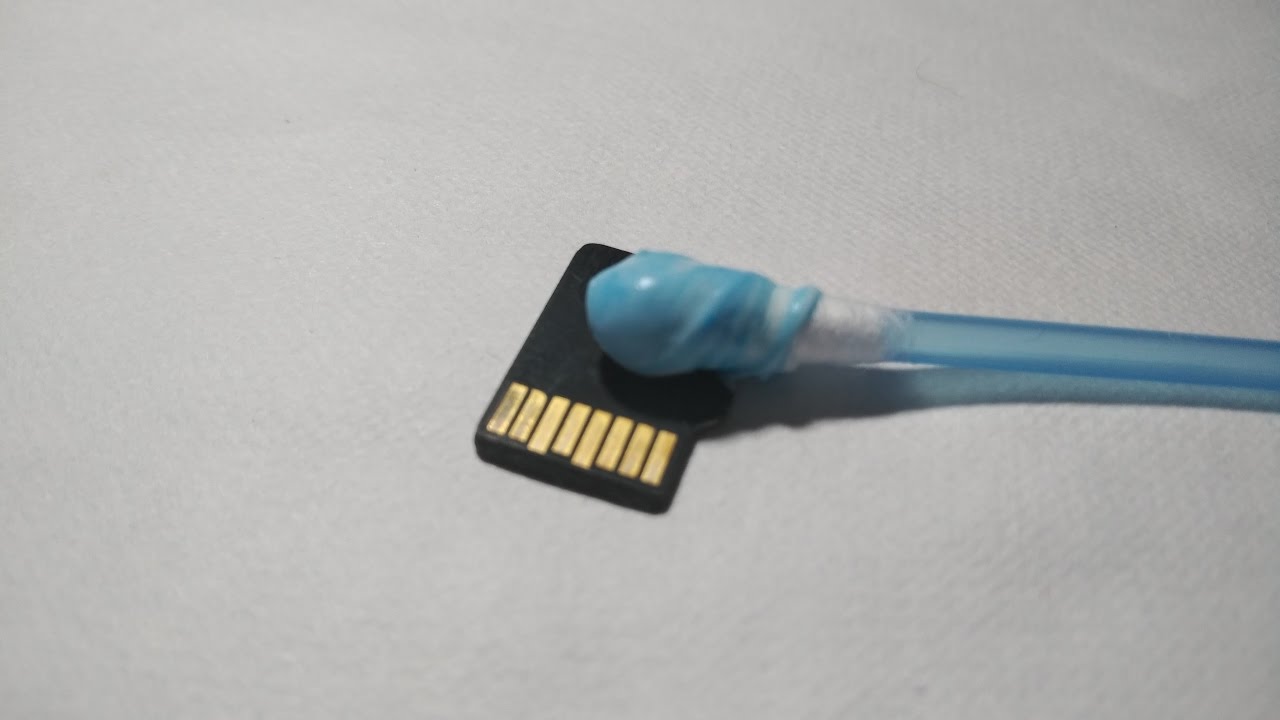
What Does It Mean to Clean an SD Card?
To clean an SD card means to format it, erasing all data and rebuilding the file system so the card performs like new, according to the SD Association (SDA). While physical cleaning of the gold contacts is a helpful secondary step, the primary and most effective way to clean an SD card is through a full format, which resolves corruption, removes hidden files, and restores peak read/write speeds. This process ensures the card is properly recognized by cameras, phones, and other devices, and it's the first thing to try when you encounter errors or slowdowns.
Before You Format: Back Up and Check the Switch
Before you format, back up every important file to a computer, cloud service, or external drive, formatting permanently erases all content, and recovery is rarely guaranteed. Next, locate the small write-protect switch on the side of the SD card and slide it to the "NOT PROTECTED" (unlocked) position; if it's locked, the card will reject any format attempt. This two-step check takes less than a minute and prevents the most common formatting failures.
Physically Wipe the Contacts (Optional)
If your card has visible dust, oil, or debris on the gold contact pins, gently wipe them with a dry microfiber cloth before formatting, this removes physical contaminants that can cause read/write errors. For the card slot on your camera or computer, use a can of compressed air to blow out dust, but avoid touching the pins with any tool. This quick physical cleaning is optional but can improve connection reliability, especially for cards that have been handled frequently.
Format with the Official SD Memory Card Formatter (Windows and Mac)
The SD Association recommends using its free, official SD Memory Card Formatter tool, available only at sdcard.org, for optimal performance and compatibility. Unlike your computer's built-in formatter, this tool fully overwrites the card's internal structure, restoring it to factory-grade condition. Here's how to use it:
Step 1: Download and Install
Go to sdcard.org, download the version for Windows or Mac, and install it. Connect your SD card via a built-in reader or a USB card reader.
Step 2: Select the Card
Open the SD Memory Card Formatter, and select your SD card's drive letter from the dropdown menu. Double-check you've chosen the correct drive, formatting the wrong one will erase your computer's data.
Step 3: Choose Quick or Overwrite Format
For everyday cleaning, choose Quick Format, it's fast and sufficient for restoring performance. For sensitive data or a card you're selling or giving away, choose Overwrite Format, which writes zeros over every sector, making data unrecoverable. The tool will also automatically set the correct file system (FAT32 for cards up to 32GB, exFAT for larger cards).
Step 4: Click Format
Press the Format button and wait for the process to finish. Do not remove the card or shut down your computer during formatting, as this can permanently corrupt the card.
How to Format an SD Card on Mac Using Disk Utility
If you prefer a built-in macOS method, open Disk Utility from Applications > Utilities, then select your SD card from the left sidebar. Click Erase, choose a name, and select the format, use ExFAT for cards over 32GB or MS-DOS (FAT) for smaller cards, then click Erase again to confirm. This method works for all SD, SDHC, and SDXC cards, but it doesn't perform a deep overwrite, so data may still be recoverable with specialized tools.
How to Format an SD Card on Android
On Android, open Settings > Storage (the exact name varies by manufacturer), then tap your SD Card entry. Select Format or Erase SD Card, and confirm when prompted, this permanently deletes all data, so ensure your backup is complete. Android's formatting is a quick format, which clears the file index but doesn't overwrite the underlying data, making it suitable for routine cleaning but not for secure disposal.
How to Format an SD Card in Your Camera
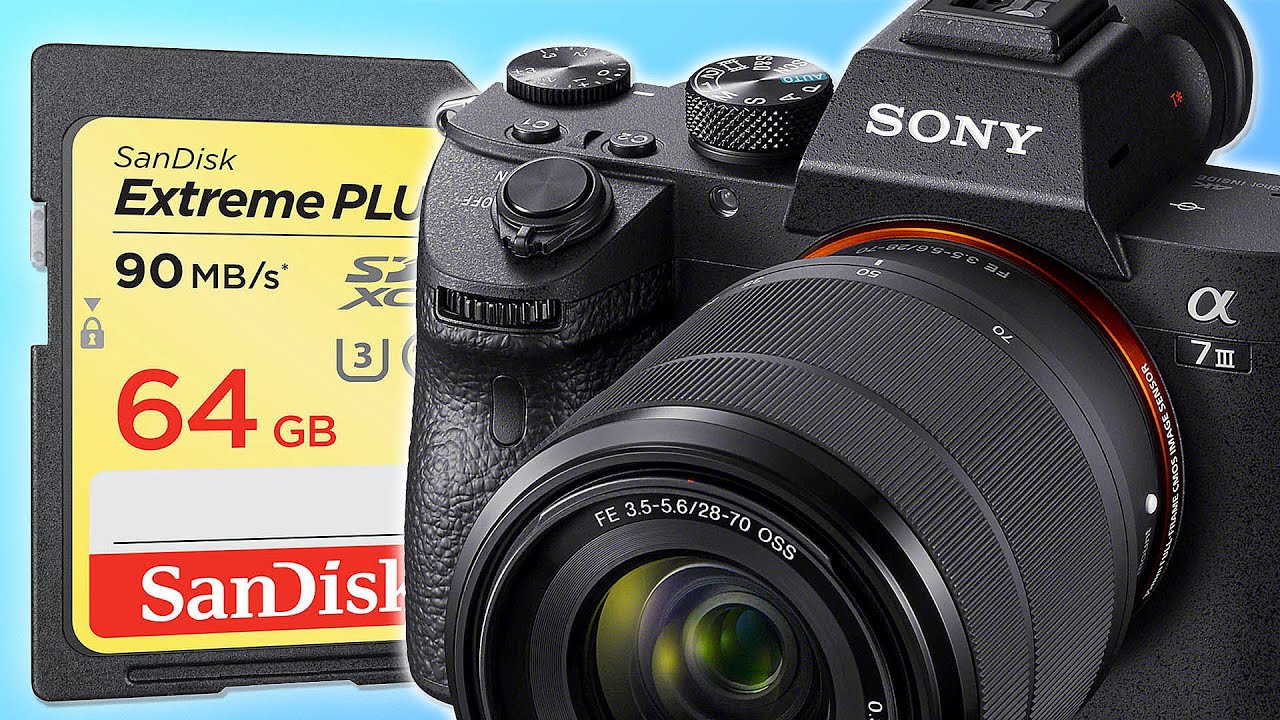
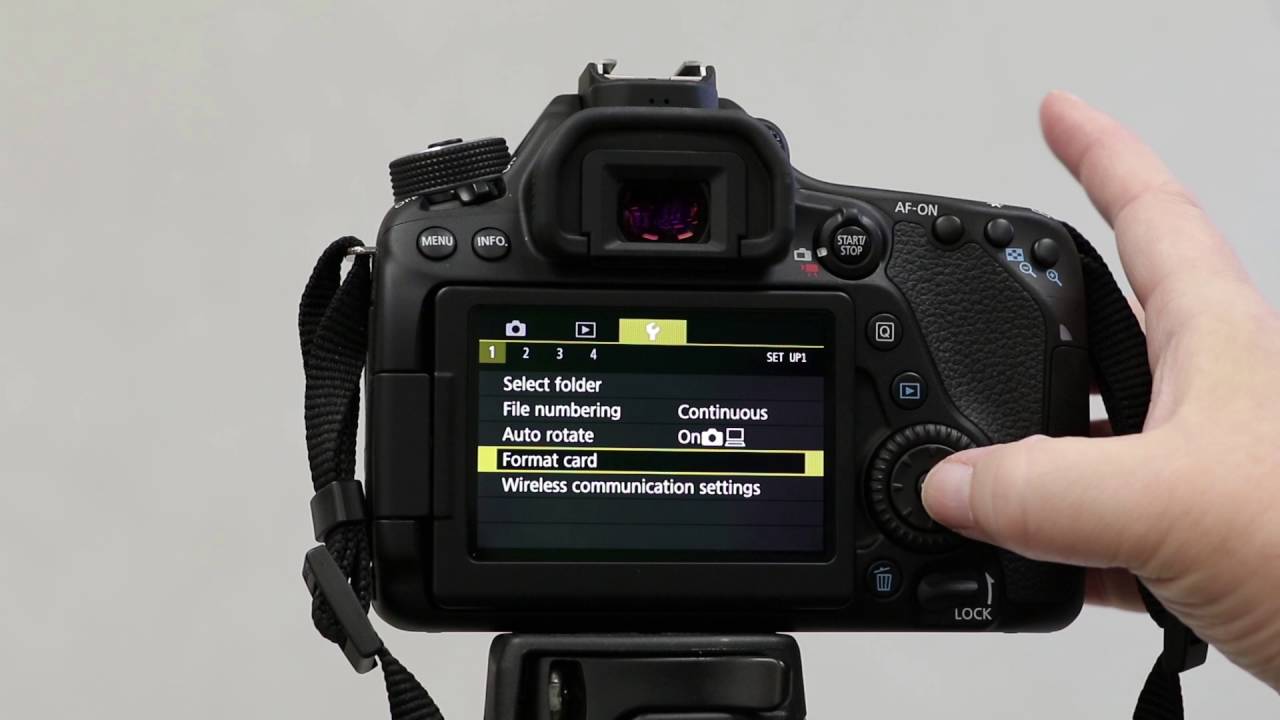
Most cameras offer an in-menu format option that's optimized for the device's file structure. Insert the card, turn on the camera, open the Menu, navigate to Setup or Settings, and select Format card or Format memory card, then confirm. Never turn off the camera or remove the card during the process, interrupting a camera format is a leading cause of card corruption. If you own a Sony mirrorless camera, this is the same method you'd use to format an SD card on a Sony a7III, see how to format sd card Sony a7iii for the exact menu steps, and for Canon shooters, the identical menu path works to format an SD card on a Canon camera.
Quick Format vs Full Overwrite: Which One Should You Choose?
Quick Format clears the file index, making the card appear empty and restoring normal performance, but the actual data remains on the card and can be recovered with data-recovery software. Full Overwrite (also called a low-level format) writes zeros or random data across the entire card, making all previous data unrecoverable, this is the right choice if you're selling, donating, or disposing of the card, or if it contains sensitive files. For everyday cleaning, a Quick Format is sufficient; reserve Full Overwrite for when data security matters more than speed.
What to Do If Formatting Fails
If formatting fails, first check the write-protect switch, a locked card will reject all format attempts, so slide it to the unlocked position and retry. If the card still won't format, it may be corrupted from a sudden power loss, device removal during a write, or physical damage; try a different card reader or a different device to rule out hardware issues. If the card remains unreadable, professional data-recovery services may be able to salvage data, but this is costly and not guaranteed, regular backups are your best protection against permanent loss.
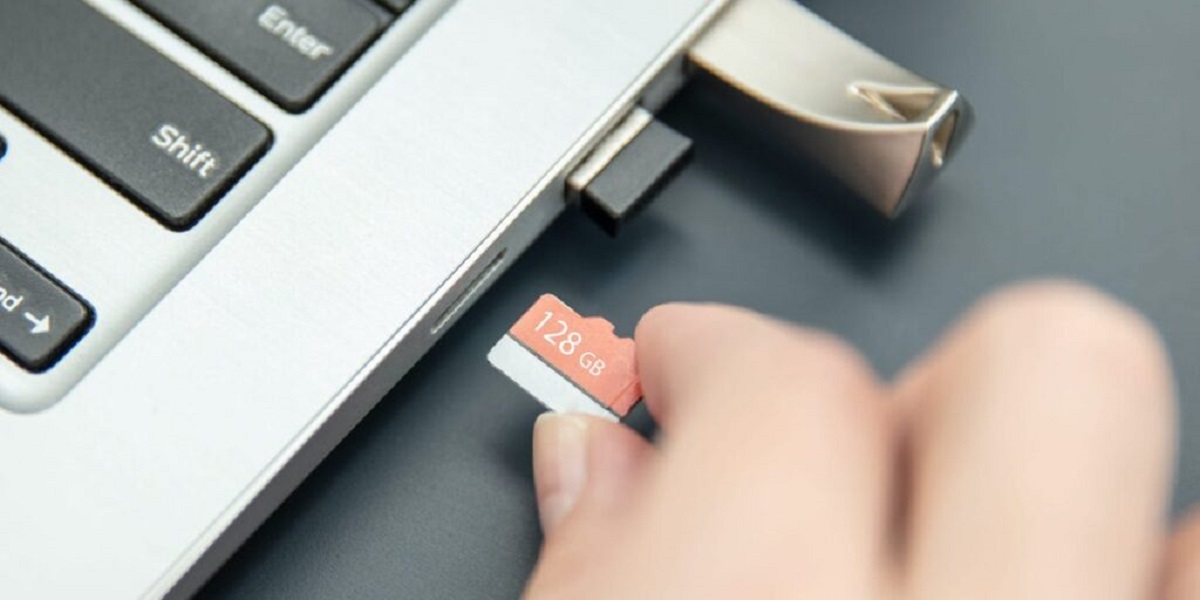
\nRelated reading: How To Insert SD Card Into Laptop.