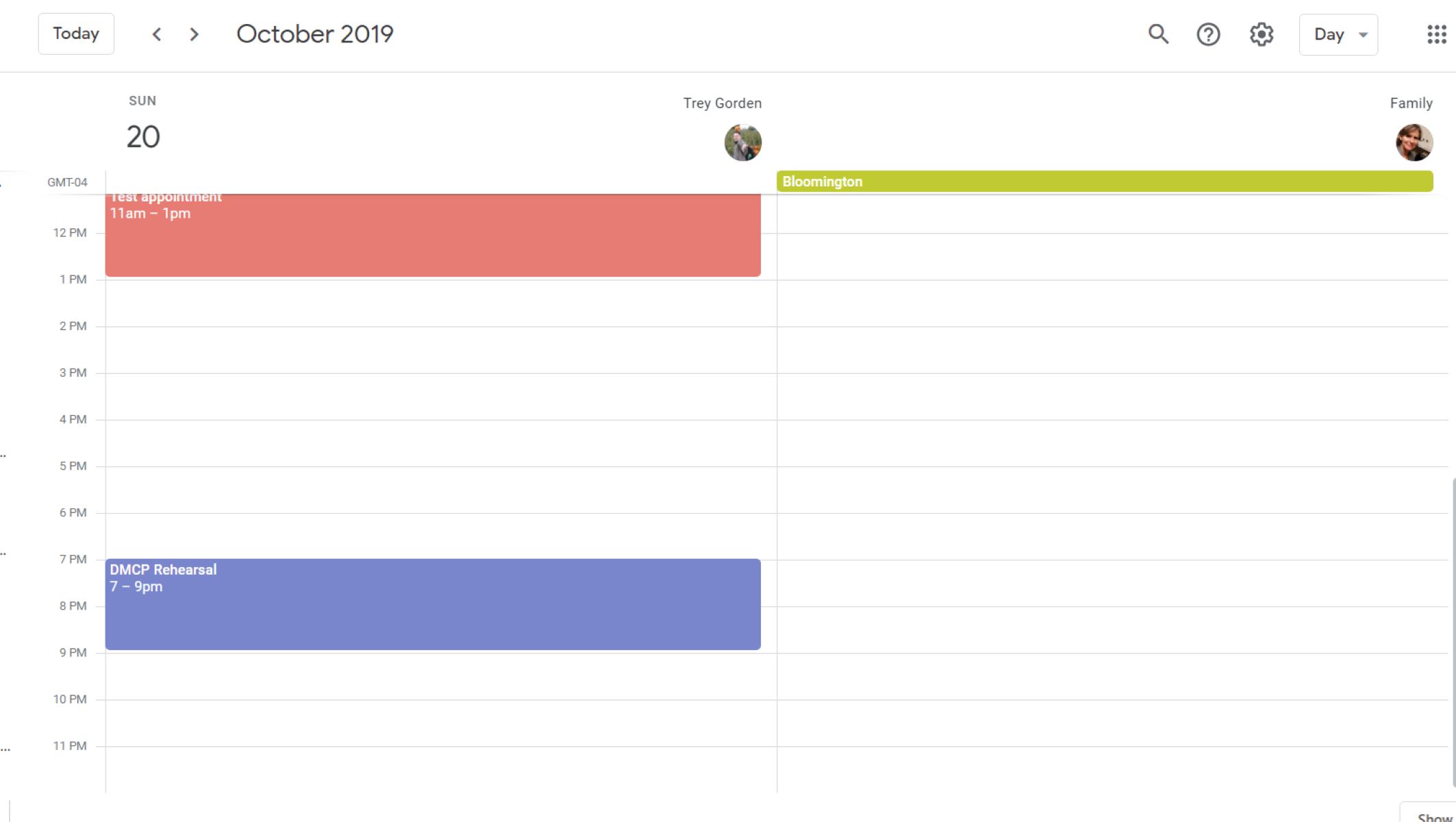
To add another calendar to Google Calendar, you have three main options: create a new calendar from scratch, subscribe to someone else's calendar, or import events from a file. However, you can only create a new calendar using a web browser, this feature is not available in the Google Calendar mobile app. If you're organizing your semester, you can also add class schedule to Google calendar to keep recurring lectures separate. Once added, you can add more categories in Google calendar to keep your new events visually organized.
Create a new calendar
Creating a new calendar is ideal when you want a blank slate for a specific purpose, such as separating work events from personal appointments. This calendar starts completely empty, so you will need to add events yourself.
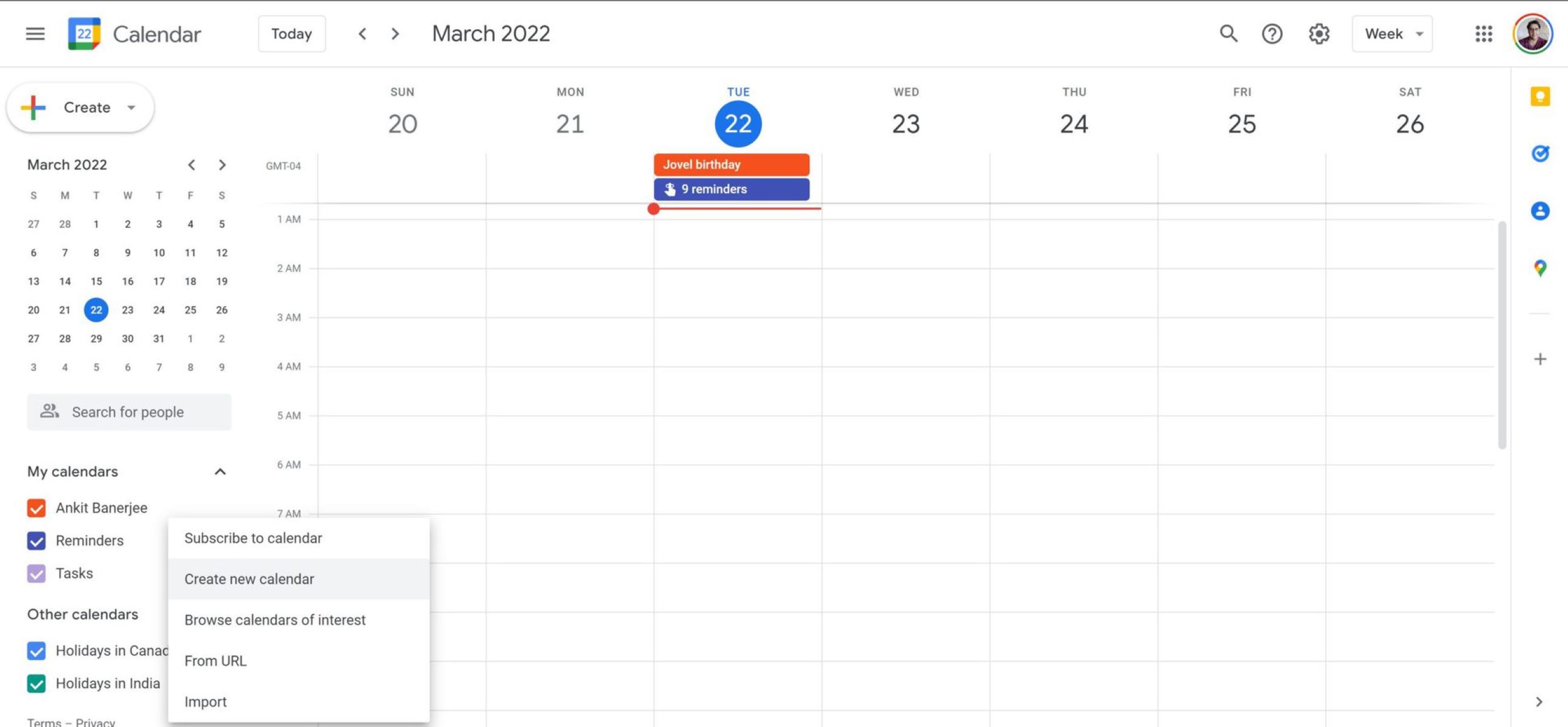
- Open Google Calendar in a web browser and sign in to your Google account.
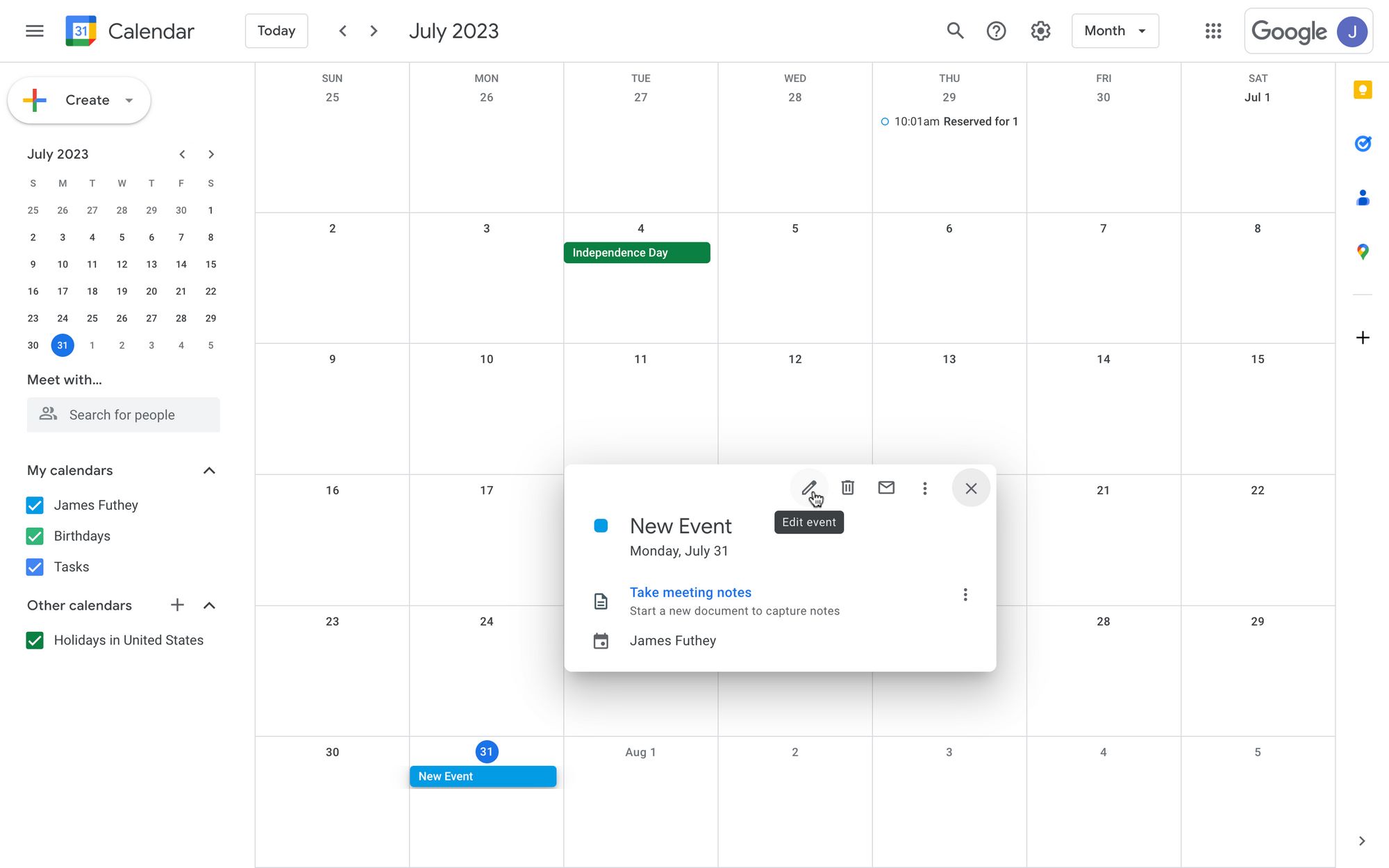
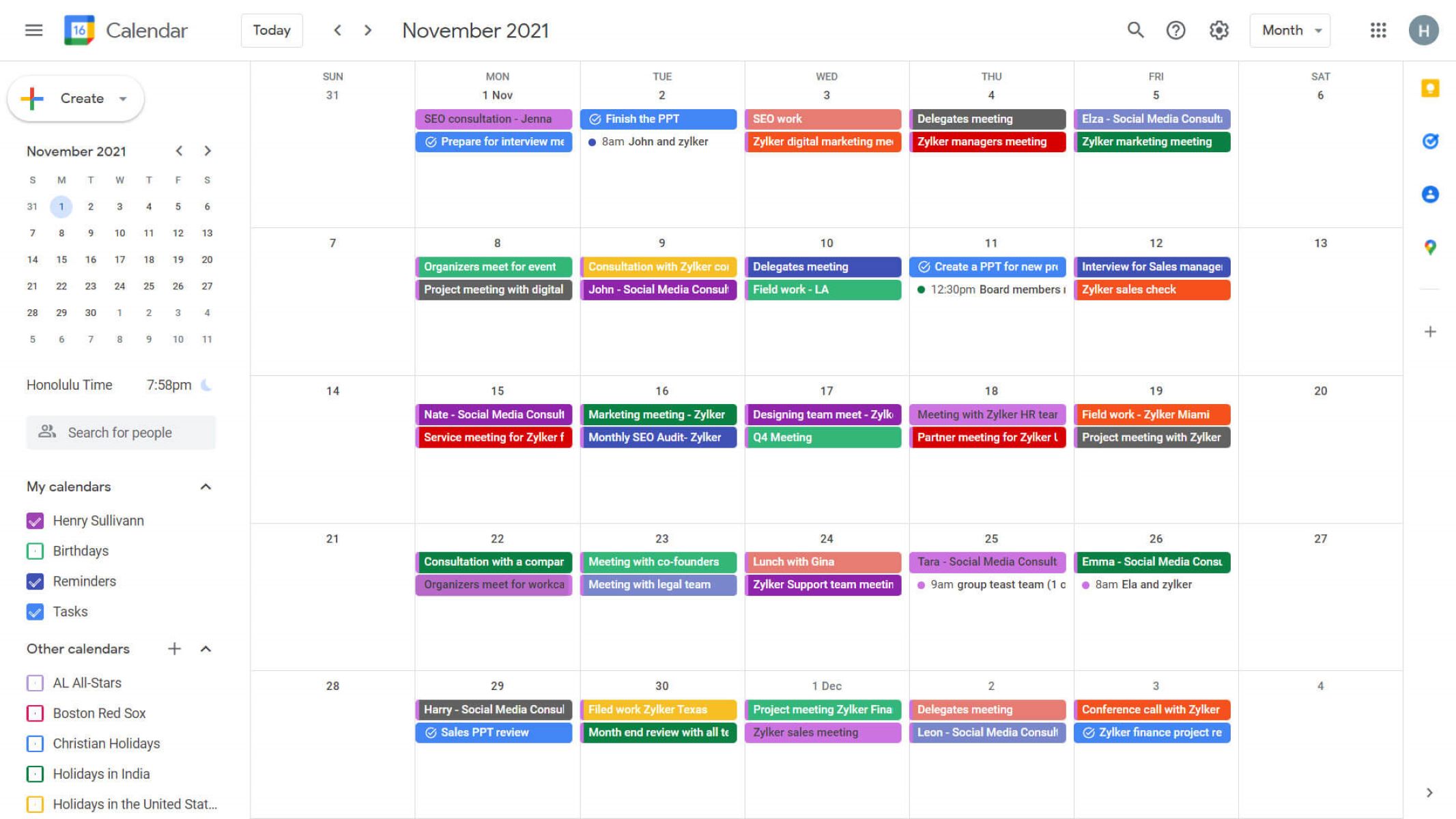
- In the lower-left corner, locate the "Other calendars" section.
- Click the "+" icon next to "Other calendars" and select "Create new calendar" from the dropdown menu.
- Enter a name for the calendar. This is the only required field, but you can also add an optional description and choose a time zone.
- Click "Create calendar." The new calendar will appear under "My calendars" on the left side of the screen.
If you make a mistake while creating events, you can quickly undo in Google Calendar by pressing Ctrl+Z (or Cmd+Z on a Mac) right after adding or changing an event.
Subscribe to someone else's calendar
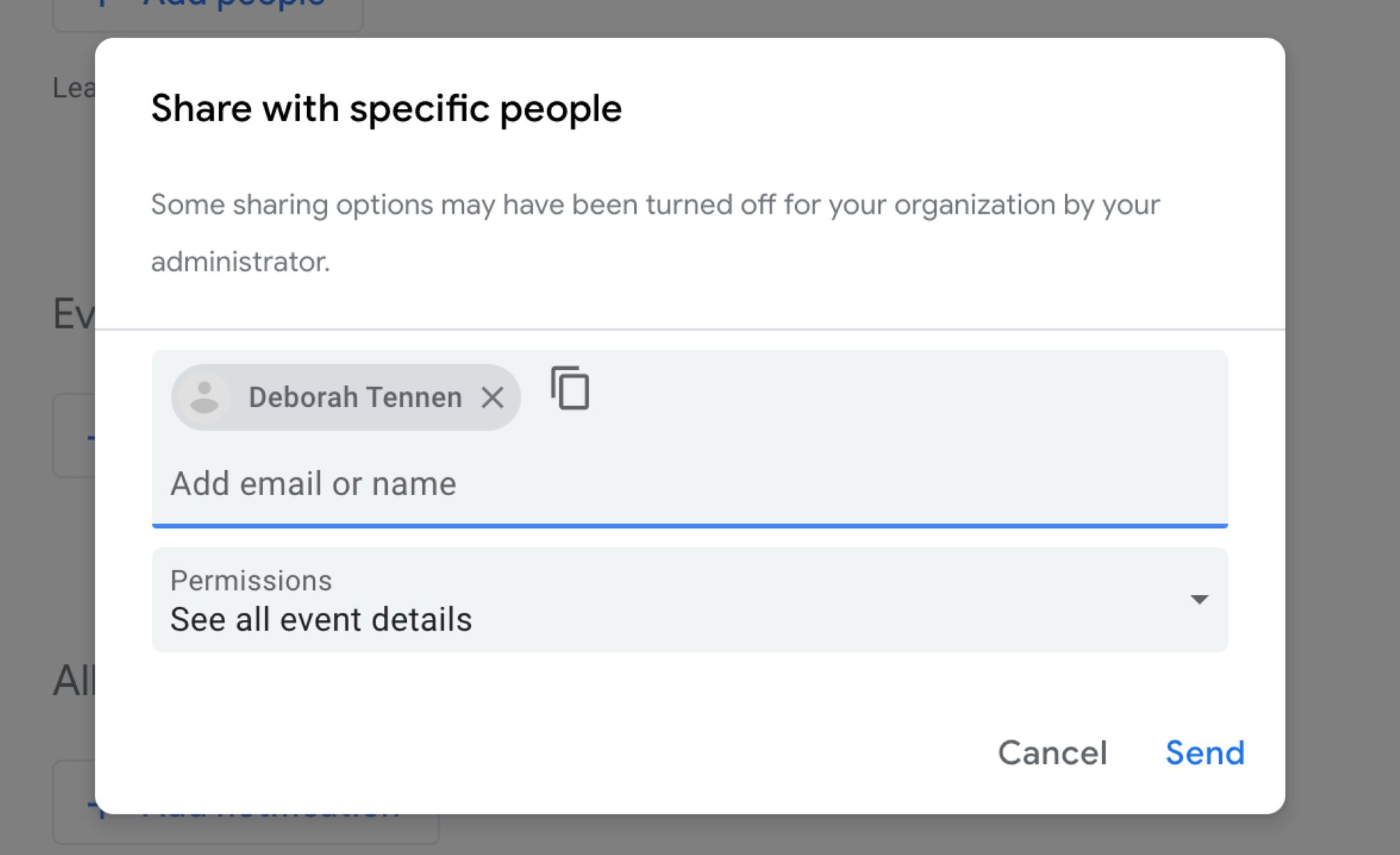
Subscribing to another person's calendar lets you view their events alongside your own. This is useful for coordinating with coworkers, family members, or teammates. You need their email address to request access.
- Open Google Calendar in a web browser.
- Click the "+" icon next to "Other calendars" in the left panel.
- Select "Subscribe to calendar" from the menu.
- Type the email address of the person whose calendar you want to add.
- Click "Request access." The calendar owner will receive a notification and must approve your request before you can see their events.
Once approved, the calendar will appear in your "Other calendars" list, and you can toggle its visibility by checking or unchecking the box next to its name.
Import a calendar from a file
Importing events from a file is the best method if you have a calendar exported from another service or an event schedule in .ics or .csv format. This saves you from manually entering each event.
- Open Google Calendar in a web browser.
- Click the gear icon in the top-right corner and select "Settings."
- From the left menu, choose "Import & Export."
- Click "Select file from your computer" and choose your .ics or .csv file.
- Select the destination calendar where you want the events to appear from the dropdown menu.
- Click "Import."
When importing a .csv file, Google Calendar requires specific column headers such as "Subject", "Start Date", and "Start Time". Note that .csv imports cannot handle recurring events; for recurring events, use the .ics file format instead.
Browse and add calendars of interest
Google Calendar offers a directory of pre-made calendars for holidays, sports teams, and other public events. Adding one of these is a quick way to stay informed without creating events manually.
- Open Google Calendar in a web browser.
- Select "Browse calendars of interest" from the menu.
- Browse through categories or use the search bar to find a specific calendar (for example, "US Holidays" or a sports league).
- Click on a calendar to see a preview of its events, then click the "Add" button to add it to your Google Calendar.
The calendar will appear under "Other calendars" and can be shown or hidden by checking or unchecking the box next to its name.
Calendar limits to keep in mind
Each Google Calendar can hold a maximum of 50,000 events, including future, past, recurring, and even deleted events. If you approach this limit, you may need to archive or delete old events to continue adding new ones. Additionally, if you create more than 60 secondary calendars in a short period, Google may temporarily throttle your ability to create more calendars, which can put your account into read-only mode for several hours. This limit is in place to prevent spamming, so it is best to create new calendars only when truly needed.