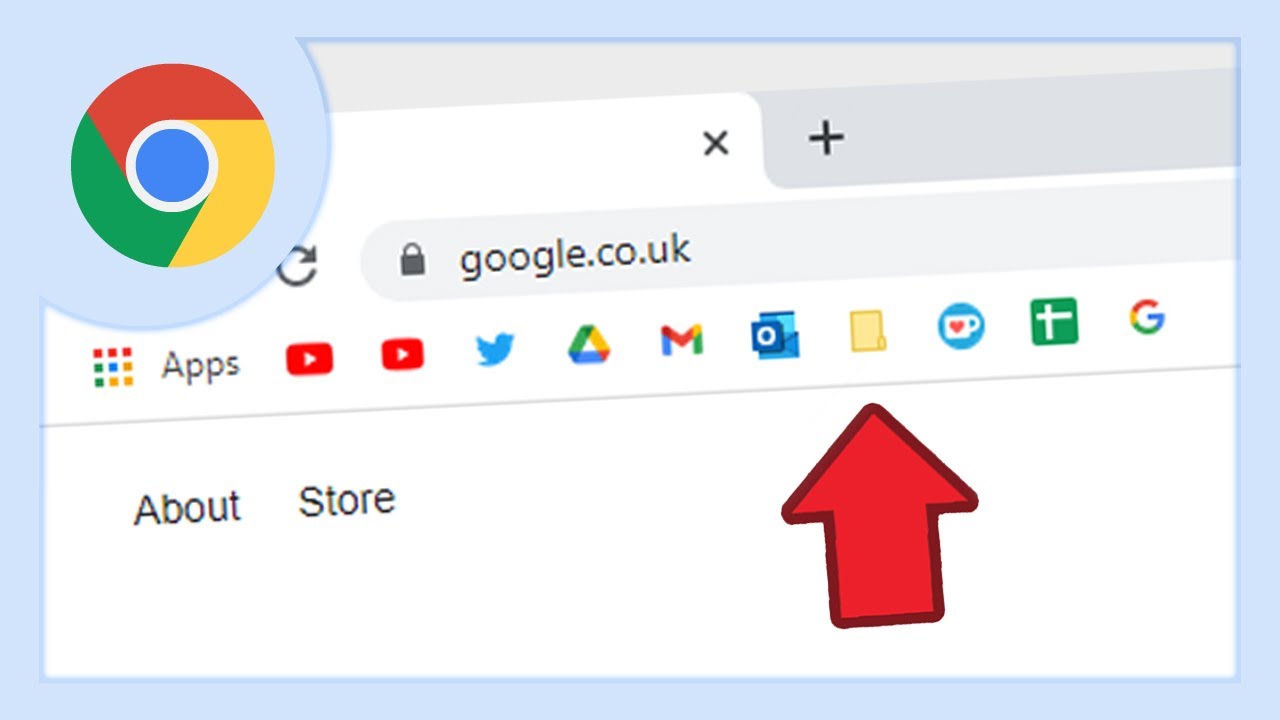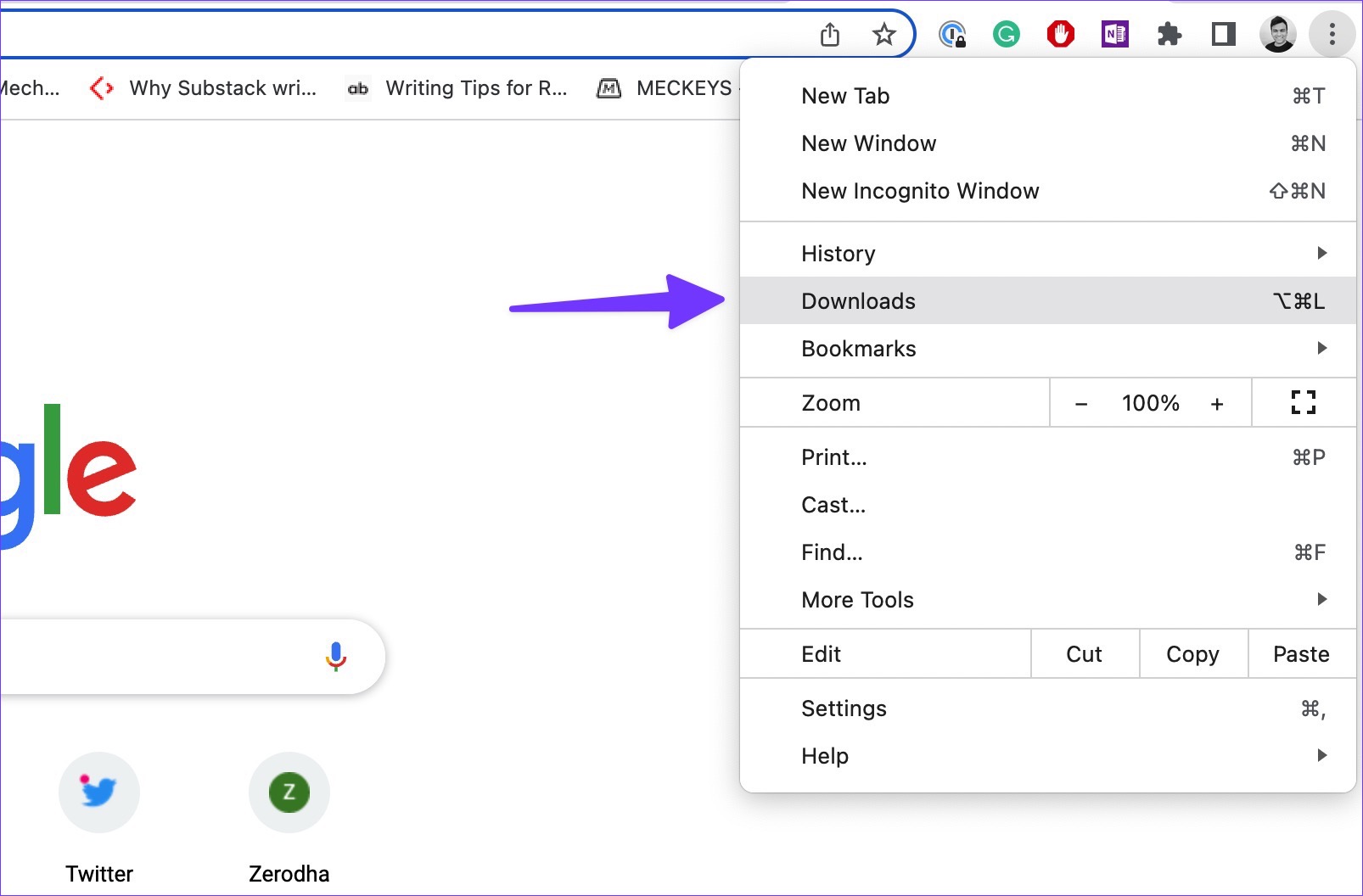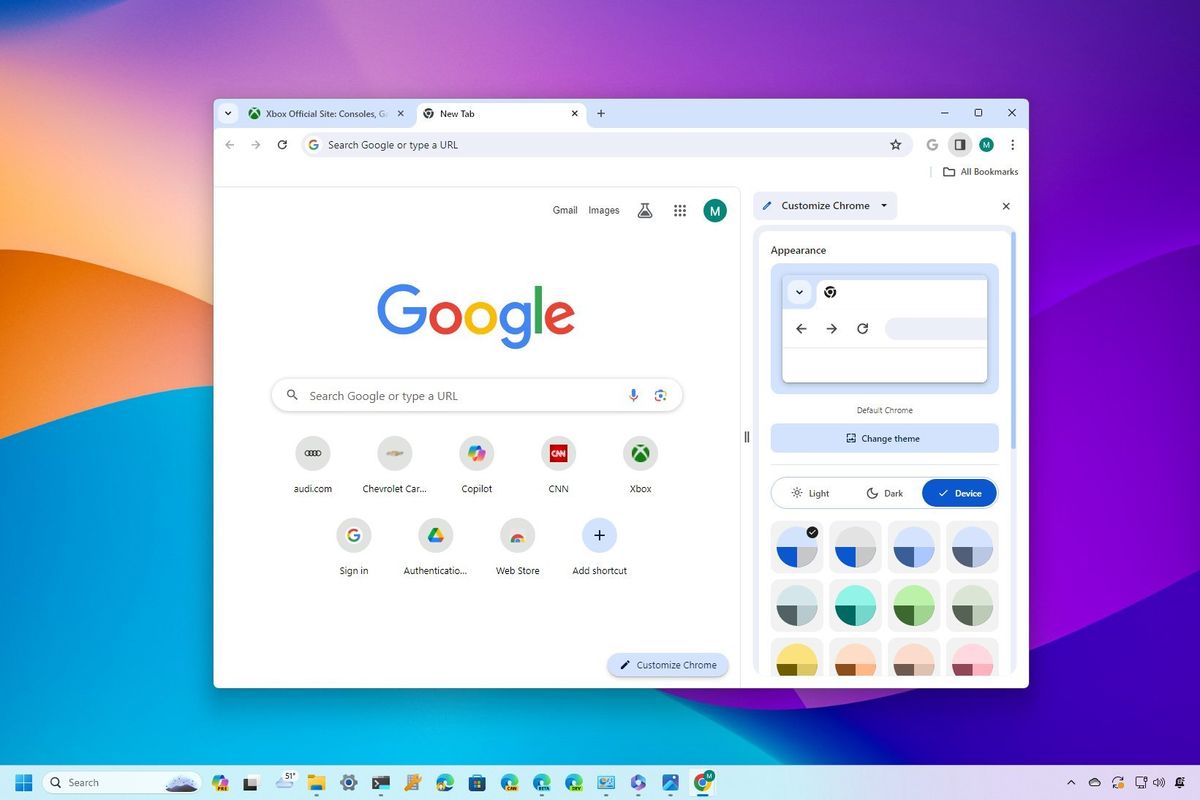
You cannot change the font size in the bookmarks toolbar in Chrome through a dedicated setting, but you can adjust your operating system's display settings to make the text larger. Because Chrome lacks a built-in option for this, the most reliable workarounds involve modifying how Windows handles text and scaling, which will affect the bookmarks bar along with other parts of your interface. If the text still feels cramped, you can also adjust browser window size to give the toolbar more visual breathing room.
Can you change font size in bookmarks toolbar in Chrome?
There is no direct, dedicated setting within Google Chrome to change only the font size of the Bookmarks Toolbar. Many users want to make the bookmarks bar text larger for better readability, especially on high-resolution displays or as their vision needs change. Since Chrome does not offer this control, you must use system-level adjustments in Windows or Chrome's overall zoom feature. These methods will change more than just the bookmarks bar, so it helps to understand exactly what each one does before you try it.
Method 1: Adjust Windows text size in accessibility settings
This method targets only the text size across your system, leaving icons and window sizes unchanged. It is the most precise way to enlarge the bookmarks toolbar font without making everything else on your screen bigger.
- Open Windows Settings.
- Go to Accessibility.
- Select Text size.
- Drag the slider to the right to increase the text size.
- Click Apply.
Adjusting the "Text size" slider in Windows Accessibility settings will increase the text size across the operating system, including system menus, apps, and browsers like Chrome, without changing icon or application window sizes. This means your bookmarks toolbar text will become larger while the rest of the browser interface stays the same size.
Method 2: Change display scaling in Windows
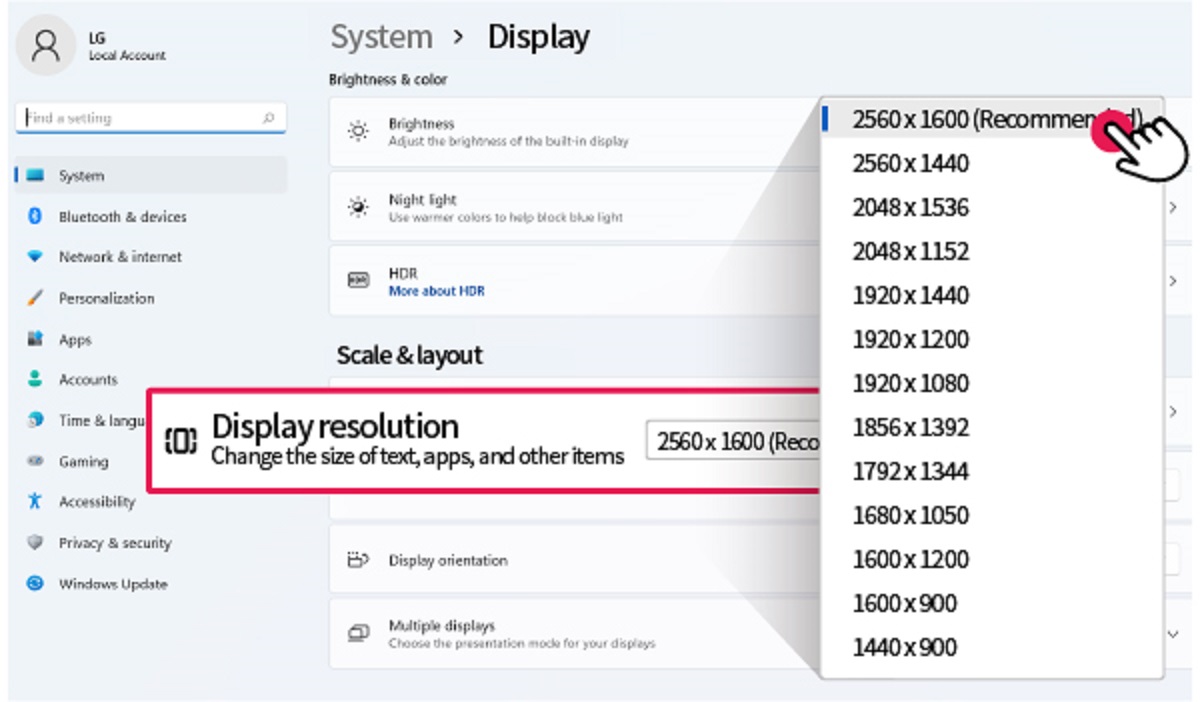
If you need everything on your screen to be larger, not just the text, changing the display scaling is the right approach. This affects the entire Chrome interface, including the bookmarks toolbar.
- Open Windows Settings.
- Go to System.
- Click Display.
- Under Scale & layout, choose a higher percentage (such as 125% or 150%).
Changing the display "Scale" setting in Windows will enlarge text, apps, and other items, affecting the Chrome bookmarks bar along with other elements on the screen. Be aware that this enlarges everything, not just text, so your entire desktop and all applications will appear bigger.
Method 3: Use Chrome's page zoom feature
Chrome's internal zoom setting can sometimes affect the browser interface, including the bookmarks toolbar. While results vary, it is worth trying before making system-level changes.
Go to Chrome Settings > Appearance > Page zoom and choose a higher percentage. You can also use the keyboard shortcuts Ctrl + + (Windows/Linux) or ⌘ + + (Mac) to increase zoom. While official Google Chrome Help documentation indicates that "Page zoom" and the Ctrl + / - shortcuts affect "everything" in Chrome, including the UI, many user reports suggest these controls primarily impact webpage content and do not effectively change the bookmarks bar font size. If you need a more reliable system-level adjustment, you can also increase tab size in Google Chrome to improve overall interface readability. Test it yourself, if it works, it is the quickest solution.
What doesn't work: Chrome's font size setting
Chrome's "Font size" setting under Settings > Appearance primarily affects the font size of webpage content, not the browser's user interface elements like the bookmarks bar. This is a common dead end for users trying to make the bookmarks toolbar larger. Adjusting this setting will only change how text appears on the websites you visit, leaving the bookmarks bar font exactly the same.
Final tips for applying display changes
After making changes to Windows display settings, it may be necessary to restart Chrome or sign out and back into Windows for the changes to fully apply. If the bookmarks bar text does not update immediately, close Chrome completely and reopen it. If that does not work, sign out of your Windows account and sign back in. For more ways to customize your browsing experience, consider resizing Chrome windows, tabs and fonts to find the combination that works best for you.