To make tabs bigger in Chrome, you need to adjust your operating system's display scaling or enable a hidden experimental flag, because Chrome has no direct "tab size" setting. The quickest fix for most users is increasing Windows display scaling, which enlarges the entire browser interface, including tabs.
Why you can't just make tabs bigger in Chrome
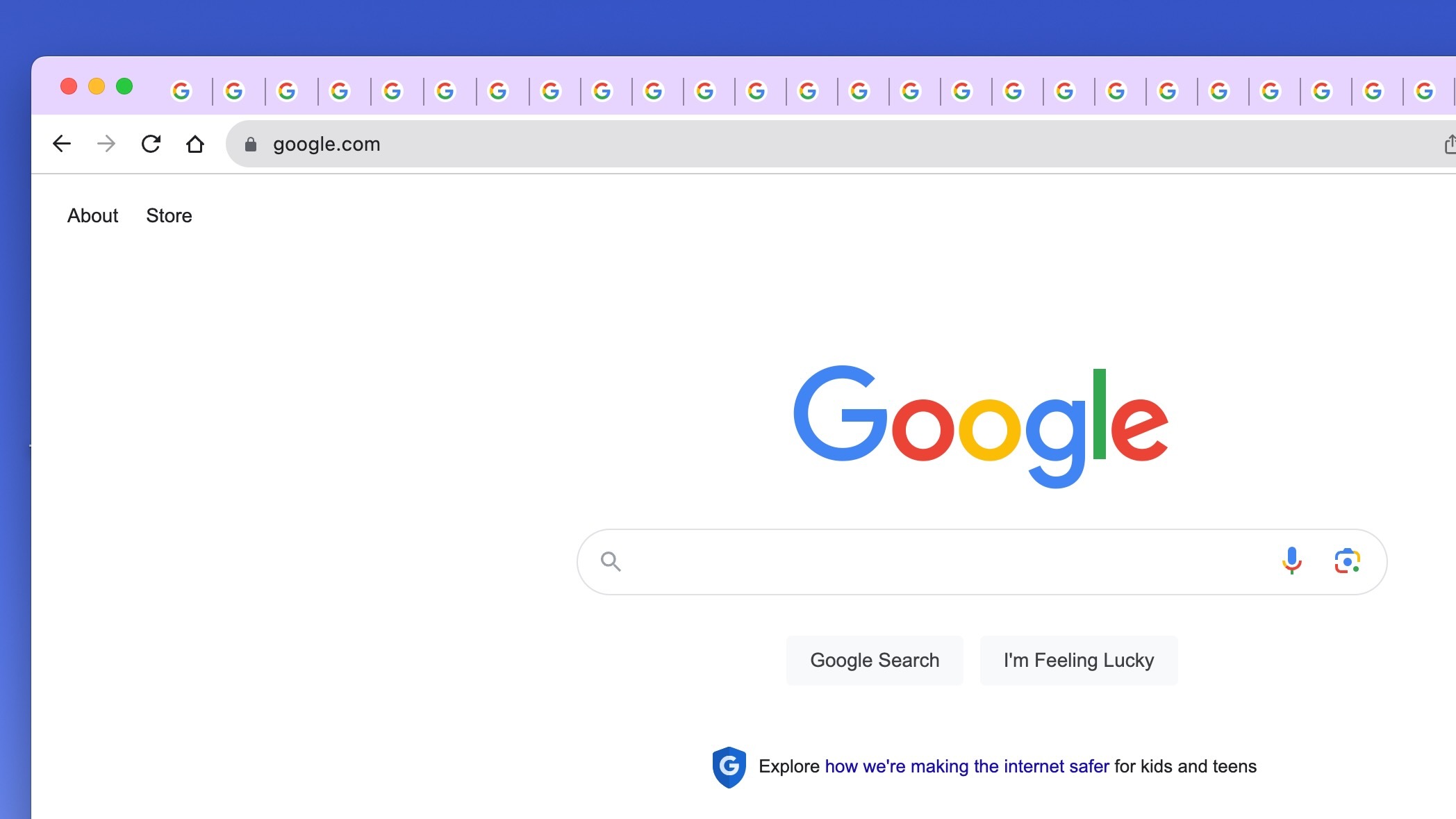
Chrome doesn't include a built-in setting specifically labeled "tab size." When you search for this option in Chrome's settings, you won't find it. The common suggestions you'll see, like Page Zoom or Font Size, only affect the content inside web pages, not the tab strip at the top of the browser. The tab strip's dimensions are controlled by the operating system's display scaling, which is why changing your screen's scale percentage is the most reliable way to enlarge tabs across the board.
Set a minimum tab width with the Tab Scrolling flag
If you frequently have many tabs open and they shrink to unreadable slivers, Chrome's experimental "Tab Scrolling" flag can help. This flag lets you define a minimum width for tabs, so they never get too small to click or read. Here's how to enable it:
- Type
chrome://flags/#scrollable-tabstripinto Chrome's address bar and press Enter. - Locate the "Tab Scrolling" flag in the experimental features list.
- Click the dropdown menu next to it and select an option. For larger tabs, choose "Enabled - tabs shrink to large width" or "Enabled - tabs don't shrink" to keep tabs at their full size regardless of how many are open.
- Click the "Relaunch" button at the bottom of the page to restart Chrome and apply the change.
After relaunching, your tabs will maintain a minimum width, making them easier to identify and click even when you have dozens of tabs open. This flag is particularly useful if you're working on a high-resolution display where tabs naturally appear smaller.
Increase your operating system's display scaling
The primary factor influencing tab size in Chrome is your operating system's display scaling. On Windows 11, you can adjust this in two ways. First, go to Settings > Accessibility > Text size and use the "Make text bigger" slider. This enlarges text across all applications, including Chrome tabs, and is a good option if you only need slightly larger labels. For a more comprehensive change, go to Settings > System > Display > Scale and choose a higher percentage, such as 125% or 150%. This scales the entire interface, not just text, so tabs, icons, and menus all become larger. This is the most effective method for making tabs bigger in Chrome because it addresses the root cause rather than applying a temporary workaround. Note that this also affects other applications, so you may need to find a balance that works for your entire desktop. If you're struggling with touch targets on a tablet, you might also want to make my keyboard bigger for easier typing, or get my Facebook page back to normal size on my tablet if that app is also displaying incorrectly.
Use page zoom as a temporary workaround
While page zoom doesn't change tab size, it can make a crowded tab strip easier to parse visually. Press Ctrl and + (or ⌘ and + on Mac) to zoom in on the current webpage. This enlarges all content on the page, which can indirectly help you read tab titles if you're focusing on one tab at a time. However, this zooms everything, images, text, buttons, so it's not a targeted solution. It's a quick fix if you need a temporary boost in visibility without changing system settings. For a permanent solution, combine this with the display scaling method above, or use the Tab Scrolling flag to prevent tabs from shrinking in the first place. Keep in mind that page zoom applies per-tab, so you'll need to adjust it for each site you visit unless you set a default zoom level in Chrome's Appearance settings.
For the wider topic, see resizing Chrome windows, tabs and fonts.