To download Wayback Machine videos, your first move should always be to check for the official download option on the item's page; it's the most reliable method and works for most archived files.
If that option is missing, you'll need to troubleshoot playback errors or fall back to a screen recorder, browser extension, or command-line tool as secondary solutions.
Check for the official download wayback machine videos option
When an item in the Internet Archive is downloadable, you'll see a "DOWNLOAD OPTIONS" box on the right side of the page. This box lists all available file formats for that item, from original uploads to derived versions like MP4 or MP3. To download a single file, click "SHOW ALL" at the bottom of the box to expand the full list, then select the specific file you want. You can either view it in your browser or download it directly.
For bulk downloads, click the download icon next to a format option. If that format contains multiple files, the archive will prompt you to save a ZIP file containing all of them. If there's only one file in that format, it will either open in your browser (for example, a PDF) or download directly if the format doesn't render in the browser (such as ePub). At the bottom of the "DOWNLOAD OPTIONS" section, you'll also see links like "110 Files" or "24 Originals", clicking these downloads all available files or all original source files, respectively.
When download options are missing or restricted
Not every item in the Internet Archive is downloadable. Some files have access restrictions, such as books in the lending program, which require borrowing through a controlled interface rather than direct download. Certain file formats may also be unavailable for direct download due to technical constraints. If you don't see a "DOWNLOAD OPTIONS" box at all, the item is likely restricted or the uploader chose to disable downloads.
For videos specifically, the archive prefers uploaders to submit the highest quality format available, and the system automatically creates smaller file sizes and formats. MPEG2 files have generally been the easiest type for the archive to process, so if you see an MPEG2 option, that's often the most complete version. However, even when a video is streamable, that doesn't guarantee a direct download link exists for every derived format, you may need to try different formats listed in the download box. If you need a more reliable method for modern platforms, you can download YouTube videos ss with a dedicated tool that bypasses these archival format limitations.
Troubleshooting playback and download errors
If you encounter a "Media not playable" error, the file may be corrupt, have an incorrect format extension, be named improperly, or the issue could be browser-specific. Trying a different browser often resolves the problem. Before giving up on a download, attempt to play the file in another browser or use the download link directly instead of the streaming player.
For MP4 files to work in the online player, they currently require audio: AAC, video: h.264, moov atom: front, and pixel format: yuv420p. If these specifications aren't met, the archive will derive a new MP4 with the suffix ".ia.mp4" that meets these requirements. If you're downloading an MP4 that doesn't play correctly, look for the ".ia.mp4" version in the download options, or download the original file and play it locally.
For offline playback of downloaded video files, free players like Quicktime and VLC Media Player are recommended. VLC is particularly useful because it handles a wide range of codecs and file formats. If you prefer to stream a video directly from the archive without downloading it first, open VLC, go to "File" under the "Media" tab, select "Network Stream Option," and paste the URL of the file from the Internet Archive. This approach bypasses browser codec limitations entirely.
Fallback method: screen recorder
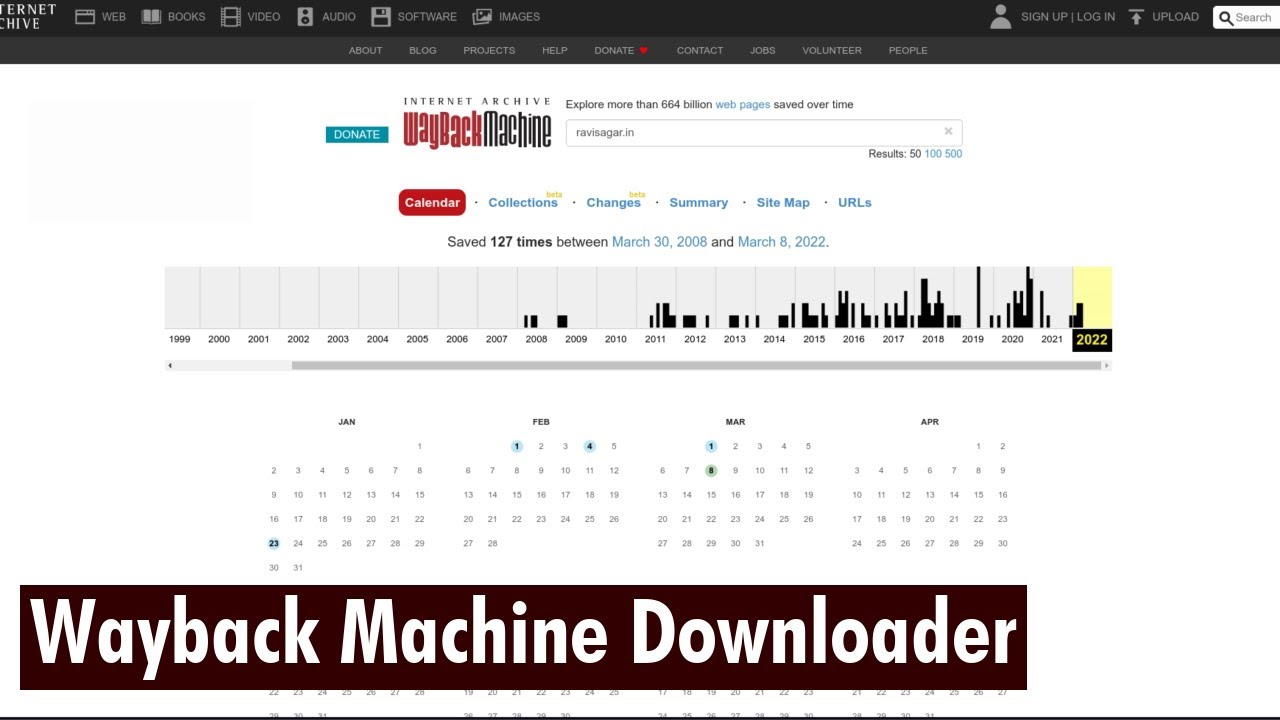
When no direct download exists and the video streams in your browser, a screen recorder is your most reliable fallback. This method captures the video playback in real time, so you get exactly what appears on your screen. Start by navigating to the Wayback Machine page containing the video and selecting the snapshot or date range you need. Once the video loads and is ready to play, launch your screen recording software, options include OBS Studio, QuickTime Player on macOS, or built-in Windows tools, and set the capture area to cover the video player.
Adjust the recording settings, particularly the audio input, to ensure you capture sound along with the video. Press record, then play the video. When playback finishes, stop the recording and save the file. The quality of the recorded video depends on your screen resolution and the recording software's settings, so it will likely be lower than the original file. This method also requires you to watch the video in real time, which can be time-consuming for longer content. If you need a higher-quality copy or want to automate the process, consider the alternative tools below.
Alternative tools: browser extensions, online downloaders, and command line
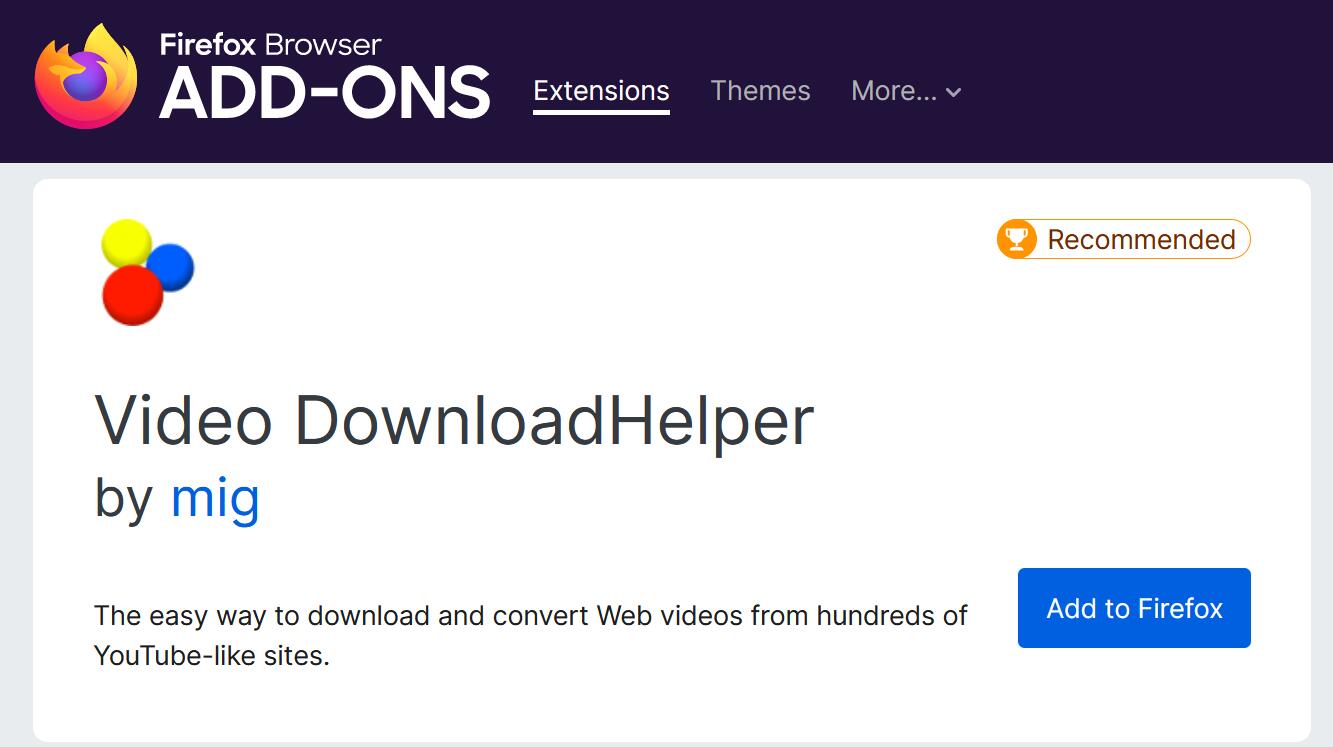
Browser extensions add download functionality directly to your browser. After installing a reputable extension like Video DownloadHelper for Firefox or Video Downloader Professional for Chrome, navigate to the Wayback Machine page, play the video, and click the extension icon in your toolbar. The extension will detect the video stream and offer download options. Be cautious when installing third-party extensions, only use trusted sources to avoid security risks, and check that the extension supports the specific video format on the page.
Online video downloaders are web-based tools that generate download links from a video URL. Copy the URL of the Wayback Machine video, paste it into the downloader's website, and select your preferred quality and format. These services eliminate the need to install software, but they may not support all sites or formats, and some display ads or prompt you to install additional software. If you're looking for a curated list of reliable services, search for "online video downloaders you should be using now" to find options that have been vetted by other users.
Command-line tools like youtube-dl, wget, or curl offer the most control and are ideal for bulk downloads. To use this method, install the tool, open your terminal or command prompt, navigate to your desired save directory, and run the appropriate command with the video URL. For example, youtube-dl supports many sites and can extract video streams from archived pages. This approach requires basic command-line familiarity, but it's powerful for downloading multiple files or automating the process. Check the tool's documentation for specific syntax and options, and ensure the tool you choose supports the Wayback Machine's URL structure.
For the wider topic, see download videos.