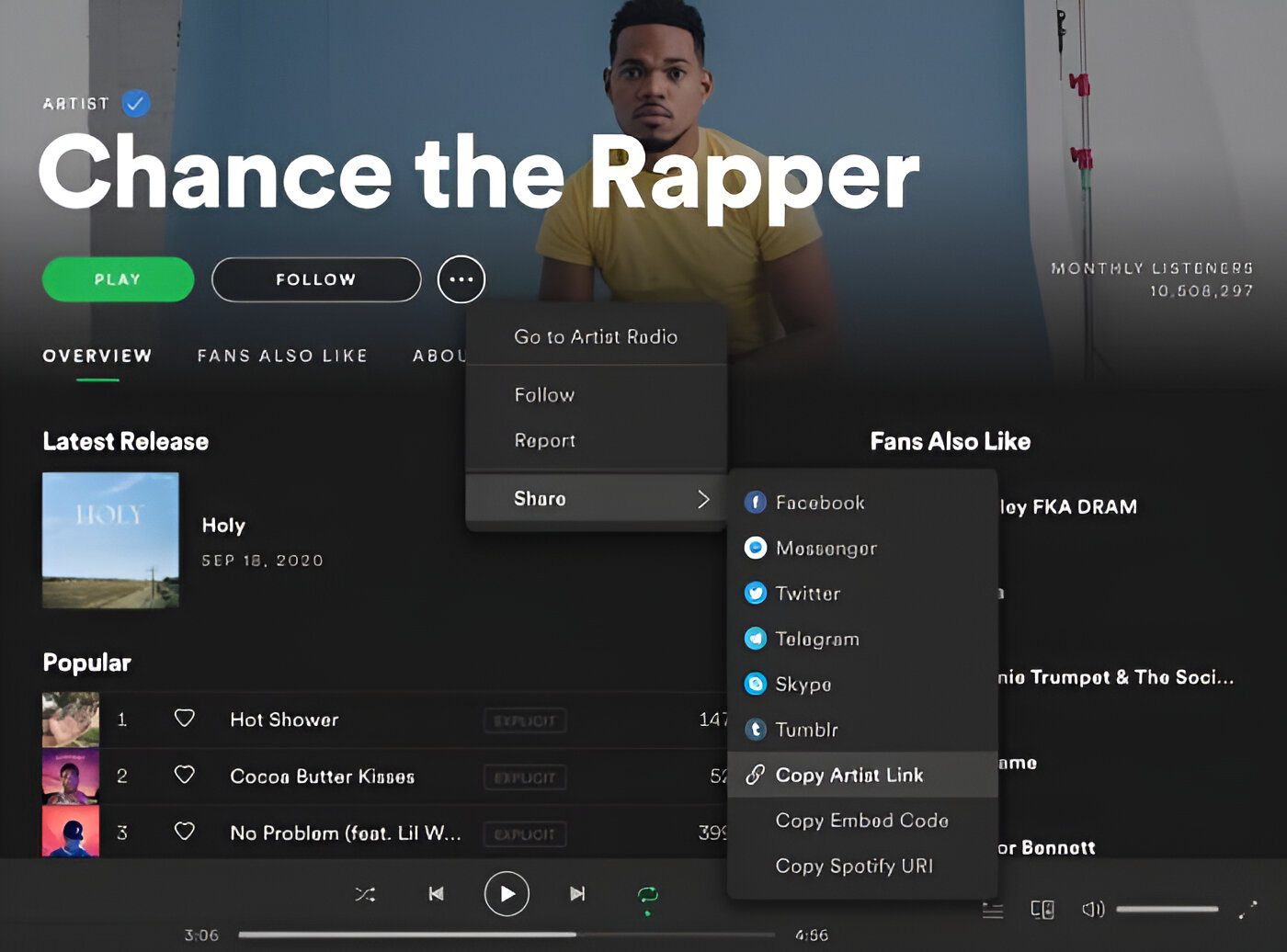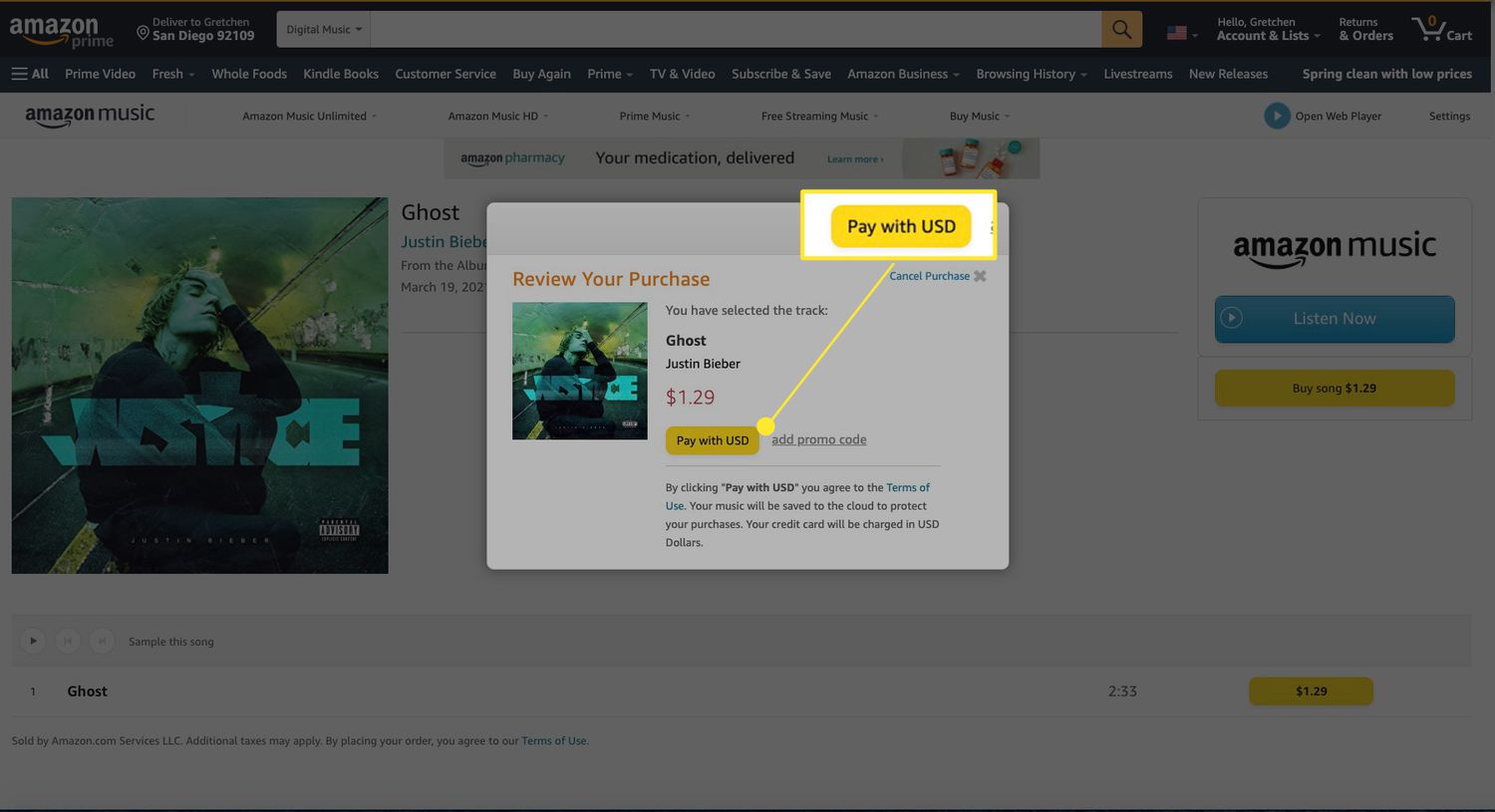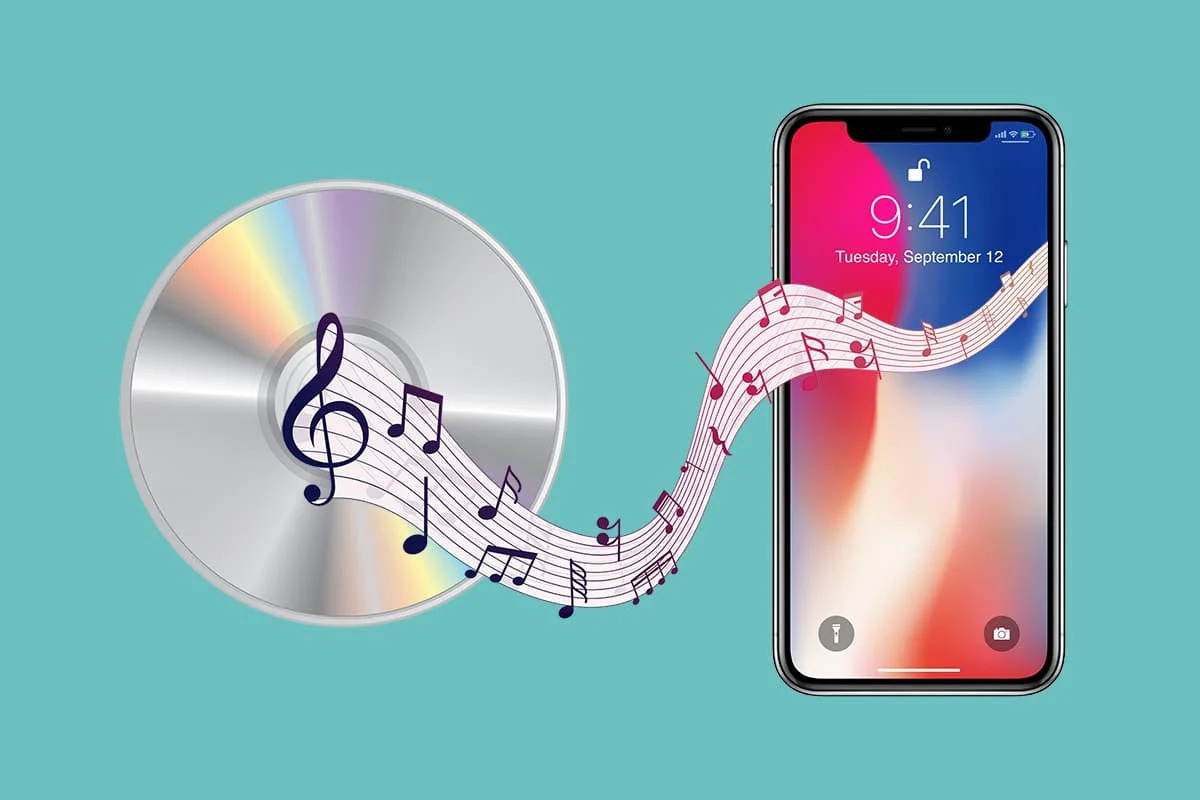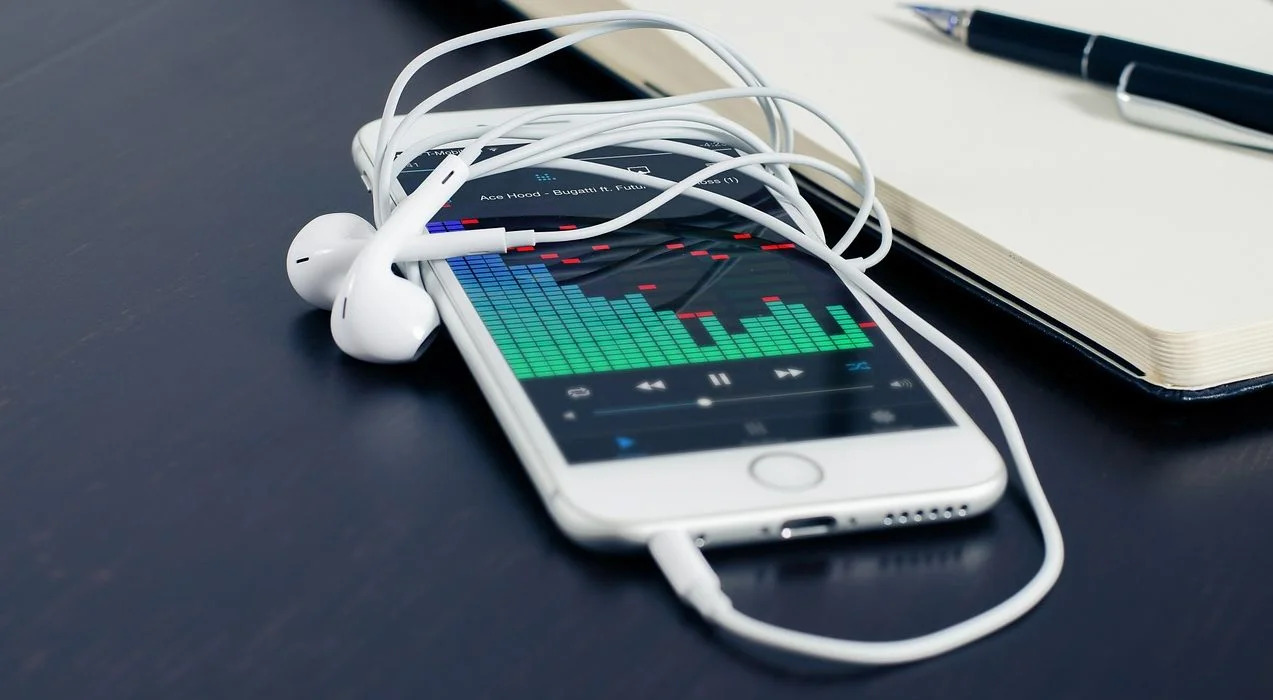
To download music from YouTube to iTunes, you need to obtain an audio file in a format iTunes can read, usually MP3, from a source that legally permits downloading, then import that file into your library. The fastest legal path is to skip YouTube entirely for files you want in iTunes, but if you're set on YouTube content, your options are sharply limited by YouTube's rules and Apple's software.
Is it legal to download music from YouTube to iTunes?
Before anything else, know this: YouTube's Terms of Service prohibit downloading any content unless YouTube itself provides an official download link or you have written permission from YouTube and the rights holders. Third-party converters and downloaders violate those terms, and using them can expose you to malware, copyright liability, and account termination. The only officially sanctioned way to download from YouTube is a paid YouTube Premium subscription, which lets you save videos and music for offline use inside the YouTube and YouTube Music apps, but those downloads are locked and cannot be exported as MP3 files to iTunes or any other app.
The official way: YouTube Premium and its limits
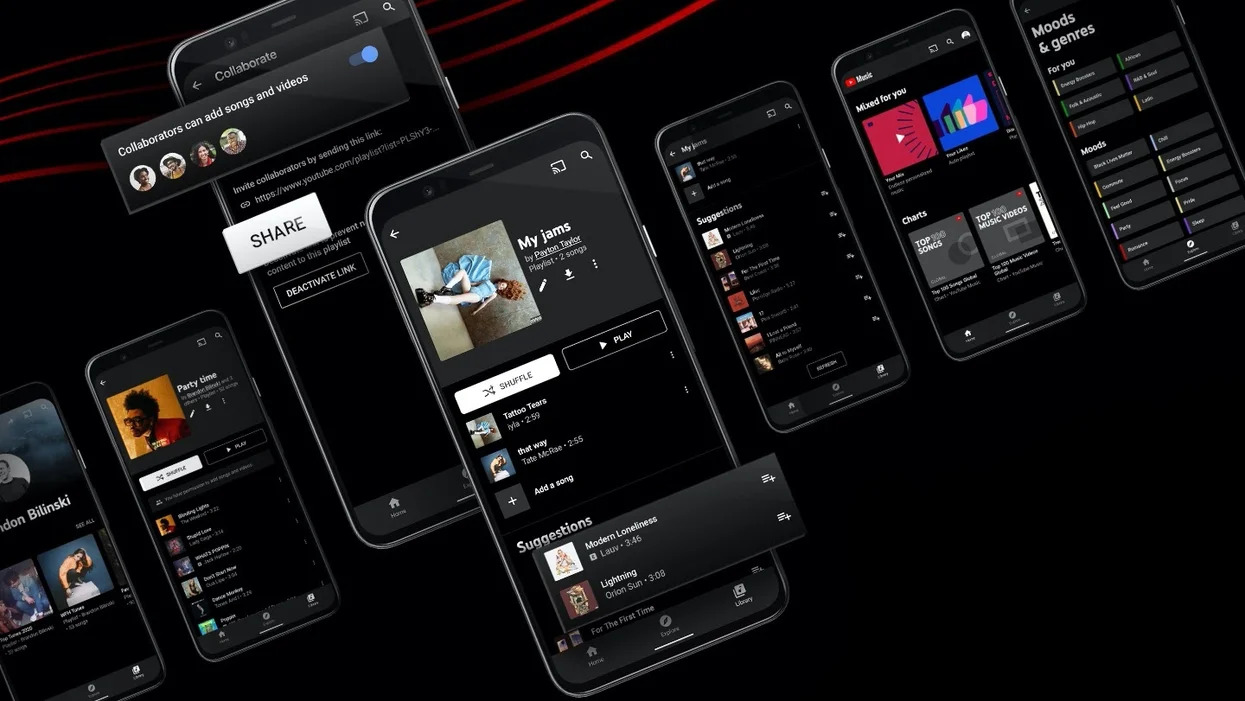
YouTube Premium and YouTube Music Premium subscriptions allow offline listening and viewing within their respective apps. That means you can download entire playlists or individual tracks for offline playback while traveling or when you have no signal. However, these downloads are not provided as transferable standalone audio files. You cannot locate them on your computer's hard drive, copy them to a USB stick, or drag them into iTunes. They exist only inside the YouTube ecosystem, encrypted and tied to your account. If you cancel your subscription, those offline files disappear. So if your goal is to have a permanent MP3 in your iTunes library, YouTube Premium does not solve that problem.
How third-party converters work (and the risks)
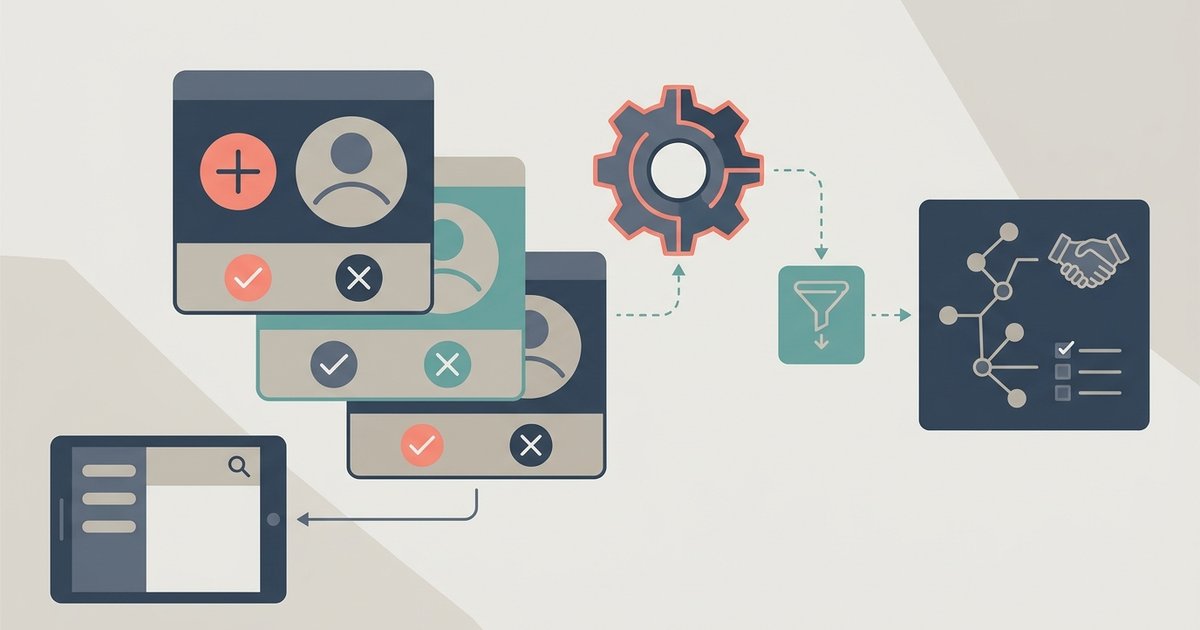
Despite the legal and security issues, many people still use third-party tools. The basic process is the same across online converters and desktop software: you copy a YouTube video's URL, paste it into the converter, choose an output format like MP3, and download the resulting audio file. Desktop programs often add batch downloading, video extraction, and format conversion features. But every one of these tools operates outside YouTube's rules. They can serve malicious ads, bundle unwanted software, or inject malware into the downloaded files. They also infringe copyright when the music is not yours to copy. Using them risks your computer's security and your YouTube account. The original article's methods, online converters, video downloaders, and mobile apps, all fall into this category, and none of them are recommended.
How to legally get music files for your iTunes library
If you want music in iTunes, the cleanest sources are ones that give you an actual file you own. The iTunes Store (now part of the Apple Music app) sells individual songs and albums as DRM-free files you can download to any device. You can also rip CDs you own, this is perfectly legal for personal use. Many artists and labels offer free, sanctioned downloads of tracks or entire albums on their own websites or platforms like Bandcamp, where musicians set the price (often including a $0 option). Some independent artists release music under Creative Commons licenses that explicitly allow downloading and personal use. When you get a file from any of these sources, you have full control over it, and you can add it to iTunes without violating any terms.
How to add any audio file to your iTunes or Music app
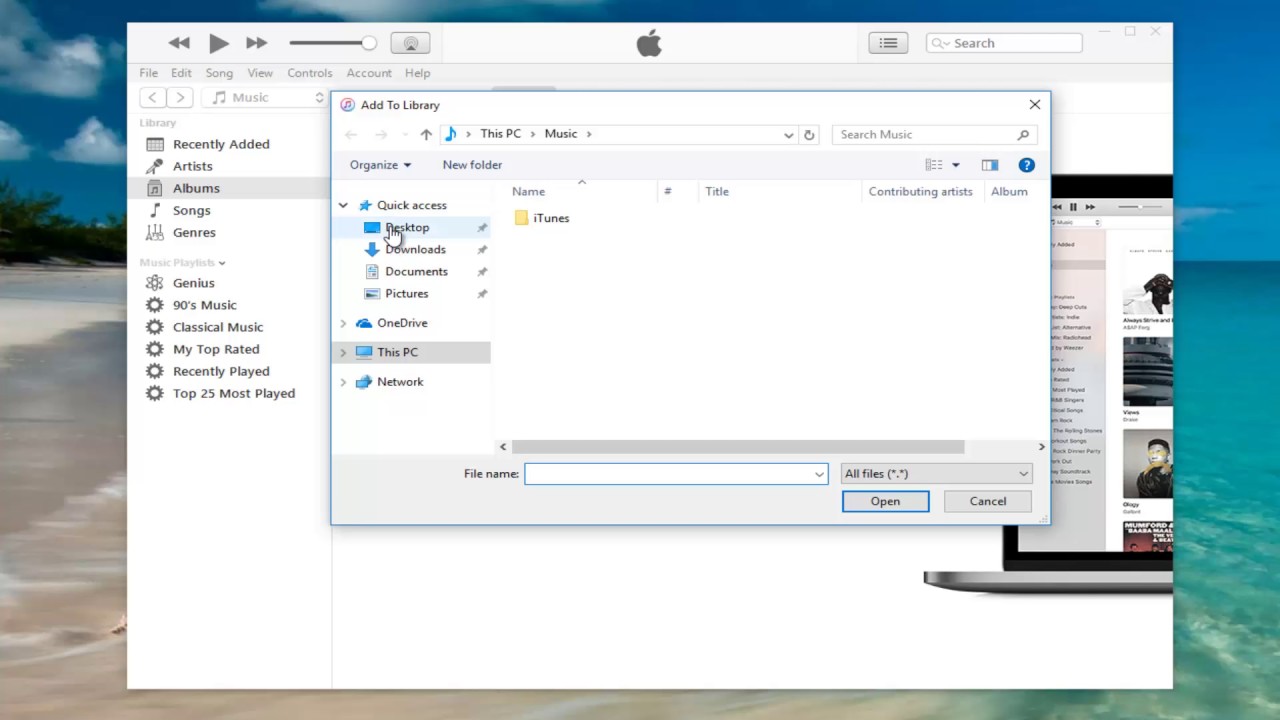
Once you have a legal MP3 or other compatible audio file on your computer, adding it to your library takes seconds. On a PC, open the iTunes app. From the menu bar, choose "File," then select "Add File to Library" or "Add Folder to Library." Locate the audio file or folder you downloaded, select it, and click "Open" or "Select Folder." Alternatively, you can drag and drop the file or folder directly into the iTunes window. On a Mac, the Music app (which replaced iTunes for music) works the same way: open the Music app, choose "File" from the menu bar, then select "Add To Library" or "Import." Find your file, click "Open," and it appears in your library. You can also drag and drop files from the Finder directly into the Music app window.
How to configure iTunes to use the MP3 format
If you're ripping CDs or converting files within your library, you may want to change the default import format. On a PC, iTunes defaults to AAC, but you can switch to MP3 Encoder. Go to "Edit" > "Preferences," click "General," then click "Import Settings." From the "Import Using" pop-up menu, choose "MP3 Encoder." This setting applies to future CD rips and any conversions you perform inside iTunes. If you're adding already-downloaded MP3 files, this setting doesn't affect them, they stay in their original format. But if you want to keep your library uniform or need MP3 for compatibility with older devices, this change is essential.
For those wondering about the best audio format for iPhone music quality vs file size, MP3 at 256 kbps offers a good balance, while AAC at 256 kbps is Apple's native choice and often sounds slightly better at the same bitrate. If you have high-end headphones, consider Apple Lossless, but know that it uses significantly more storage. The right choice depends on your listening setup and how much space you have. For everyday listening on earbuds, 256 kbps AAC or MP3 is indistinguishable from the original CD to most ears.
If you need to download iTunes to iPhone, you don't need to download iTunes itself; the Music app is built into iOS, and you can sync purchased music from your computer wirelessly or with a cable. To download purchased music from iTunes to my computer, open the Music app or iTunes on your PC, go to your library, and select "Download" next to any purchased item you haven't saved locally. And if you're trying to download YouTube songs to Apple music, the only legitimate route is to find the same track on Apple Music and add it there, YouTube's files cannot be moved into Apple's ecosystem legally. Stick with legal sources, and your iTunes library stays safe, complete, and fully yours.