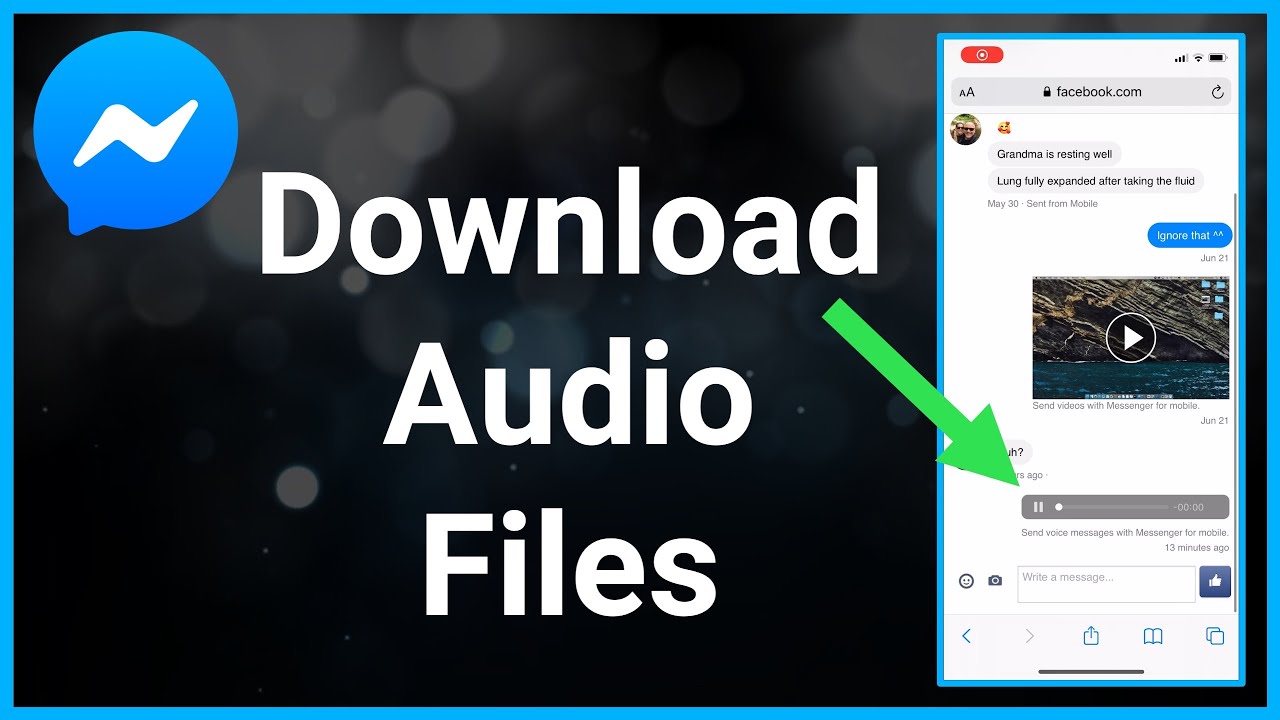
To download audio from Facebook Messenger, you need a workaround because the app doesn't offer a direct save button for voice messages or audio clips. The two most reliable methods are using your phone's built-in screen recorder to capture the audio while it plays, or requesting a full data archive from Facebook that includes every audio file from your chats.
Why there's no download button for audio in Facebook Messenger
Facebook Messenger treats audio messages as transient chat content rather than standalone files. Unlike photos or documents, which sometimes show a save or download option, audio clips are designed to be played within the conversation only. The platform intentionally keeps voice notes inside the chat thread, so if you want to keep one, you have to use a method that captures either the sound itself or the underlying file from Facebook's servers.
How to download audio from Facebook Messenger on mobile with screen recording
Screen recording is the simplest way to download audio from Facebook Messenger on a phone because it captures exactly what you hear, with no need to locate hidden files or use third-party tools. Both Android and iPhone have built-in screen recorders that record both video and audio from your device's microphone or internal sound. Since Messenger plays audio through your speaker or headphones, the recorder picks it up in real time.
Here's how to do it on Android:
- Open the conversation in Facebook Messenger that contains the audio message you want to save.
- Tap the screen recorder to start it, then immediately play the audio message in Messenger.
- Let the audio play all the way through. When it finishes, stop the recording by tapping the stop button in the notification bar or the floating controls.
- Open your phone's gallery or Files app. The recording will be saved as a video file, which you can play or convert to an audio-only file later if you prefer.
On an iPhone, the process is nearly identical:
- Go to Settings > Control Center > Customize Controls and add "Screen Recording" if it's not already there.
- Open the Messenger conversation with the audio message.
- Swipe down from the top-right corner of the screen to open Control Center, then tap the white circle inside the screen recording button. A three-second countdown will begin.
- Play the audio message immediately. The recording captures both the sound and the screen.
This method works for any audio message, regardless of length, and it doesn't require any special permissions or third-party apps. The only downside is that you get a video file, not a pure audio file, but you can easily extract the audio using a free converter app or a video editor.
How to download audio from Facebook Messenger using Facebook's Download Your Data tool
If you need the original audio file rather than a recording, Facebook's built-in data export tool is the most complete solution. This method allows you to download your Facebook data, which includes messages and associated audio files, in one archive. It's especially useful if you want to save many audio messages at once or if you're backing up an entire conversation.
To use this method:
- Log in to your Facebook account on a computer or mobile browser.
- Click your profile picture in the top-right corner and select "Settings & privacy," then "Settings."
- Find the "Download Your Data" option and click "View" next to it.
- You'll see a screen where you can choose what to include. Make sure "Messages" is selected. You can also choose the date range and format (HTML or JSON).
- When the notification arrives, go back to the same screen and click "Download" next to your ready file.
- Once downloaded, unzip the file. Navigate to the "messages" folder, then find the conversation that contains the audio you want. The audio files are stored as .mp3 or .m4a files inside each conversation's folder.
What about desktop browser methods?
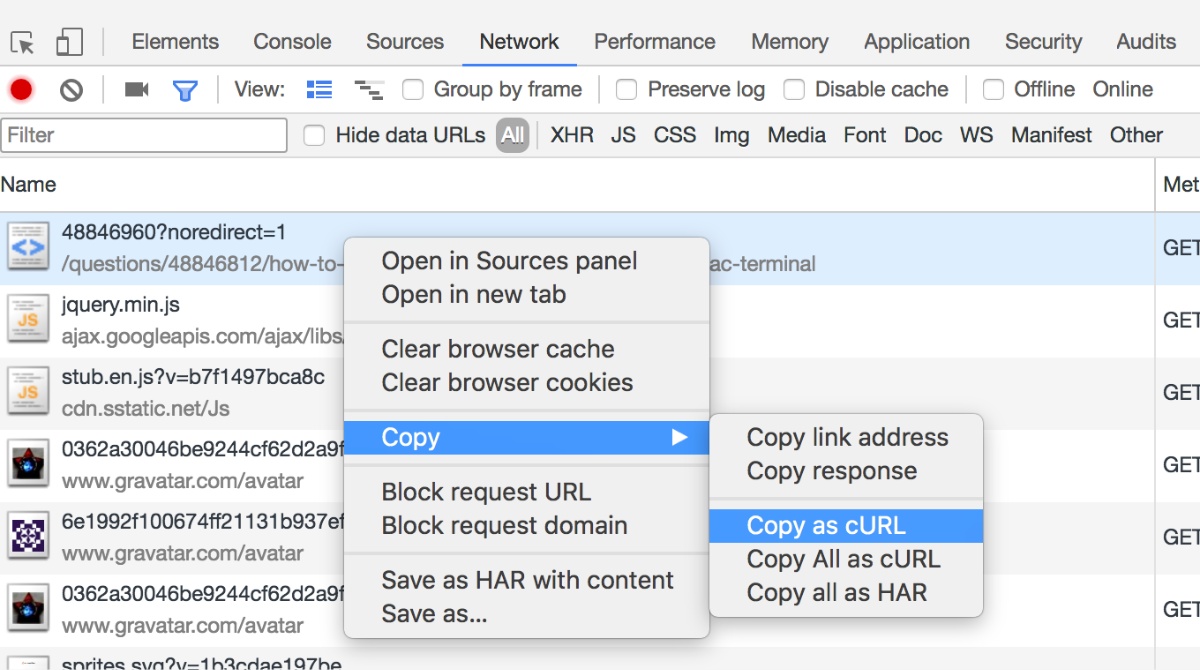
Facebook has changed how audio is delivered in the browser, so the audio file is often streamed in segments or embedded in a way that makes it impossible to grab a single direct link. The inspect element panel may show a blob URL or a fragmented media source, but copying that link and pasting it into a new tab rarely produces a downloadable file. If you're on a desktop, your best bet is to use the Download Your Data tool, which works on any platform, or to play the audio and record it using a free audio recorder on your computer.
Tips for managing downloaded audio files
Once you've saved your audio messages, a little organization goes a long way. Create a dedicated folder on your phone or computer called "Messenger Audio" and move all downloaded files there. If you're using the screen recording method, consider converting the video files to audio-only format using a free converter, which will reduce file size and make them easier to share or store.
\nRelated reading: How To Download FB Voice Message and How To Download Ancestry Dna.