Your citra emulator legal game options start with your own hardware
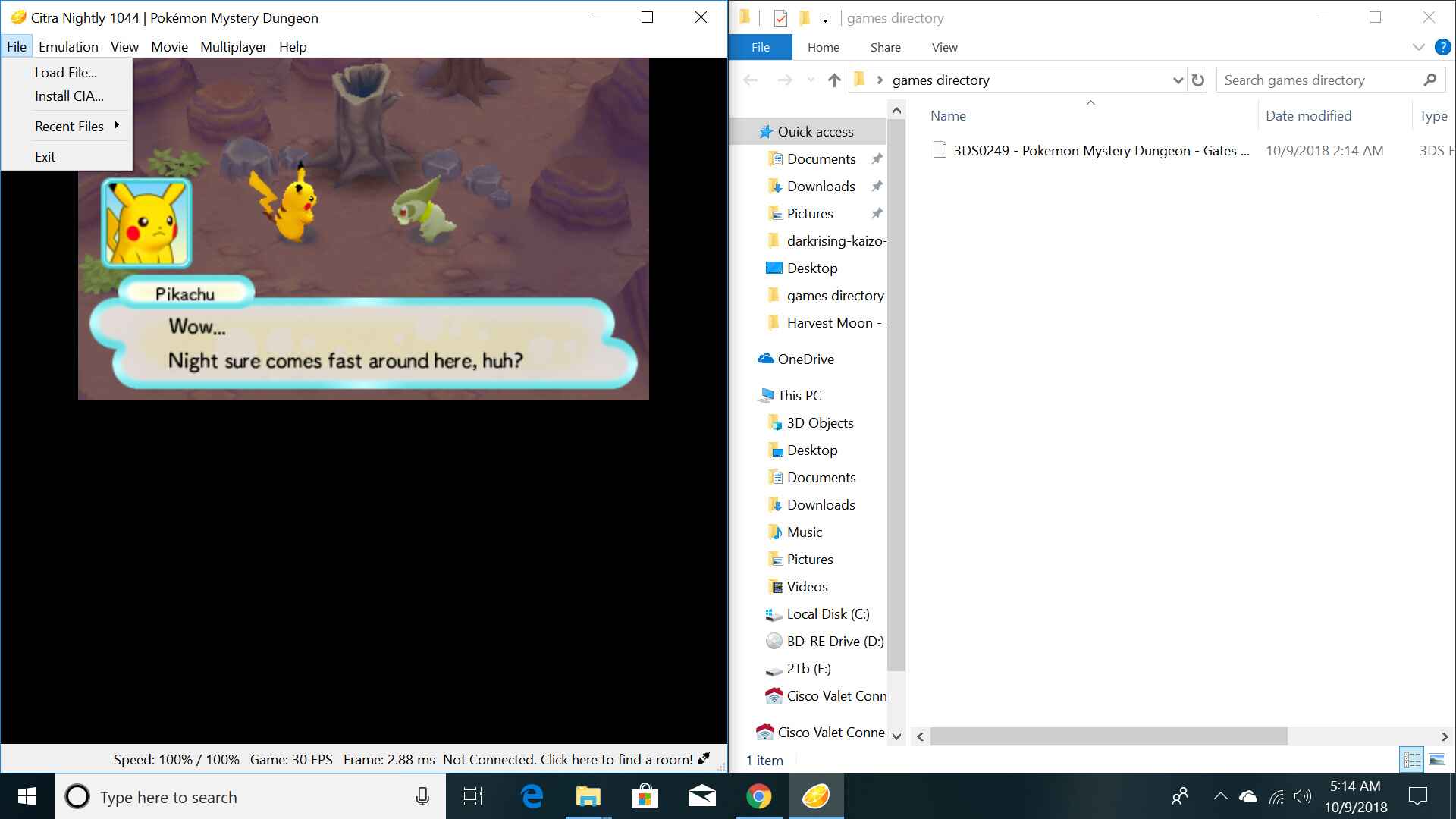
The only fully legal way to play Nintendo 3DS games on the Citra emulator is to obtain game files from sources you own or create yourself, specifically, by dumping your own physical cartridges or your own eShop purchases from a Nintendo 3DS console you possess.
This article explains the legal landscape, the risks of downloading ROMs from unofficial sources, and the legitimate alternatives, including cartridge dumping, eShop title dumping, and homebrew software. It does not provide instructions for obtaining copyrighted material without paying, nor does it link to or name any piracy sites, proxies, or download tools.
Why downloading ROMs from random websites is illegal and risky
When you download a Nintendo 3DS ROM from a website that is not Nintendo’s official eShop, you are almost certainly copying a copyrighted video game without authorization. This is illegal in most countries, including the United States under the Digital Millennium Copyright Act (DMCA) and similar laws worldwide. It also violates Nintendo’s terms of service for its platforms and software.
Nintendo’s intellectual property lawyer has stated that emulators themselves are not inherently illegal, but they become illegal if they bypass encryption, copy copyrighted console programs, or direct users to pirated material. Citra does none of those things, it is a legal emulator. However, the ROM files you download from third-party sites are typically extracted from copyrighted game cartridges or eShop downloads without permission. Possessing or distributing those files is a copyright infringement, regardless of whether the emulator is legal.
The risks of downloading ROMs from unofficial sources go beyond legal exposure. These files are often bundled with malware, including trojans, ransomware, or spyware. Because ROM sites are frequently taken down by legal action, the remaining mirrors are often operated by malicious actors who repackage games with hidden code. Installing such a file on your computer can compromise your personal data, banking information, or entire system. Additionally, if you use a modified console to download or install these files, your Nintendo account may be permanently banned from online services, and your console may be bricked (rendered unusable) by faulty software.
Legal exposure is real: copyright holders have successfully sued individuals for downloading and distributing ROMs. While most cases target large-scale distributors, the legal risk is not zero for individual downloaders. In short, downloading 3DS ROMs from unofficial sites is illegal, unsafe, and against Nintendo’s terms of service.
How legitimate dumping works for physical cartridges
The only fully legal method to obtain a 3DS game file for Citra is to dump it from a physical cartridge you own. This process requires a modified Nintendo 3DS console equipped with custom firmware, such as boot9strap and GodMode9. Modifying your console may violate Nintendo’s terms of service, and it carries its own risks, including the possibility of bricking your device if you follow incorrect instructions. However, for the purpose of personal backup and emulation on hardware you own, this method is generally considered legal in many jurisdictions, though it is not explicitly endorsed by Nintendo.
To dump a 3DS game cartridge for emulator use, you insert the cartridge into your modified console, boot into GodMode9 by holding the START button and pressing POWER, then navigate to [C:] GAMECART. From there, you select the <TitleID>.trim.3ds file and choose "Copy to 0:/gm9/out" to create a .3ds file on your SD card. This file is a direct copy of the game data from your own cartridge, nothing more, nothing less. You are not downloading anything from the internet; you are creating a backup of media you legally purchased.
It is important to note that dumping a game cartridge does not automatically include downloadable content (DLC) or updates. Those are stored separately on the 3DS’s SD card, even if you purchased them legally. To include them in your emulator setup, you must dump those installed titles separately using tools like GodMode9 or Checkpoint. This is still legal because you are copying content you own, but it requires additional steps and technical care.
Dumping eShop-purchased games from your own console
If you bought a game digitally from the Nintendo eShop, you can also play it on Citra, but only by dumping the installed title (a CIA file) from your own Nintendo 3DS console where the game was legitimately purchased and installed. This is not a download from the internet; it is a backup of a file that already resides on your console’s SD card. You are the rightful owner of that digital license, and creating a personal backup for use on an emulator is a legal grey area but generally accepted as a fair-use backup in many regions, provided you do not share the file.
To dump an eShop title, you use custom firmware tools on your modified console to extract the CIA file. The process is similar to cartridge dumping but involves navigating the console’s internal storage rather than the game card. Again, this requires a modified console, which voids your warranty and may violate Nintendo’s terms of service. However, the act of dumping your own purchased game is not piracy, it is copying your own property.
A critical caveat: some 3DS games require specific system files from a real 3DS console to function correctly in Citra. These include system archives, shared fonts, and config savegames. Citra’s developers do not provide these files for legal reasons, so you must extract them from your own console using the same custom firmware tools. If you do not have a real 3DS to dump these files, some games may not run properly on Citra, even if you own the cartridge or eShop title.
Homebrew software as a legal testing option
Homebrew software, programs created by independent developers that run on modified consoles, can be run on Citra and is useful for testing the emulator’s performance and features. This includes open-source games, demos, and utilities that are freely distributed by their authors. Homebrew is not copyrighted Nintendo material, and running it on Citra is generally legal, provided the software itself does not contain copyrighted code.
However, the legality of homebrew can be a "grey area" due to potential EULA violations or circumvention of technical protection measures. For example, if a homebrew application relies on bypassing the 3DS’s encryption or uses copyrighted system files, its use may violate Nintendo’s terms of service, even if the software itself is free. To stay on the safe side, only run homebrew that is explicitly open-source and does not require pirated system files. This is a legitimate way to explore Citra’s capabilities without infringing on anyone’s rights.
Legitimate alternatives to downloading ROMs
If you do not want to modify your console or dump your own games, there are several fully legal ways to play 3DS games without resorting to ROM downloads:
Official Nintendo eShop (legacy purchases): While the 3DS eShop closed in March 2023, you can still purchase physical copies of most 3DS games from retailers, and some digital titles remain available for re-download if you previously purchased them. Buying a physical cartridge and dumping it is the most straightforward legal path to playing on Citra.
Nintendo Switch Online: Nintendo offers a library of classic games, including some titles originally released on the 3DS, through its Nintendo Switch Online subscription service. This is a legal, subscription-based way to play Nintendo games without any emulator or ROM files.
Official PC ports and remasters: Some 3DS games have been officially remastered or ported to PC or other platforms. For example, Monster Hunter Stories received a PC port, and Radiant Historia has a Nintendo DS version that is legally available on the Wii U Virtual Console. Check official storefronts like Steam, Nintendo eShop (for Switch), or the PlayStation Store for legitimate versions of games you want to play.
Free-to-play and demos: Many 3DS games had free demos or free-to-play versions, though these are no longer available on the defunct eShop. However, you can find legal demos for many games on the Nintendo Switch eShop, which often include similar gameplay experiences.
Library and rental services: Public libraries in some regions lend physical 3DS cartridges. You can borrow a game, dump it to your own console for personal backup, and return the cartridge. This is legal because you are using a physical copy you have lawful access to, though you should check your local laws regarding copying borrowed media.
Open-source and homebrew games: The homebrew community has created entirely original games that are free to download and play on Citra. These are not Nintendo copyrighted material and can be legally obtained from the developers’ official websites or repositories. They are a great way to test Citra without any legal concerns.
Final note on responsibility and risk
In summary, the only safe and legal way to play 3DS games on Citra is to use files you create from your own physical cartridges or your own eShop purchases, or to run homebrew software that is freely licensed. Downloading ROMs from unofficial websites is illegal, exposes you to malware, risks account bans, and can lead to legal action. Always verify that any game file you use is either your own backup or explicitly licensed for free distribution. If you are unsure about the legality of a specific file, err on the side of caution and do not use it. Citra is a powerful and legal emulator, enjoy it responsibly by respecting copyright law and Nintendo’s terms of service.