Finding and sharing your Venmo handle
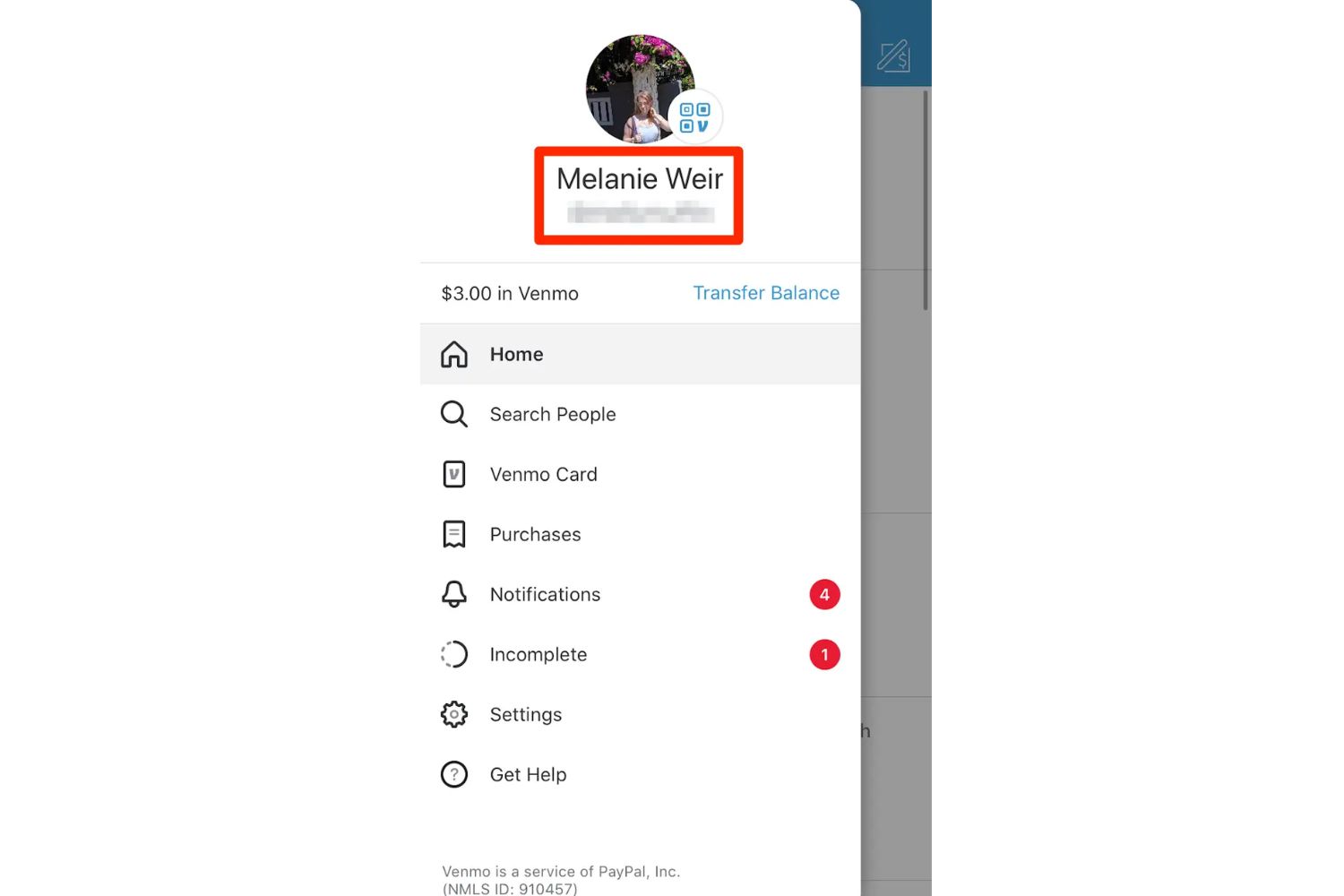
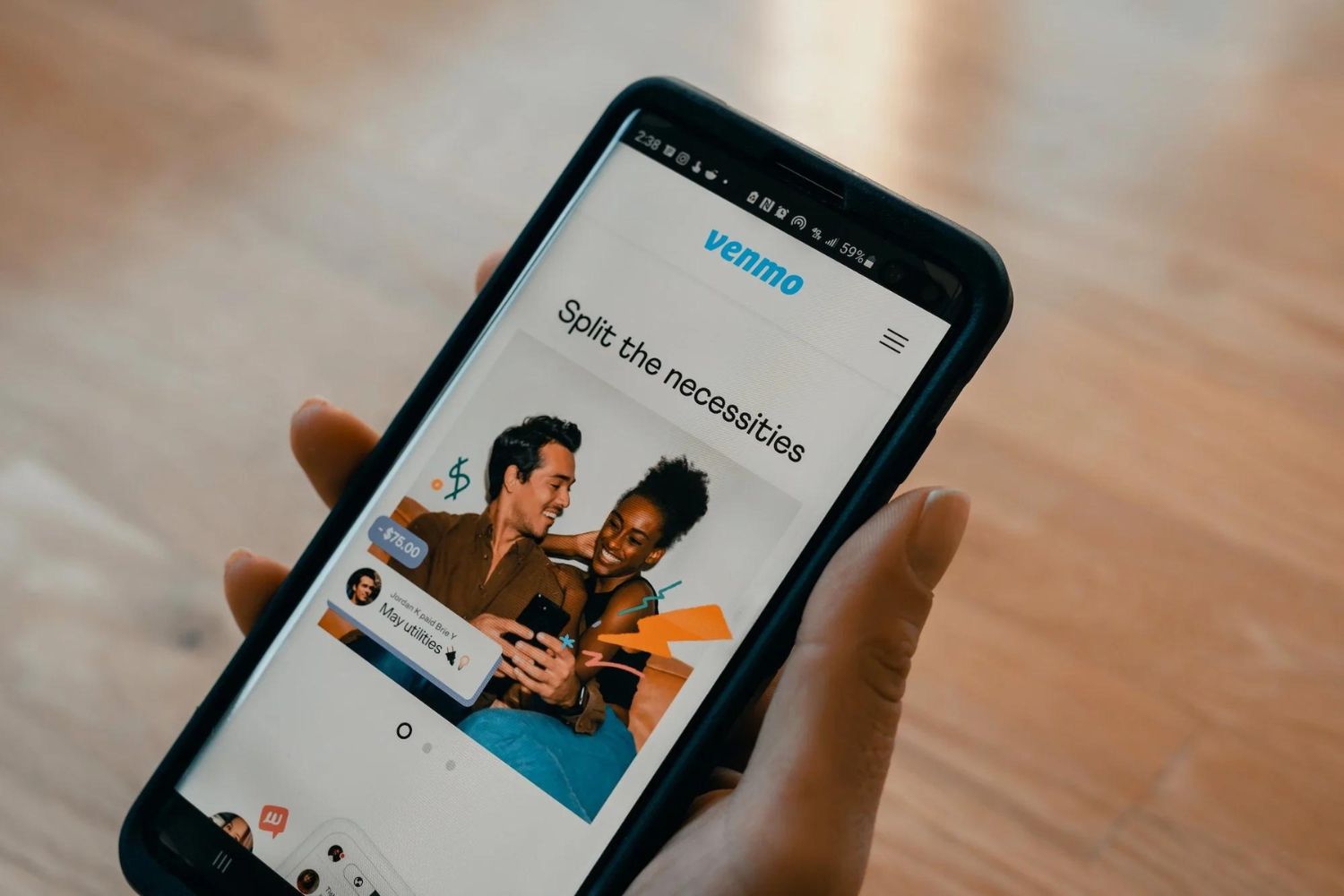
Your Venmo handle is the unique @username people need to pay you, and to receive funds, open the Venmo app and go to the Me tab, tap the Settings gear icon, then select Account, and then Profile. Your unique @username appears in your profile settings under Account. This is the identifier people need. If you ever wonder how to know what my Venmo name is, just look at that same spot. It is the handle you chose when you signed up, not your legal name or the display name others see.
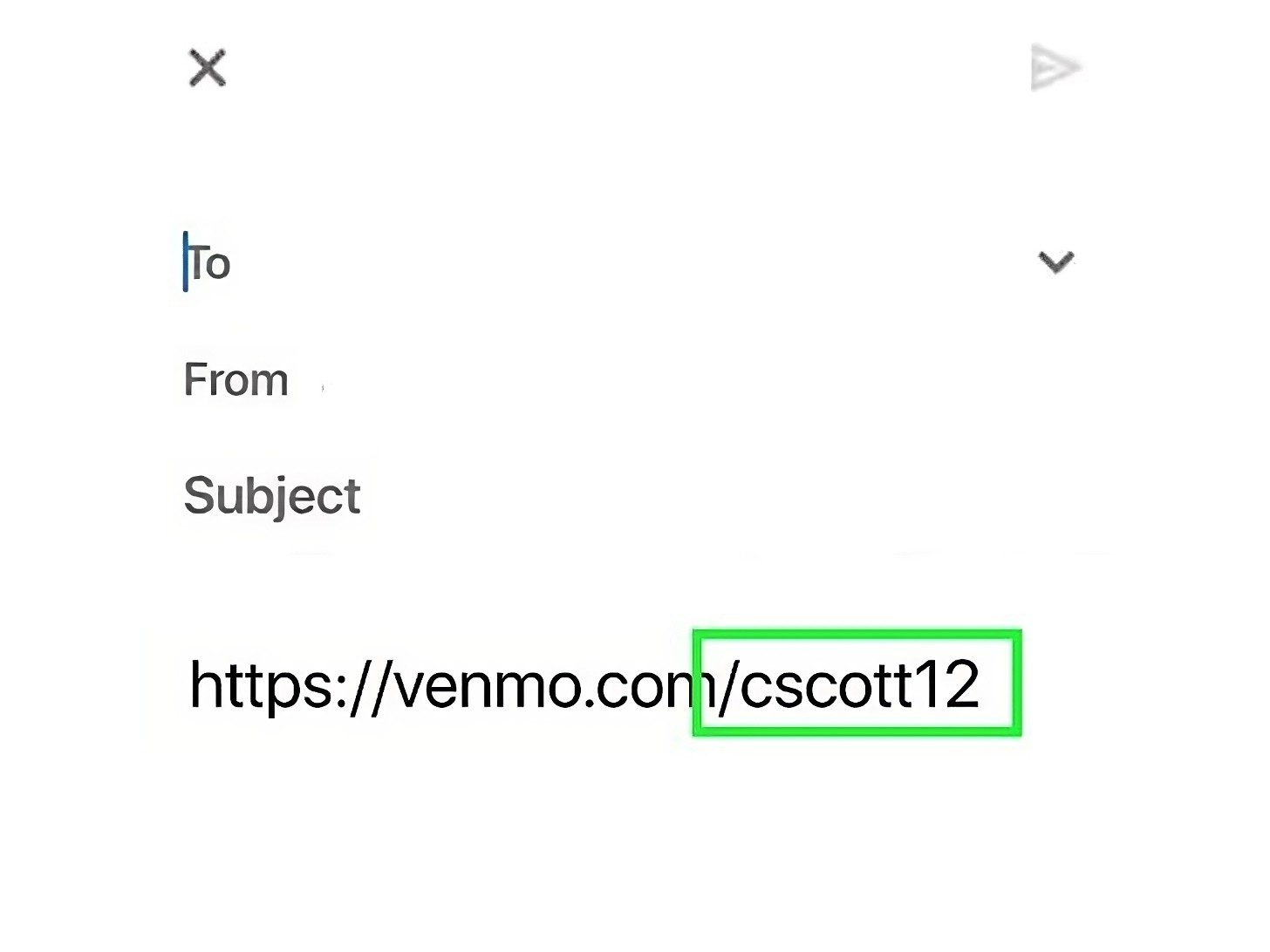
To share this identifier quickly, you can find your Venmo id and use the app's sharing options. That action generates a scannable code. For sending it digitally, the easiest method is to use the share button to share my Venmo link directly into a text message or email. If someone asks you to send Venmo link from your end, you can also copy the URL from that same share menu and paste it into any chat.
However, if you notice my Venmo handle not showing up when people search for it, the problem is usually verification or your visibility controls, not a missing handle. You cannot create a second handle on the same user record. Check that your presence is set to be found by others and that you have confirmed your email and phone number.
Setting up your account and profile
To get started, you will first need to set up Venmo by downloading the app and entering your phone number. Once the app is installed, the registration flow will prompt you to set up Venmo account details. This includes your legal name, password, and a unique @username. That @username is your Venmo handle, not your display name. After creating the profile, you can immediately customize your public presence. Upload a photo, adjust your display name, or change Venmo profile picture from the Settings menu. If you want to avoid sharing your mobile number during registration, you can make a Venmo without a phone number by using an email address as your primary identifier instead. Be aware that you cannot make another Venmo account with the same number. Each phone number is tied to one profile only. If you are tempted to create duplicates, remember that having two Venmo handles on one account is not possible. Every profile gets a single @username. If your handle is not appearing in search results, the fix is usually verifying your identity or checking your visibility controls. It is not creating a second handle. Keep your public presence simple and consistent so friends can find you easily. Venmo is the only major peer-to-peer platform that ties your social visibility directly to a single, permanent @username rather than a changeable display name, making your handle your true persistent identity in the app.
Managing friends and privacy
Your Venmo handle is the unique tag others use to find you on the platform. It works in tandem with several visibility controls that are easy to overlook. To manage your social circle, you can search for someone by their handle and then use the option to add friend on Venmo, which is useful if you want to split expenses more easily. Once they accept, their activity may appear in your feed depending on their own configuration.
If a connection turns sour or you simply want to cut ties, you can block someone on Venmo from their details menu, which you would want to do if you need to stop unwanted interactions or prevent them from seeing your activity. This instantly removes them from your friends list and prevents any future interaction. Beyond who you connect with, you can also control what others see by adjusting your privacy settings for transactions, a feature you might want if you prefer to keep certain purchases or payments private from your contacts. You can also set your default privacy setting to Private in the visibility controls, a step that is separate from your handle’s discoverability in search.
If you ever need to step away from the app entirely, you can log out of Venmo from the gear icon, which is helpful when you want to secure your account on a shared device or take a break without deleting your profile. This clears your session without deleting your profile or your unique handle. Remember that your handle is exclusive to your user identity, so if someone cannot find you by searching for it, the issue is usually an unverified email or a visibility toggle that conceals your presence from non-friends, not a need to create a second handle.
Unlike a bank account number, your Venmo handle is a public-facing social tag that doubles as a payment endpoint, meaning you can receive money without ever sharing your email or phone number.
- hide Venmo transactions — How To Hide Venmo Transactions
- block someone on Venmo — How Do You Block Someone On Venmo
- add friend on Venmo — How To Add Friend On Venmo
- log out of Venmo — How To Log Out Of Venmo
Sending and receiving money
To send money, tap "Pay or Request" and search for the recipient. Enter an amount, add a note, and hit Pay. You can choose to pay someone with my Venmo balance if you have sufficient funds there. Otherwise, use a linked bank or card instead. The transaction will show as pending until the recipient accepts it. If they decide not to, they can reject money on Venmo entirely. That action returns the funds to your balance immediately. You can check the payment's status by looking at the transaction feed or the chat thread to know if someone received my Venmo payment. A green "Completed" label confirms it landed in their Venmo balance. To track incoming payments, check the notifications panel or your transaction feed to see Venmo requests that are waiting for your action. If a payment fails to go through, the app will display a specific error message. Understanding that message is the first step to figuring out why won't Venmo let me pay someone. The cause often points to a verification issue, a daily limit, or a visibility restriction rather than a problem with your handle itself.
Using cards and bank linking
Linking a bank or card is the most straightforward way to fund transactions. It also lets you access your balance quickly. You can also choose to use Venmo without a card entirely. This works well if you prefer to keep your spending limited to your bank transfer controls.
When you do link a physical or virtual card, you might occasionally need to see my Venmo card number. You would do this to set up automatic payments or to register it with a merchant app. That number is different from your handle. It is only visible after you activate the card in the app.
If you want to make purchases online without carrying plastic, you can use Venmo virtual card directly from your wallet in the app. This draws from your Venmo balance or linked bank. For one-time or gift spending, you can add a visa gift card to Venmo just like you would a debit card. You should note that reloadable prepaid cards may have different routing rules.
If you ever receive cash and want to load it, you can put cash on my Venmo card at participating retailers like Walmart or CVS for a small fee. This adds the funds instantly to your balance. Remember that none of these funding methods change your handle. That @username stays the same regardless of which source you connect. If people cannot find you in search, check your verification status and visibility controls before trying to create a duplicate handle.
Your Venmo handle is the most direct public identifier that stays constant across every card, bank link, and device you add to your account, though you can also be found by a verified phone number or email.
Linking other financial services
Your Venmo handle is the key to connecting with external platforms. It remains the same @username you created during setup. It is not a separate identifier for each service. If you want to move funds between balances, you can link PayPal to Venmo directly within the app’s payment preferences. Once linked, you can then transfer money from Venmo to PayPal by selecting PayPal as the destination when initiating a withdrawal. Keep in mind that your Venmo handle itself does not change or multiply when you add these connections. The handle stays tied to your single, verified profile. If you run into search issues while setting up these links, check your visibility controls or verification status rather than trying to create a second handle. This means your unique @username works across both services without duplication, so long as your identity is properly confirmed and your discovery preferences are set to allow others to find you.
Understanding limits and holds
Even after you’ve set up your handle and verified your identity, you’ll still run into practical boundaries that control how money moves. For everyday use, the maximum amount you can send through Venmo depends on whether your identity has been confirmed. Unverified users face a much lower ceiling, specifically $299.99 per week. Once you are verified, that cap rises significantly. It still applies on a rolling seven-day basis rather than a strict calendar reset.
Within that window, the daily Venmo transfer limit also matters. You can send only so much in a single day before the system pauses further outbound transactions. The pause lifts when the next day rolls over. If you receive a large sum or a transfer from an unfamiliar source, the Venmo money holding period may kick in. Those funds won’t be available to move to your bank instantly. Instead, Venmo holds the balance for a review window, typically up to 21 days, to reduce fraud risk. Knowing these caps and pauses ahead of time saves you the frustration of a blocked transaction when you need cash quickly.
Fixing account issues
If your Venmo access suddenly stops working, start by checking whether the platform has asked you to verify your identity. Most frozen profiles thaw once you upload the requested documents. To unsuspend my Venmo account, you will need to check your email inbox for a message from Venmo detailing the reason and next steps for reinstatement. This process usually involves confirming your email, phone number, and government ID. Login problems often stem from a forgotten password or a two-factor authentication hiccup. Resetting your password through the login screen is the fastest fix.
If you see a charge labeled "account recovery payment Venmo" on your bank statement, that is a temporary hold Venmo places to confirm your funding source during verification. It drops off after a few days and is not a fee you owe. Search visibility issues are trickier. Your handle will not appear in other people's searches until your profile is fully verified and your visibility controls allow it. Do not try to create a second handle on the same membership. Instead, check your discovery preferences under "Search Privacy" and make sure they are set to "Everyone" if you want to be found.
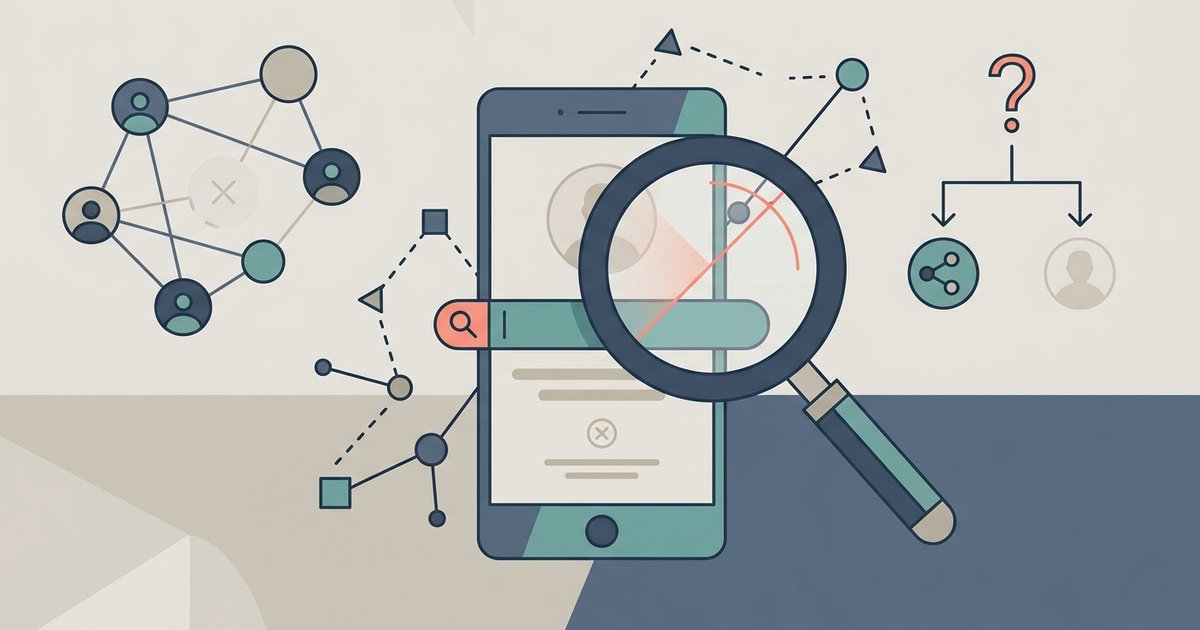
If you still cannot locate your details, you can find my Venmo account number by tapping the "Me" tab, then the gear icon, and scrolling to "Account Number." That number is separate from your @username and is used only for direct deposits or transfers. Only Venmo can reveal the specific logic behind its search algorithm. We do know that newer, unverified profiles rarely appear in results because the system prioritizes established connections. This is the one thing no other guide will tell you: Venmo’s search function is not a directory but a relationship graph, meaning you will never see a stranger’s handle unless you already share a mutual contact or a group transaction history with them.
Your display name and @handle serve different purposes. The @handle is your unique identifier for transactions. The display name is what people see when they search. Changing either one requires navigating to your profile settings. From there, you can edit your public persona without affecting your linked bank or card. If you value discretion, you can adjust your transaction visibility for past and future payments individually. This means you can keep your activity completely hidden from the public feed while still using the service normally.
Direct deposit relies on your routing and internal digits, not your @handle. You must activate this feature manually before any funds can land. The setup requires you to accept an electronic agreement. Once active, your incoming transfers behave like a traditional checking entry. This is why the routing information you see in your configuration panel might differ from a friend’s. Venmo partners with multiple banking institutions behind the scenes.
Business profiles operate under a separate rulebook. A commerce presence allows you to accept transactions for goods and services legally. You cannot merge a personal page with a business page under the same login. You must switch between them. Tax reporting applies only to the commercial side. The personal side remains unaffected unless you cross the reporting threshold for goods and services tags. If a customer searches for your shop, they will see your business identity, not your personal details.
Frozen access usually ties back to a security flag. The system might suspect unusual location activity or a mismatch in your personal data. Uploading a clear photo of your ID almost always resolves the block within a few hours. If you fail the automatic review, a manual investigation begins. During this time, you cannot send or receive money. The support team will not speed up the review for any reason. Patience is the only working strategy here.
Teen access works through a managed master login. A parent must create the entry point and link it to their own identity. The adult can monitor every incoming and outgoing movement. They can also lock the debit card instantly. The minor cannot access certain features like crypto or Venmo Credit. This setup creates a sandbox where the younger user learns digital money habits without full exposure to the open platform.
Your contact list comes from your phone and your friend network. You can disconnect the phone matching feature at any time. This stops the app from suggesting you to others based on your mobile number. It also prevents you from seeing them. The block feature is absolute. Once you block a user, they cannot find you, pay you, or request money from you. You will vanish from their history entirely.
Statement reconciliation can get confusing when you use the app for both fun and bills. The monthly PDF sorts your activity into clear categories. You can download it directly from the web portal. The PDF includes your name, address, and a summary of your balance changes. It does not include the individual items you bought. Only the dollar amount and the recipient appear. This document is sufficient for most tax preparers.
Closing your presence on the platform requires a zero balance. You cannot delete the data trail if you owe money or hold funds. Transfer every cent out first. Then navigate to the close account option in your settings. The system will ask you to confirm your choice several times. Once confirmed, the action is permanent. You cannot reopen the same profile later. You must start fresh with a new registration if you return.
Closing or cleaning up accounts
When you are ready to stop using Venmo, you have several options depending on how much of your data you want to keep. If you simply want to remove an embarrassing or incorrect entry from your history, you can delete a Venmo transaction. This action only hides it from your feed. The other party will still have their own record.
For ongoing discretion, you might decide to turn off purchase protection on Venmo. This stops the platform from automatically adding a fee and a purchase note to certain exchanges. If you regularly pay Venmo goods and services to sellers, turning that feature off changes how those transfers are categorized. Be sure you understand the trade-off before disabling it.
When you are certain you want to leave the platform entirely, you can delete Venmo account. This removes your public page, transaction history, and handle permanently after a short waiting period. Business users have a separate process. You can delete business Venmo account without affecting your personal space. Any pending balances or disputes must be resolved first. Regardless of which cleanup step you take, remember that your @username handle is tied to that specific profile. Deleting it may mean you cannot reuse that handle later, but Venmo's terms do not explicitly address handle reuse after account deletion.