To send money to your Chime card, the sender needs either your Chime routing and account numbers for direct deposits or bank transfers, or your $ChimeSign, phone number, or email for instant Pay Anyone transfers. You can find all of these details in the Chime app under Move Money, making it simple to share the right information depending on how someone wants to pay you.
What someone needs to send money to your Chime card
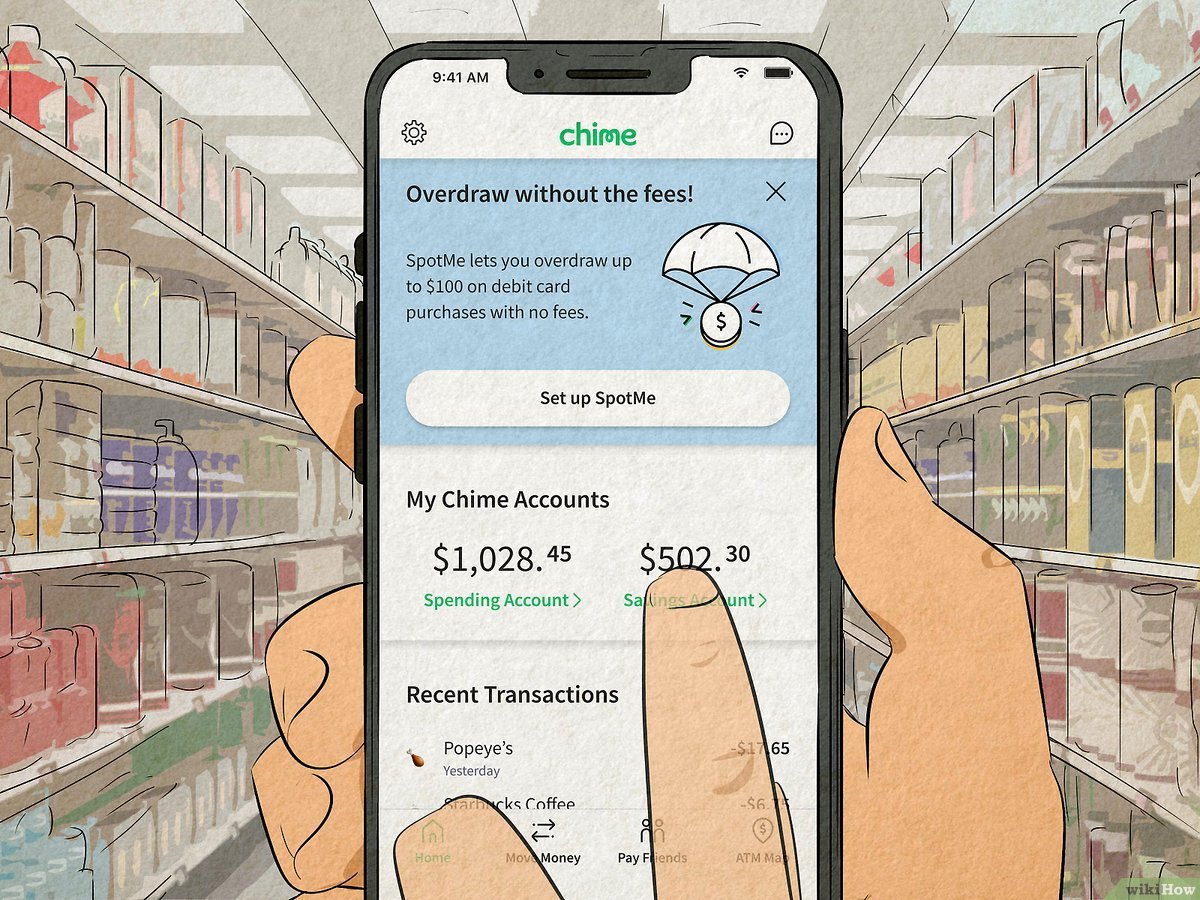
Before anyone can send money to your Chime card, you must provide them with the correct details. For bank transfers and direct deposits, the sender needs your Chime routing number and account number. These are the same numbers you would use to set up payroll or receive government benefits. For instant peer-to-peer payments through Chime’s Pay Anyone feature, the sender can use your $ChimeSign, your phone number, or your email address instead. To locate your routing and account numbers, open the Chime app, tap Move Money, and select Set up direct deposit. Your $ChimeSign is visible on your profile page in the app, and you can also share your phone number or email if you prefer not to use your sign.
Direct deposit
Direct deposit is the most common way for employers, payroll providers, and benefits payers to send recurring payments to your Chime card. The sender needs your Chime routing number and account number, which you can find in the app under Move Money and then Set up direct deposit. Once you provide these numbers to your employer or benefits provider, they will automatically deposit your paycheck or government payments into your Chime account on each pay date. Chime also offers early direct deposit, which means your funds can become available up to two days before your scheduled payday, giving you quicker access to your money without any extra steps.
To make the process even easier, Chime can provide a pre-filled direct deposit form. Open the Chime app or visit the Chime website, navigate to the direct deposit section, and request the form. Chime will email it to you with your routing and account numbers already filled in. You can then print it and hand it to your employer or benefits payer, or you can upload it to their online portal if they accept electronic submissions. This removes any risk of typing errors and speeds up the setup process, so your direct deposit can start working sooner.
Bank transfers from another bank account
If someone wants to send you money from their own bank account, they can initiate a bank transfer to your Chime card. The sender will need your Chime routing number and account number, and they can enter these details in their own banking app or website under the transfer or external account section. They will then initiate an ACH transfer, which typically takes one to three business days to arrive in your Chime account. This method works well for larger amounts, such as paying rent, covering a shared expense, or sending a gift, because ACH transfers generally have higher limits than peer-to-peer services.
Alternatively, you can pull money from someone else’s bank account by linking their account in your Chime app. Open the Chime app, go to Move Money, and select Transfers. From there, you can add an external bank account by entering the account and routing numbers. Once the account is linked and verified, you can transfer funds from that external account into your Chime account whenever you need to. This gives you control over the timing and amount, and it is a useful option if the sender is not comfortable initiating transfers from their own banking app.
Chime Pay Anyone (instant P2P transfers)
Chime’s Pay Anyone feature is the fastest way for any person, whether they are a Chime member or not, to send money to your Chime card instantly. To send money, the sender opens the Chime app, selects Pay or Pay Anyone, and searches for you by your $ChimeSign, phone number, or email address. They enter the amount, confirm the payment, and the funds appear in your Chime account immediately. There are no fees for sending or receiving money through Pay Anyone, making it a cost-free option for splitting bills, paying back friends, or receiving money from family.
If the sender is not a Chime member, they will receive a text or email with a secure link after initiating the payment. They click the link and enter their U.S.-issued debit card information to complete the transfer. The recipient, which is you, does not need to take any action beyond having an active Chime account. However, non-Chime members have only 14 calendar days to claim the funds before the money is returned to the sender, so remind them to act quickly if they are sending from outside the Chime network. To view your personal Pay Anyone limits, open the Chime app, go to Settings, tap Account info, and select View limits. Your daily and monthly limits depend on your account activity and are displayed clearly so you always know how much you can receive.
Cash deposits at retail stores
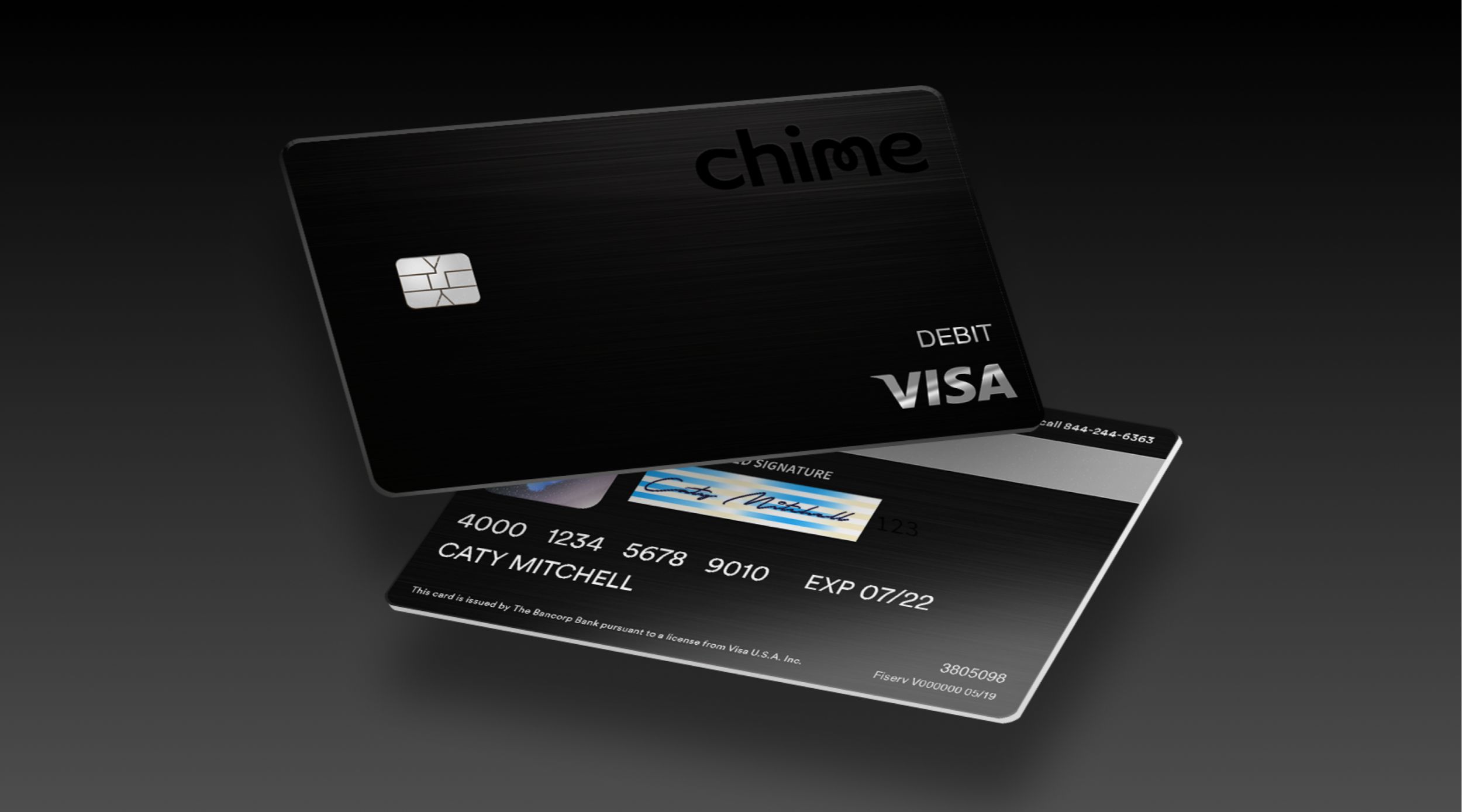
If someone wants to give you cash, they can deposit it directly onto your Chime card at any of over 90,000 retail locations nationwide, including Walgreens, Walmart, CVS, 7-Eleven, Dollar General, Family Dollar, Circle K, and Speedway. The sender simply takes the cash to the register and tells the cashier they want to make a deposit to their Chime account. They can either present your physical Chime card for the cashier to swipe, or they can generate a barcode in the Chime app under Move Money and then Deposit Cash. The cashier scans the barcode, accepts the cash, and the funds are added to your Chime account immediately. Once the money is in your account, you can withdraw it for free at the Chime card cash withdrawal locations like MoneyPass ATMs and over-the-counter at participating banks, though you'll want to know the Chime card withdrawal limit before heading out.
This method is ideal for people who do not have access to your bank account details or who prefer to give cash instead of using digital transfers. There is no fee for depositing cash at participating retailers, but the cashier may ask for identification or require a minimum deposit amount depending on the store’s policy. You can also deposit cash yourself using the same process, but if someone else is giving you money, they can complete the deposit on your behalf as long as they have your card or the barcode from your app. The funds are available right away, so you can spend them as soon as the deposit is complete.
Mobile check deposit and instant debit card transfers
If someone writes you a paper check, you can deposit it into your Chime account using the mobile check deposit feature. Open the Chime app, tap Deposit, and then select Check. Endorse the back of the check and take a photo of the front and back using your phone’s camera. Enter the check amount and confirm the deposit. Chime will review the check and typically make the funds available within a few minutes or by the next business day, depending on the check amount and your account history. This is a convenient way to receive money from someone who prefers to write checks rather than use digital methods.
Another option is for someone to push money to your Chime account instantly from their own debit card. In the Chime app, go to Move Money and select Transfers. From there, you can link an external debit card and then initiate a transfer from that card to your Chime account. The sender does not need to have a Chime account; they just need to provide their debit card information so you can link it. Once linked, you can transfer funds instantly, and the money appears in your Chime account right away. This is a fast alternative to ACH transfers and works well for urgent payments.
Third-party services like PayPal, Venmo, and Cash App also provide alternative digital routes to send money to your Chime card. With PayPal, you can link your Chime card as a funding source by entering your card number and routing details, then transfer funds from your PayPal balance to your Chime card. Venmo and Cash App allow you to link your Chime debit card and receive payments from other users, which you can then transfer to your Chime account. Each service has its own fees, processing times, and limits, so review their terms before using them. These apps are useful because they let you receive money from people who already use those platforms, expanding your options beyond Chime’s native features.
Transfer limits and where to view them
Chime applies daily and monthly limits to Pay Anyone transfers and other transfer methods, and these limits vary based on your account activity and history. To see your specific limits, open the Chime app, go to Settings, tap Account info, and select View limits. This screen shows your incoming and outgoing limits for Pay Anyone, bank transfers, and other transactions. Knowing your limits helps you plan larger transfers and avoid declined payments. If you need to increase your limits, contact Chime customer support, as they may be able to adjust them based on your account standing and usage patterns.
Keep in mind that direct deposits and cash deposits at retail stores generally do not count against your Pay Anyone limits, so you can receive large amounts through those methods without worrying about hitting a cap. Bank transfers and third-party services may have their own limits set by the sending institution or the app you are using. Always check the specific limit for each method before initiating a transfer, especially if you are expecting a large payment. By staying informed about your limits, you can choose the best way to receive money and avoid any surprises.
For the wider topic, see lock chime card.