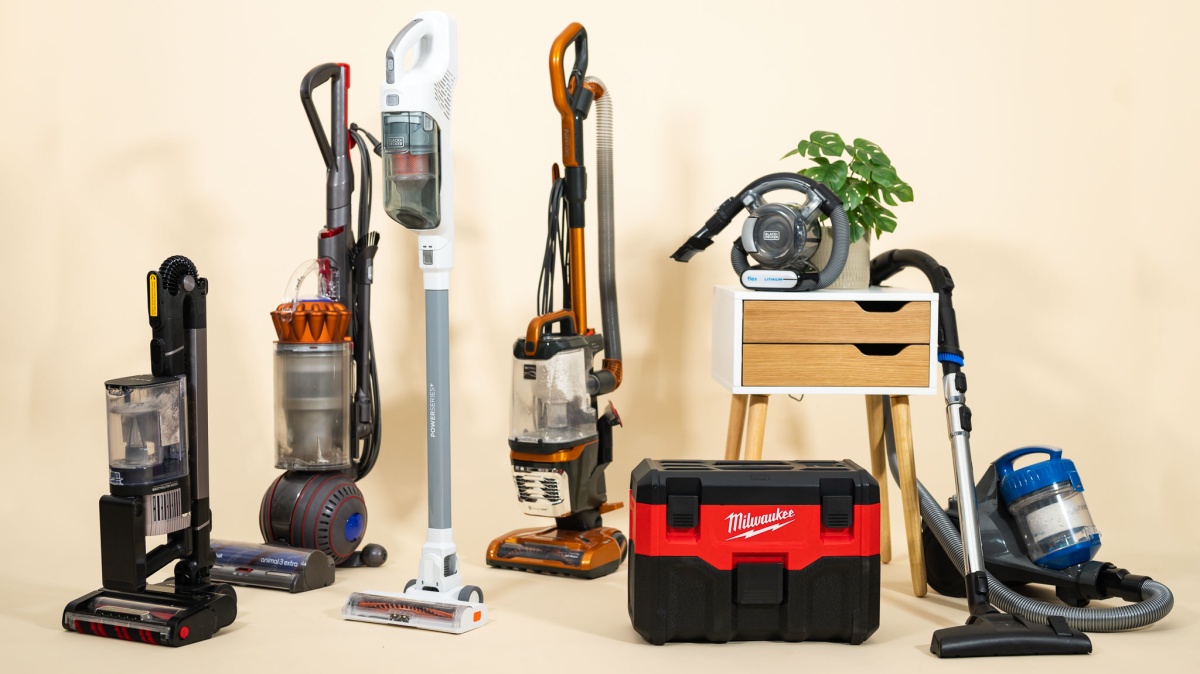



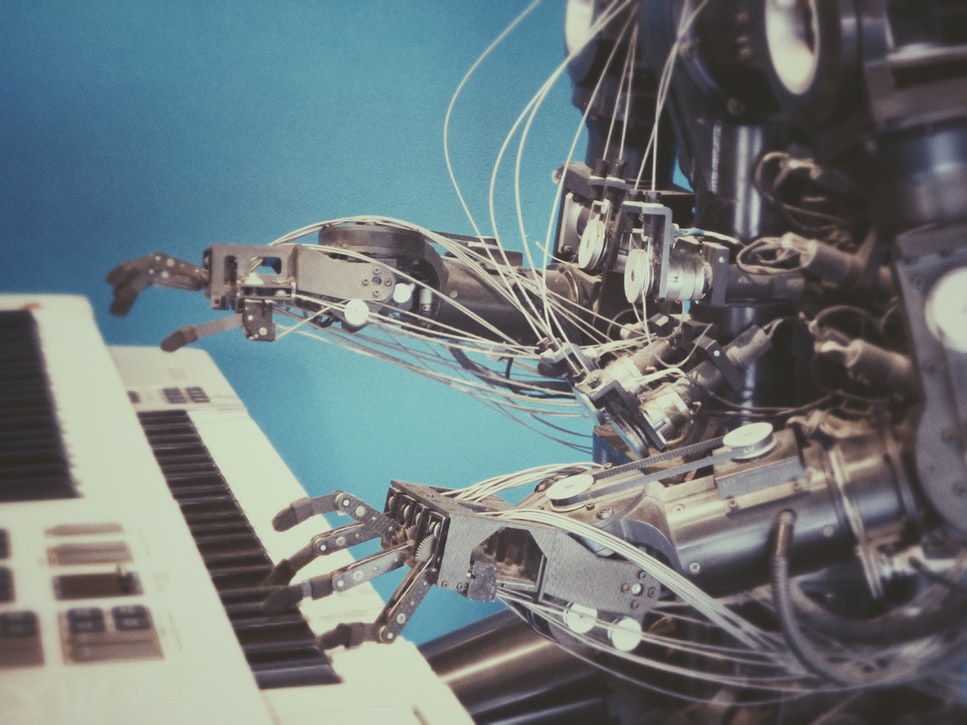
iRobot's Colin Angle Berates The Bot Biz
Colin Angle of iRobot Roomba fame has berated the
robot industry at the Robo Business conference this week. Back in
the 1950's people dreamed of more impressive robots than a mere
intelligent vacuum. However, Science Fiction never had to turn a
profit; today's robot companies do if they are to survive. Mr. Angle (iRobot CEO)
basically argues that "We are not waiting on the technology. We are
waiting on good business models and ideas." Perhaps pridefully, the best
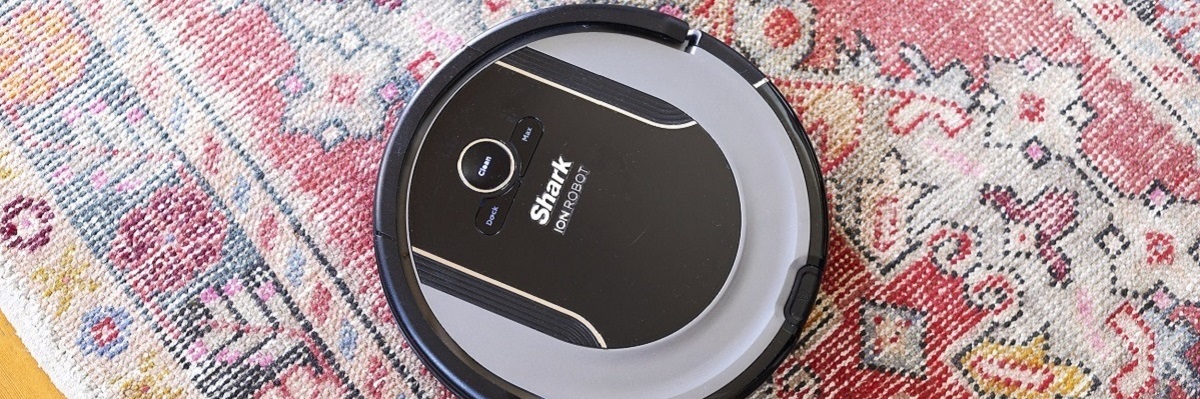
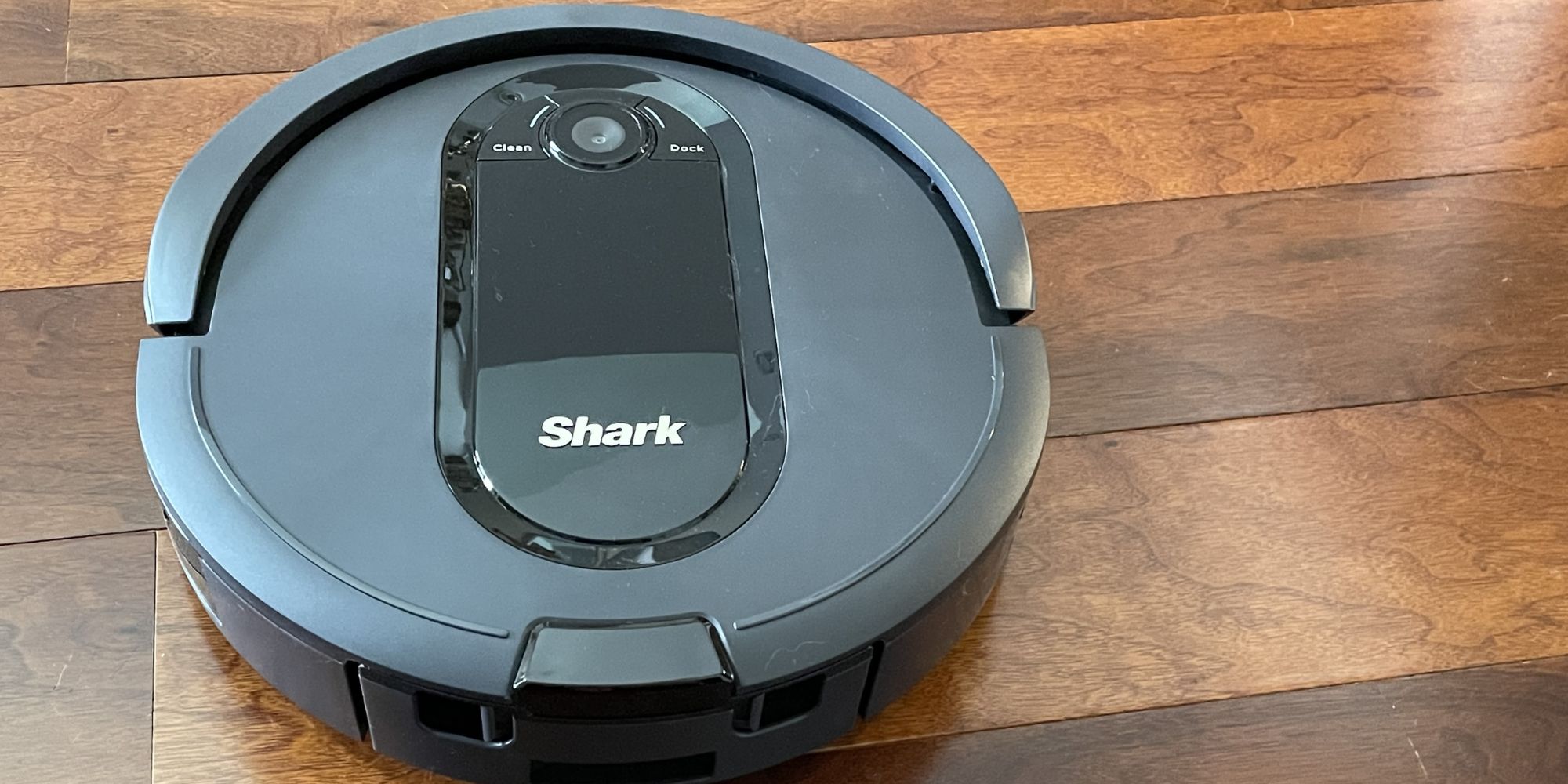
selling Roomba vacuum robot fits into such a category. Roomba, with
it's good business model explains why it has
survived where other robot ideas have failed. Another thing the article
notes is that
close to 90 per cent of the exhibitors at the Robo Business conference
were shooting
for military pork. (yea! destroying things!) Perhaps military money is
where it's at for robot businesses wanting to be successful? Perhaps
that explains why iRobot also builds the PackBot? iRobot has been
secretive about
future projects, but surmising from this article you can be sure it'll
either have a good business
case or be something for the military!
http://www.theregister.co.uk/2006/06/23/irobot_angle/
Colin Angle this week demonstrated the authority that comes with being
a robotic vacuum magnate. He told the crowd here at the Robo Business
conference that they'd let consumers and businesses down with sub par
products. They had supplied more hype than innovation and could use
something akin to steroids for their imaginations if they hoped to get
the robot industry moving in the right direction.
During his keynote presentation, the angular Angle noted that
the "robot demo industry is doing just fine." Groups focusing on
making walking robots and the like "have substantially slowed the
industry."
"We are not waiting on the technology. We are waiting on good business
models and ideas."
That's a tough message for a crowd of dreamers who spend most of their
time hammering away at one-off products that cost of millions of
dollars to produce. At the same time, the attendees seemed to like
Angle's speech. They were like children needing to feel reprimanded
after doing something naughty.
"The industry does not need hype," Angle told The Register in an
interview. "It needs good business and good products. I want the
industry to be taken seriously. Saying walking robots are a
distraction is about saying the industry doesn't need smoke and
mirrors to be a fantastic industry."
I agree with much of what Colin says.
With current technologies, there are probably a number of limited-
purpose products like Roomba that could be comertically viable today.
And I agree that the focus on humanoids and walking machines has been
very distracting. It is human nature to equate motion with intellect
and personality. Like ducklings, we can become emotionally attached to
anything that moves.
From a research perspective there is absolutely nothing wrong with
making walking machines. However, for the greatest return on our
efforts, my vote would be to focus on algorithms and software.
Yes, Roomba is a commercial success, and PackBot has saved lives,
which is very important. However, I am not convinced that they are
good examples of the technical advances that I would like to see.
iRobot used to make some excellent research robots. It is unfortunate
that they have abandoned this pursuit.
Robotics is a wide open frontier, and we need to venture beyond the
nearest treelines in order to say that we are truely explorers.
tends to give you some needed perspective on what the robot industry
needs. That's the iRobot story. Created in 1990, and lots of
fantastical prototypes with little utility outside of a lab got them
some press, but no products and no sales. And then came Roomba. 2
million sold. And Scooba, 50,000 in 3 months. Robotics needs iRobot to
do well. More sophisticated robots will come, but you need to start
with what people are willing to buy at the local Wal-Mart.
-Thorn, publisher, Robot
Stock News
Actually, iRobot did design and manufacture a number of excellent
research robots such as the B21, resulting in sales to many university
research labs.
http://www.dis.uniroma1.it/~labrob/people/freda/magpro_tech_2002.pdf
Although the volume of these sales are comparatively small, it should
be enought to keep small companies in the black.
www.MobileRobots.com
Looking back, IS Robotics started out making walking machines such as
Gengis. They changed their name to iRobot when working on a joint toy
venture with Hasbro.
The B21 and Magellan were actually designed by RWI, which sold out to
IS Robotics.
And about 10 years ago another company, Nomad, which also made some
excellent research robots, also decided to throw in the towel.
iRobot doesn't want to be a small company any more with a few niche
research robots. It wants to take over the world. They want to be a
billion-dollar company, and are more than halfway there, and you can't
do that on research $'s alone, you need products that are affordable,
mass-produceable, etc. iRobot can leave the fancy, niche hardware to
the research outfits, where they probably belong.
-Thorn
My only concern is that it sounds like $$$ has become the primary
focus, and robotics has become a secondary considertation. I don't
expect they will turn to manufacturing shoe laces or toothpaste if it
could generate a larger return, but I hope that they never decide to
rename their firm iProfit.
Seriously, iRobot is a public company with investors who want a return
on that investment. It is not in a public company's interest to
research where there is no reward. You'll probably get symbiotic
relationships between industry and universities - fund some research
in a lab, or pay for some PhD to do some non-proprietary but useful
research.
Marcin
Disclosure - I am not an iRobot investor but I can pretend to be one
on TV for a fee.
Temporary Fad?, posted 29 Jun 2006 at 07:09 UTC by Nelson »
(Journeyer)
The other thing that bothers me about iRobot, besides abandoning the
manufacturing of serious research platforms (not sure of the
economics, but I would expect that they were well beyond the
development phase and their support costs could have been minimal), is
a nagging suspicion that in the long term Roomba could turn out to be
a short-term fad like scooters or furbys.
Yes, they have sold millions, but are they really needed products?
It is my perspective that when it comes to household cleaning their
functionality is limited, as is their performance. Their only strong
selling point is that they run automatically.
I suspect that in the past the current roomba owners managed to live
quite nicely without them, and suspect that Consumer Reports could
have been on the target when they gave them a thumbs down.
The real test of time will be the long term direction of the sales
curve, once they are no longer a novelty.
I am therefore glad that iRobot has not decided to also abandon their
military products market!
next fad, posted 30 Jun 2006 at 05:08 UTC by marcin »
(Journeyer)
If iRobot execs have their business wits about them, and I suspect
that they probably do, then they will already be working on the next
fad. Not sure if a toilet cleaning robot will be the next big thing,
but then again, I don't like cleaning the toilet so there may be
something in it...
I should also probably point out that I don't think household robots
are fads, rather that their early adoption will be driven by
traditional early adopters - high income, above-average intelligence,
time poor, young professionals. Just like any new disruptive
technology.
Marcin
Killer App?, posted 30 Jun 2006 at 19:59 UTC by Nelson »
(Journeyer)
Even if Roomba turns out to be only a short-term fad, i suspect that
iRobot might be skillful enough to ride the crest of a string of
similar products.
However, if I were investing in robotics, I would focus on
applications other than household cleaning. The problem I believe is
that any really useful household robot would need very sophisticated
perception and manipulation capabilites that will not be available in
the next decade, and that will be expensive, even when manufactured in
high volume.
I suspect that the real killer application for robotics could be
automotive collision warning and avoidance, navigation assistance, and
auto-pilots.
Assuming (and this is a big IF) that liability issues can be resolved,
I am inclinded to suspect that such products could be developed in the
near future that would be quite acceptable in terms of weight, power,
cost, and utility. And they could possibly save thousands of lives.
[Just one viewpoint, among many. I welcome yours.]