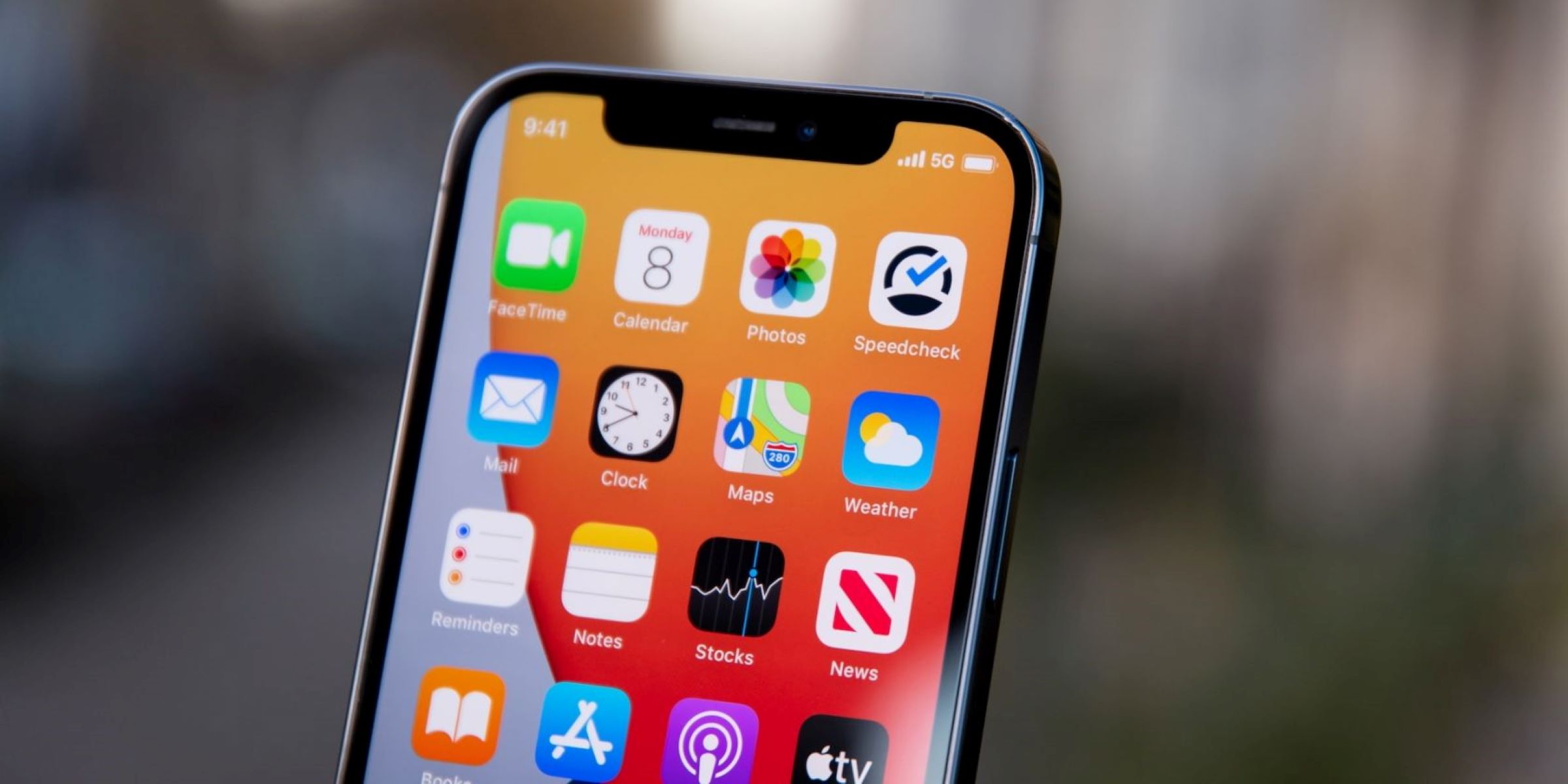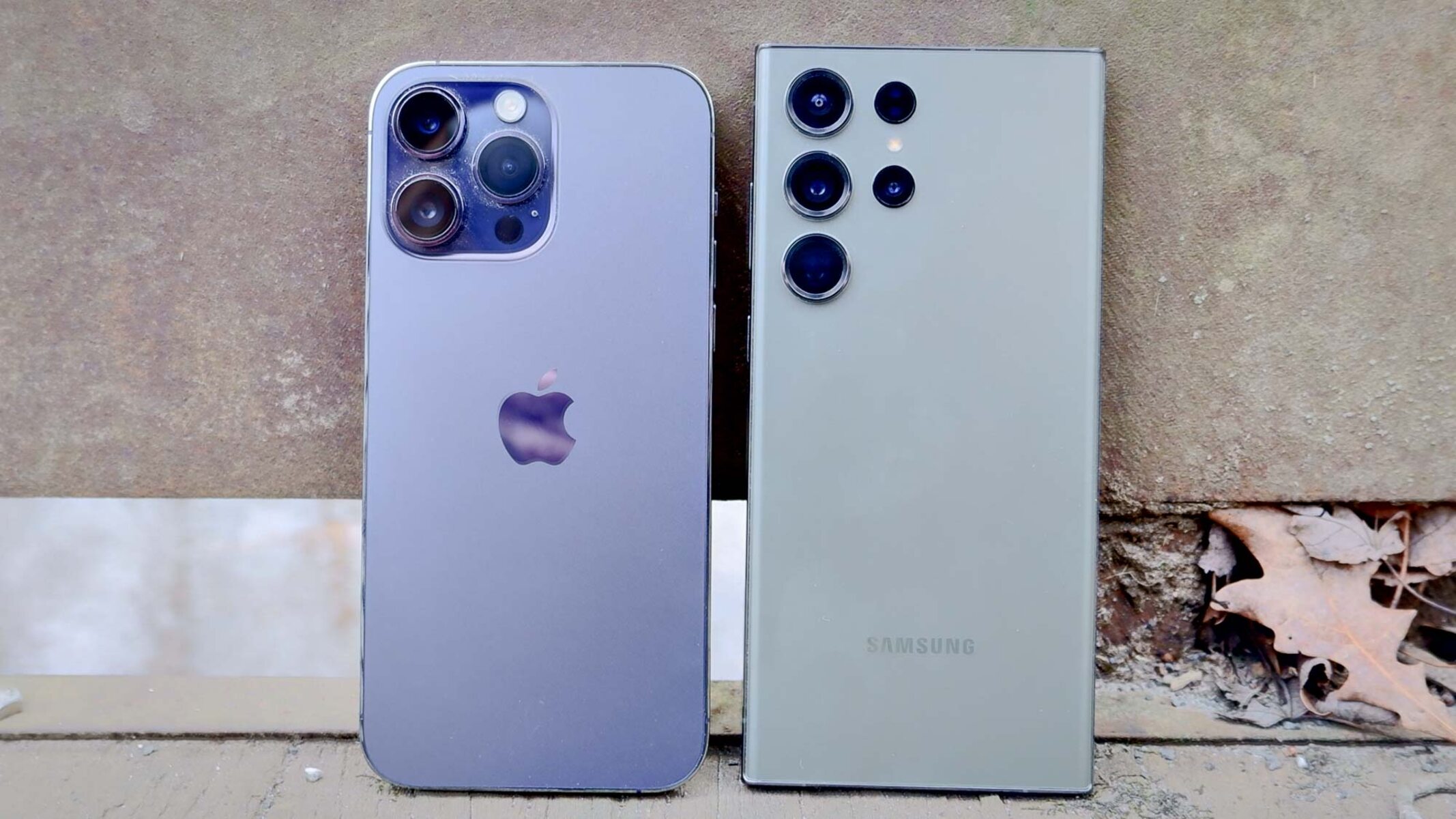
The difference between a smartphone and an iPhone is that a smartphone is a broad category of mobile device, while an iPhone is a specific brand of smartphone made exclusively by Apple. All iPhones are smartphones, but not all smartphones are iPhones, as most other smartphones run on the Android operating system.
What is the difference between smartphone and iPhone?
A smartphone is a mobile device that combines the functionality of a traditional mobile phone with advanced computing capabilities. Smartphones typically feature a touchscreen interface, an operating system that allows users to download applications, internet access, and multimedia functions. An iPhone is a specific brand of smartphone developed and marketed exclusively by Apple Inc. All iPhones are smartphones, but not all smartphones are iPhones. The core distinction lies in the operating system: iPhones run on Apple's proprietary iOS, while most other smartphones run on Google's Android operating system.
Operating system: iOS vs. Android
The fundamental technical difference between an iPhone and other smartphones is the operating system. iPhones run on Apple's proprietary mobile operating system called iOS. Most other smartphones primarily run on the Android operating system, developed by Google. iOS is known for its user-friendly interface and consistent experience across devices. Android offers greater customization options for users, including widgets, themes, and launchers. This means that if you want a predictable, streamlined interface that works the same way on every iPhone, you choose iOS. If you prefer to tweak your home screen layout, install a custom launcher, or change your default apps, Android provides that freedom.
Ecosystem and brand integration
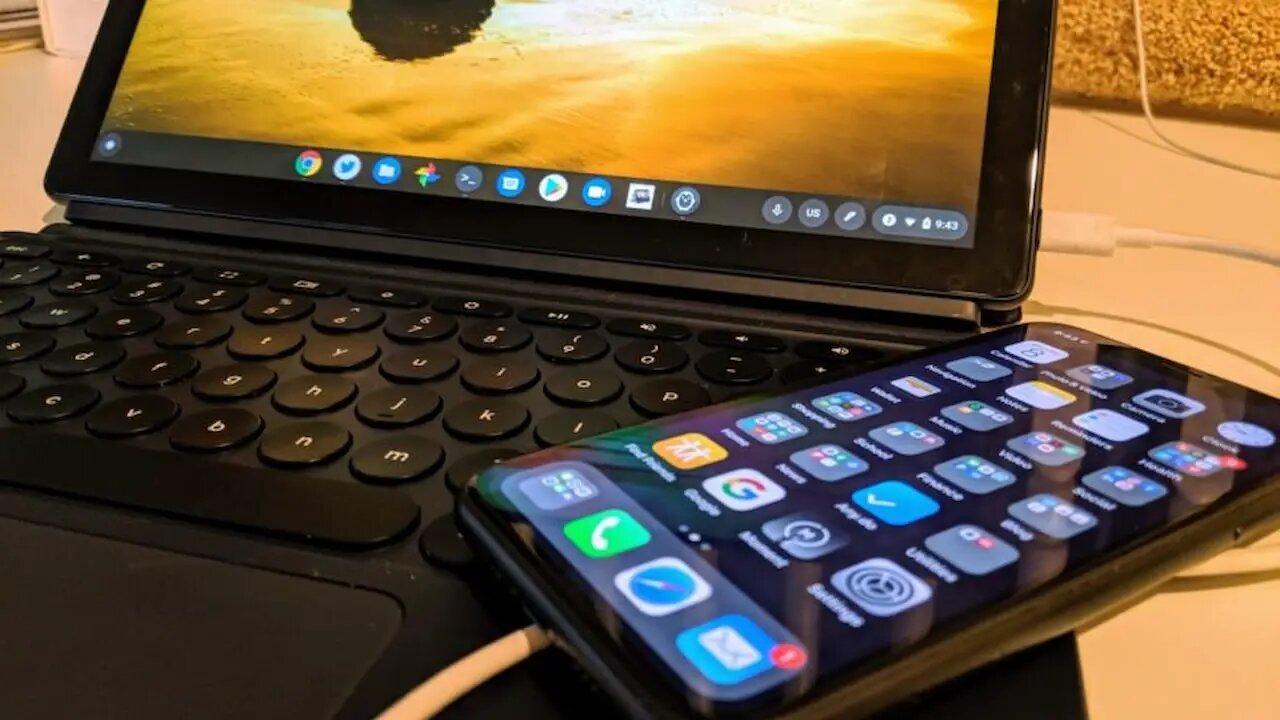
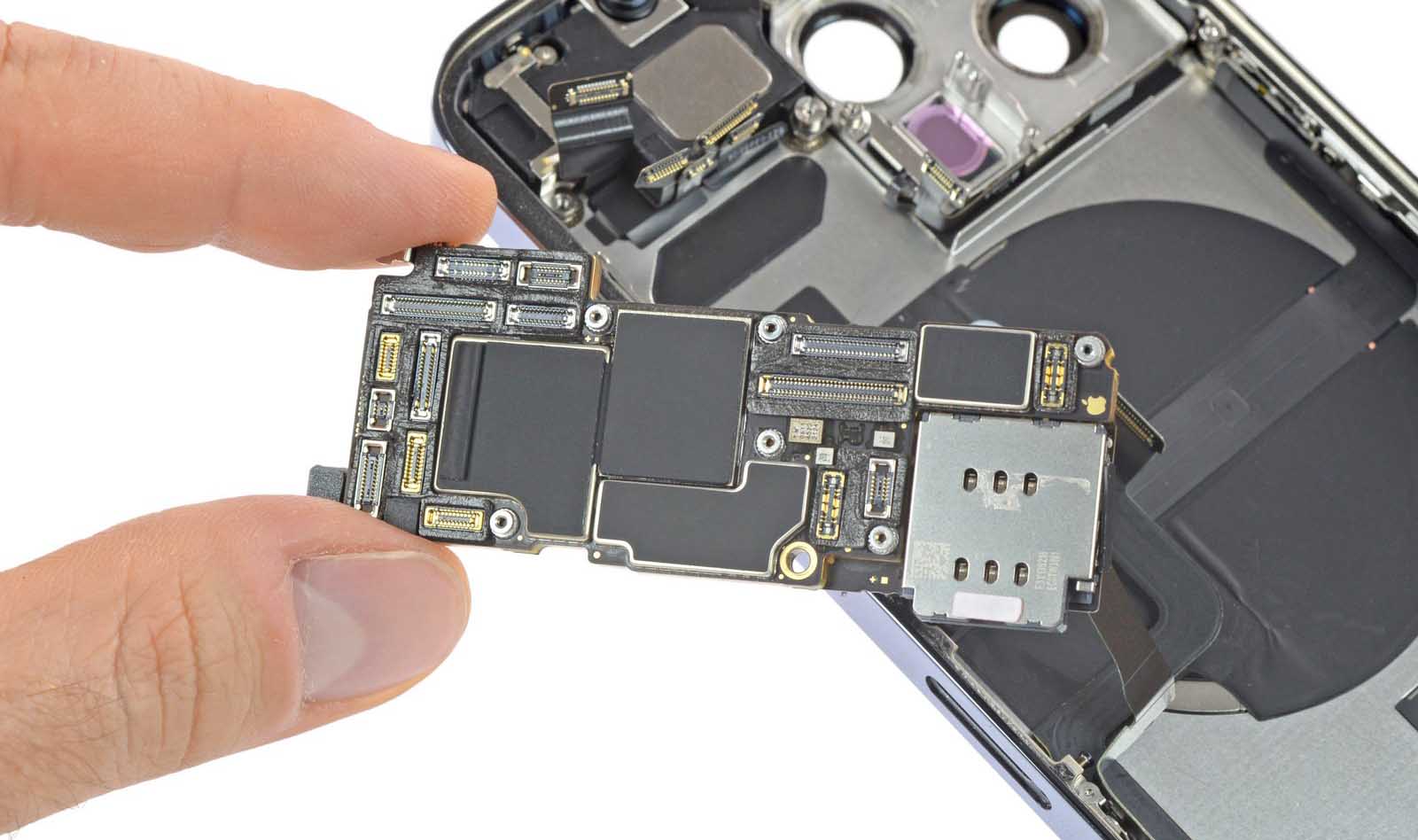
Apple designs both the hardware and software for iPhones, leading to a tightly integrated and optimized ecosystem. This control means your iPhone syncs seamlessly with other Apple devices like a Mac, iPad, or Apple Watch. Features like AirDrop and iMessage work exclusively within this ecosystem, creating a fluid experience when you own multiple Apple products. In contrast, Android smartphones are manufactured by various companies (e.g., Samsung, Google Pixel, OnePlus), offering a wider range of hardware designs, features, and price points. The Android ecosystem is more open but also more fragmented, meaning integration between a Samsung phone and a Windows laptop, for example, is less seamless than Apple's walled garden. If you already own Apple products or value a device that works in perfect harmony with your other gadgets, the iPhone's ecosystem is a major advantage.
Software updates and device longevity
Software support is a significant differentiator. iPhones generally receive software updates for 6 or more years, providing a longer period of support and consistent security patches for all supported models simultaneously. This means your iPhone will get the latest iOS update on the same day as everyone else with a supported model. Software updates for Android devices can vary significantly in frequency and duration depending on the manufacturer and model. Some manufacturers, like Google with its Pixel line, offer timely updates, but many others provide updates for a shorter period or with considerable delays. If you want a phone that stays secure and up-to-date for as long as possible, the iPhone's update policy is a clear benefit.
Customization and user experience
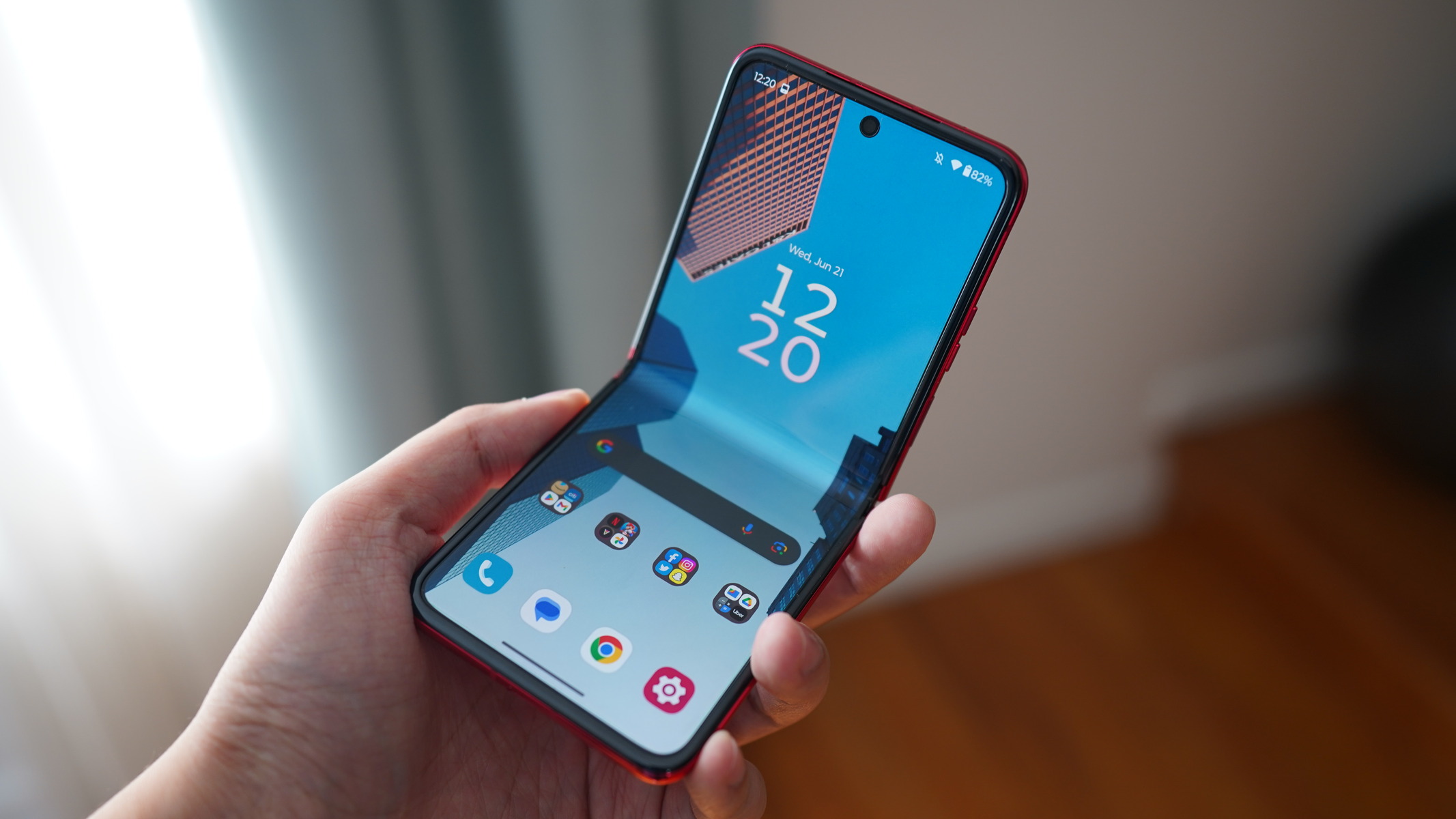
The user experience on an iPhone is defined by its consistency and simplicity. iOS is known for its user-friendly interface and consistent experience across devices. Everything is designed to be intuitive and work out of the box. Android, on the other hand, offers greater customization options for users, including widgets, themes, and launchers. You can change nearly every aspect of the interface, from the app icons to the way your home screen functions. This is a trade-off: iOS offers a polished, controlled experience that is easy for anyone to pick up, while Android gives you the power to make the phone truly yours. If you value a phone that just works without needing to tinker, choose an iPhone. If you love to customize every detail, an Android smartphone is the better fit.
App stores and security
The Apple App Store is the exclusive platform for downloading applications on iPhones, while Android devices use the Google Play Store. Apple prioritizes stringent security measures and data protection protocols within its iOS ecosystem. The App Store has a strict review process for all apps, which helps ensure a higher baseline of quality and security. Android's security can be highly customizable, with Google Pixel devices receiving rapid patches, but consistency varies across other Android manufacturers. The Google Play Store is more open, which gives developers more freedom but can also lead to a higher risk of encountering malicious apps. If you prioritize a curated, secure app environment with less risk of malware, the iPhone's App Store model is preferable.
Price and hardware diversity
The price difference is stark. iPhones typically have a higher entry price point compared to the diverse range of Android smartphones, which include many budget-friendly options. Android smartphones are manufactured by various companies, offering a wider range of hardware designs, features, and price points. Apple only sells iPhones, and they are all positioned as premium devices. This means if you are on a tight budget, an Android smartphone is your only realistic option. If you are willing to pay a premium for a polished, high-end experience, the iPhone is a direct choice.
Making the right choice for you
Your decision comes down to your priorities. If you value a consistent, secure, and integrated experience with long-term software support, and you are willing to pay a premium for it, the iPhone is the right choice. If you prioritize maximum choice in hardware, the ability to customize your software, and a wide range of price points from budget to premium, an Android smartphone is the better option. Understanding how to make a smartphone is a complex engineering feat, but choosing between them is simple: decide what matters most to you in a mobile device and pick the platform that delivers it.
\nRelated reading: How To Use Phone As VR Headset and How To Connect Wifi Without Password.