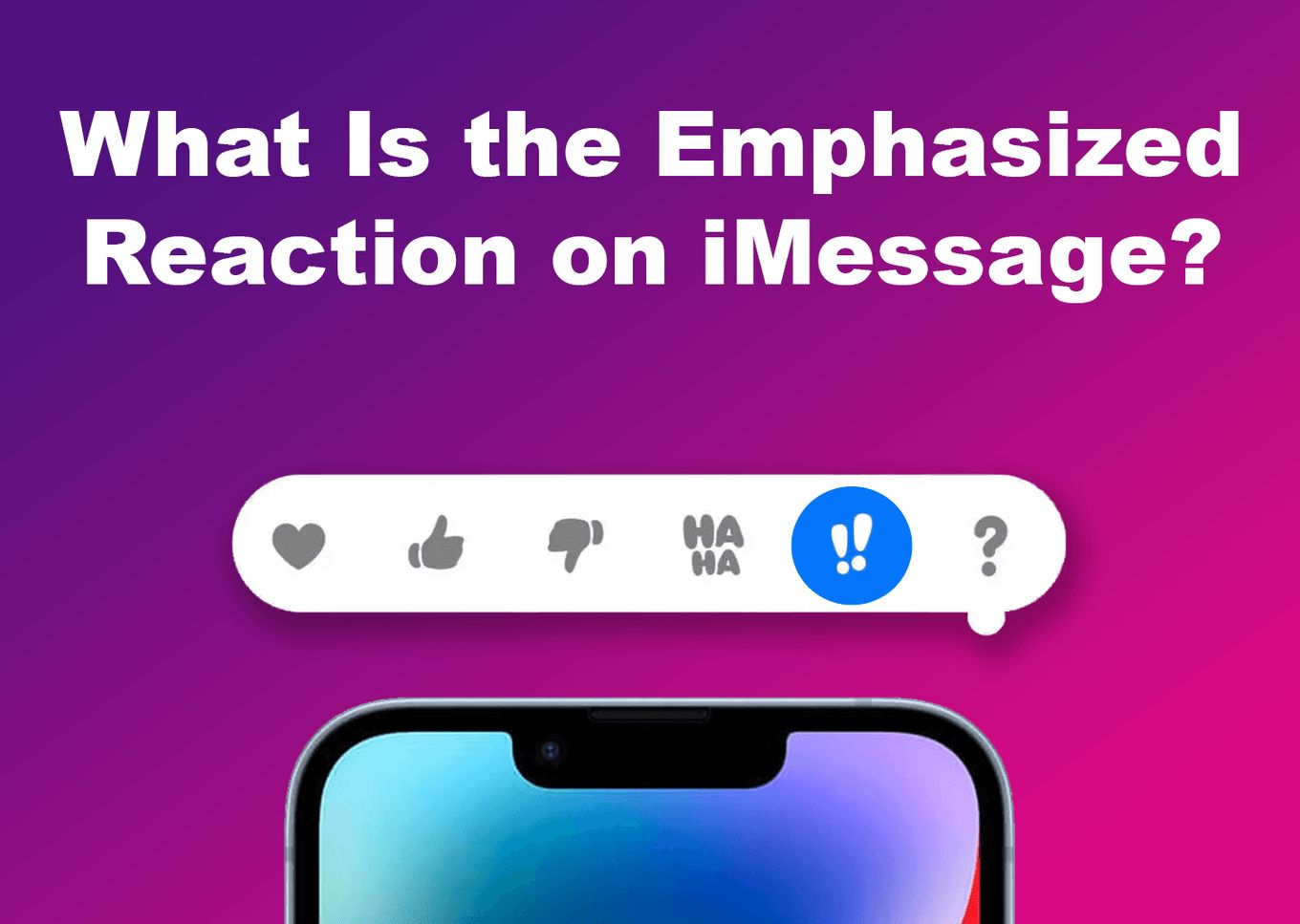
In iMessage, a single red exclamation mark next to a message means the message failed to send or be delivered, not that you have used a "loud" effect. This is the only meaning of the two exclamation points iMessage users see, and it is accompanied by a "Not Delivered" alert.
What the two exclamation points in iMessage really mean
The red exclamation mark is a visual alert that your message did not reach the recipient. It appears as a single red icon next to the message bubble, and tapping it reveals the "Not Delivered" error. This is a delivery failure indicator, not a special effect you can add to your messages. If you see a red exclamation point, it is a problem, not a feature.
Why your iMessage has a red exclamation mark
The primary cause for a "Not Delivered" message with a red exclamation mark is a lack of internet access, either via Wi-Fi or cellular data, on the sender's or recipient's device. iMessage requires a cellular data or Wi-Fi connection to send messages. If either device loses connectivity, the message will fail. Other common triggers include temporary network outages, airplane mode being enabled, or the recipient having their device turned off.
How to fix the 'Not Delivered' error immediately
When you see the red exclamation mark, you can attempt to resend the message right away. To attempt to resend a message, tap the red exclamation mark and then select "Try Again" from the pop-up menu. If retrying fails, you can tap the red exclamation mark and choose "Send as Text Message" to send it as an SMS, though standard messaging rates may apply. This sends the message over the cellular network instead of the internet, bypassing the connectivity issue.
Troubleshooting persistent iMessage delivery failures
If the immediate fix does not work, try these advanced steps:
- Restart your iPhone or iPad. Restarting your iPhone or iPad can resolve minor glitches with the Messages app or network connection.
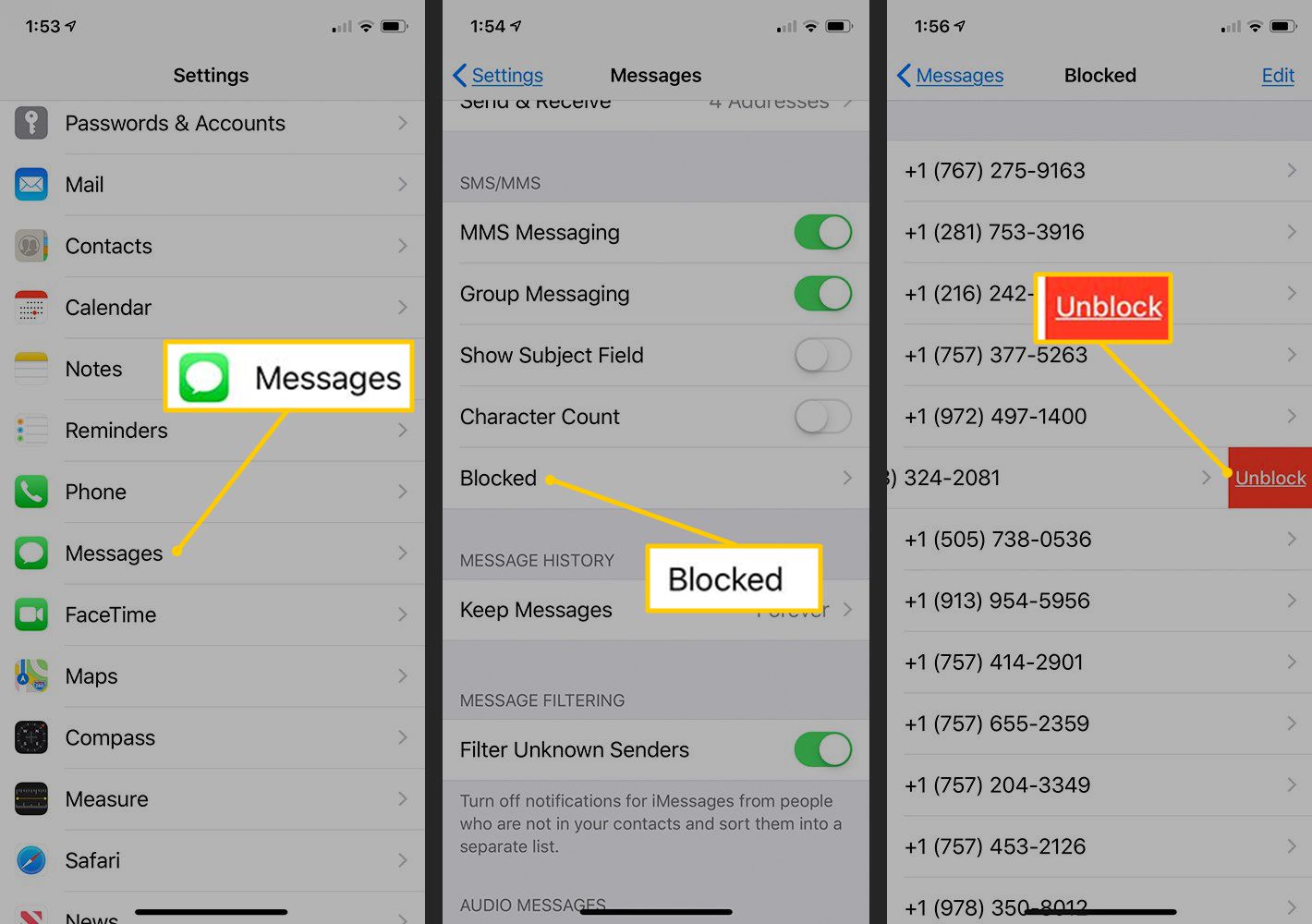
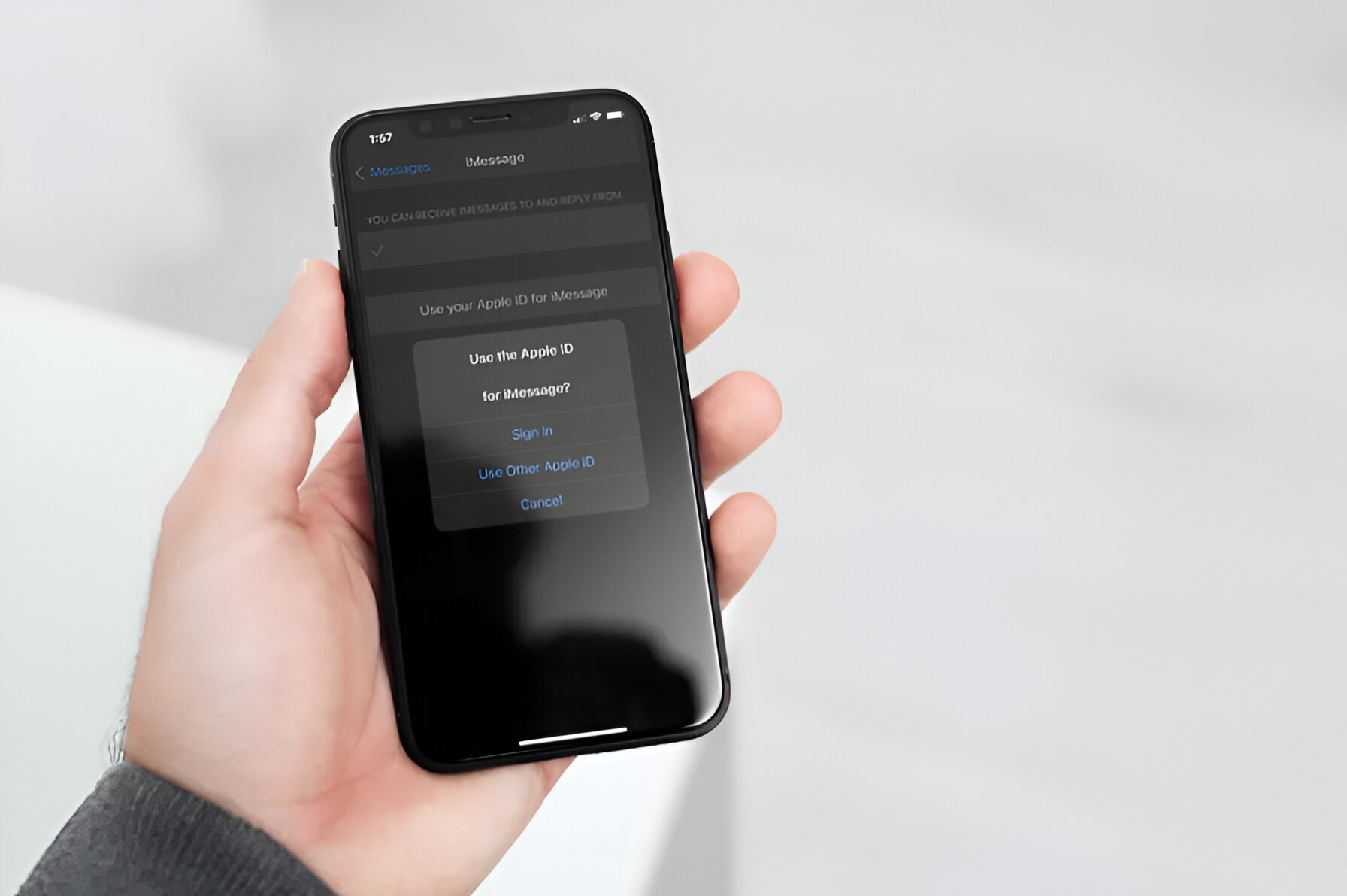
- Turn iMessage off and then back on. Turning iMessage off and then back on in Settings > Messages can refresh the service and resolve delivery issues.
- Update your iOS software. Ensuring your device has the latest iOS software update can fix bugs that interfere with iMessage functionality.
- Check your cellular settings if you have a new device. If you are experiencing issues after setting up a new device, ensure your phone line is turned on in Settings > Cellular and that your desired phone number is selected for Messages in Settings > Messages > Send & Receive.
These steps address the most common causes of persistent delivery failures, from software glitches to configuration errors.
Preventing future iMessage delivery problems
To avoid seeing the red exclamation mark, make sure you have a stable internet connection before sending critical messages. Check that Wi-Fi or cellular data is active and that you are not in airplane mode. If you frequently send messages in areas with poor coverage, consider enabling "Send as Text Message" as a default fallback in Settings > Messages. This way, if iMessage fails, the message will automatically send as an SMS without you needing to manually resend it.
\nRelated reading: How To Send Disappearing Photo On iMessage, How To Hide Conversations On iMessage, and How To Unsend A Photo On iMessage.