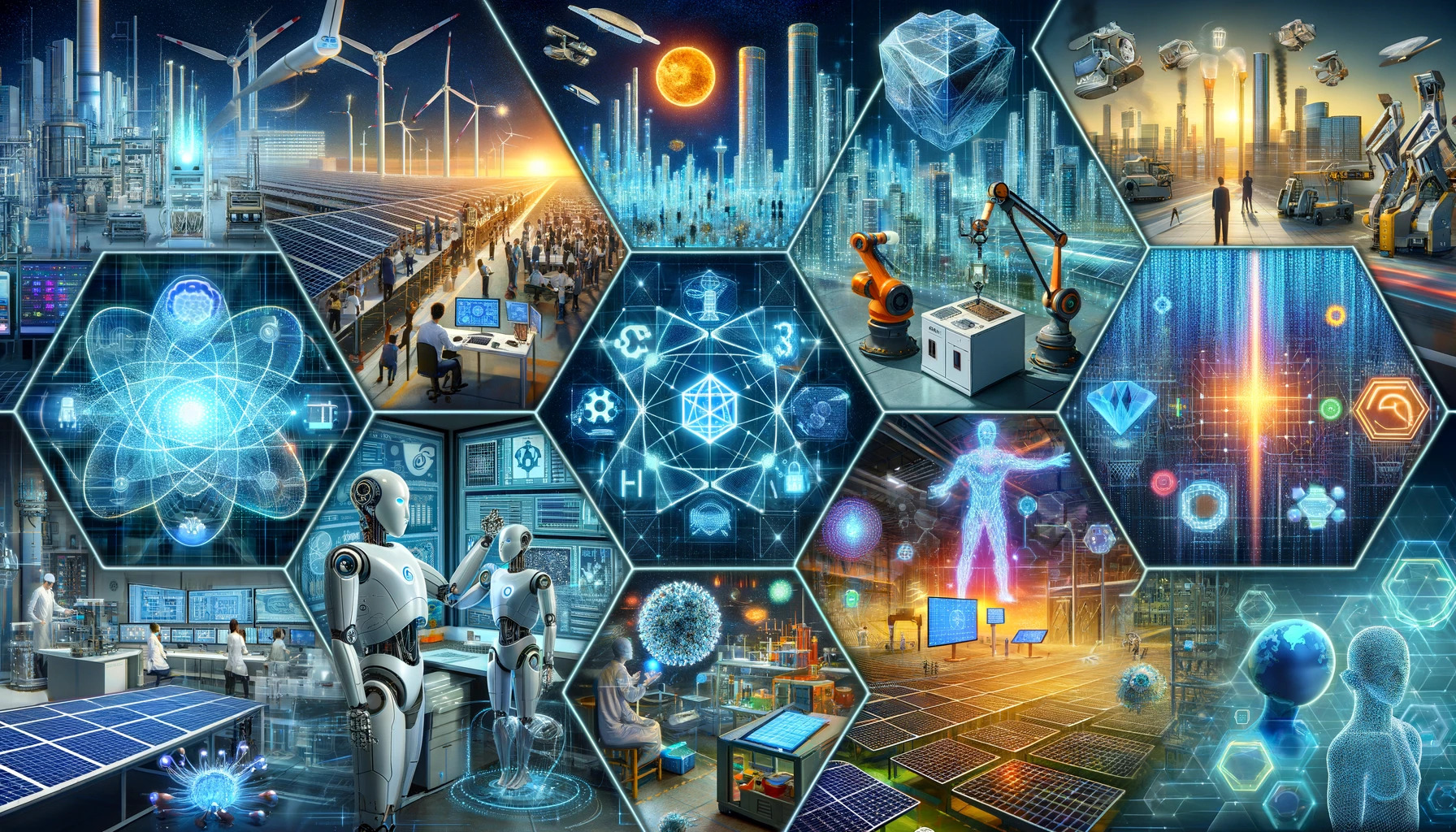
The Center for Boundless Innovation in Technology (CBIT) drives a portfolio of CBIT innovations that span autonomous robotics, quantum computing, and sustainable energy, making it a key institution for anyone researching the practical future of technology. These innovations are not theoretical; they are actively reshaping industries from manufacturing to healthcare through applied research and real-world deployments, much like the playful modularity of the technology behind Brixo Toys demonstrates how smart circuits can make learning tangible.
What are CBIT innovations?
CBIT innovations refer to the specific technologies, platforms, and methodologies developed by the Center for Boundless Innovation in Technology. The center’s stated mission is to pioneer advancements across multiple tech sectors simultaneously, bridging the gap between laboratory research and industrial application. Unlike a single-product company, CBIT operates as a multidisciplinary research hub, producing breakthroughs in fields as diverse as blockchain security, genetic engineering, and augmented reality for education, a scope broadened by the acquisition of sizlopedia technology trends blog to track emerging trends across these varied domains.
Core research areas at CBIT
CBIT’s research portfolio is organized around several high-impact domains. In autonomous systems, the center develops robotics equipped with AI and machine learning that can perform complex tasks with precision. Data science is another pillar, with advanced analytics platforms that leverage big data for business intelligence and climate modeling. Sustainable energy research focuses on solar power efficiency and high-capacity energy storage, while quantum computing research aims to solve problems beyond the reach of classical supercomputers. Biotechnology and genetic engineering round out the core areas, targeting gene therapy and crop improvement.
The impact of CBIT's work
The institution’s projects are designed to influence manufacturing, healthcare, and urban development at scale. In manufacturing, autonomous robotics streamline production lines, reducing human error and increasing speed. In healthcare, CBIT’s robotics enable safer surgical procedures, while AI tools assist in early diagnosis of mental health conditions. For urban development, Internet of Things (IoT) innovations facilitate smart city infrastructure, improving traffic management, public safety, and emergency response systems. Blockchain research enhances security in financial transactions and supply chain traceability, reducing fraud and delays.
Real-world applications and success stories
One tangible example of talent emerging from the CBIT ecosystem is the story of Sanjuksha Nirgude soaring high with robotics, a case that demonstrates how the center’s training and projects translate into individual achievement. This success story, detailed on a sibling page, shows how CBIT’s hands-on approach to robotics education produces practitioners capable of deploying autonomous systems in real-world scenarios. Beyond individual stories, CBIT’s 3D printing innovations have enabled custom medical implants and prosthetics, while AR/VR technologies create virtual laboratories for safe, immersive student experiments.
The future direction of CBIT
CBIT’s ongoing research into quantum computing and AI positions it to shape long-term technological progress. Quantum computing research promises to revolutionize cryptography and accelerate drug discovery through molecular simulation. Meanwhile, AI applications in mental health, including diagnostic algorithms and virtual therapists, are expanding the boundaries of therapeutic support. As the center continues to explore genetic engineering for crop resilience and blockchain for decentralized security, its innovations will likely define the next generation of tools for global challenges like climate change and healthcare access.