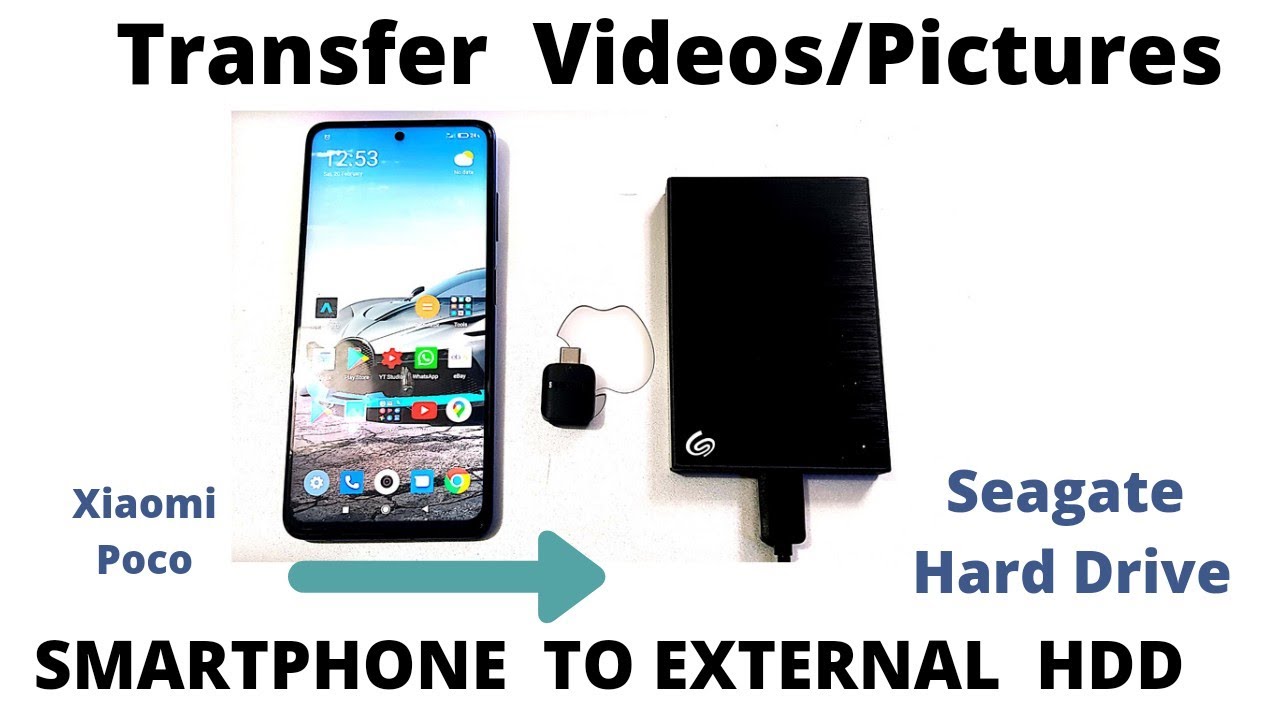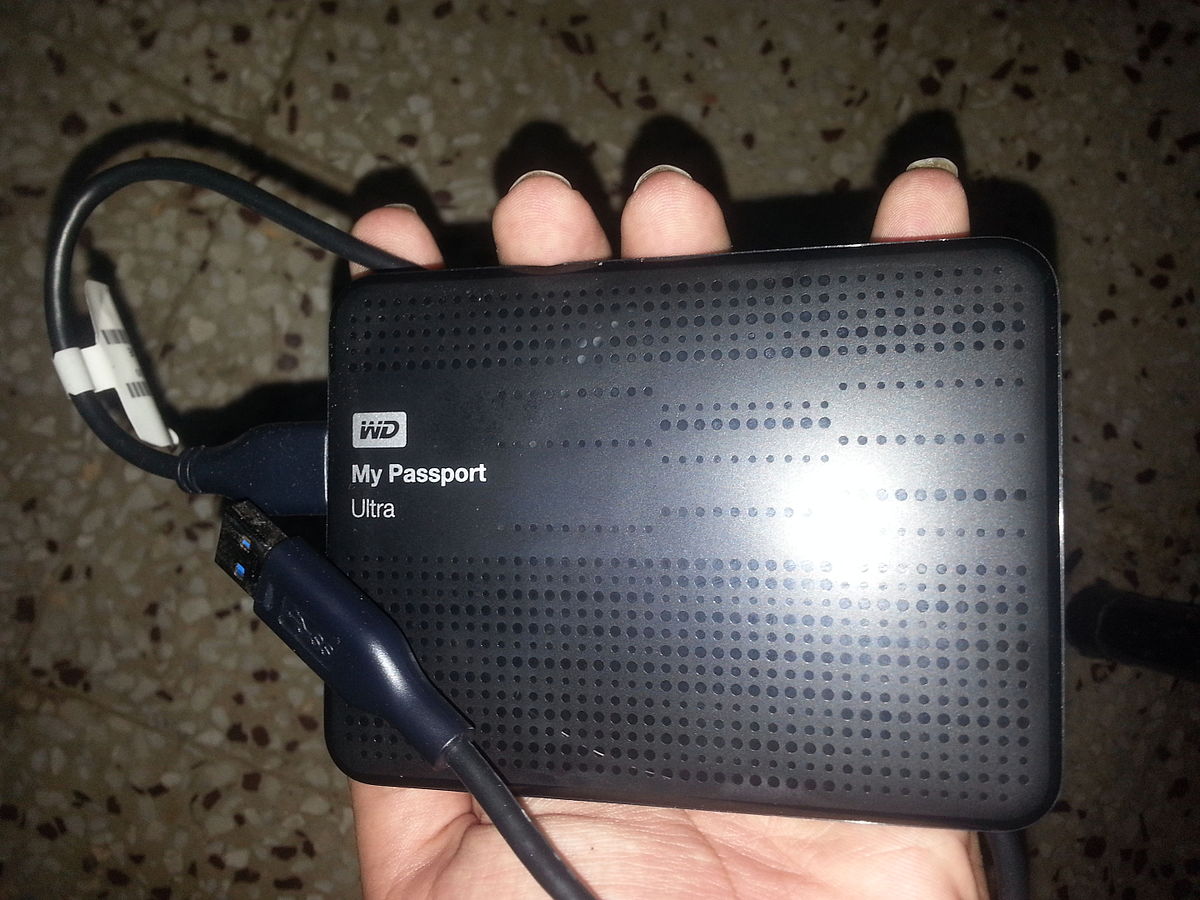
To transfer files to your My Passport hard disk drive, connect it to your computer, open File Explorer (Windows) or Finder (Mac), select the files you want to move, and copy them directly into the My Passport folder. If you are consolidating cloud data, you may first need to move files from iCloud to external hard drive or move files from Google drive to external hard drive before adding them here. This guide walks you through each step to ensure a fast, safe, and reliable file transfer to your My Passport, whether you're backing up documents, photos, or large video projects.
Before you transfer files to My Passport: Check space and format
Before you start copying, make sure your My Passport has enough room for the data and is formatted correctly to handle it. The available space is shown clearly in the window that appears. This step prevents mid-transfer errors like "disk full" or "file too large."
For large files, such as HD videos or disk images, your My Passport must be formatted with NTFS (Windows default) or exFAT (compatible with both Windows and Mac). The older FAT32 format cannot handle files over 4GB. If your drive is FAT32 and you need to store large files, you'll need to reformat it (note: reformatting erases all data, so back up anything important first). Most My Passport drives come pre-formatted as NTFS for Windows or HFS+ for Mac, so check the label or drive properties to confirm.
Step 1: Connect your My Passport drive correctly
Always use the original USB cable that came with your My Passport. Plug one end into the drive and the other end directly into a USB port on your computer, avoid using unpowered USB hubs, as they can cause connection drops or slow transfers. For best performance, use a USB 3.0 or newer port (usually blue on the inside) if available.
After connecting, verify the drive is recognized. On Windows, open File Explorer and look for "My Passport" under "This PC." If you don't see it, try a different USB port or reconnect the cable. Once the drive appears, you're ready to proceed.
Step 2: Locate and select your files
Open File Explorer (Windows) or Finder (Mac) and navigate to the folder containing the files you want to transfer. This could be your Documents, Pictures, Videos, or any other folder. Take your time to find everything you need, it's easier to select all at once than to repeat the process.
To select files, use these methods:
- Single file: Click once on the file.
- Multiple files (non-consecutive): Hold down Ctrl (Windows) or Command (Mac) and click each file you want.
- All files in a folder: Press Ctrl + A (Windows) or Command + A (Mac) to select everything.
- Range of files: Click the first file, hold Shift, then click the last file to select everything in between.
Double-check your selection before moving to the next step to ensure you haven't missed any important files.
Step 3: Copy files to your My Passport drive
Once your files are selected, you have three easy ways to copy them to the My Passport drive. All methods create a duplicate on the external drive while leaving the originals untouched on your computer.
Method A: Right-click Copy and Paste
Right-click any selected file, choose Copy (or press Ctrl + C / Command + C). Then, open the My Passport drive in File Explorer or Finder (it appears under "This PC" or "Locations"). Right-click an empty area inside the drive folder and select Paste (or press Ctrl + V / Command + V). The transfer begins immediately.
Method B: Send to menu (Windows only)
Right-click the selected files, choose Send to, and then click My Passport from the submenu. Windows will automatically copy the files to the drive without needing to open it first.
Method C: Drag and Drop
Open the My Passport folder in a separate window, then click and drag the selected files from your source folder directly into the My Passport window. Release the mouse button to drop them. This method works on both Windows and Mac.
During the transfer, a progress bar will appear showing the file count and estimated time. Wait until it says "complete" before moving on. Do not unplug the drive during this process.
Step 4: Safely eject your My Passport drive
After the transfer finishes, you must safely eject the drive before unplugging it. This ensures all data is written correctly and prevents file corruption.
On Windows: Click the Safely Remove Hardware icon in the system tray (bottom-right corner, looks like a USB plug with a checkmark). Select Eject My Passport from the menu. When the notification says "Safe to Remove Hardware," you can unplug the cable.
On Mac: Click the Eject button (upward arrow) next to the My Passport drive in Finder's sidebar. Or, right-click the drive icon on the desktop and select Eject. Once the icon disappears from the desktop, it's safe to disconnect.
Always follow this step, skipping it can lead to data loss or a corrupted drive that may need reformatting.
A note on WD Backup software
The official WD Backup software (previously included with My Passport drives) has been discontinued and is no longer supported by Western Digital. While users who already downloaded it can continue to use it for scheduled backups, new users should not rely on it. Manual file transfer, as described in this guide, is the most reliable and universally compatible method. It gives you full control over what gets copied, where it goes, and when. Plus, it works on any operating system without needing extra software.
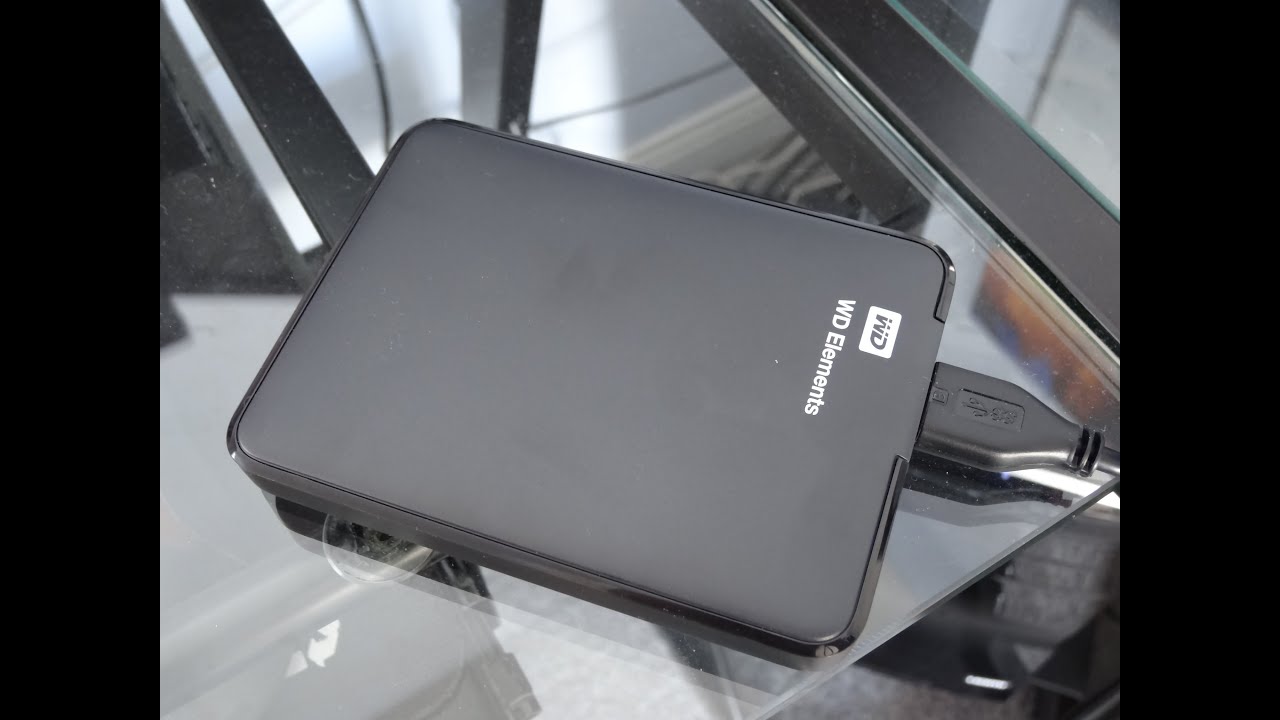
If you're looking for alternatives, you can also use a LaCie external hard drive with the same manual copy-paste steps, or use a WD Elements external hard drive following this exact same process. For other drives, the procedure is identical: connect, copy, eject. You can even back up files with a Seagate external hard drive using the same drag-and-drop method. And if you ever need to check storage on an external hard drive, just right-click the drive and select Properties (Windows) or Get Info (Mac). To copy one external hard drive to another, simply connect both drives, select everything from the source, and paste it into the destination; the same steps apply.
By following this guide, you now know exactly how to upload files to your My Passport hard disk drive. Your data is safely stored, easily accessible, and ready whenever you need it.
For the wider topic, see use lacie external hard drive.