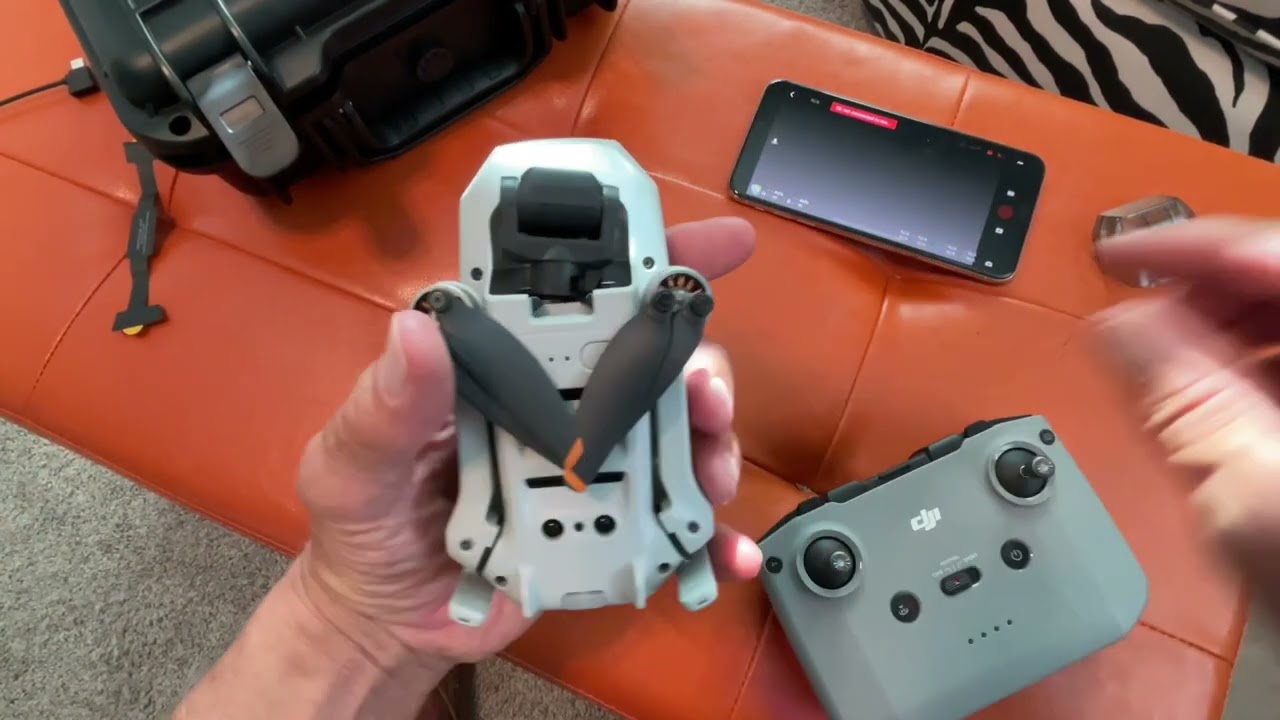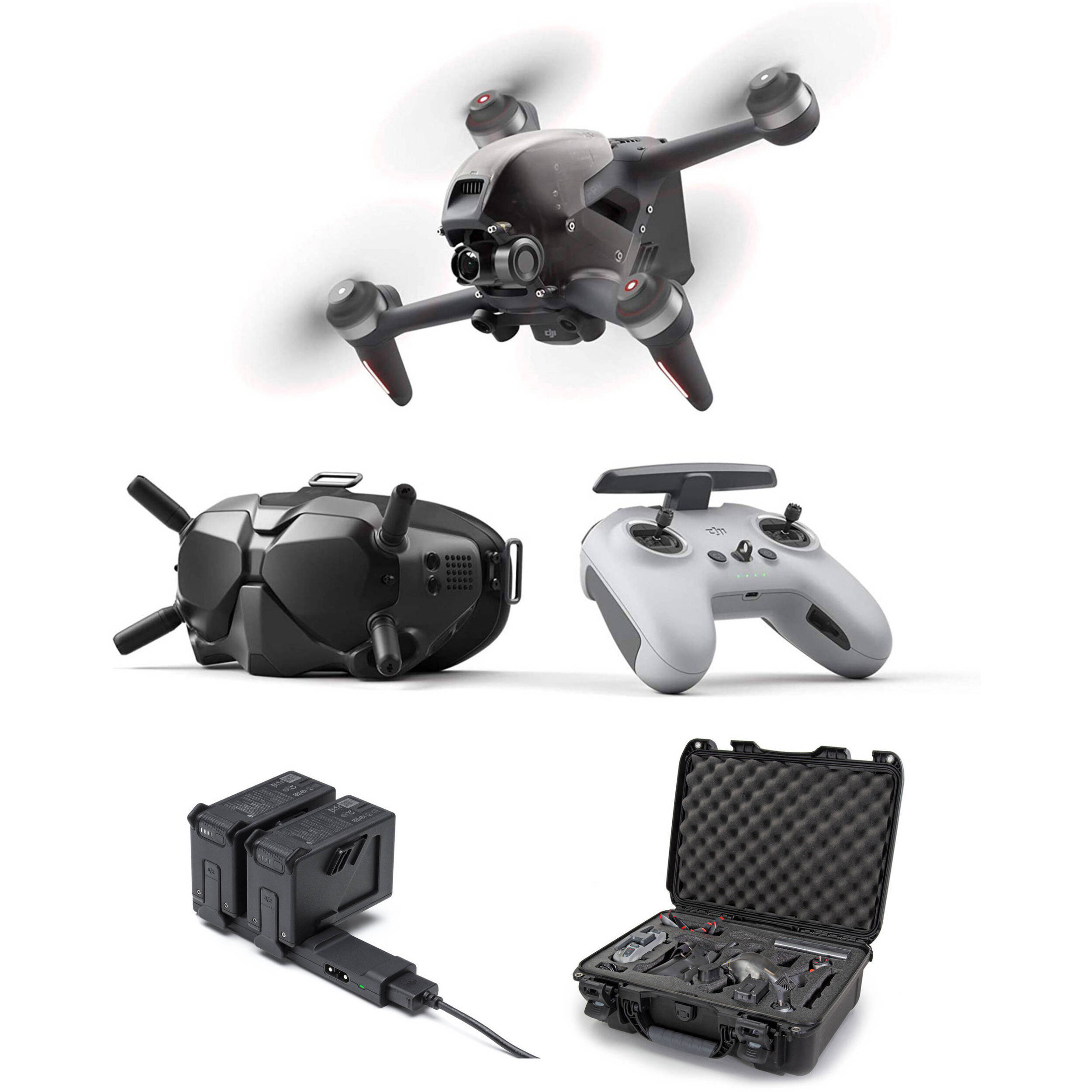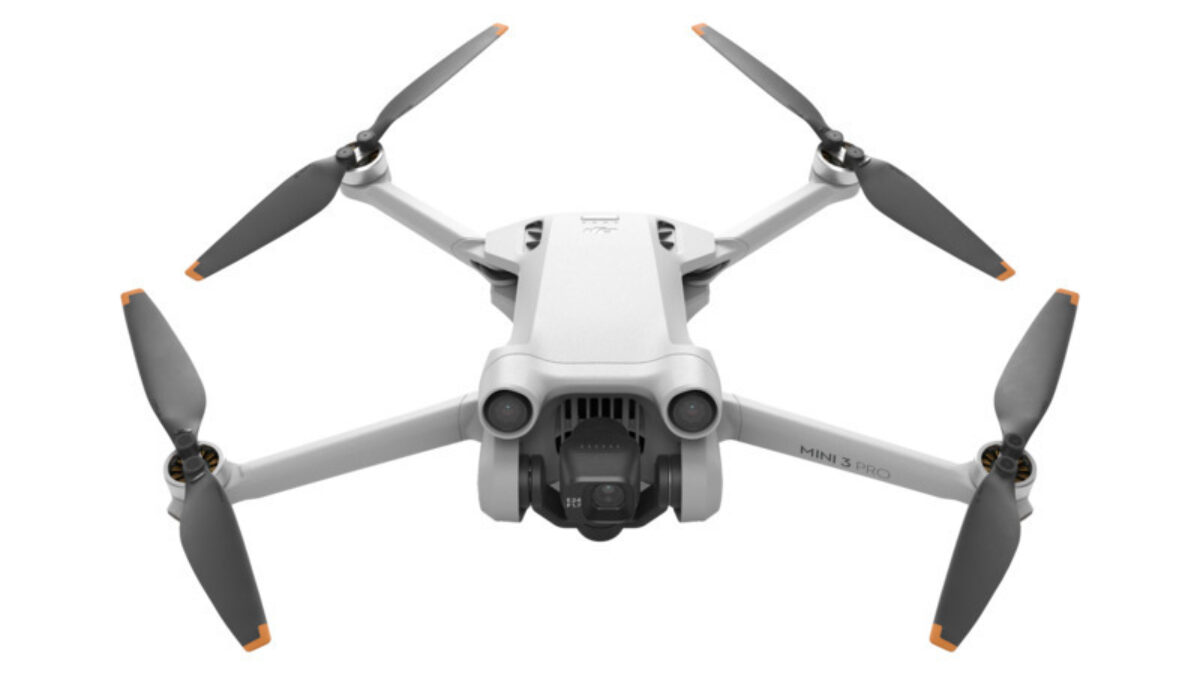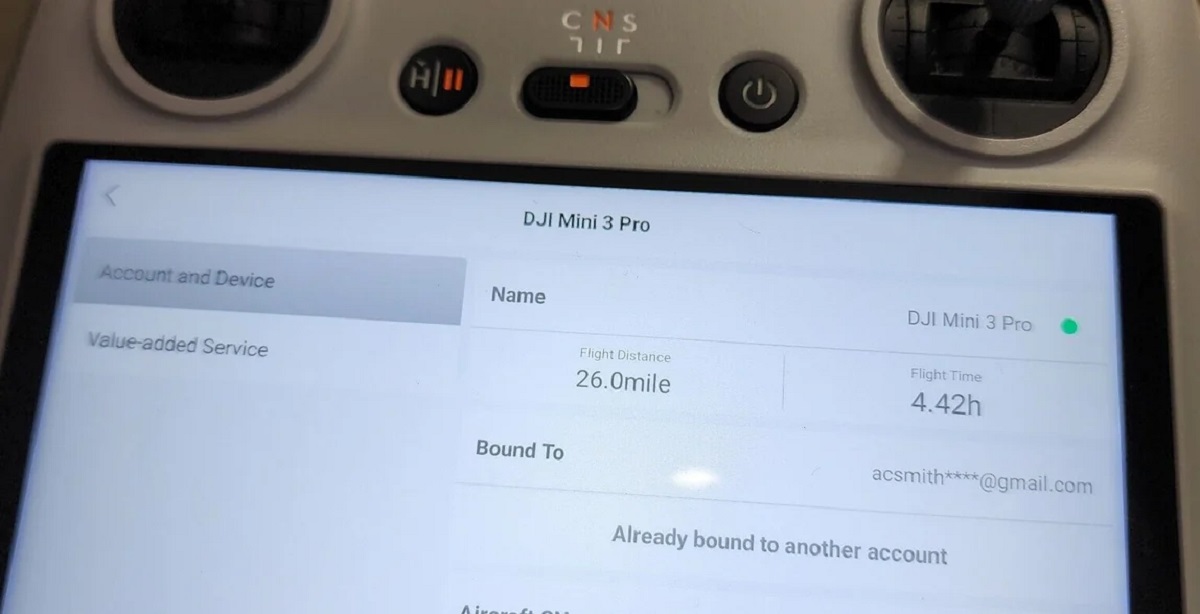
To unbind a DJI drone from an account, you must use the DJI Fly app (or DJI Mimo app for Osmo devices) while logged into the original account that holds the binding. The process takes only a few taps once you're in the right menu, and it permanently removes the aircraft from that account so a new owner can link it to theirs.
Why you might need to unbind your DJI drone from account
Unbinding is almost always about transferring ownership or switching accounts. If you're selling your drone, the buyer cannot link it to their own DJI account until you remove it from yours. The same applies if you're giving the drone away or handing it to a family member. Some pilots also unbind when they want to move a drone to a different DJI account they control, perhaps after creating a new account or consolidating multiple devices. In rare cases, unbinding and rebinding can clear up persistent connectivity or syncing errors between the app and the aircraft. Whatever your reason, the goal is the same: sever the digital link between the drone and the account so it can be used independently or attached to a new profile.
Before you start: a quick preparation checklist
Take a few minutes to prepare before you begin the unbinding process. First, make sure you're logged into the exact DJI account that is currently bound to the drone, only the original account holder has the right to unbind the aircraft. Second, confirm you have a stable internet connection, because the app needs to communicate with DJI's servers to complete the removal. Third, back up any flight data or media you want to keep; while unbinding itself doesn't erase onboard files, it's good practice to transfer important photos, videos, and flight logs to your computer or cloud storage. Finally, charge the drone battery and keep the aircraft powered on during the process, as the app may need to verify the connection at certain steps.
How to unbind your DJI drone from account using the DJI Fly app
The DJI Fly app is the primary tool for unbinding most modern DJI drones, including the Mavic, Air, Mini, and Phantom series. Follow these steps in order:
- Power on the drone and the remote controller, then connect your smartphone or tablet to the remote controller.
- Open the DJI Fly app and log in with the DJI account that is currently bound to the drone.
- Ensure the app successfully connects to the aircraft and remote controller, you should see the live camera feed or at least a solid connection indicator.
- Tap the Profile icon in the bottom-right corner of the screen.
- Select Device Management from the profile menu.
- Tap on the drone you want to unbind from the list of linked devices.
- Choose Remove Device from Account.
- Review the Device Binding Info that appears on screen to confirm you're removing the correct aircraft.
- Tap Next, then tap Confirm to complete the unbinding.
Once you confirm, the app will send the removal request to DJI's servers. The drone will disappear from your device list within a few seconds, and the process is complete.
How to unbind a device in the DJI Mimo app
For Osmo Mobile series devices and other hardware that uses the DJI Mimo app, the unbinding process is slightly different but just as straightforward. This applies to gimbal stabilizers and similar accessories that are tied to a DJI account. Here's how to do it:
- Open the DJI Mimo app on your smartphone or tablet and log in with the account that holds the binding.
- Tap the Profile icon at the bottom of the screen.
- Select My Devices to see a list of all hardware linked to your account.
- Find the device you want to unbind in the list.
- Swipe left on the device name to reveal action buttons.
- Tap the red trash can icon.
- Tap OK when the confirmation prompt appears.
The device will be immediately removed from your account. Note that this method works for Osmo Mobile series products; some other Osmo devices, like the Osmo Pocket series, may not support user-initiated unbinding through the app at all.
What to do if the drone is bound to a previous owner's account
If you bought a used DJI drone and discovered it's still bound to the previous owner's account, you cannot unbind it yourself. DJI's security model is strict: only the original account holder has the right to remove the binding. The new user has no independent path to force an unbinding. Your first and best move is to contact the original owner and ask them to remove the drone from their account. They can do this remotely through the DJI Fly app without needing physical access to the aircraft, they just log in, go to Device Management, and remove the drone from their list. If you cannot reach the previous owner, you can fill out DJI's official unbinding request form on their website. However, be aware that DJI will notify the original account holder about your request, and they cannot complete the unbinding without that person's explicit consent. For security and privacy reasons, DJI will not forcibly unbind a drone from a previous owner unless the original account holder manually approves the request. This means your options are limited to getting the seller to cooperate or continuing to pursue them through the platform where you made the purchase.
Verifying the unbinding was successful
After you've gone through the unbinding process, take a moment to confirm it worked. Open the DJI Fly app (or DJI Mimo app, depending on the device) and navigate to your profile's device management section. The drone should no longer appear in the list of devices linked to your account. If you still see it listed, repeat the removal steps or check that you're logged into the correct account, sometimes people accidentally log into a secondary account and wonder why the drone still shows up. Once the device is gone from your list, the unbinding is complete. The drone is now free to be linked to a different DJI account, which is exactly what you want if you're handing it off to a new owner or moving it to a different profile. You can also power cycle the drone and connect it to a fresh account to verify everything works as expected before finalizing a sale or transfer.
\nRelated reading: How To Turn DJI Drone Off, How To Find My Lost Drone, and Where Can I Purchase A Drone.