If you want to transfer playlist from Amazon Music to Spotify, the quickest way is to use Spotify’s built-in import tool, no manual file exports or conversions needed. This feature works directly in the Spotify mobile app, and you can use it even with a free Spotify account, so your playlists move over in a few taps without rebuilding anything from scratch.
Use Spotify's built-in playlist transfer tool
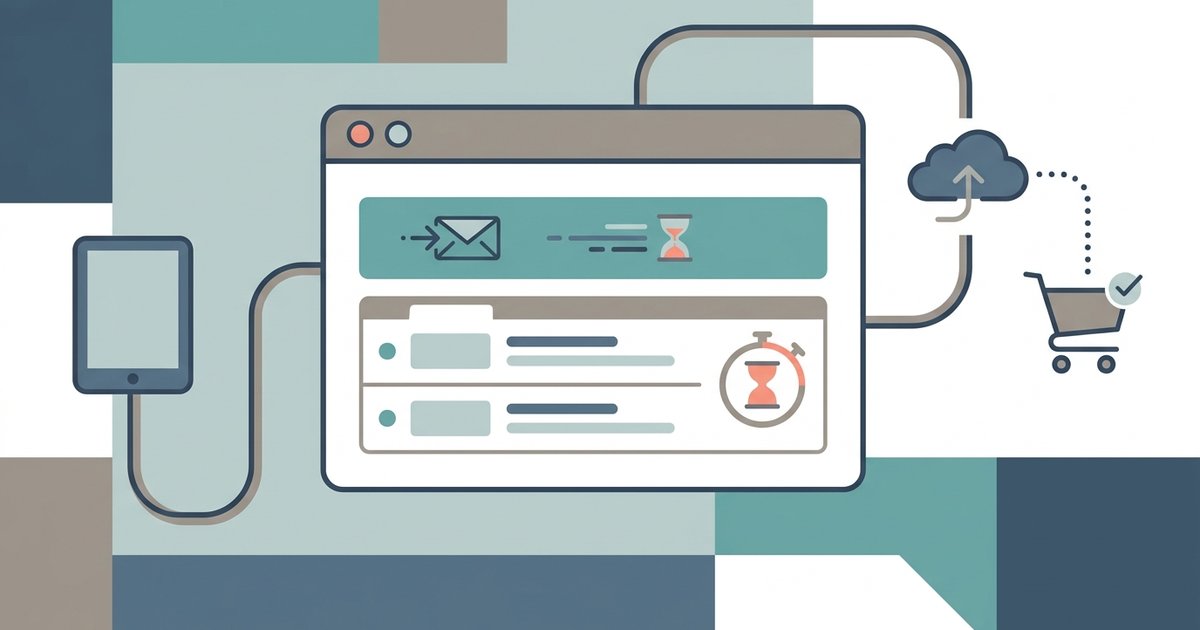
Spotify now includes a native playlist transfer option powered by TuneMyMusic, which eliminates the old workflow of exporting files and converting track links. To start, open the Spotify mobile app on your phone or tablet. Go to Your Library, scroll to the bottom of the screen, and tap “Import your music from other apps” (or “Import your music” depending on your app version).
- Select Amazon Music from the list of supported services.
- Log into your Amazon Music account to grant Spotify access to your playlists.
- Choose the playlists you want to bring over, you can pick one or several at once.
- Tap “Transfer to Spotify” and wait for the process to finish.
That’s it. The songs appear in your Spotify library under their original playlist names, and the track order stays the same as it was in Amazon Music. You don’t need a premium subscription to complete the transfer, so even if you’re on the free tier, you can move your entire collection over.
What transfers along with your playlists
When you use Spotify’s built-in tool, the playlists themselves come across with their names and song sequencing intact. If you want to move more than just playlists, like your liked songs, saved albums, or followed artists, you’ll need to use a third-party service. Most dedicated transfer tools, such as Soundiiz or FreeYourMusic, support these additional categories, so you can replicate your full Amazon Music library on Spotify rather than only the playlists you manually selected. This is especially useful if you’ve spent months building out a collection and want everything to carry over in one go.
Troubleshooting missing or skipped tracks
Not every song will make the jump. If a track isn’t available on Spotify’s catalog, due to regional licensing, artist removals, or exclusive deals, it will be skipped during the transfer. After the import finishes, open each playlist in Spotify and scan for gaps or grayed-out titles. To fill those holes, search for the song manually on Spotify; sometimes an alternate version, a live recording, or a remastered edition exists under a slightly different name. If you find a match, add it to the playlist yourself. For tracks that simply don’t exist on Spotify, you’ll have to decide whether to leave them out or replace them with a similar song from the same artist or genre. Checking playlists right after transferring saves you from discovering missing tracks later during a listening session.
Alternative third-party transfer services
While Spotify’s built-in tool handles the basics well, third-party services offer more control and flexibility. Soundiiz is a robust option that supports batch transfers, scheduled syncs, and moving data between dozens of streaming platforms, not just Amazon Music and Spotify. TuneMyMusic also works as a standalone web app, letting you transfer playlists from a computer browser if you prefer not to use the mobile app. FreeYourMusic is another reliable choice, with the added ability to maintain ongoing synchronization between your Amazon Music and Spotify libraries so that future playlist edits update on both sides automatically. These tools are worth considering if you need to move liked songs, saved albums, or followed artists, or if you want to keep two services in sync over time. They also come in handy if you ever want to use DJ on Spotify with playlists that originated elsewhere, since they ensure your entire library is present and organized before you start mixing.
After the transfer is complete, take a few minutes to organize Spotify playlists by renaming any that came over with generic titles, adding descriptions, or grouping them into folders. This makes your new library easier to navigate and sets you up for smoother daily use. If you listen at home, you can also play Spotify playlist on Alexa by linking your Spotify account to your Echo device, then asking Alexa to play a specific playlist by name. The transfer itself is the hard part, once your music is in Spotify, everything else falls into place quickly.