To take off an ankle monitor legally, you must obtain a court order authorizing removal and have the device removed by a trained technician or supervising officer. Attempting to take off an ankle monitor on your own is illegal and triggers immediate alerts to the monitoring center, leading to serious criminal charges.
How to take off an ankle monitor legally
Removal of an ankle monitor requires court authorization and is performed by a technician, not the wearer. Unauthorized attempts to remove the device carry immediate legal consequences, including additional felony charges and arrest warrants. The legal process ensures that removal occurs only when supervision requirements have been satisfied or modified by the supervising court.
Understanding ankle monitor requirements
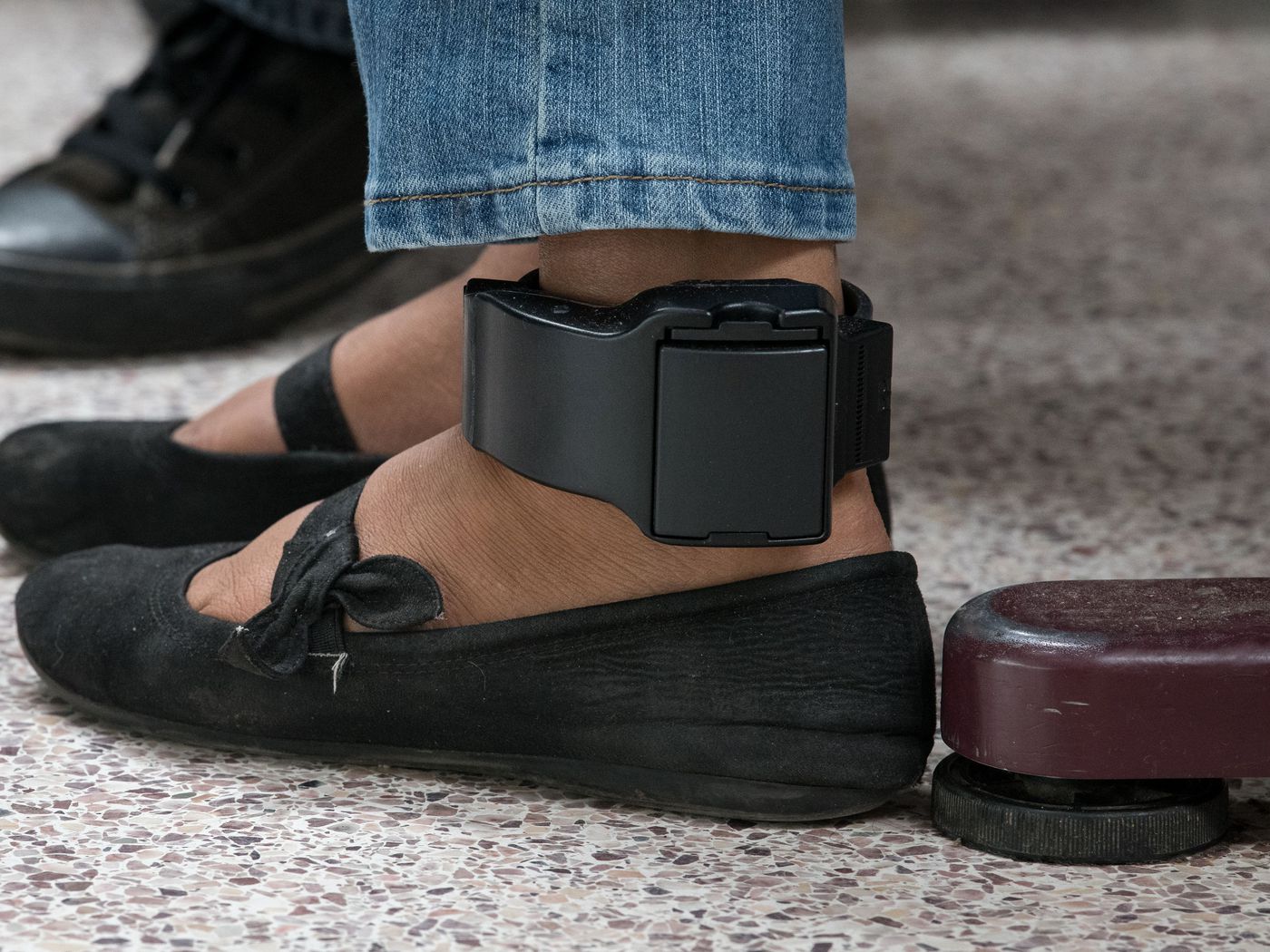
Ankle monitors are electronic tracking devices strapped around the ankle of individuals under court-ordered supervision, such as parole, probation, or house arrest. These devices use GPS tracking modules to monitor location and movement in real time, transmitting data to a monitoring center. Modern ankle monitors, including those with fiber-optic tamper detection, are designed to instantly detect strap cuts and other tampering attempts. During monitoring, individuals must adhere to specific guidelines regarding curfews, restricted zones, and required check-ins with monitoring agencies.
Legal consequences of unauthorized removal
Unauthorized removal of an ankle monitor is illegal and triggers immediate alerts to the monitoring center. Tampering with an electronic monitoring device can result in additional criminal charges, often classified as a felony. Consequences of unauthorized removal include immediate arrest warrants, bail revocation, and potential additional prison time. Because the device instantly alerts authorities to any tampering, attempting self-removal guarantees detection and prosecution.
Filing a motion for ankle monitor removal
The legal process for ankle monitor removal requires filing a formal motion with the supervising court. This petition requests that the court authorize removal based on completed supervision terms or changed circumstances. Legal counsel plays an essential role in preparing the motion and supporting documentation, which typically includes proof of compliance, completion of required programs, and a recommendation from the supervising officer. The court reviews the motion and issues a stamped or certified copy of the order if approved.
Building a compliance record for early removal
Courts are most likely to approve early ankle monitor removal after 3-6 months of perfect compliance. To request early removal, individuals must demonstrate a clean compliance record, which includes no curfew violations, zone breaches, or tampering alerts. Factors increasing the likelihood of early removal include stable employment and housing, completion of required treatment programs, and a positive recommendation from the supervising officer. Maintaining this record shows the court that supervision is no longer necessary.
Medical grounds for removal or modification
Documented medical conditions aggravated by device wear can support modification requests, though courts typically require medical evidence. When an ankle monitor causes skin irritation, circulation problems, or other documented health issues, a physician's report can form the basis for a motion to modify or remove the device. The court evaluates whether the medical need outweighs the supervision requirement and may order alternative monitoring arrangements.
What happens at the removal appointment
The physical removal of an ankle monitor is performed by a trained technician or supervising officer using a specialized tool. Physical removal typically takes only a few minutes and occurs at a scheduled appointment at the monitoring company's office, probation officer's location, or courthouse. Individuals must bring a stamped or certified copy of the court document authorizing removal to the appointment. The technician cuts the strap with the specialized tool, detaches the device, and verifies deactivation of the tracking module.
After the ankle monitor comes off
Even after physical removal, other court-ordered supervision conditions, such as regular check-ins or travel restrictions, may still apply. A common misconception is that a person can remove the device once their monitoring term has ended without a formal court order; doing so is incorrect and can lead to new criminal charges. The court document authorizing removal serves as proof that supervision requirements have been properly concluded, and individuals should continue to follow any remaining conditions of their release.
\nRelated reading: How To Turn Off Hide My Email, How To Watch Jake Paul Fight, and How To Watch Team Usa Basketball.