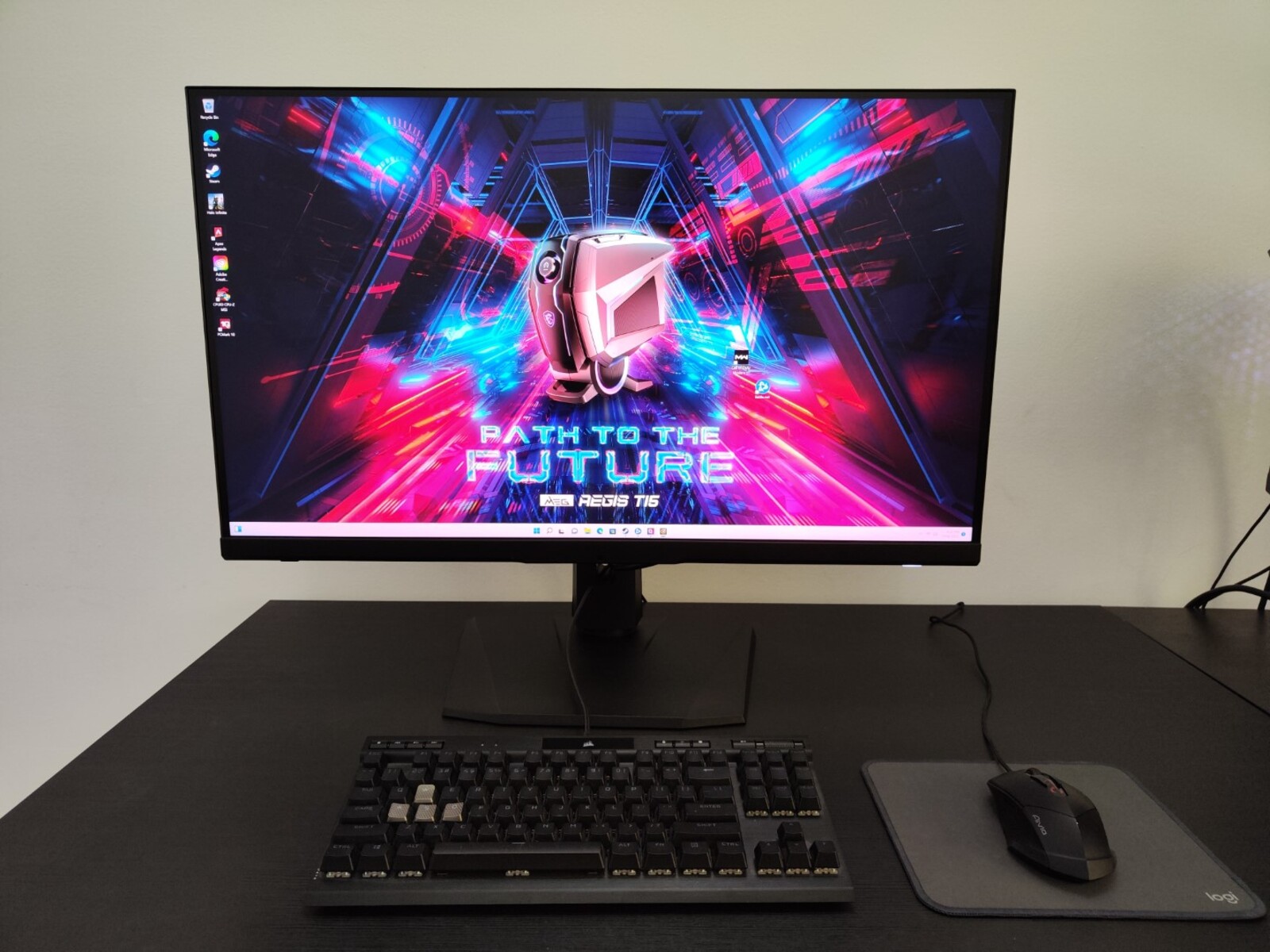
To take apart an MSI gaming monitor, you must first accept that the process is risky, voids your warranty, and is explicitly discouraged by MSI, which states there are no user-serviceable parts inside. Before you proceed, understand that touching the internal components, especially the power board and capacitors, can deliver a lethal electric shock even after the monitor has been unplugged for days. If your monitor is still under warranty, do not open it; instead, contact MSI support or an authorized technician, because any physical disassembly will almost certainly void your coverage and MSI will refuse service for damage caused by third-party repair.
Critical Safety Warning Before You Take Apart an MSI Gaming Monitor
Disassembling an MSI gaming monitor is not a casual project. The manufacturer explicitly warns that there are no user-serviceable parts inside, and any attempt to open the chassis, even just removing the stand, voids the warranty. Worse, high-voltage capacitors on the internal power supply can remain charged for extended periods after the monitor is unplugged, creating a serious risk of electric shock. If your monitor is under warranty, stop here and contact MSI support; if it is out of warranty, proceed only if you fully accept the risks of permanent damage to the panel, thin bezels, and adhesive strips, and the possibility of personal injury.
Tools and Preparations
Before you take apart an MSI gaming monitor, gather the correct tools and set up a safe workspace. You will need a Phillips head screwdriver (magnetic tip is best), a flathead screwdriver for prying, an anti-static wrist strap, plastic trim removal tools (also called spudgers), a clean soft cloth or microfiber towel, and a well-lit, clutter-free table. The single most important preparation is an anti-static setup: wear the grounded wrist strap and, if possible, work on an anti-static mat. Static electricity can silently destroy the mainboard, LCD driver board, or other sensitive chips the moment you touch them. Also, unplug the monitor from the wall and disconnect every cable, power, DisplayPort, HDMI, USB, before you place it face down on a soft, protected surface to avoid scratching the display panel.
Removing the Stand
Start by ensuring the monitor is unplugged and all cables are disconnected from both the monitor and the PC. Lay the monitor face down on a steady, soft, and protected surface, such as a thick towel or foam mat, so the screen is not under any pressure. Examine the stand attachment point on the back of the monitor; most MSI gaming monitors use either a quick-release button or two to four Phillips screws holding the stand bracket to the VESA mount area. If you see a release lever or button, press or slide it while gently pulling the stand away from the monitor. If screws are visible, use the Phillips screwdriver to remove them, keeping them in a labeled container. Once the stand is free, set it aside, do not force it, as twisting can crack the plastic housing. With the stand removed, you now have clear access to the back cover.
Detaching the Back Cover
With the stand gone, inspect the back panel for screws, they are often hidden under small plastic or rubber caps, especially on models like the MSI OPTIX G27C4X. Use a flathead screwdriver or your fingernail to pop off these caps, then remove the exposed screws with a Phillips screwdriver. On many MSI gaming monitors, you will find four screws around the perimeter of the rear cover, and on some models, four additional screws around the VESA bracket area. After removing all visible screws, the back cover is held by internal plastic clips. Insert a plastic trim removal tool into the seam between the back cover and the main chassis, starting near a corner. Gently twist the tool to release the first clip, then work your way around the edges, applying even pressure. You will hear clicking or popping sounds as clips release, this is normal. Do not use a metal screwdriver for prying, as it will scratch the plastic and can slip into the monitor.
Once the clips are all released, slowly lift the back cover away from the monitor. Be prepared for cables: on many models, speaker wires or the control button ribbon cable are attached to the mainboard. Do not yank the cover; instead, tilt it slightly and disconnect these cables by gently pulling the connector straight out. Set the back cover aside on a clean surface.
Removing the Bezel and Internal Shields
With the back cover off, you will see the internal metal shield and the mainboard. Before you can access the mainboard, you must remove the front bezel (the plastic trim around the screen). Start from the MSI logo at the bottom of the monitor, insert a plastic trim tool between the bezel and the panel, and carefully pry outward. Work your way around the entire perimeter, releasing the plastic clips one by one. The bezel is thin and can crack easily, so take your time. Once the bezel is free, lift it straight off and set it aside.
Behind the bezel, you will find the internal metal shield covering the mainboard and power board. Look for screws securing this shield, typically four to six Phillips screws around the edges and near the ports. Remove them and lift the shield off. On models like the OPTIX G27C4X, you may need to remove additional screws that hold the shield to the panel frame. With the shield removed, you now have full access to the mainboard, power board, and all internal cabling.
Disconnecting Internal Cables and Ribbon Cables
Now that the internal shield is off, you can disconnect the delicate internal components. The most fragile connections are the Flex ribbon cables that run from the mainboard to the LCD panel and the control buttons. To disconnect a Flex ribbon cable, locate the small black locking tab on the connector, this is a flip-up or slide-out latch. Use your fingernail or a plastic tool to gently push the black tips inward (or flip the latch upward) to release the cable. Do not pull on the ribbon itself; instead, grip the cable near the connector and pull it straight out. If you pull on the cable body, you will tear the copper traces and permanently damage the panel.
Next, disconnect any other cables from the mainboard, such as speaker wires, button board cables, or the power button ribbon. These connectors may have small locking clips or latches; release them before pulling. Take a photo with your phone before disconnecting anything, this will save you hours during reassembly. Keep all screws in labeled bags or a magnetic tray, and note which screw goes where, as different lengths are often used in different holes.
What You Cannot Repair
After you have taken apart an MSI gaming monitor and reached the panel, you must understand a hard limit: the screen glass is laminated directly to the LCD module and cannot be separately replaced. If you have a cracked screen, you cannot simply swap the glass; the entire panel must be replaced. Attempting to remove the glass will destroy the LCD, and prying it off will likely crack the panel further. If you are dealing with a cracked display, you need to follow the steps in the guide on how to fix a cracked monitor screen, which explains the full-panel replacement process. Do not attempt to separate the glass from the panel, as this is not a repair, it is a guaranteed way to turn a repairable monitor into a paperweight. Also, be aware that the backlight LEDs are integrated into the panel assembly and are not user-replaceable; if the backlight fails, you will need a new panel. The only components you can realistically service are the mainboard, power board, speakers, buttons, and external cables. If the issue is a dead pixel, flickering image, or no power, those can often be traced to the mainboard or power board, which are replaceable as complete units. But for any glass or LCD-related damage, stop and seek professional help or a full panel replacement.
\nRelated reading: How To Calibrate Blood Pressure Monitor Omron and Does Sideloading Apps Void My Samsung TV Warranty.