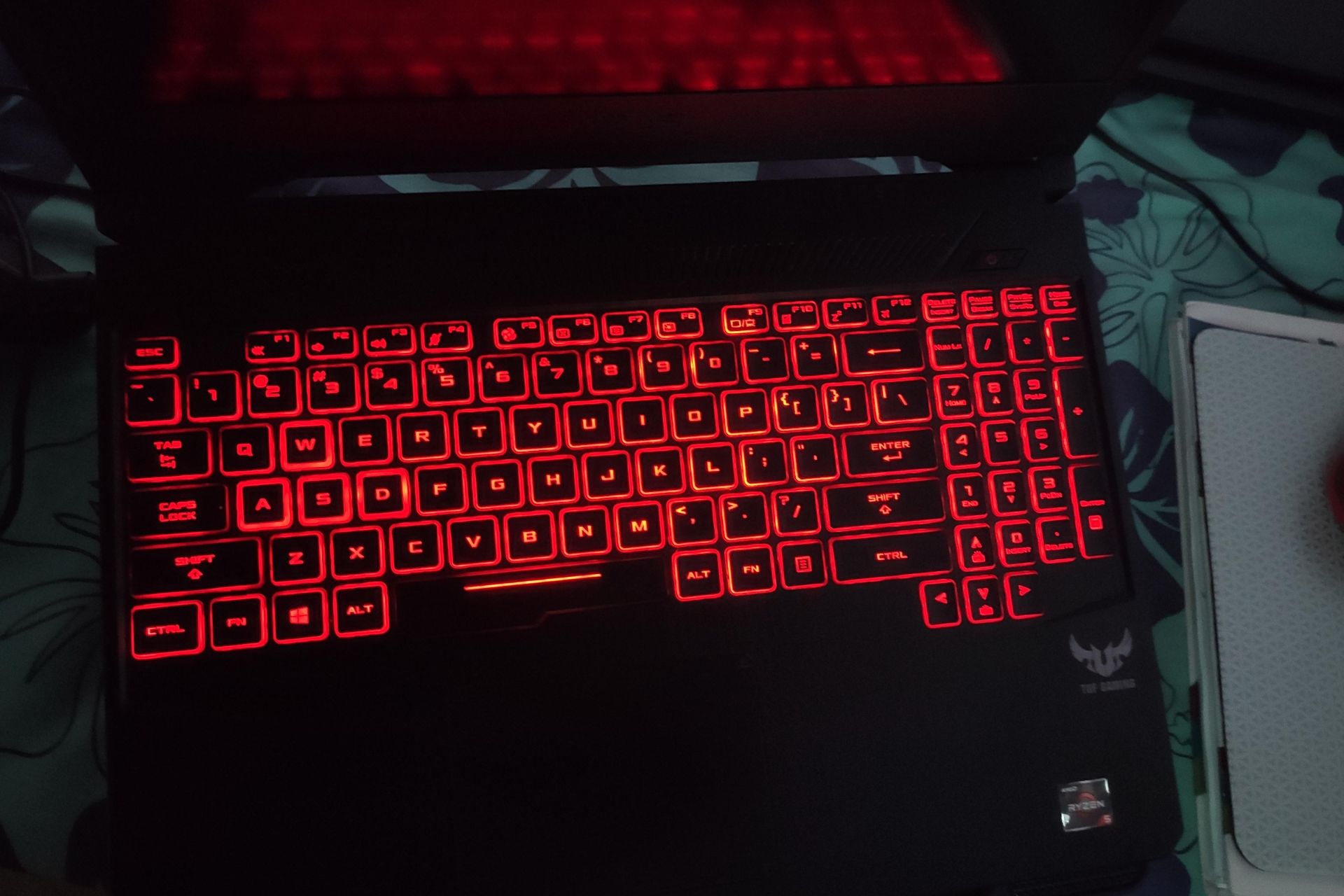
To take a screenshot on an Asus TUF Gaming laptop, the quickest built-in method is pressing the Windows key and PrtSc (Print Screen) key simultaneously. This captures your entire screen and automatically saves it as a PNG file, making it the ideal choice for saving a gaming moment or on-screen information without any extra steps.
How to take a screenshot on Asus TUF gaming laptop with Windows+PrtSc
This is the fastest method to capture the entire screen and save it directly as a PNG file. Press the Windows key and the PrtSc key at the same time. Your screen will briefly dim to confirm the capture. The screenshot is automatically saved to the Screenshots folder, located within the Pictures library on your laptop (e.g., C:\Users\username\Pictures\Screenshots). This method is ideal when you need a quick, full-screen capture without pasting into another program.
Take a screenshot of the active window with Alt+PrtSc
To capture only the currently focused window and copy it to the clipboard, press the Alt key and the PrtSc key simultaneously. This is useful when you want to capture a single application window, such as a game menu or a dialog box, without including the rest of your desktop. The screenshot is not saved as a file automatically; instead, it is copied to your clipboard. You can then paste it into a document, image editor, or chat window by pressing Ctrl+V.
Capture a custom area with the Snipping Tool (Windows+Shift+S)
For more control over what you capture, press the Windows key, Shift key, and S key simultaneously. This opens the Snipping Tool (or Snip & Sketch) overlay, which dims your screen and displays a toolbar at the top. From this toolbar, you can select one of four snip modes: rectangular, freeform, window, or full-screen. After selecting your desired area, the screenshot is copied to your clipboard. A notification also appears, allowing you to click it to open the screenshot in the Snipping Tool for annotations or saving. This method is perfect for capturing a specific part of the screen, such as a high score or a particular in-game element.
Screenshot while gaming with the Xbox Game Bar
When you are in the middle of a game, the Xbox Game Bar provides a convenient way to capture gameplay moments without leaving your game. Press the Windows key and G key to open the Game Bar overlay. Click the camera icon (Capture button) to take a full-screen screenshot. Alternatively, use the direct shortcut Windows key + Alt + PrtScn to capture a screenshot instantly without opening the overlay. Screenshots taken via the Xbox Game Bar are saved in the Videos folder, under a subfolder named Captures (e.g., C:\Users\username\Videos\Captures). This method is designed for gamers who need a quick, non-intrusive way to capture action shots.
Where to find your screenshots and which format to use
Your screenshots are saved in two default locations depending on the method used. Screenshots taken with Windows key + PrtSc are saved as PNG files in the Pictures > Screenshots folder. Screenshots taken with the Xbox Game Bar are saved as PNG files in the Videos > Captures folder. Screenshots captured with Alt+PrtSc or the Snipping Tool are copied to the clipboard and must be pasted into an application to be saved. PNG is the recommended image format for screenshots as it maintains high image quality without compression loss, making it ideal for preserving sharp text and detailed game graphics.
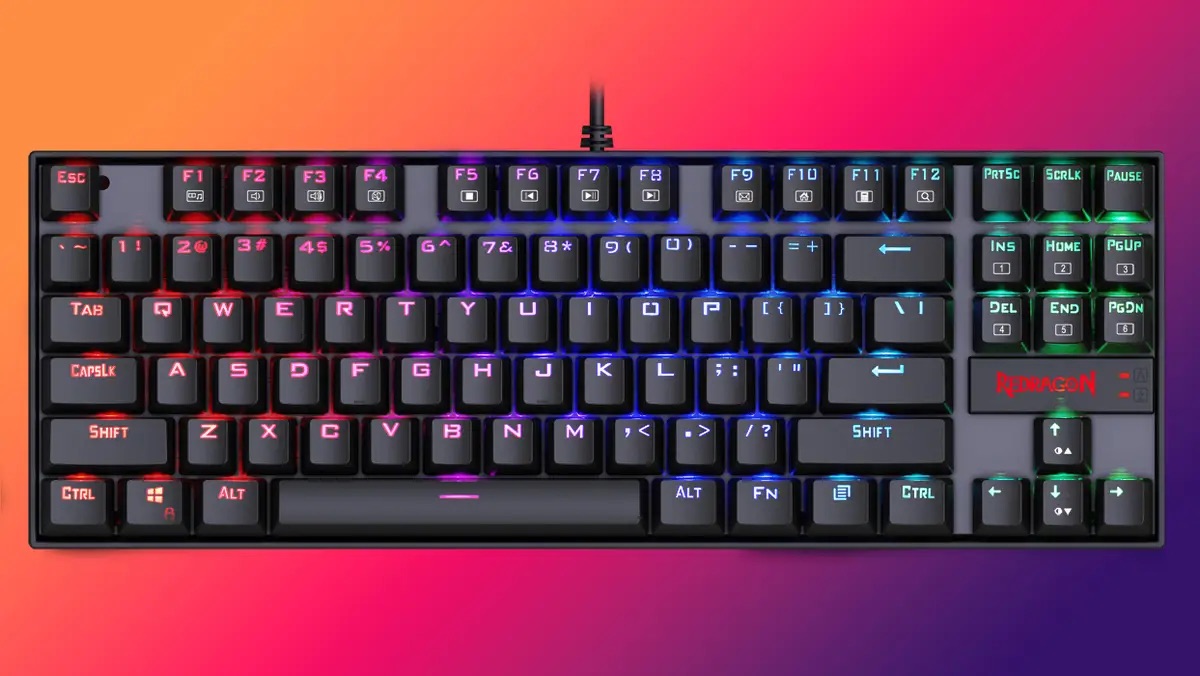
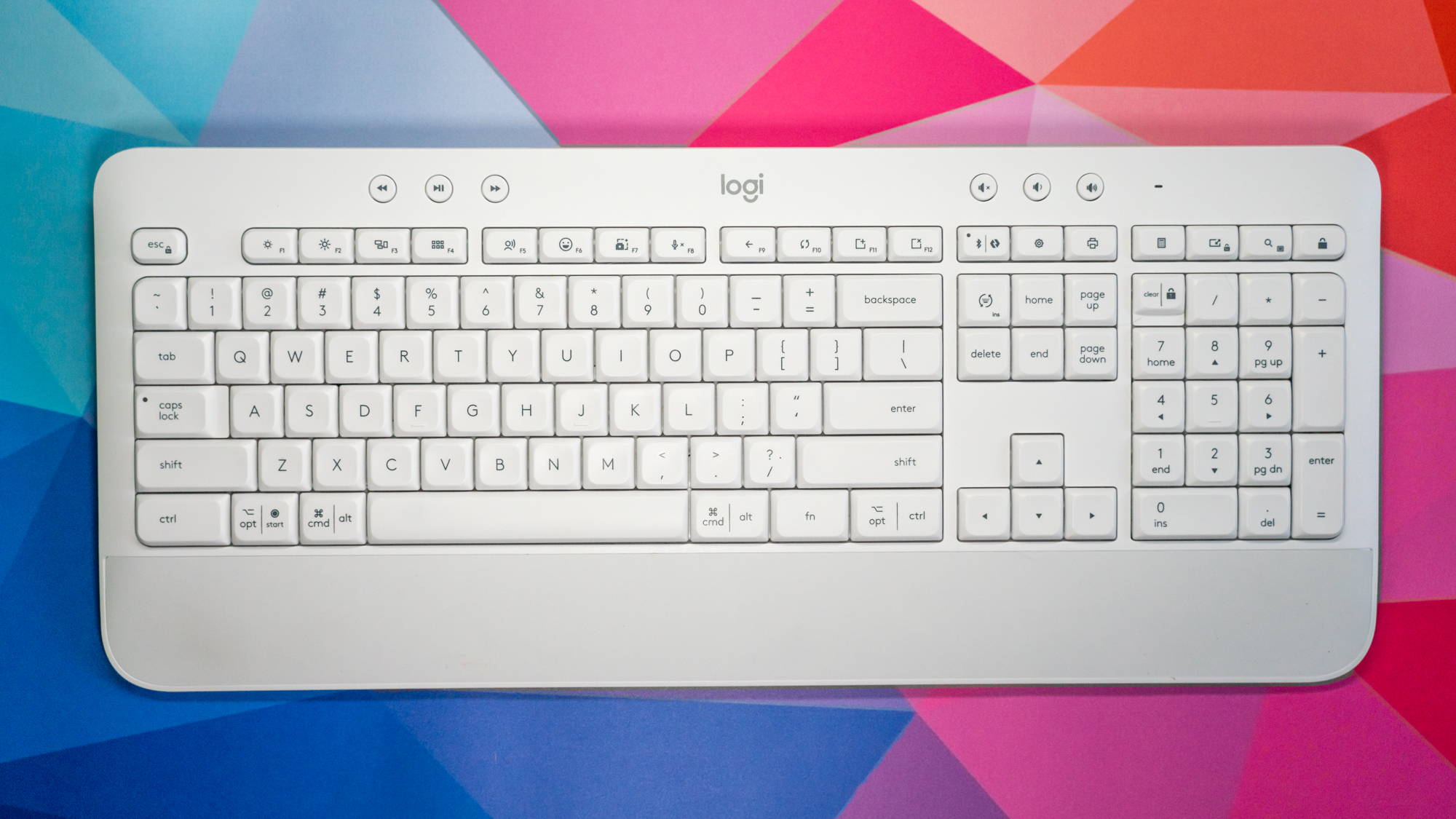
For general use, taking a screenshot on a laptop like the Asus TUF is straightforward with these built-in Windows tools. If you are using an external keyboard, the process to take a screenshot on a gaming keyboard is identical, as the same Windows shortcuts apply. For users with specific peripherals, such as a Logitech wireless keyboard, the PrtSc key functions the same way as on the built-in keyboard. If you encounter a situation where the print screen key opening emoji panel instead of taking a screenshot, this is typically caused by a Windows setting that can be adjusted in the keyboard settings to restore the standard print screen behavior.
For the wider topic, see taking a screenshot on a laptop.