If your Xbox One screen is blank or flickering, the fix often starts with a dirty or loose HDMI port, not a dead console. You can safely fix Xbox one HDMI port issues at home by cleaning the port, resetting display settings, and testing with known-good cables before considering any hardware repair.
Before You Open Up: Does Your Xbox One HDMI Port Need a Physical Fix?
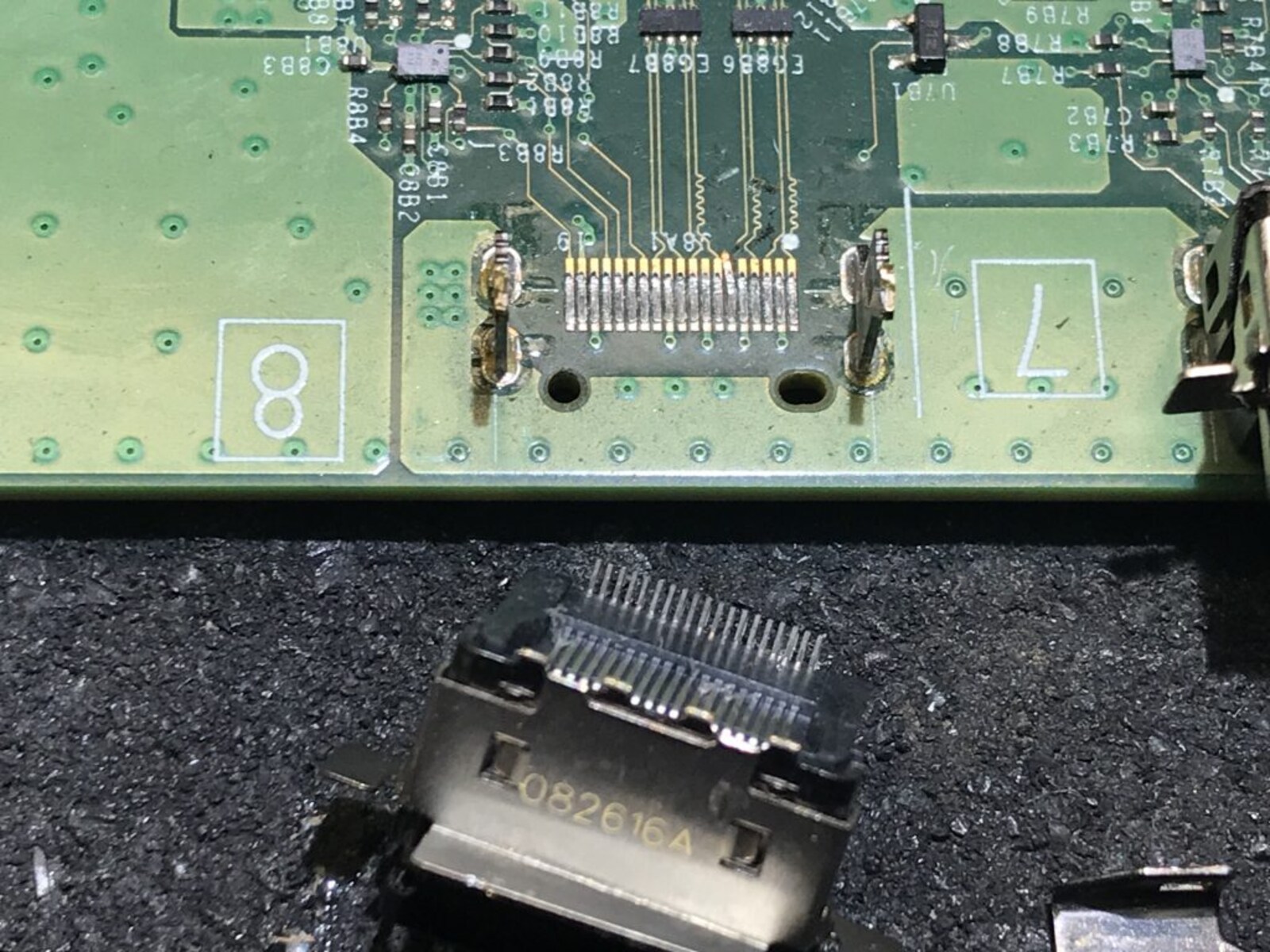
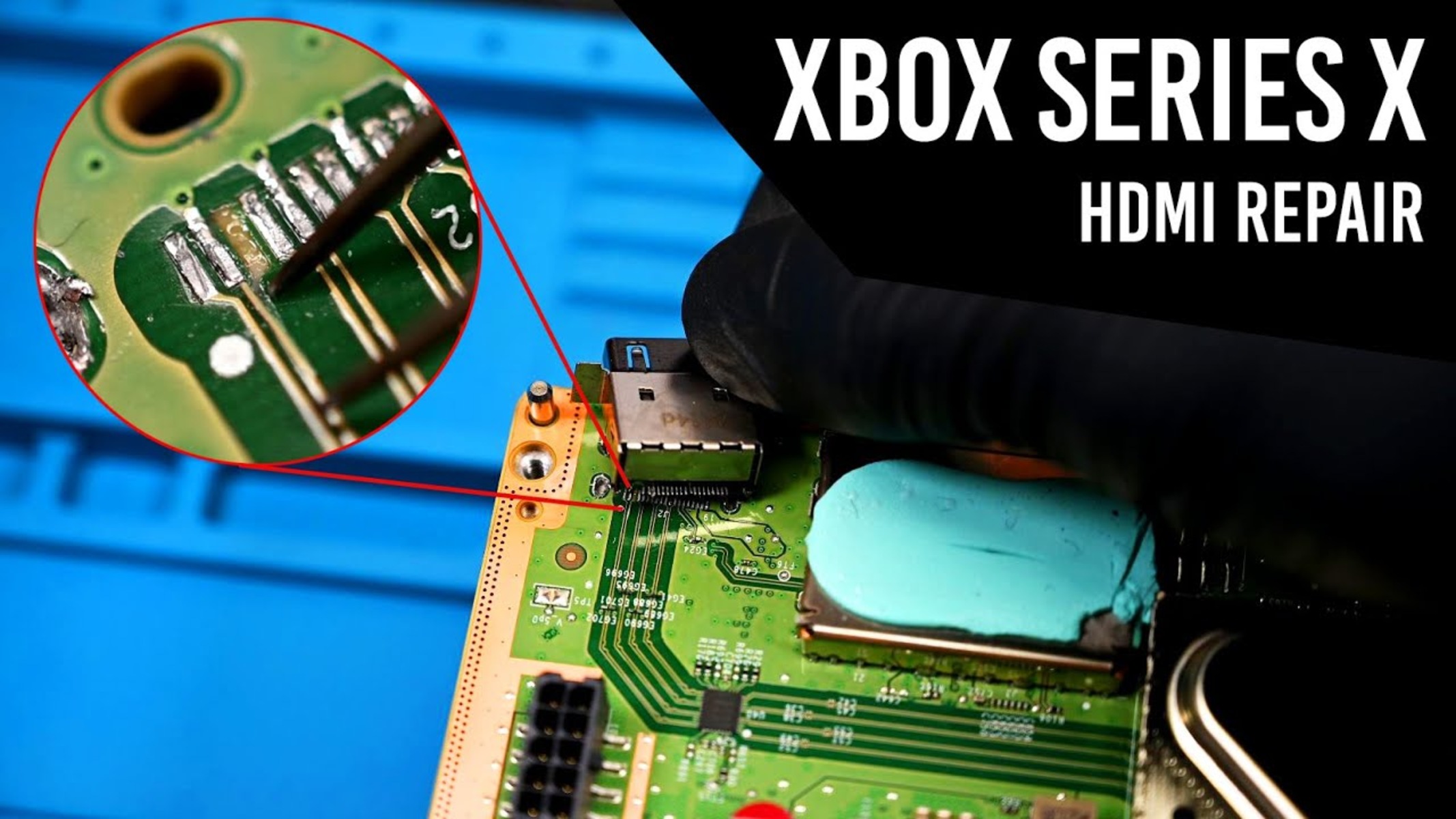
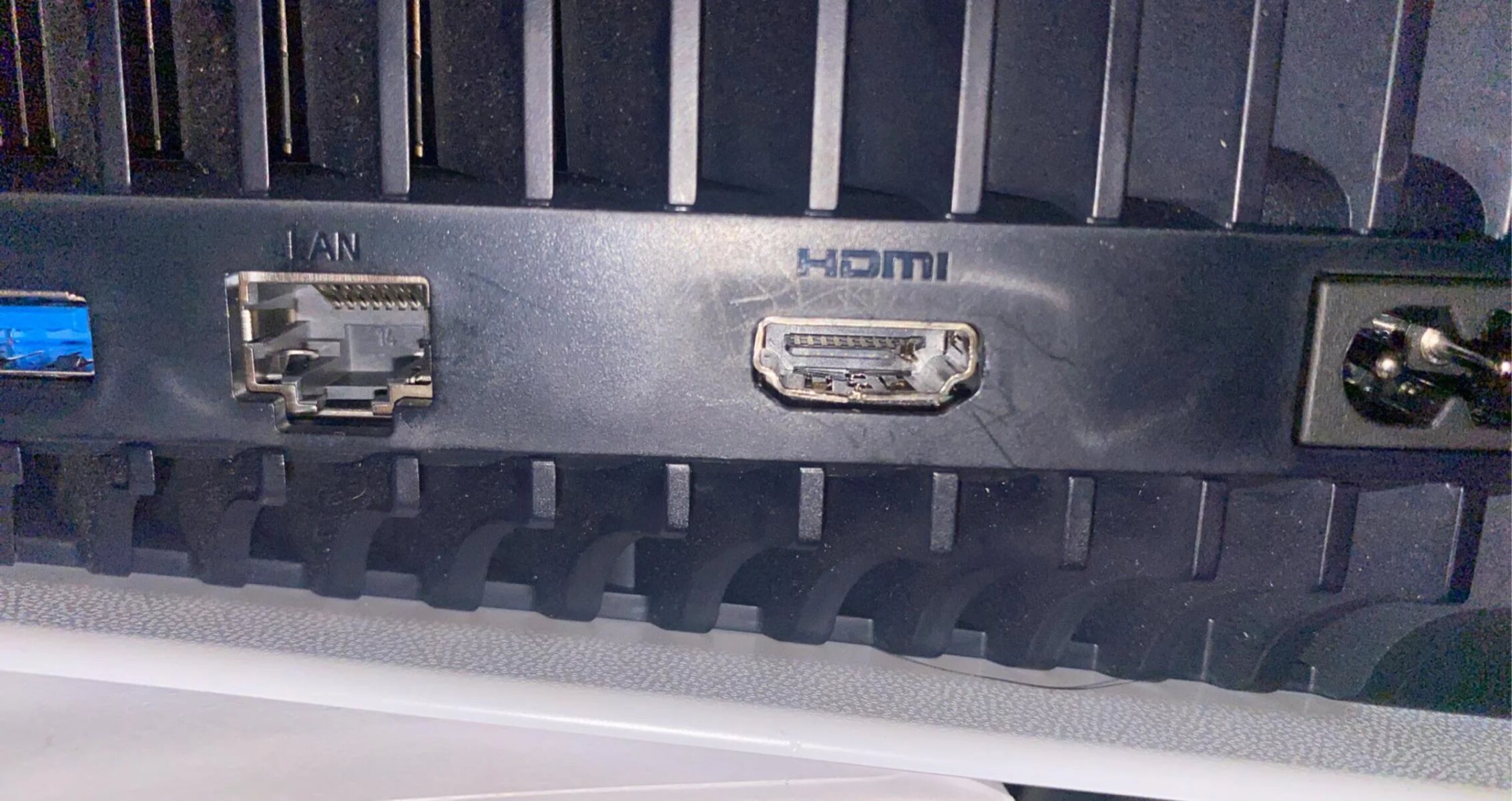
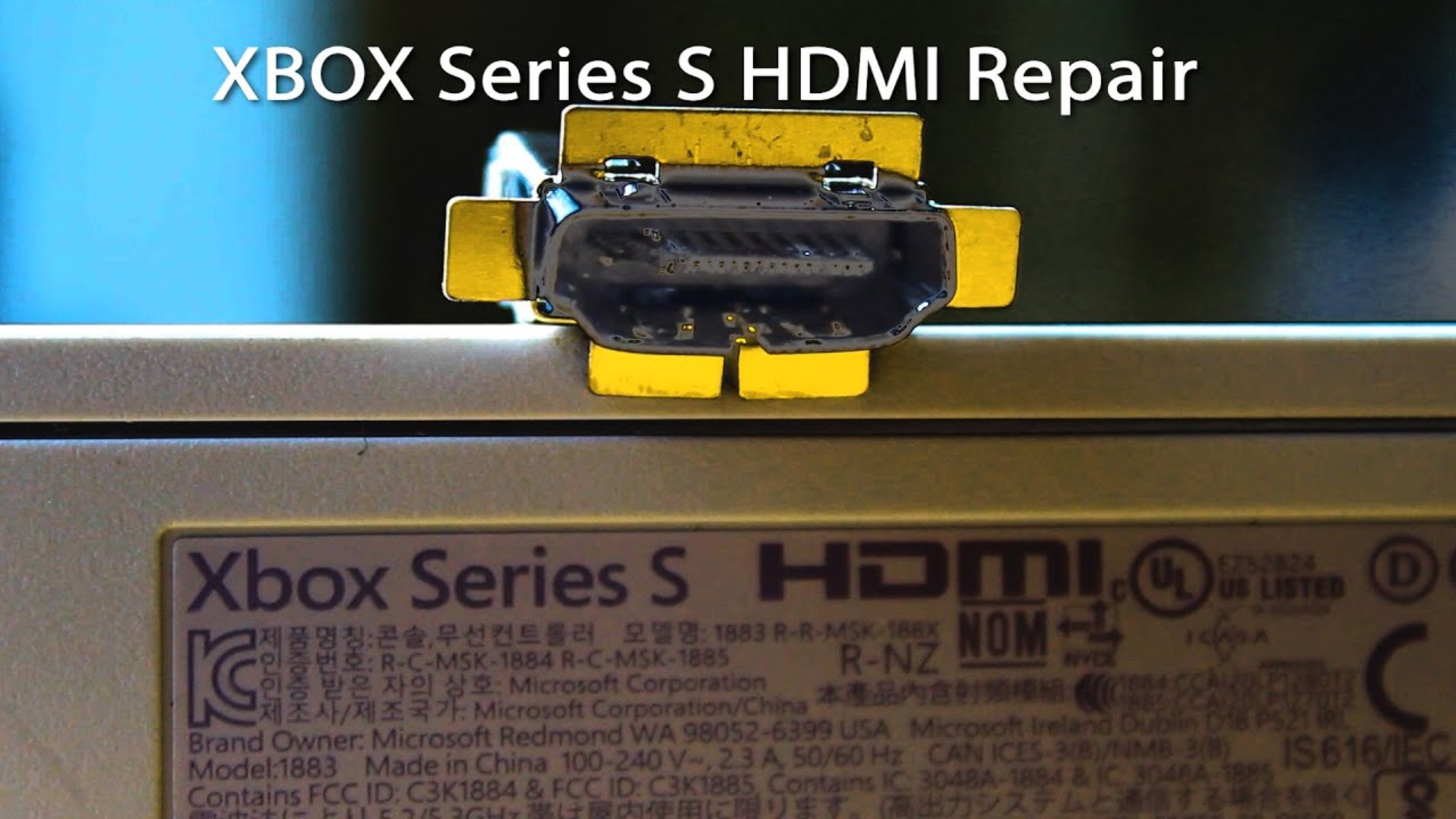
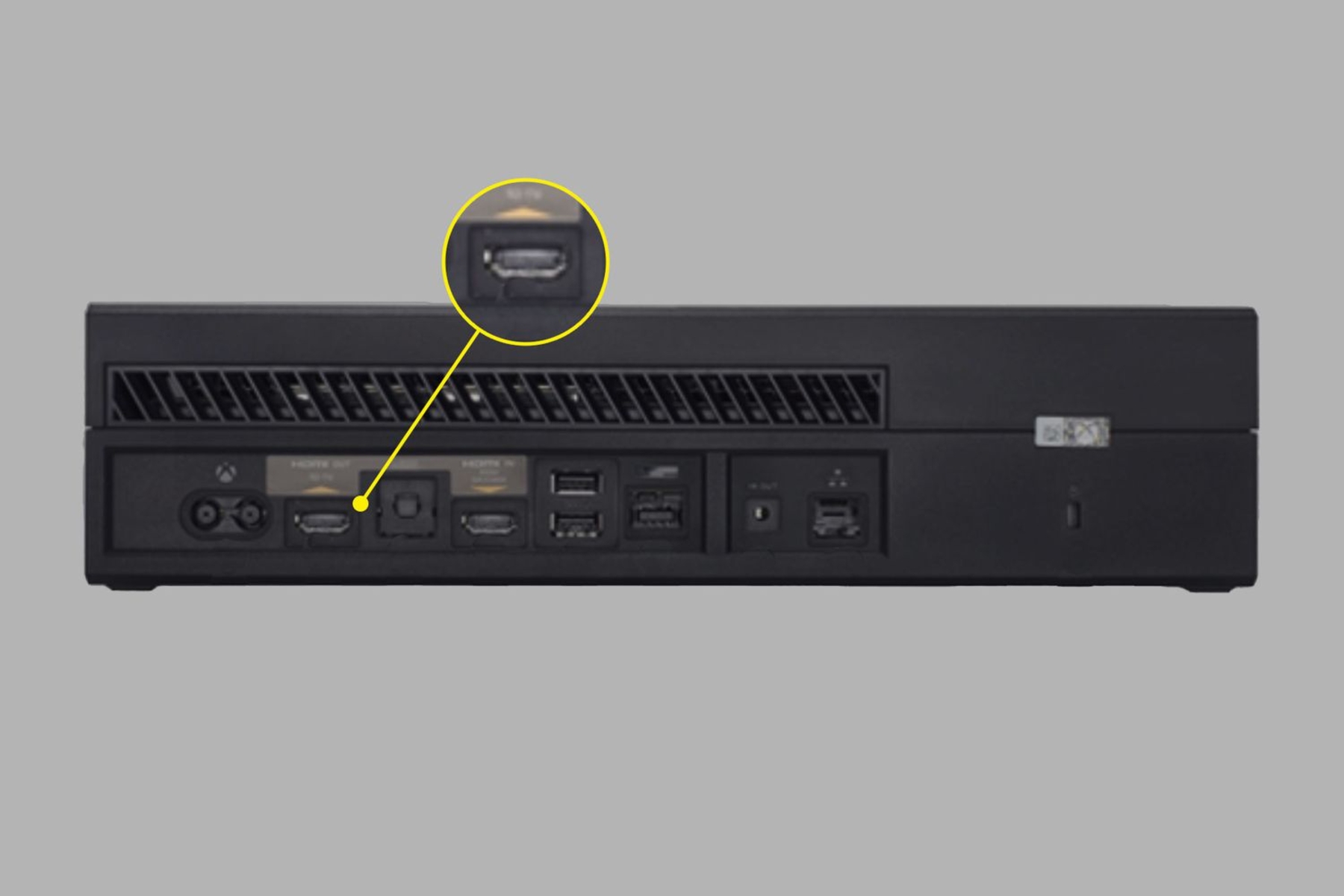
Look closely at the HDMI port on the back of your console without touching it. If the metal housing is straight, the pins inside are all present and aligned, and the port doesn’t wobble when you gently wiggle the cable, then your problem is likely dirt, a bad cable, or a software glitch, not a broken port. A physically damaged port shows obvious signs: missing or bent pins, a cracked or pushed-in metal shell, or a connector that slides in too loosely or too tightly. If you see any of that, stop right there. Do not attempt to solder or reflow the port yourself; unauthorized soldering voids your warranty and can permanently destroy the motherboard. Microsoft’s official repair service is the only safe route for a truly broken port, and you can start that process through your Microsoft account’s device page.
Gather the Right Tools to Clean and Test
Before you touch anything, collect four items: isopropyl alcohol at 90% concentration or higher, a soft-bristle brush (like a clean paintbrush), a can of compressed air, and a spare HDMI cable that you know works. The high-concentration alcohol evaporates quickly and leaves no residue, which is critical for cleaning delicate pins. The brush and compressed air handle loose dust without scratching. The spare cable is your control variable, it lets you prove whether the fault follows the cable or stays with the console. Keep your Xbox One unplugged from power for the entire cleaning process to avoid static discharge damaging the HDMI driver chip.
Clean the HDMI Port to Remove Dust and Hidden Corrosion
Start with the console fully powered down and unplugged from the wall. Use the compressed air in short bursts aimed directly into the port to blow out loose debris. Then take the soft-bristle brush and gently sweep it inside the port, moving in the direction of the pins, not against them. If you see any discoloration or sticky residue on the pins, dip a cotton swab in isopropyl alcohol, squeeze out excess liquid, and carefully wipe the inside edges and the top and bottom rows of pins. Do not push hard, the pins are fragile. Let the port dry completely for at least ten minutes before plugging anything back in. This step resolves most intermittent blank screens caused by dust bridging the signal pins.
Reset the Display Settings with a Low-Resolution Mode
Sometimes the HDMI handshake between your Xbox One and TV fails after a resolution change or a TV firmware update. You can force a clean handshake by booting into a low-resolution mode. With the console off, press and hold the Xbox button on your controller and the Bind button (the one on the left side of the console, near the USB port) simultaneously. Keep holding both until you hear the startup chime, this takes about ten seconds. The console will boot at 640x480, a resolution every TV accepts. If your screen appears now, go to Settings, then Display & sound, then Video output, and change the resolution back to 1080p or 4K. This bypasses the failed handshake without needing to open the console.
Isolate the Fault by Swapping Your HDMI Cable and TV
If cleaning and the low-resolution boot don’t restore the picture, the next step is elimination. Unplug your current HDMI cable from both the console and TV, and connect the spare cable you set aside. If the screen comes on, your old cable was faulty, replace it. If the screen stays blank, connect your Xbox One to a different TV or monitor using the same spare cable. A working picture on a second display means your original TV’s HDMI input is the problem, not the console. If neither cable nor display changes anything, the port itself may have a physical issue, and the same diagnostic approach applies if you need to fix Xbox series s HDMI port problems.
Update Your Xbox One Firmware System
Microsoft regularly patches HDMI handshake bugs through system updates. To rule out a software glitch, download the latest update file to a USB drive from the Xbox support website, then plug that drive into your console. Turn off the Xbox One, unplug it for thirty seconds, then plug it back in and hold the Bind button and the Eject button (if your model has one) while pressing the Xbox button on the console. This boots the Startup Troubleshooter. From there, select the offline system update option. The console will install the firmware from the USB drive and restart. Many intermittent HDMI failures are resolved by a firmware revision that fixes EDID communication errors with modern TVs.
Send Your Console In: Getting an Official Microsoft HDMI Repair
If you’ve cleaned the port, reset the display, swapped cables and TVs, and updated firmware, and the screen is still blank, the port is likely damaged internally. The safe, warranty-preserving fix is Microsoft’s official service. Sign in to account.microsoft.com/devices with your Microsoft account, register your Xbox One if it isn’t already linked, then select the console from your device list. Choose “Start order” to begin a service request for a physically damaged HDMI port. Microsoft offers repair services for Xbox One, Xbox Series X, and Xbox Series S models, so this process covers the full family. You’ll receive a shipping label and instructions; send the console in, and Microsoft will replace the port or the motherboard as needed. This is the only method that guarantees a proper fix without risking further damage, and it’s the same route you’d use if you needed to fix HDMI port on Xbox series x, since the service covers that model too. If the connection feels wobbly but the port isn't fully broken, you can first try to fix a loose HDMI port on Xbox one before committing to a full service repair.