To download Dropbox to external hard drive, you have two reliable options: use the Dropbox website in your browser, or configure the Dropbox desktop app to sync files directly to your drive. Both methods let you save cloud files onto a portable drive, freeing up computer space and creating a physical backup, though you can also download files directly to external hard drive from other cloud services; the key difference is how folders are handled during the transfer.
How to download Dropbox to external hard drive: your options
The first method involves downloading files straight from Dropbox.com through your web browser, which works for any computer with internet access. The second method uses the Dropbox desktop application, which can either sync your entire Dropbox folder to the external drive or let you selectively copy individual files. The main distinction between the two is that browser downloads compress folders into a single .zip file, while the desktop app preserves the original folder structure. Choose the browser method for a one-time transfer, or the desktop app if you plan to regularly back up your Dropbox contents.
Method 1: Download directly from the Dropbox website
This method is straightforward and requires no extra software. You'll need your external hard drive connected, a web browser, and your Dropbox login credentials.
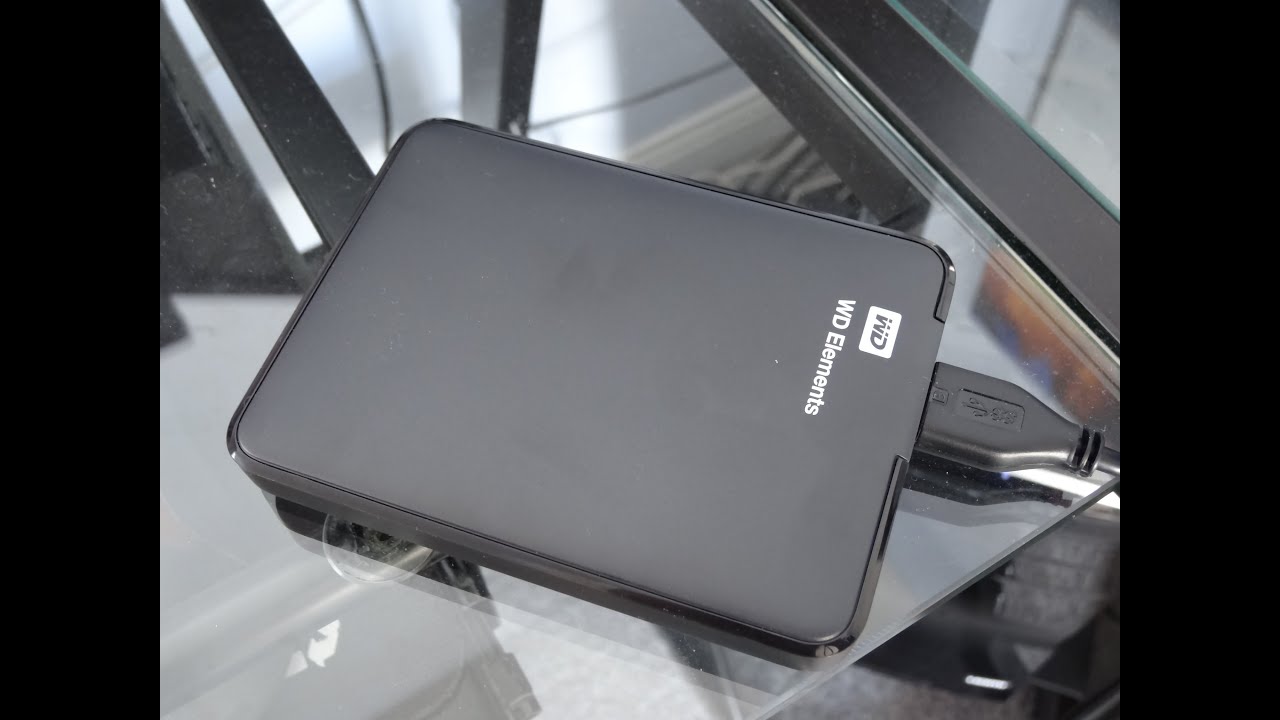
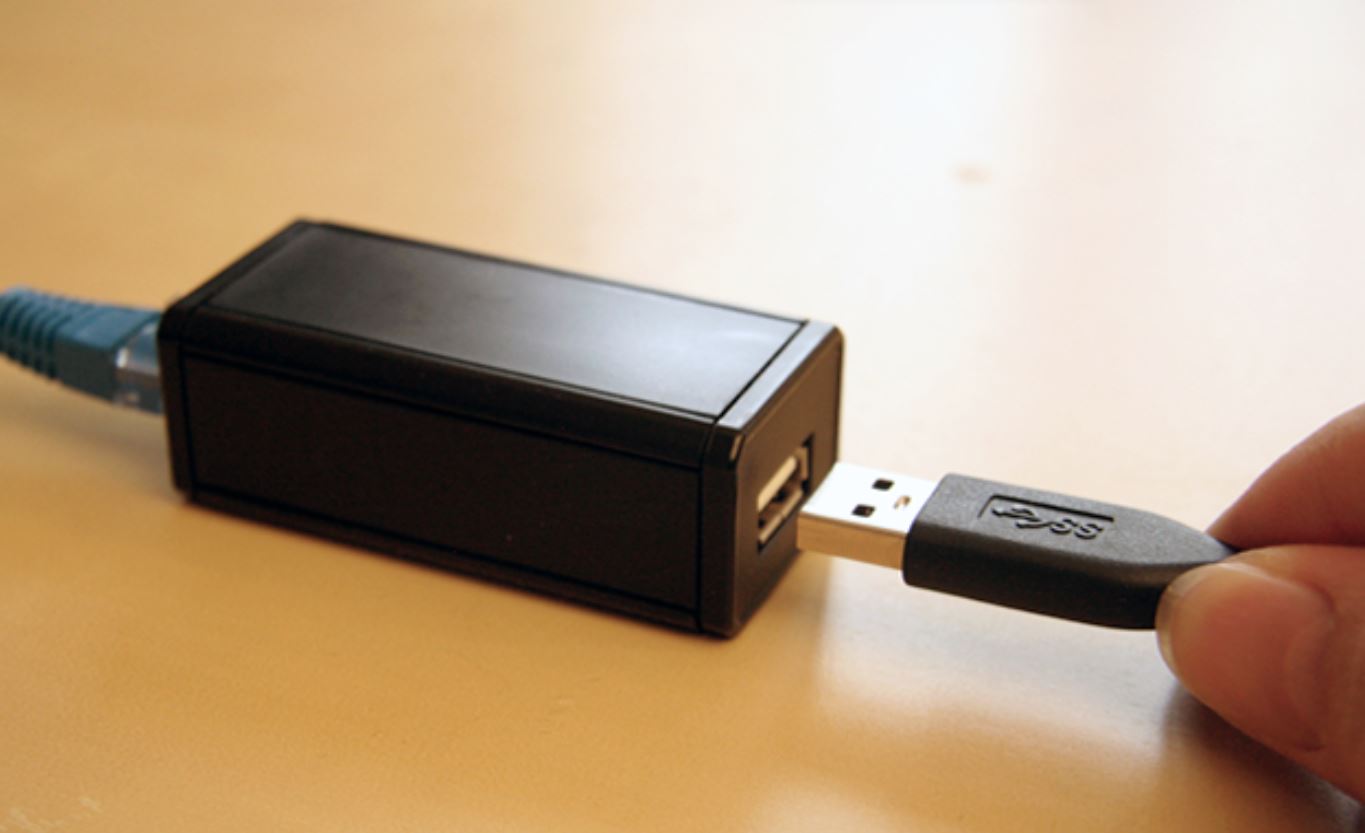
- Connect your external hard drive to your computer using its USB cable. Wait for the operating system to recognize it, on Windows, check File Explorer; on macOS, look for the drive icon on the desktop.
- Open your web browser and go to Dropbox.com. Sign in with your email and password.
- Navigate to the files or folders you want to transfer. Use the search bar at the top to find specific items, or browse through your folders manually.
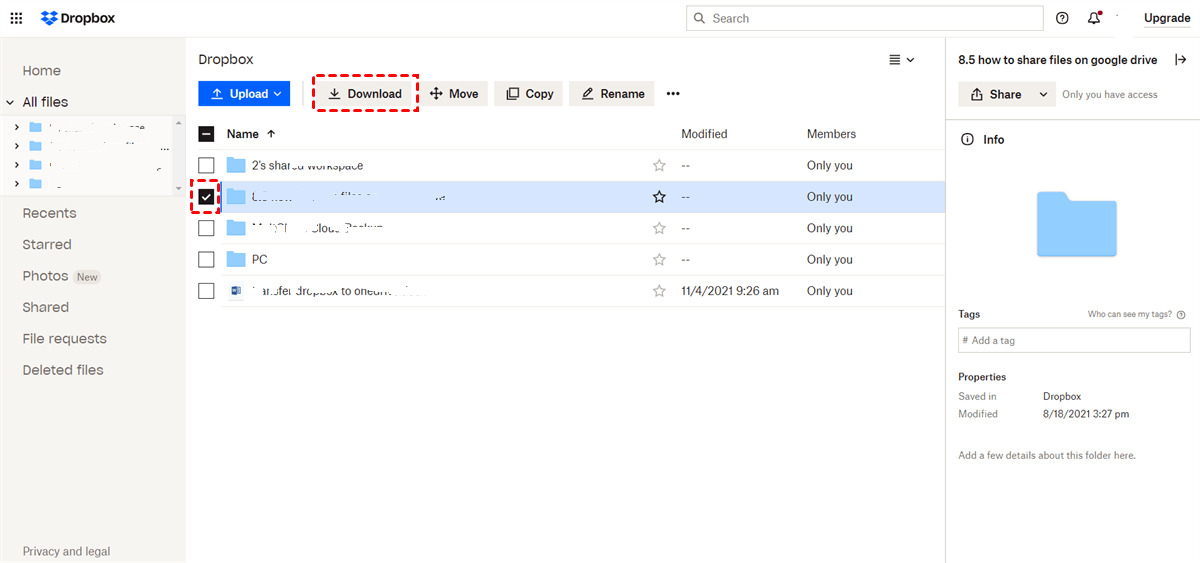
- Select the items by clicking the checkbox next to each one. To select multiple items, hold down the Ctrl key (Windows) or Command key (Mac) while clicking.
- Click the Download button, or right-click on the selected items and choose Download from the context menu.
- When the browser's save dialog appears, browse to your external hard drive. Select the drive as the destination, and optionally create a new folder on it to keep things organized.
- Click Save or Choose to begin the transfer. Monitor the progress bar in your browser and wait for it to reach 100%.
Before starting, ensure your external drive has enough free space for the files you're downloading. Also, avoid closing the browser tab or putting your computer to sleep during the transfer, this can interrupt the download and force you to start over.
Important: Folders download as .zip files
When you download a folder from the Dropbox website, it arrives as a compressed .zip file, not as a regular folder. This is a verified behavior of Dropbox's web interface. After the download completes, you must extract the .zip file to your external hard drive. On Windows, right-click the .zip file and select Extract All, then choose the external drive as the destination. On macOS, double-click the .zip file to unzip it, then drag the resulting folder to your external drive. Individual files, however, download in their original format with no compression involved, a convenience you'll also find when you download files from OneDrive to external hard drive.
Method 2: Use the Dropbox desktop app to sync files
The Dropbox desktop application offers a more integrated approach, especially if you want to keep your external drive in sync with your cloud storage. This method requires installing the app and connecting your external drive before proceeding.
- Download and install the Dropbox desktop application from the official Dropbox website. Sign in with your account credentials after installation.
- Connect your external hard drive to your computer and ensure it's recognized by the operating system.
- Open the Dropbox app and go to its preferences or settings. Look for the option to change the Dropbox folder location, and select your external hard drive as the new home for your local Dropbox folder.
- Alternatively, use the app's selective sync feature. This lets you choose which folders sync to your computer's local Dropbox folder, keeping others online-only. To copy files to the external drive, make sure the folders you want are set to "Available offline" so they exist on your local hard drive.
- Once the files are synced locally, open your file explorer and navigate to the local Dropbox folder. Select the files or folders you need, then copy and paste them to your external hard drive.
Selective sync is particularly useful if your external drive is smaller than your entire Dropbox storage. You can pick only the folders you need for the transfer, sync them locally, and then copy them over. This approach also lets you keep the local Dropbox folder on your computer's internal drive while manually moving selected files to the external drive, no need to relocate the entire Dropbox folder.
Safely disconnect your external hard drive
After the download or sync completes, you must eject the external drive properly to prevent data corruption. This step applies whether you used the browser method or the desktop app. On Windows, click the USB icon in the system tray, select your external drive, and choose Eject. On macOS, drag the drive icon to the Trash, or right-click it and select Eject. Wait for the notification that it's safe to remove the drive before unplugging the USB cable. Skipping this step can result in incomplete file writes or damaged data, especially after large transfers. Once ejected, you can safely store the drive or connect it to another computer.
If you're using a LaCie drive for this transfer, you may want to review how to use a LaCie external hard drive.