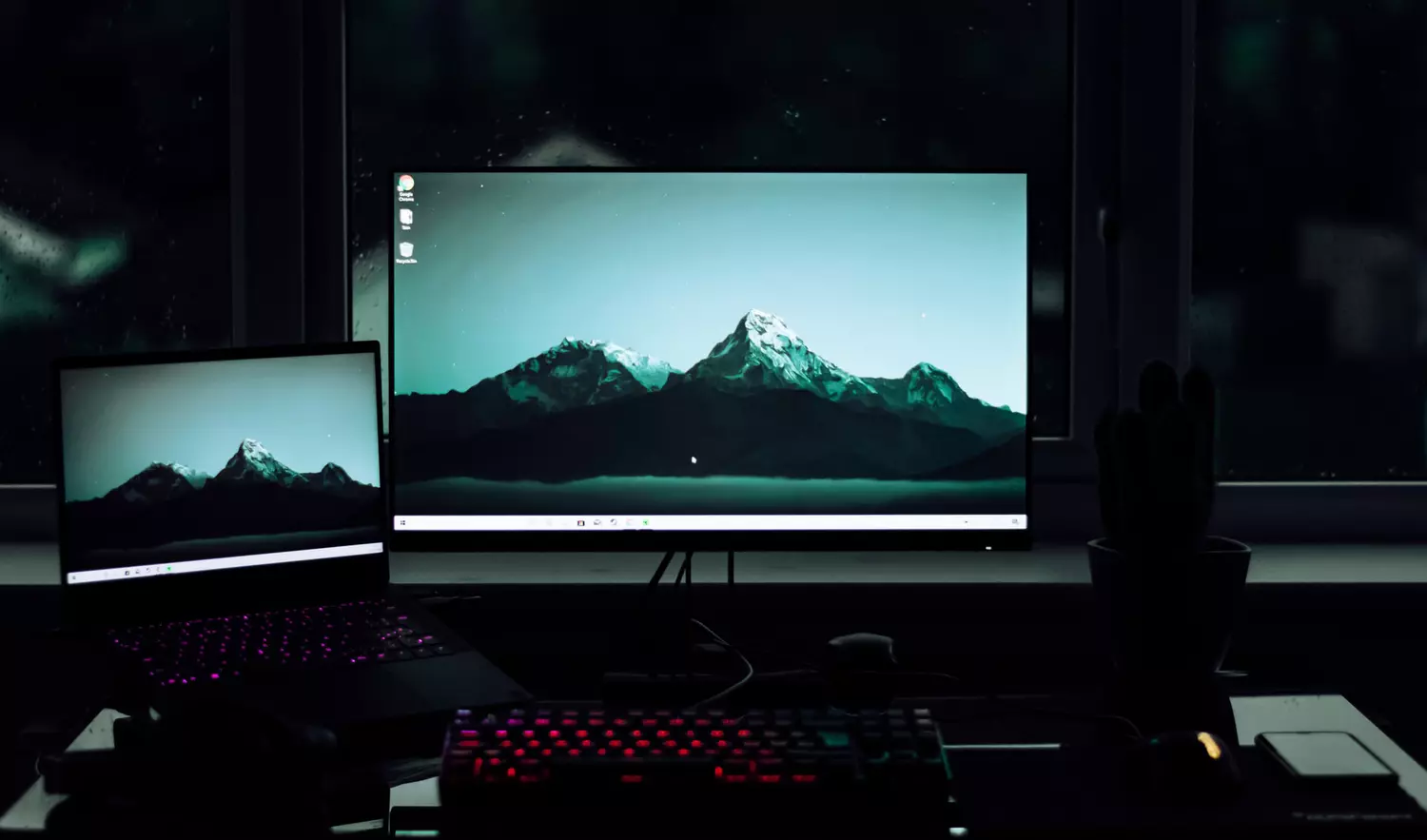
To connect laptop to Samsung TV wirelessly, the easiest modern method is to use Samsung's Smart View app or your laptop's built-in screen mirroring feature. AllShare, the old Samsung software for this purpose, was discontinued years ago, but these replacements work faster and more reliably.
AllShare is discontinued: here's how to connect laptop to Samsung TV wirelessly now
If you search for AllShare software today, you will find it is no longer available from Samsung. The good news is that your Samsung Smart TV already supports newer, simpler methods for wireless streaming and screen mirroring. You can use the Smart View app for Windows, the built-in screen mirroring tools in Windows or macOS, or a DLNA media server app. All of these let you stream videos, photos, and music from your laptop to your TV without needing any old AllShare software.
What was AllShare and why doesn't it work anymore?
AllShare was Samsung's proprietary technology that allowed devices on the same Wi-Fi network to share and stream media. It enabled you to transfer photos, videos, and music from a laptop to a Samsung Smart TV, and it also supported screen mirroring for presentations. Samsung discontinued AllShare in 2014 and replaced it with Samsung Link, which was later replaced by Smart View. Because the servers and software are no longer maintained, you cannot download or install AllShare on a modern laptop. If you have an older Samsung TV that still lists AllShare in its menus, the feature may still function for local network streaming, but the laptop-side software is gone.
Prerequisite: connect both devices to the same Wi-Fi network
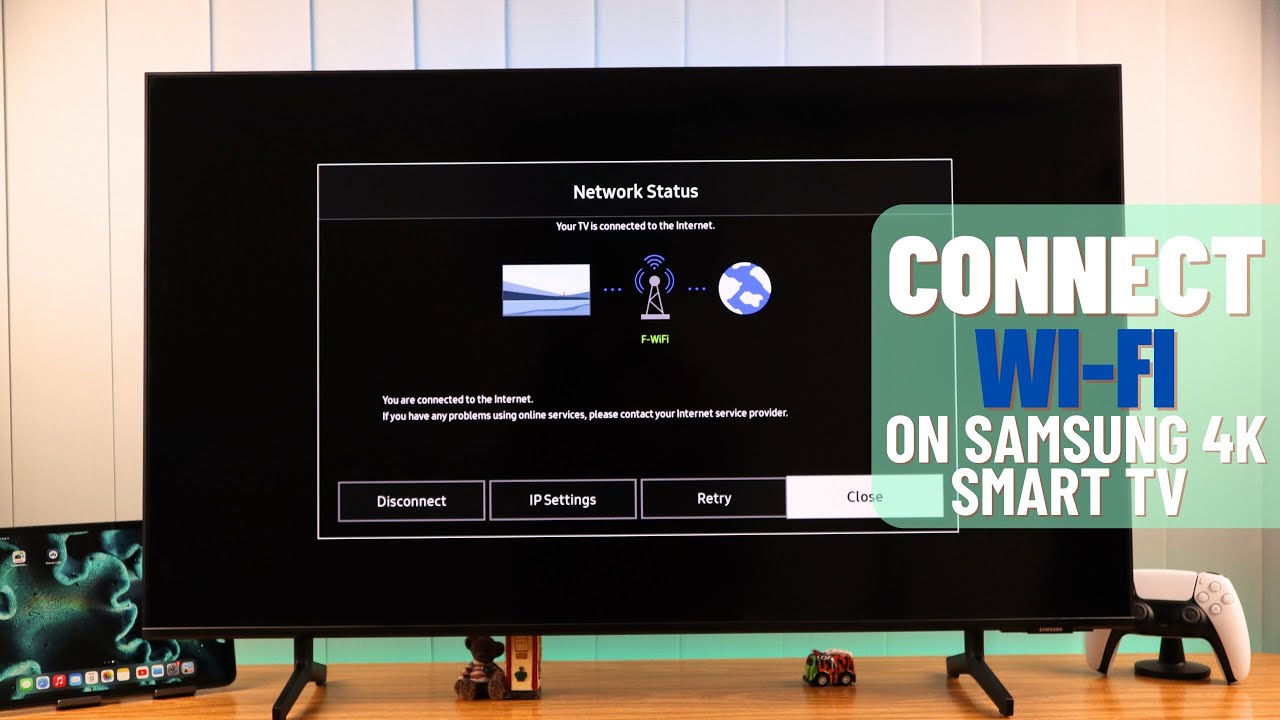
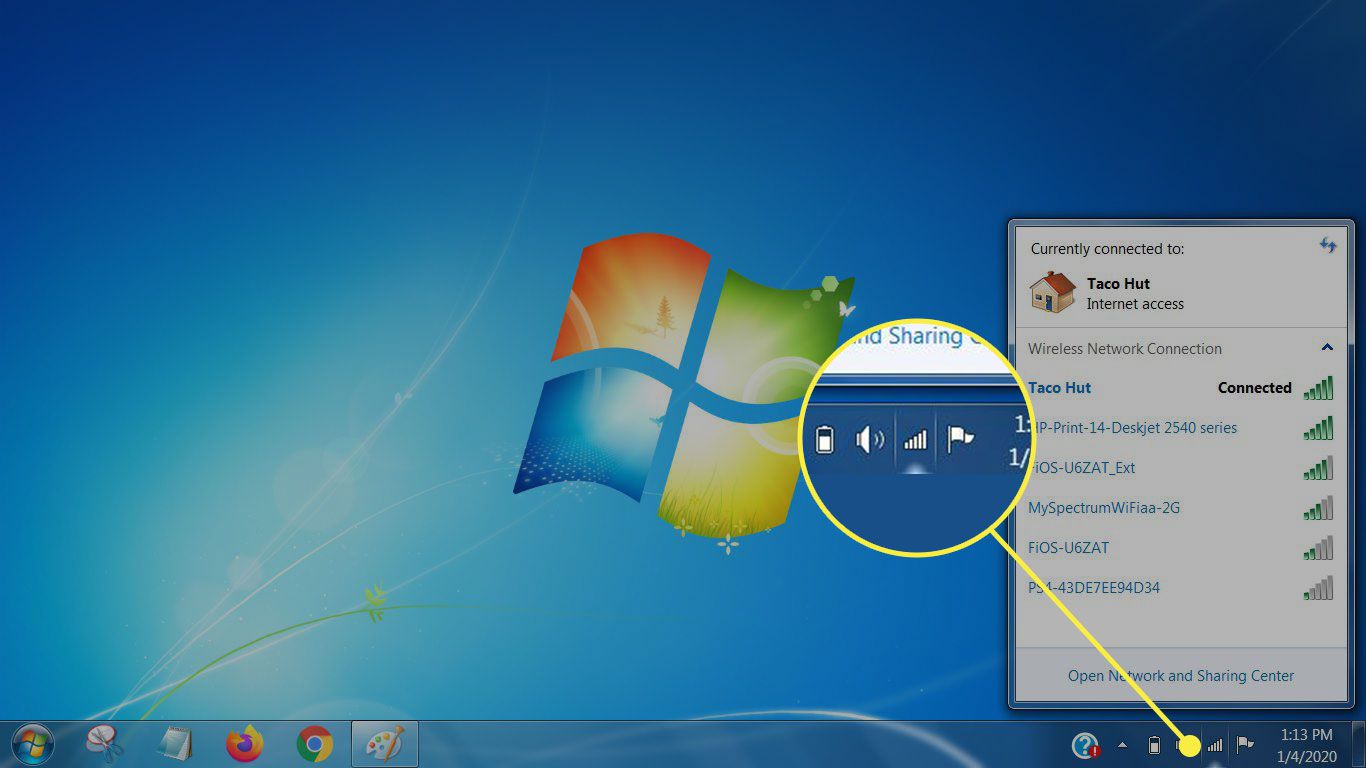
Before you try any wireless method, make sure your laptop and Samsung Smart TV are connected to the same Wi-Fi network. This is essential for all wireless screen mirroring and media streaming. On your TV, go to the network settings in the menu and select your home Wi-Fi. On your laptop, check that it is connected to the exact same network. A stable connection is important for smooth playback.
Method 1: use Samsung Smart View (the official replacement)
Smart View is Samsung's current app for wirelessly connecting a laptop to a Samsung TV. It is available from the Microsoft Store for Windows laptops. Mac users can use AirPlay instead (see Method 2).
- Open the Microsoft Store on your laptop and search for "Smart View."
- Download and install the Samsung Smart View app.
- Launch the app. It will automatically search for compatible Samsung Smart TVs on your network.
- Select your TV from the list. A code may appear on your TV screen; enter it on your laptop to confirm the connection.
- Once connected, you can browse media files on your laptop and play them directly on the TV, or mirror your laptop screen.
Method 2: use built-in screen mirroring on Windows or Mac
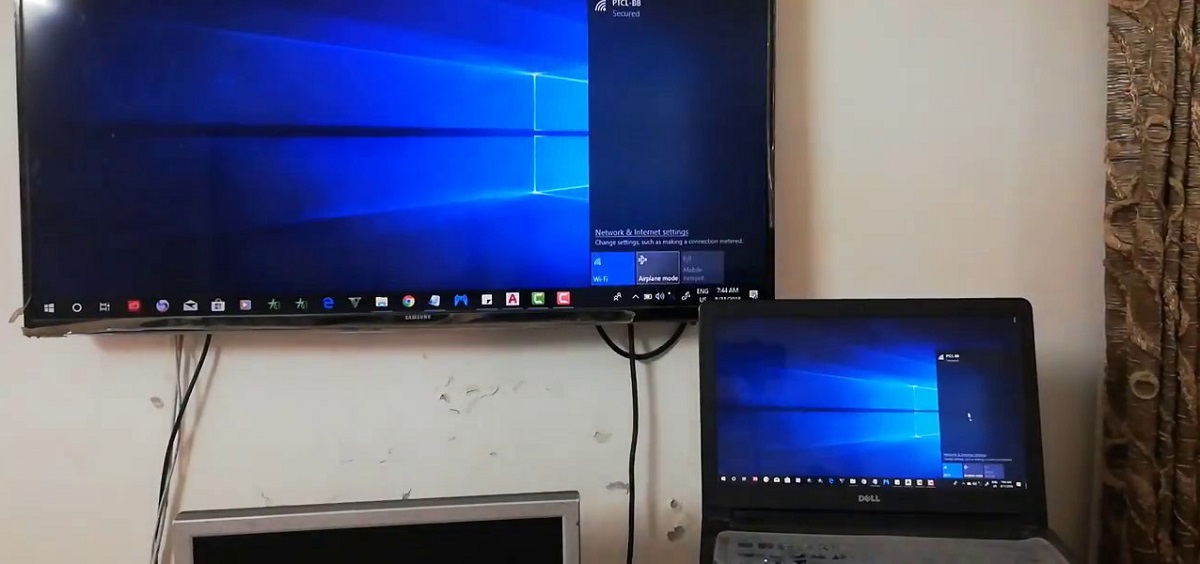
You do not need any Samsung software to mirror your laptop screen to a Samsung Smart TV. Modern Samsung TVs support Miracast (for Windows) and AirPlay (for Mac).
Windows: Connect (Win+K)
- On your Windows laptop, press the Windows key + K on your keyboard.
- A panel will open on the right side of the screen listing available wireless displays.
- Select your Samsung Smart TV from the list.
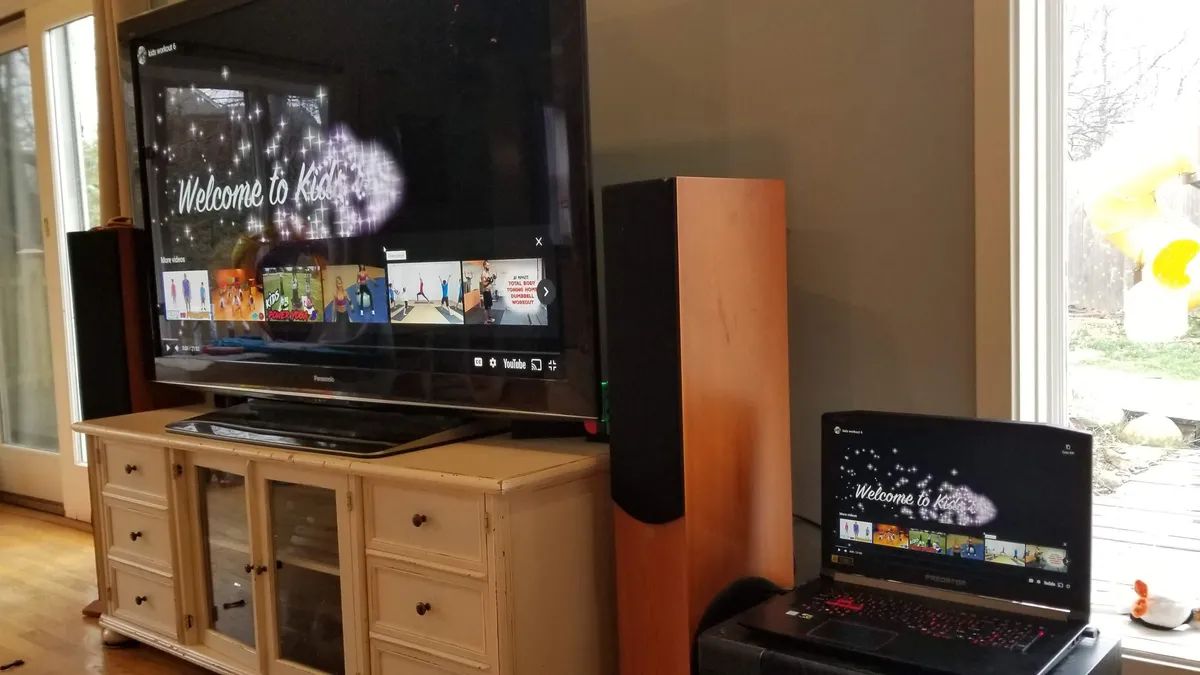
- Your laptop screen will appear on the TV. You can now show presentations, stream videos, or browse the web.
Mac: AirPlay
- On your Mac, click the Control Center icon in the menu bar.
- Click "Screen Mirroring" and select your Samsung Smart TV from the list.
- Enter the AirPlay code shown on your TV if prompted.
- Your Mac screen will be mirrored on the TV.
This method is ideal for mirroring your entire laptop display, including for watching live TV on a smart TV through a streaming website or app.
Method 3: use a third-party DLNA server app for media streaming
If you only want to stream specific video, photo, or music files from your laptop to your Samsung TV without mirroring the whole screen, you can set up a DLNA media server. The TV has a built-in media player that can find and play files from a DLNA server on the same network.
- Download and install a DLNA server app on your laptop, such as Plex or a similar free media server.
- Open the app and add the folders on your laptop that contain your media files (videos, photos, music).
- Start the server. The app will make those folders available on your network.
- On your Samsung Smart TV, open the "Source" or "Media" menu and select the option that lists network devices or DLNA servers.
- Select your laptop from the list. You will see your shared media folders and can browse and play files directly on the TV.
This method is useful for streaming large video files or music playlists without tying up your laptop's display. It is also a good way to connect computer to Samsung smart TV wireless without installing Samsung-specific software.
A reliable fallback: connect with an HDMI cable
If wireless methods are too slow, unstable, or simply not working, an HDMI cable is the most reliable way to connect your laptop to your Samsung Smart TV. Plug one end of the cable into your laptop's HDMI port and the other into an HDMI port on the TV. Then use your TV remote to switch to that HDMI input. Your laptop screen will appear on the TV instantly with zero lag. This is especially useful for gaming or watching high-bitrate video where wireless compression could reduce quality.
Troubleshooting wireless connection issues
If you cannot connect or the connection drops frequently, try these steps:
- Confirm both devices are on the same Wi-Fi network. A common mistake is having the laptop on a guest network while the TV is on the main network.
- Restart both your laptop and your Samsung Smart TV. This clears temporary network glitches.
- Check your Wi-Fi signal strength. If the TV or laptop is far from the router, move them closer or consider a Wi-Fi extender.
- Temporarily disable any firewall or antivirus software on your laptop. Some security programs block the network ports used by screen mirroring and DLNA. If disabling them fixes the issue, add an exception for the app you are using.
- For Windows screen mirroring, make sure your laptop's Wi-Fi adapter supports Miracast. You can check by pressing Windows key + K; if "Connect" does not list any devices, your adapter may not be compatible.
- For Smart View, ensure the app is up to date from the Microsoft Store.
If none of these steps work, the HDMI cable method will always provide a working connection.
\nRelated reading: How To Connect Laptop To Samsung Smart TV Via Bluetooth.