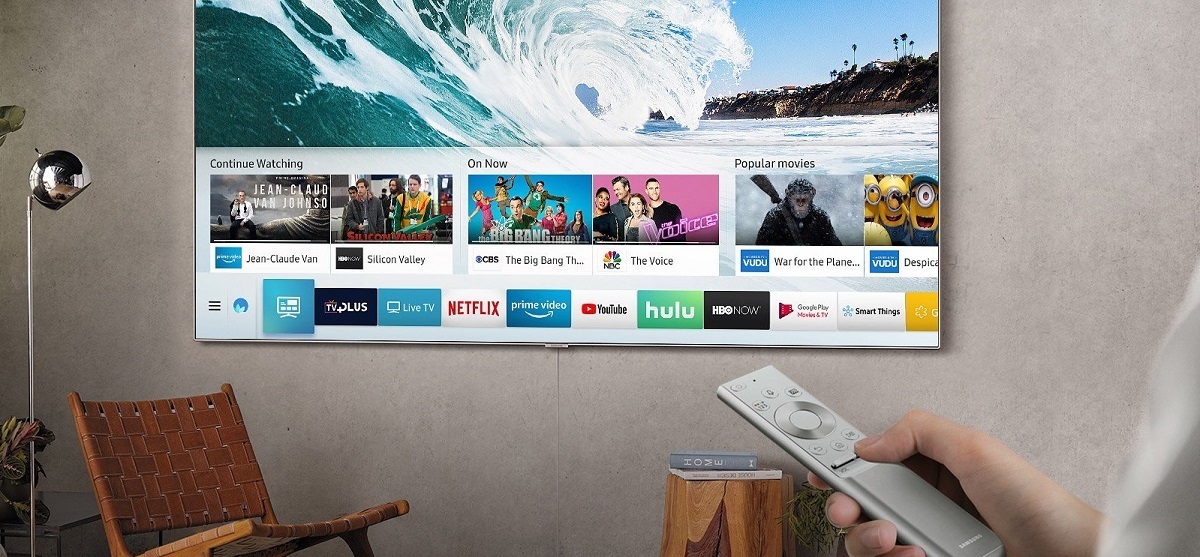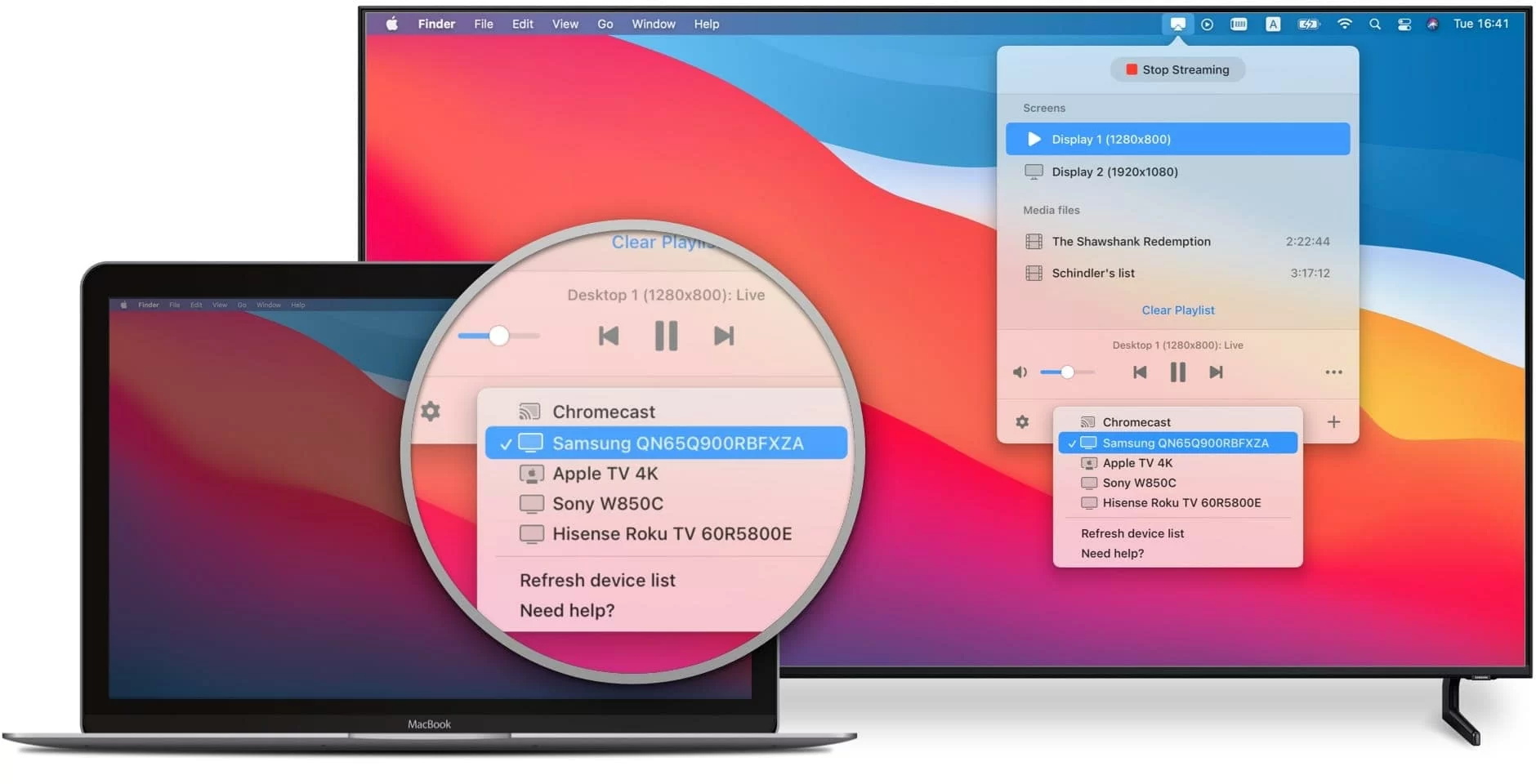
You can’t connect a laptop to a Samsung Smart TV via Bluetooth for screen mirroring, Bluetooth on these TVs simply isn’t built for video. To connect a laptop to a Samsung Smart TV wirelessly, you need to use Wi-Fi-based screen sharing like Miracast on Windows or AirPlay on Mac instead, which requires your TV to already connect to internet Samsung smart TV.
Can you connect a laptop to a Samsung Smart TV via Bluetooth?
No, not for displaying your laptop screen. Samsung Smart TVs use Bluetooth only for audio accessories and input devices, headphones, soundbars, speakers, keyboards, mice, and gamepads. The TV’s Bluetooth radio does not support video transmission, so any attempt to pair a laptop for screen mirroring will fail. If you want to mirror your laptop’s display, you must connect computer to Samsung smart TV wireless using a network-based screen-sharing method that runs over your home network, not Bluetooth.
How to wirelessly connect your laptop to a Samsung TV
The correct way to get your laptop screen onto a Samsung Smart TV is through Wi-Fi screen mirroring. Both devices must be on the same network, this is the single most important requirement. Once they are, the process takes only a few seconds on either Windows or macOS.
On Windows 10 or 11
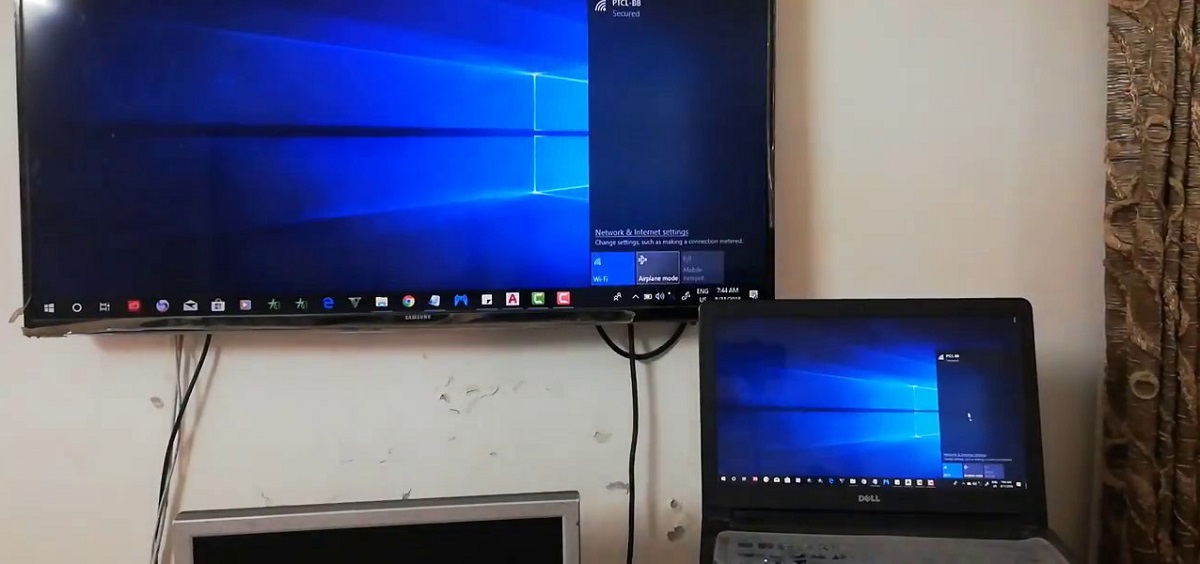
- Press the Windows key + P on your laptop to open the Project menu.
- Select “Connect to a wireless display.”
- Choose your Samsung TV from the list of available devices.
- If your TV doesn’t appear, go to Start, search for “Bluetooth and other device settings,” select it, then choose “Add device” or “Add Bluetooth or other device,” and pick “Wireless display or dock.” Your TV should show up there.
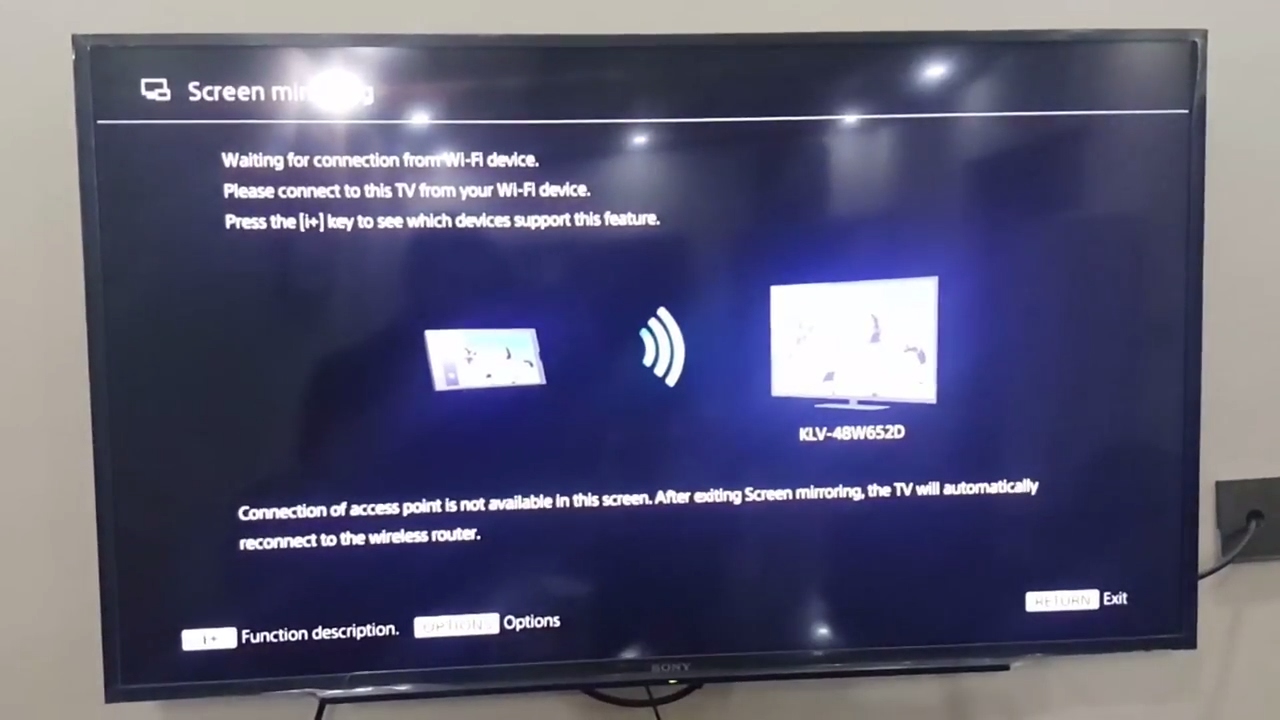
On the TV side, you may need to open the Home screen, go to Daily+, and select “Easy Connection” or “Remote PC (Windows PC),” then open the “Screen Sharing” tab. That puts the TV in discovery mode so your laptop can find it.
On a Mac
- Make sure your Mac and Samsung TV are on the same Wi-Fi network.
- Enable Bluetooth on your Mac, this helps with discovery, though the actual mirroring uses Wi-Fi.
- Click Control Centre in the menu bar.
- Select the Screen Mirroring icon.
- Choose your Samsung TV from the list.
That’s it. Your laptop display will appear on the TV, and you can switch between mirroring and extending your desktop using the same projection menu on Windows or the Screen Mirroring settings on Mac.
What can you actually do with Bluetooth on a Samsung TV?
Bluetooth on your Samsung TV is useful, just not for screen mirroring. You can pair wireless headphones or earbuds for private listening, connect a soundbar or Bluetooth speaker for better audio, or attach a keyboard, mouse, or gamepad for easier navigation and gaming. To check if your TV has Bluetooth, go to Settings > Sound > Sound Output. If you see “Bluetooth Speaker List” in that menu, your TV supports Bluetooth.
When you connect a Bluetooth audio device, the TV’s internal speakers will usually turn off automatically. On some 2022 and newer models, you can enable “Multi-output Audio” to play sound through both the TV speakers and the Bluetooth device at the same time. Also, if your TV is from 2022 or later, you can use the “Dual Audio” function to connect two Bluetooth headphones simultaneously, as long as they support the A2DP profile. One thing to avoid: USB Bluetooth transmitter receivers won’t add Bluetooth to a Samsung TV, they’re not supported.
Troubleshooting wireless display connections
If your laptop can’t find the TV or the connection drops, start with the basics. Confirm both devices are on the same Wi-Fi network, a common mistake is having the laptop on a guest network while the TV is on the main one. Check that the TV’s “Screen Sharing” or “Easy Connection” source is selected; if you’re on another input, the TV won’t appear as a display. Update the TV’s firmware through Settings > Support > Software Update, since older software can cause compatibility issues with newer laptops. On the laptop side, restart the Wi-Fi adapter or run the built-in display troubleshooter, Windows has one under Settings > System > Display. If you’re on a Mac, make sure AirPlay is enabled on the TV and that your Mac’s firewall isn’t blocking local network connections. For persistent problems, try connecting the laptop to the TV with an HDMI cable once, it won’t fix the wireless issue, but it will confirm whether the problem is with the TV’s display input or the wireless connection itself.
For the wider topic, see connecting a smart TV to Wi-Fi.