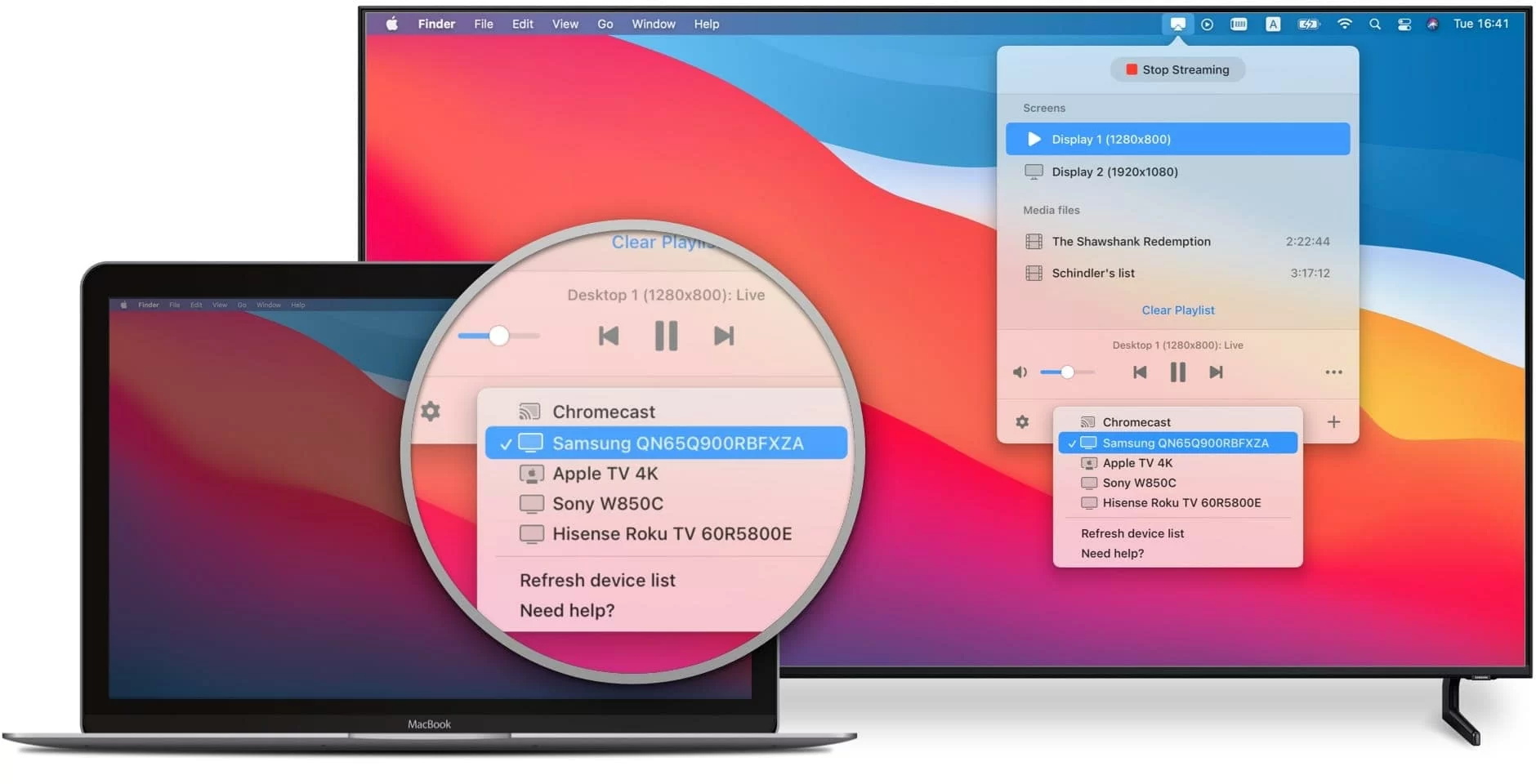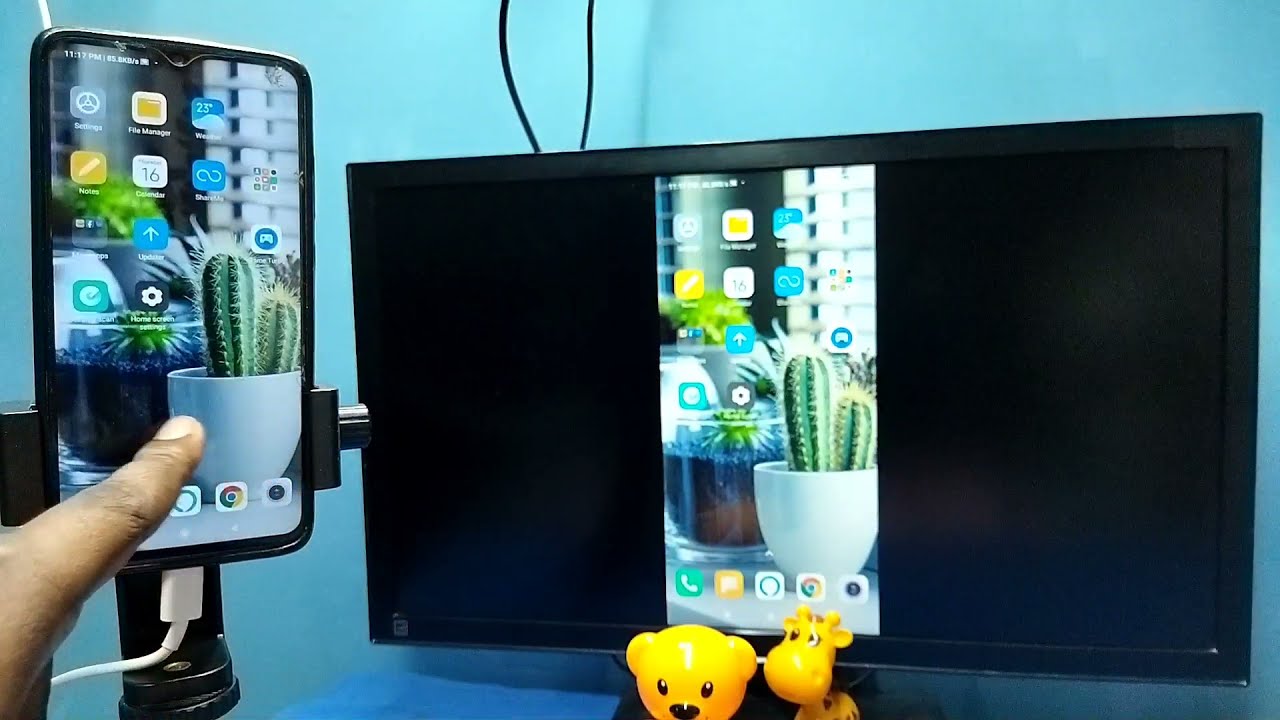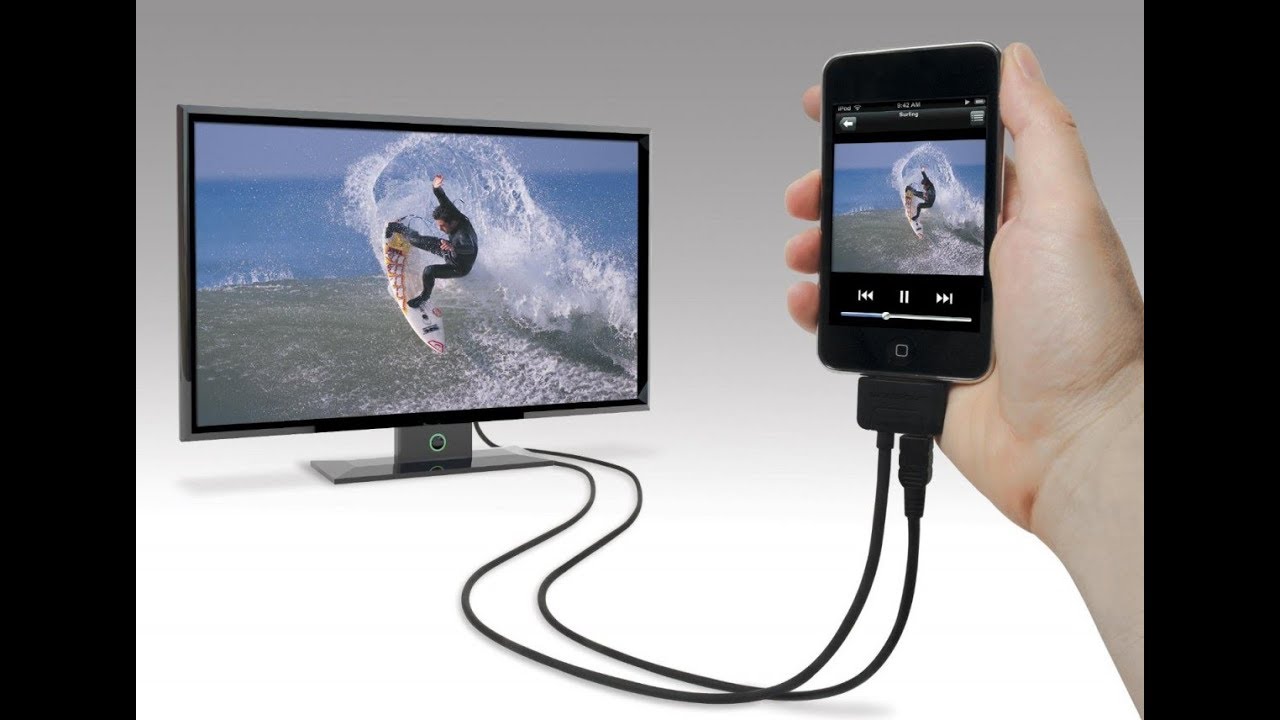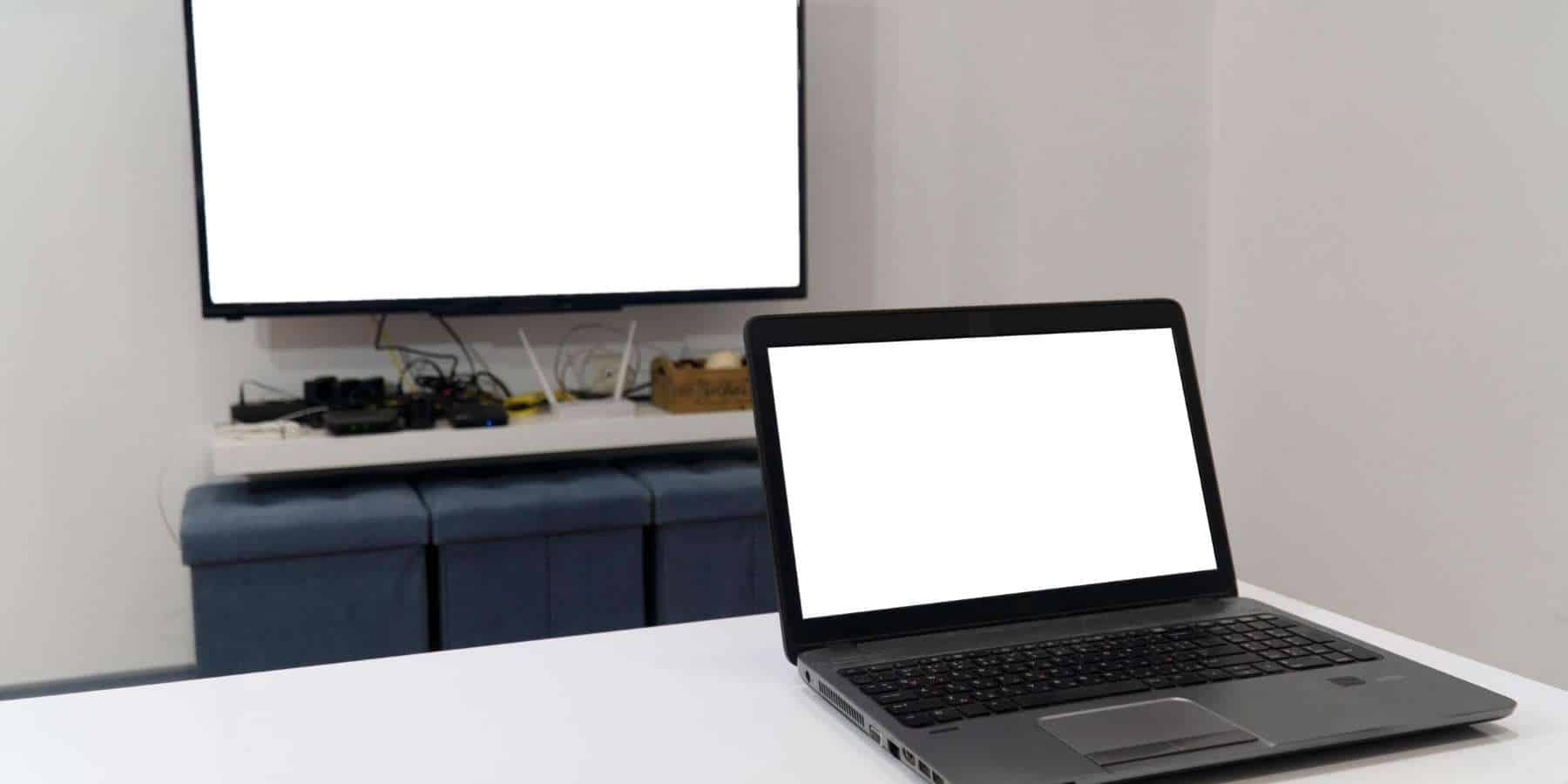
To cast from MacBook to TV, the simplest method is using Apple's built-in AirPlay wireless feature, which requires no extra cables or apps. Alternatively, you can use a standard HDMI cable for a direct, wired connection that works with virtually any TV. Both methods allow you to either mirror your Mac's screen exactly or use the TV as a second, extended display.
Before you cast from MacBook to TV: what you need
Before you begin, ensure your equipment meets the basic requirements. For wireless casting via AirPlay, you need a Mac from late 2012 or later running the latest macOS version. Your TV must be an AirPlay 2-compatible smart TV (like many recent Samsung, LG, or Vizio models), or you need an Apple TV HD (tvOS 9+) or Apple TV 4K (tvOS 11+). Both your Mac and the TV or streaming device must be connected to the same Wi-Fi network. If you own a Samsung TV, you can cast MacBook to Samsung smart TV using its built-in AirPlay support for a seamless wireless experience. For a wired connection, you only need an HDMI cable, or a USB-C to HDMI adapter if your MacBook only has USB-C ports.
It’s also important to understand the two display modes. Mirroring duplicates your Mac's entire desktop on the TV, showing the exact same content on both screens. Extending turns your TV into a separate, second display, giving you extra desktop space for presentations or multitasking. You can switch between these modes after connecting.
Cast wirelessly with AirPlay in 3 steps
This is the universal method for most AirPlay-compatible TVs and devices. It’s quick and requires no additional software.
Step 1: Connect to the same Wi-Fi network
Make sure your MacBook and your TV (or Apple TV, Roku, etc.) are connected to the exact same Wi-Fi network. This is the most common cause of connection failures.
Step 2: Enable AirPlay on your TV
Turn it on.
Step 3: Start screen mirroring from your Mac
On your MacBook, click the Control Center icon (two toggles) in the top menu bar. Then, click the Screen Mirroring icon (two overlapping rectangles). Select your TV from the list. If prompted, enter the four-digit passcode displayed on your TV screen into your Mac. Your Mac’s screen will then appear on the TV.
Cast a specific app using the AirPlay icon
You don’t always have to mirror your entire desktop. Many apps like Photos, QuickTime Player, and Music have a built-in AirPlay icon. This lets you stream only that app’s content to the TV while you continue using your Mac for other tasks. Simply look for the AirPlay icon (a rectangle with a triangle at the bottom) in the app’s playback controls. Click it and select your TV. This is perfect for streaming a movie from your Photos library or playing a playlist from Music without showing your desktop or notifications.
Cast from MacBook to Apple TV
If you own an Apple TV, the process is the most seamless due to the Apple ecosystem. Follow the universal AirPlay steps above. Your Apple TV will automatically appear in the Screen Mirroring list. After entering the passcode, you’ll have the option to “Mirror Built-in Display” or “Use As Separate Display.” The Apple TV often provides a more stable connection and better performance than third-party smart TVs. There’s no need to change any settings on the Apple TV itself; it’s ready for AirPlay out of the box.
Cast from MacBook to Samsung TV
First, ensure both devices are on the same Wi-Fi. On your Samsung TV, go to Settings > General > Apple AirPlay Settings. Turn on AirPlay. You can also choose whether to require a code every time or only the first time. On your MacBook, click the Apple logo > System Preferences > Displays. In the AirPlay Display dropdown menu, select your Samsung TV. Enter the four-digit code shown on your TV if asked. You can then adjust the resolution or check “Mirror displays” in the Arrangement tab.
Cast from MacBook to LG TV
Connect both devices to the same Wi-Fi. On your LG TV remote, press the Home button and navigate to the Home Dashboard. Look for AirPlay & HomeKit Settings and turn on AirPlay. You can set a code requirement here as well. On your MacBook, go to System Preferences > Displays and use the AirPlay Display dropdown to select your LG TV. Enter the code if prompted. Use the Arrangement tab to choose mirroring or extending your desktop.
Cast from MacBook via Chromecast
Chromecast is a great option for non-smart TVs or those without AirPlay. This method uses Google Chrome on your Mac. First, plug your Chromecast into your TV and set it up using the Google Home app on your phone. Ensure your MacBook and Chromecast are on the same Wi-Fi network. Open Google Chrome on your MacBook. From the top menu, click View > Cast. A pop-up will appear. You can choose to cast a specific tab or your entire desktop. Select your Chromecast device. This will mirror whatever is in that Chrome tab or your whole screen to the TV. Note that this only works with content accessible in Chrome.
Cast from MacBook via Roku
Most Roku devices running Roku OS 9.4 or newer support AirPlay. On your Roku, go to Settings > Apple AirPlay and HomeKit. Turn on AirPlay. You can set the code requirement here. Make sure your Roku and MacBook are on the same Wi-Fi. On your MacBook, open Control Center, click Screen Mirroring, and select your Roku device from the list. Enter the code if prompted. Your Mac’s display will then appear on your TV.
Cast from MacBook to TV with an HDMI cable
For the most reliable and lag-free connection, especially for gaming or presentations, use an HDMI cable. Connect one end of the HDMI cable to your MacBook (or to a USB-C to HDMI adapter if your MacBook doesn’t have an HDMI port) and the other end to an available HDMI input on your TV. Turn on the TV and use the remote to select the correct HDMI input (e.g., HDMI 1, HDMI 2), and if you need help getting your remote ready, here are easy steps to connect Xiaomi remote to your TV. Your Mac’s screen should appear automatically. To adjust settings, go to Apple menu > System Settings > Displays to change resolution. To route audio to the TV, go to System Settings > Sound > Output and select your TV. This method works with any TV that has an HDMI port.
Quick fixes: Troubleshooting checklist
If you’re having trouble casting, work through this checklist:
- Confirm both devices are on the same Wi-Fi network.
- Restart your Wi-Fi router, your MacBook, and your TV or streaming device.
- Keep your MacBook and TV close together to avoid signal interference.
- Update your Mac to the latest macOS and ensure your TV’s firmware is up to date.
- Check that the volume is not muted on both your Mac and TV.
- In System Settings > Sound > Output, make sure your TV is selected as the audio output device.
A weak or congested Wi-Fi signal, or physical obstructions like walls between devices, can cause connection failures or poor performance. If problems persist, try moving your router closer or using a wired HDMI connection instead.
For the wider topic, see screen mirroring to a TV.