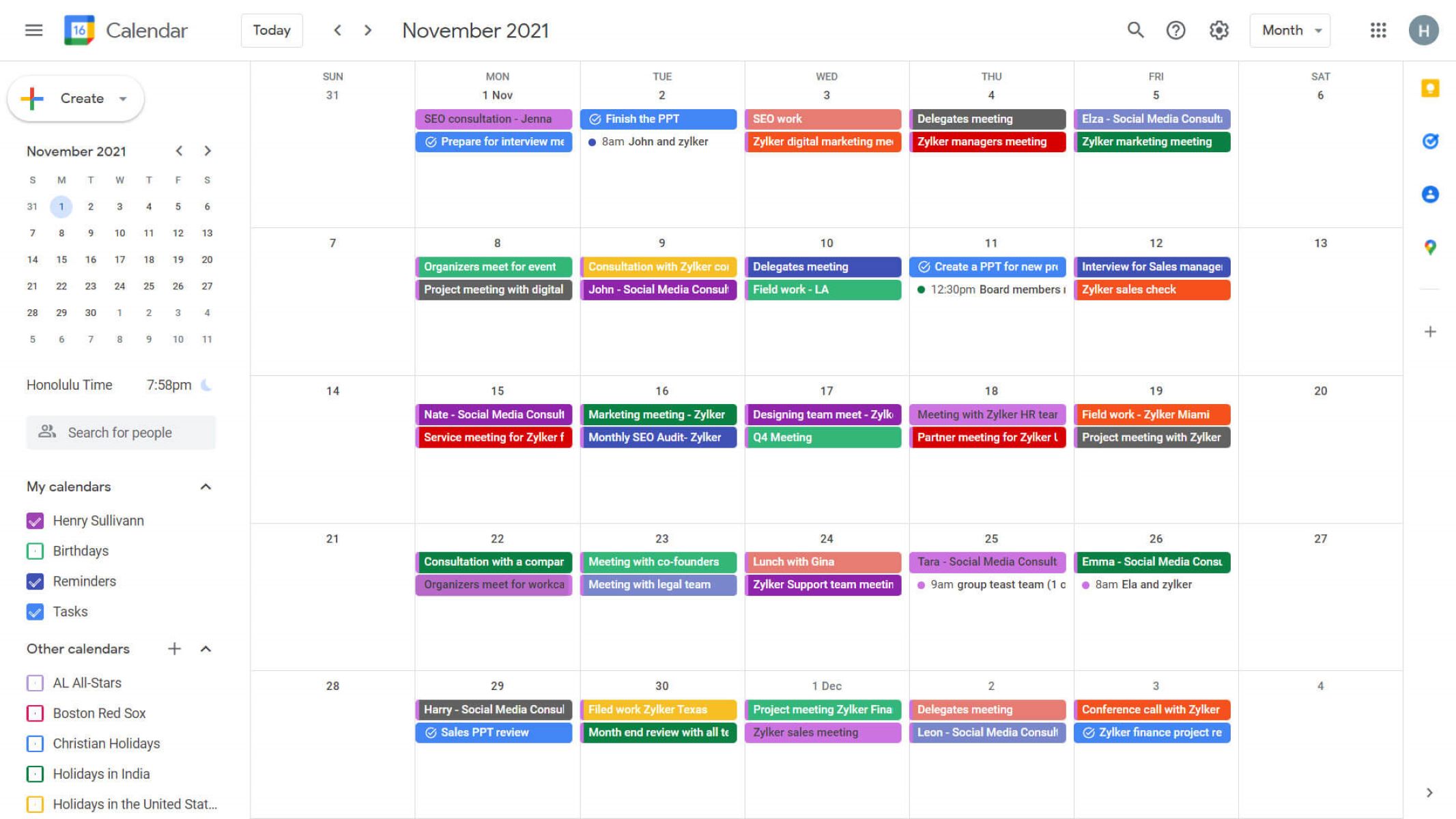
To add someone on Google Calendar so they can see your schedule, you share your entire calendar with them rather than just inviting them to one event.
What adding someone on Google Calendar really means
There are two very different actions people call "adding someone" to Google Calendar, and mixing them up causes confusion. The first is inviting someone to a single event as a guest, they see that one event and can RSVP. The second, which is what this guide focuses on, is sharing your entire calendar with a specific person so they can view your schedule (and possibly edit it) at any time. If you need to add a guest to a single event instead, use the "invite someone to Google calendar" process for events, which works on both desktop and mobile. If you want to manage a separate schedule like a team or family planner, you can add another calendar to my Google calendar before sharing it.
How to share your Google calendar with someone
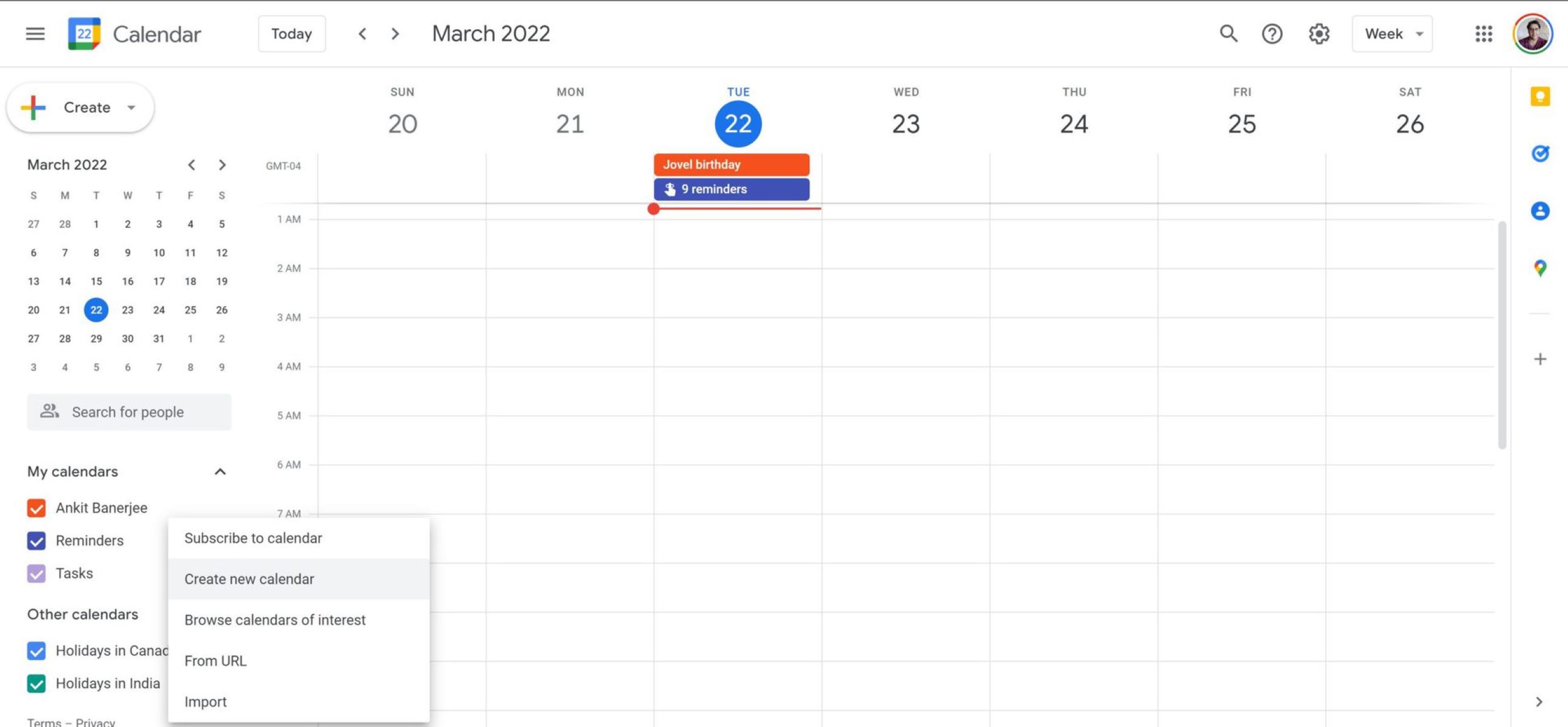
Start on a computer, because full calendar sharing isn't available in the mobile app. Open Google Calendar in your browser and look at the left sidebar under "My calendars." Find the calendar you want to share, this is usually your primary calendar with your name on it. Hover your mouse over that calendar's name, and you'll see three vertical dots appear on the right. Click those dots, then select "Settings and sharing" from the dropdown menu.
Opening the correct settings panel
After clicking "Settings and sharing," you'll land on a page with several sections. Scroll down until you see the heading "Share with specific people or groups." This is the section you need for adding a specific person.
Adding the person and setting their permissions
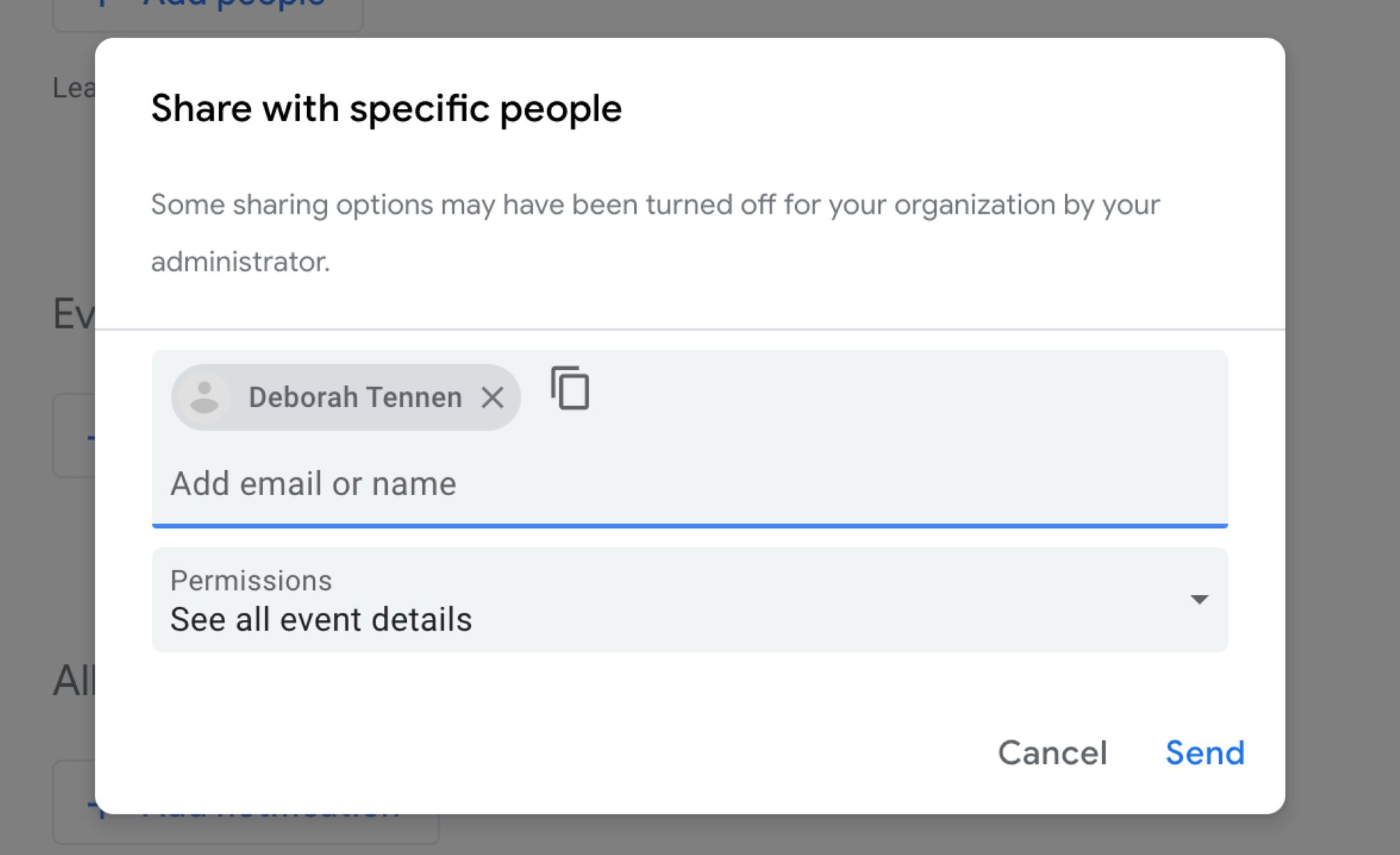
In the "Share with specific people or groups" section, click the button labeled "Add people and groups." A text field will appear where you can type the person's email address. Enter their full email address carefully, a typo here means they won't receive the invitation. After typing the email, a permission dropdown will appear next to it. You have four options, and each one controls what that person can do with your calendar:
See only free/busy (hide details), This shows them only whether you're available or busy, with no event names, locations, or descriptions. It's useful for coworkers who just need to know when you're free for a meeting.
See all event details, This gives them full visibility into everything on your calendar, including event titles, times, locations, and attendee lists. Choose this for family members or close collaborators who need the complete picture.
Make changes to events, This grants everything from "See all event details," plus the ability to edit event times, locations, descriptions, and add or remove events. Use this when someone needs to actively manage your schedule, like an assistant.
Make changes and manage sharing, This is the highest level. The person can edit events and also add or remove other people's access to your calendar. Only grant this to someone you fully trust, like a partner or executive assistant, because they can change who else sees your schedule.
Sending the invitation and what happens next
Once you've entered the email and selected a permission level, click the "Send" button. Google Calendar will immediately send an email to that person with a link to your calendar. The recipient must click that link to add your calendar to their own Google Calendar view, they won't see your schedule automatically just by receiving the email.
If the person says they never received the invitation email, first ask them to check their spam folder. Calendar invitations from Google sometimes get filtered there. If it's not in spam, double-check the email address you entered for typos, then send the invitation again. In most cases, the email arrives within a minute, but occasionally it can take a few minutes longer.
Limitations and special cases to know about
Not every calendar entry can be shared with someone you add. You cannot add guests to events that are automatically created from Gmail, birthdays, holidays, or sports calendars. These auto-generated events are managed by Google, not by you, so the sharing permissions don't apply to them. If you need someone to see a birthday or holiday, you'll have to create a manual event for it and share that instead.
Another limitation applies to work or school Google Calendar accounts. If you're using a calendar provided by your employer or school, an administrator may have set restrictions on external sharing. This means you might not be able to share your calendar with people outside your organization, or you might only be able to share free/busy information. For personal Gmail accounts, there are no such restrictions, you can share with anyone who has a Google account.
One more thing worth knowing: if you ever make a mistake while sharing, you can fix it quickly. The "undo in Google calendar" feature works for sharing changes too, just click the "Undo" link that appears at the top of the screen right after you send an invitation or change a permission. This saves you from having to manually remove someone if you accidentally added the wrong person.
When the person you added accepts the invitation and your calendar appears in their list, they can view it alongside their own events. If you granted them editing permissions, they can also create events directly on your calendar from their own device. To remove someone later, return to the same "Share with specific people or groups" section in Settings and sharing, find their name, and click the trash can icon next to it. This immediately revokes their access, and they'll no longer see your calendar in their view.