How many HDMI ports does PS5 have? The short answer
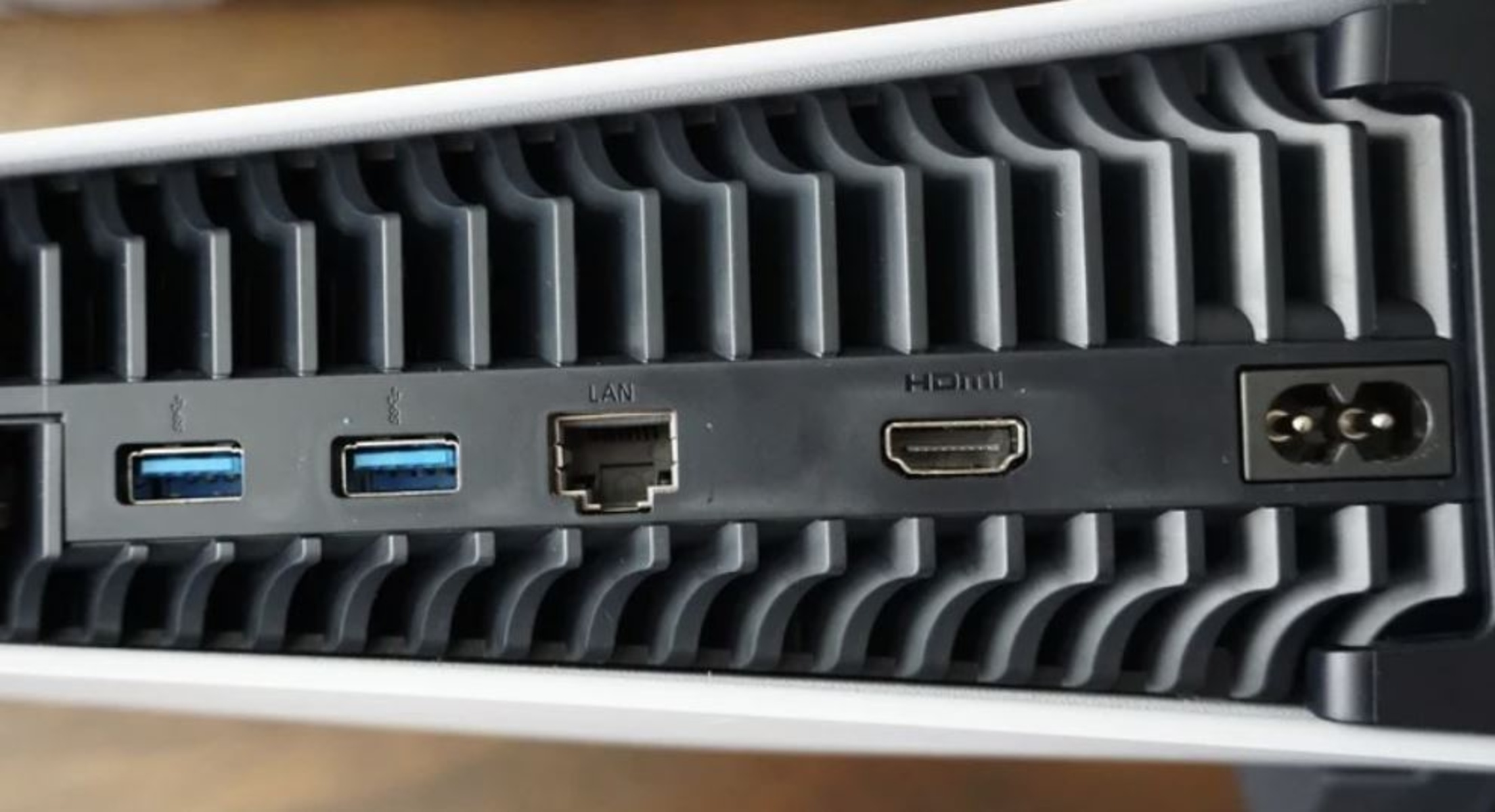
The PS5 has exactly one HDMI port, and it is an HDMI 2.1 OUT port located on the rear of the console. This applies to both the standard PS5 with a disc drive and the PS5 Digital Edition, so the answer is the same regardless of which model you own.
That single port is the only HDMI connection on the console, and it is designed to carry both video and audio from the PS5 to your TV, monitor, projector, or sound system. There are no additional HDMI inputs on the PS5 itself, meaning the console is strictly an output device in terms of HDMI connectivity. If you ever run into a situation where the port is damaged or not working, you may need to look into the cost to fix a PS5 HDMI port, but for the vast majority of users, the single HDMI 2.1 OUT port is all you need for a complete setup.
Connecting your PS5 to a TV with HDMI
Connecting your PS5 to a TV is a straightforward process that requires only the included HDMI cable and a compatible display. The PS5 comes with an HDMI 2.1 cable that supports bandwidth up to 48Gbps, which is more than enough to handle 4K resolution at 120Hz, Variable Refresh Rate (VRR), and other advanced features. Here is how to get everything hooked up correctly.
- Locate the HDMI OUT port on the rear of the PS5 console. It is clearly labeled and sits alongside the other ports like USB, Ethernet, and power.
- Insert one end of the included HDMI 2.1 cable firmly into the HDMI OUT port on the PS5. Make sure it is fully seated to avoid any loose connections.
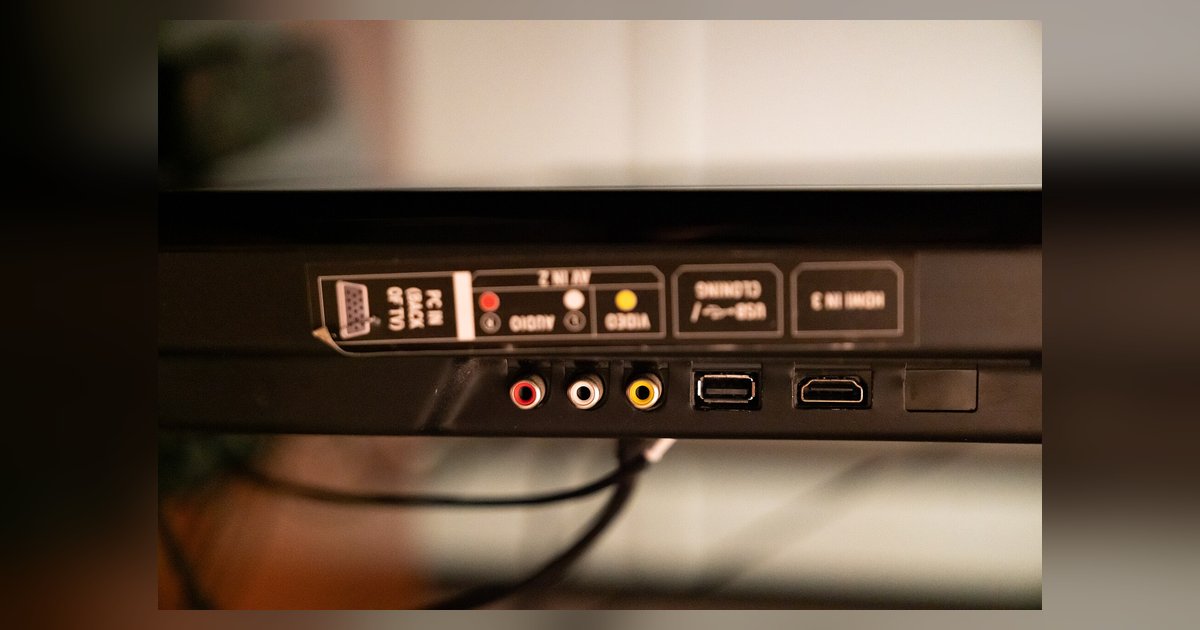
- Identify an available HDMI input port on your TV. Most modern TVs have multiple HDMI inputs, so choose one that is convenient and easy to reach.
- Connect the other end of the HDMI cable to the HDMI input port on your TV. Again, push it in firmly until it clicks or feels secure.
- Turn on your TV and use the remote or the buttons on the TV to select the correct HDMI input that corresponds to the port you used. This is often done via an "Input" or "Source" button.
- Power on your PS5 by pressing the power button on the console itself or by using the controller.
Once you complete these steps, you should see the PS5 startup screen or the home menu on your TV. The HDMI 2.1 connection ensures that you get the full visual and audio quality the console is capable of delivering. If your TV supports HDMI features like ARC or eARC, you can also route audio back to a soundbar or AV receiver through the same HDMI connection, but that is optional and depends on your specific TV and audio setup. If you don't have a TV available, you can also play PS5 on laptop through HDMI using the console's video output.
It is worth noting that the HDMI cable included with the PS5 is rated for 48Gbps bandwidth, which is the maximum speed allowed by the HDMI 2.1 specification. This means the cable itself will not be a bottleneck when you are pushing high-resolution, high-refresh-rate content from the console to your display.
Tips and what to do if you see no display
If you have connected the PS5 to your TV but see no picture or hear no sound, there are a few common issues to check before assuming anything is broken. Start by verifying that your TV is set to the correct HDMI input. Many TVs have multiple HDMI ports, and it is easy to accidentally select the wrong one. If you are unsure how to do this, you may need to switch from HDMI 1 to HDMI 2 or another input using the TV's remote or on-screen menu.
Next, check both ends of the HDMI cable to make sure they are fully inserted and secure. A loose connection can cause intermittent signal loss or no signal at all. If the cable appears damaged or bent at an unusual angle, try using a different HDMI cable to see if that resolves the issue. The PS5's HDMI port is located on the rear of the console, so make sure nothing is pressing against it or blocking the connection.
If you have confirmed the input is correct and the cable is secure, inspect the HDMI port on the PS5 itself for any visible damage, such as bent pins or a cracked housing. If the port looks damaged, that could be the source of the problem. In that case, you may want to look into the cost to fix a PS5 HDMI port, as a repair may be necessary to restore the connection. However, for most users, the issue is simply a matter of selecting the right input or reseating the cable.
Another thing to check is whether the TV is powered on and not in standby mode. Some TVs will not detect a new signal if they are in a low-power state, so try waking the TV or cycling its power. If you are using a monitor instead of a TV, make sure the monitor is set to the correct HDMI input as well, as monitors often have multiple inputs and do not always auto-detect a new source.
Finally, if you have tried all of these steps and still see no display, try connecting the PS5 to a different TV or display to determine whether the issue is with the console or the original display. This can help isolate the problem and tell you whether the PS5's HDMI port is functioning properly. If the PS5 works on another display, then the issue lies with the original TV or the cable. If it does not work on any display, the HDMI port on the PS5 may need professional attention.
In most cases, following the connection steps and checking the basics will get your PS5 up and running on your TV without any issues. The single HDMI 2.1 port on the PS5 is more than sufficient for a high-quality gaming setup, and as long as you use the included cable and select the correct input, you will be able to enjoy everything the console has to offer.