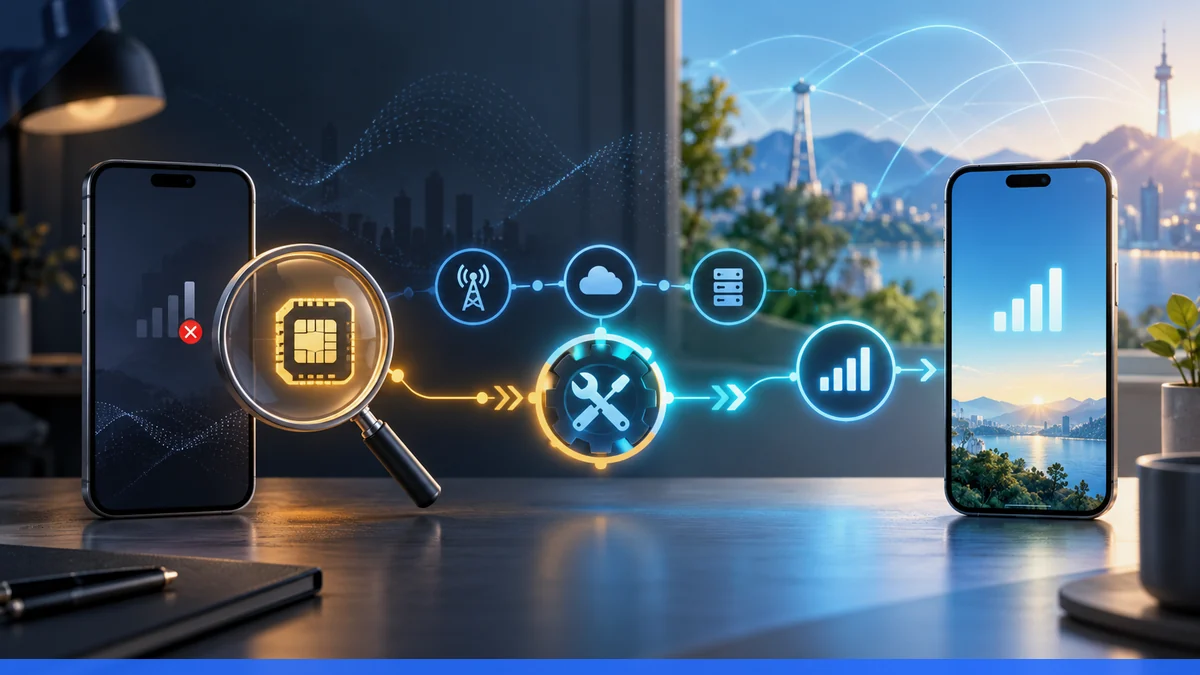
If you got a call from Cellco Partnership DBA Verizon Wireless, the first thing to know is that it could be legitimate, but it could also be a scammer spoofing Verizon’s real number. The safest way to handle such a call is to assume nothing, hang up, and verify through official channels before sharing any information.
Got a call from cellco partnership dba verizon wireless? First, check if it’s a scam
Immediate scam warning: scammers routinely impersonate Verizon Wireless by spoofing the exact phone numbers the company uses, so the name and number on your caller ID are not proof of anything. Caller ID is unreliable because spoofing technology makes any number appear on your screen, including Verizon’s official customer service lines. Before you engage with anyone, follow the three-step verification rule: hang up immediately, do not press any buttons, and do not share personal information.
What Cellco Partnership dba Verizon Wireless actually is
Cellco Partnership is the legal entity that operates under the brand name Verizon Wireless. It’s not a separate company or a third-party collector, it’s the official name Verizon uses for its wireless business. Legitimate calls from this entity do occur, and they are almost always related to a customer account, billing, or promotions. If you are a Verizon customer, a call from Cellco Partnership DBA Verizon Wireless is likely routine. If you are not a customer, a call claiming to be from this entity is far more likely to be a scam, though there are rare cases of wrong numbers or business-to-business outreach.
Legitimate reasons Verizon Wireless might call you
Verizon may call you for several normal account-related reasons. These include billing and payment reminders, such as a missed payment or an upcoming auto-pay date; account updates, like a plan change or a new feature being added; upgrade offers, which are common when you’re eligible for a new device or a better plan; security verification, which happens when there is unusual activity on your account; and customer satisfaction surveys, which Verizon conducts to gauge your experience. In every legitimate call, Verizon will never ask for your passwords, PINs, or full Social Security number. If a caller asks for those, it is a scam, no matter what the caller ID says.
How to use Verizon’s tools to block unwanted calls
If you’re receiving unwanted calls that appear to be from Verizon, the company provides built-in tools to stop them. The Call Filter app is free for wireless customers and screens incoming calls, automatically blocking high-risk spam calls by sending them to voicemail. You can also use the app to report spam numbers, which helps Verizon improve its detection service for everyone. For specific numbers you want to block manually, open the My Verizon app or website and navigate to Account, then My plan, then Blocks, then Block calls & messages. From there you can block up to 5 numbers for a 90-day period. If you need to block more numbers or want a longer-term solution, Verizon Family allows you to block up to 20 numbers for enrolled dependents.
If you think your Verizon account has been compromised
If you suspect fraud, especially SIM swap or port-out fraud where a scammer takes over your phone number, act immediately. Do not wait to see if the call was legitimate. Dial *611 from your mobile phone or call 888-483-7200 directly, and tell the representative you believe your account has been compromised. They can lock your account, verify your identity, and help you regain control before any damage is done. Time is critical in these situations because a scammer with your SIM card can intercept your two-factor authentication codes and access your bank, email, and other sensitive accounts.
Other ways to stop unwanted calls
Beyond Verizon’s own tools, you can reduce unwanted calls at the source. Register your phone number with the National Do Not Call Registry, which is managed by the Federal Trade Commission, to cut down on legitimate telemarketing calls. Note that this registry does not stop scammers, since they ignore the law, but it does reduce the volume of legal sales calls. You can also opt out of Verizon’s marketing communications by logging into your My Verizon account and updating your communication preferences, or by calling customer service and requesting to be removed from marketing lists. Finally, report scam calls to the FTC at their website or by phone; providing details about the call, the number displayed, and what was said helps the FTC track and take action against fraudulent operations.
\nRelated reading: How To Setup Verizon Wifi Extender, How To See iMessage History On Verizon Bill, and What Is The ONT Power Supply Unit In A Verizon Installation?.