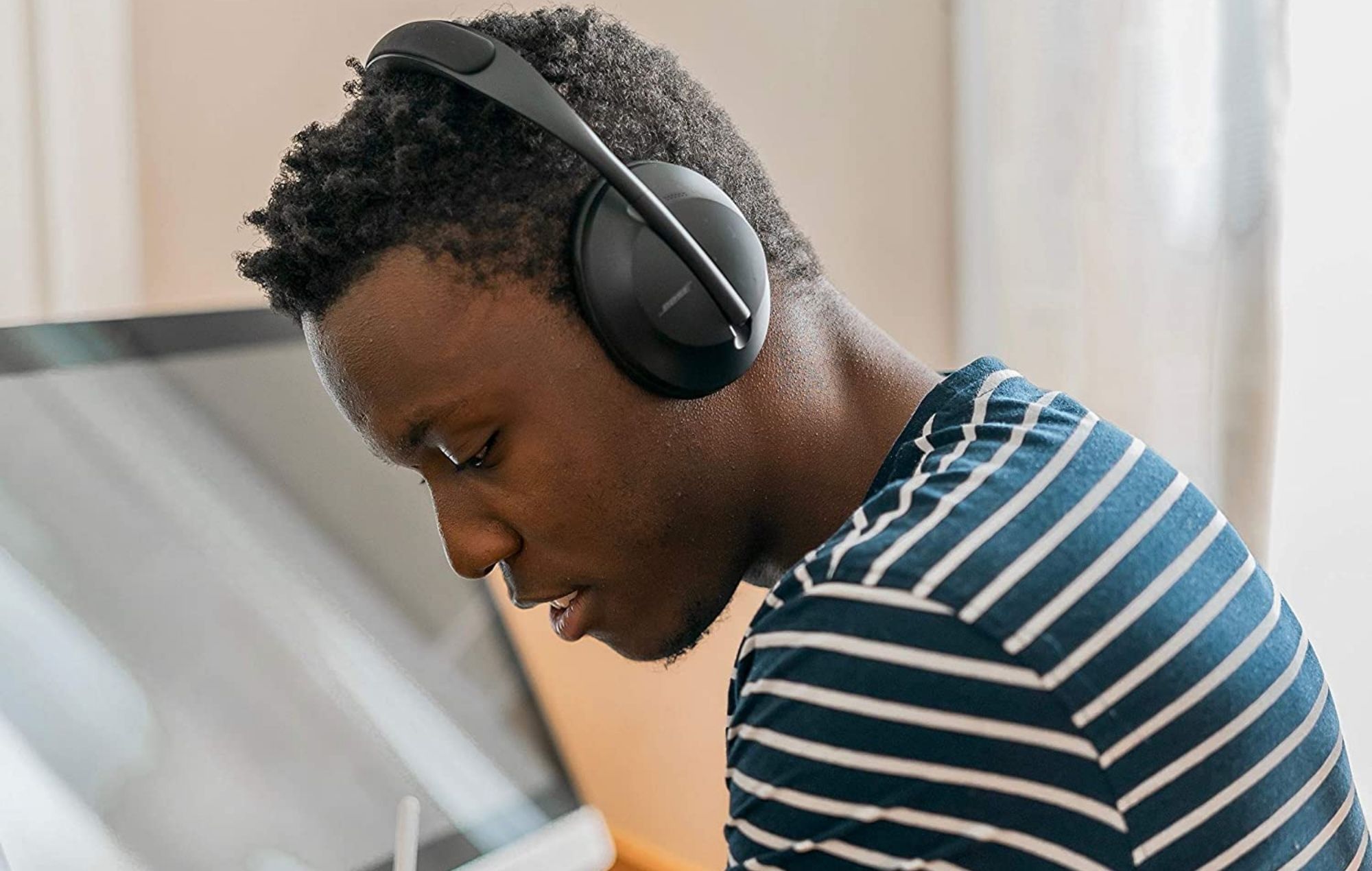
Understand your noise control modes first
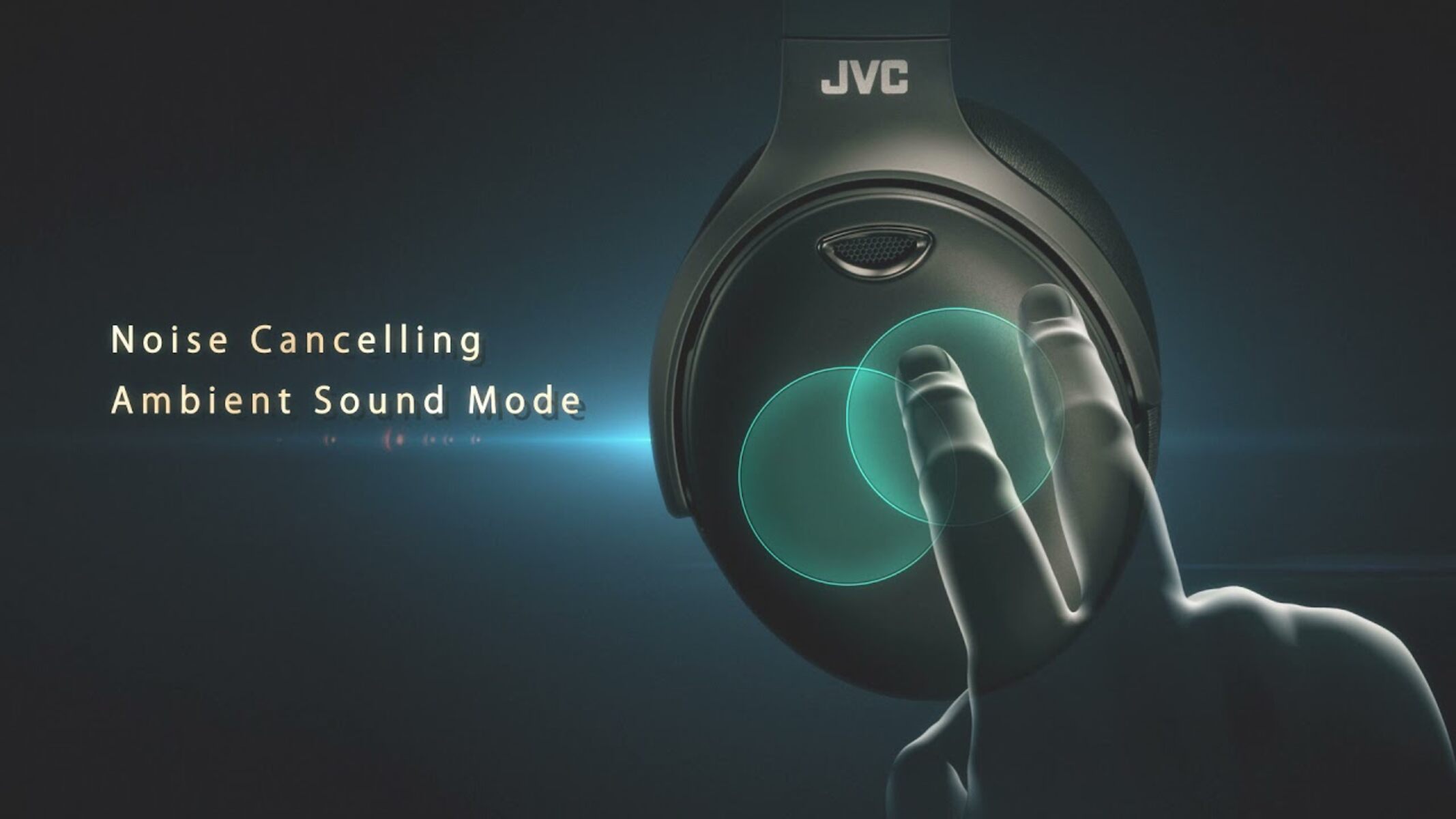
To turn noise cancelling on, choose a seat where you can settle in for the quietest experience. Arrive at the gate early and switch your earbuds or over-ear cans into the mode that blocks the world. Skip the default auto-settings until you understand the difference between noise cancelling and ambient sound: the first uses microphones to create anti-noise waves that cancel out background rumble, while the second pipes outside noise back through the speakers so you can hear a train announcement or a colleague without removing the earbuds. For a quieter commute or a noisy café, noise cancelling is your tool. For a walk near traffic or a quick chat at the front desk, ambient sound keeps you aware.
Now dig one level deeper. Skip the generic “on” toggle and find your model’s dedicated noise-control menu. You will get better results once you understand the difference between adaptive and active noise cancelling: active cancelling applies a fixed level of quiet based on the hardware design, whereas adaptive cancelling adjusts that level in real time as it senses changes in your environment, ramping up on a bus and backing off in a library. Both technologies drain the battery faster than leaving the feature off entirely. Check noise cancelling battery drain before you leave the house if you are planning a full workday without a charger nearby.
Use the companion app to cap the strength manually. That one deliberate choice can double your listening time on a single charge, a result no generic quick-start guide will deliver for you.
Turn on noise cancelling by brand
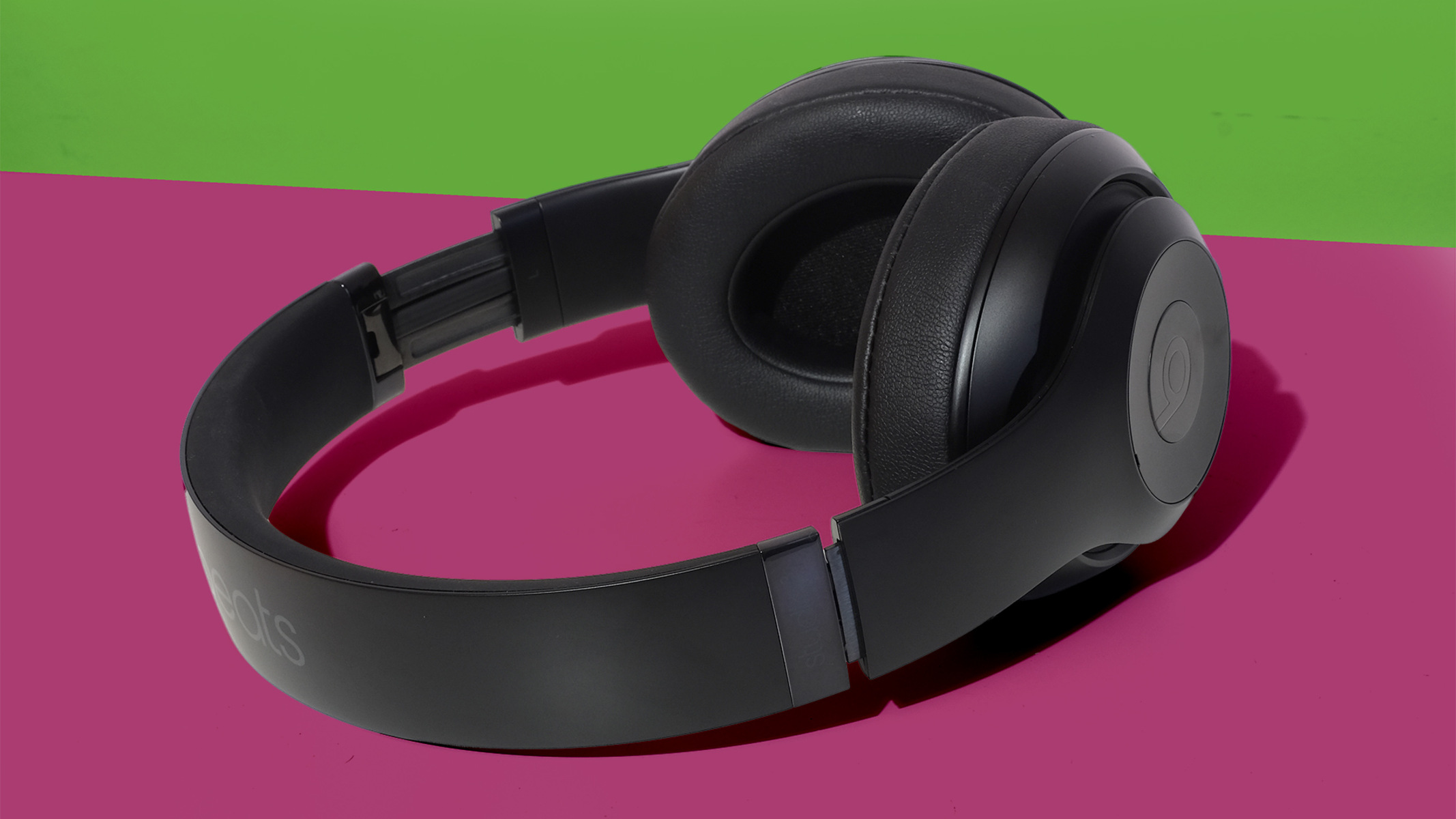
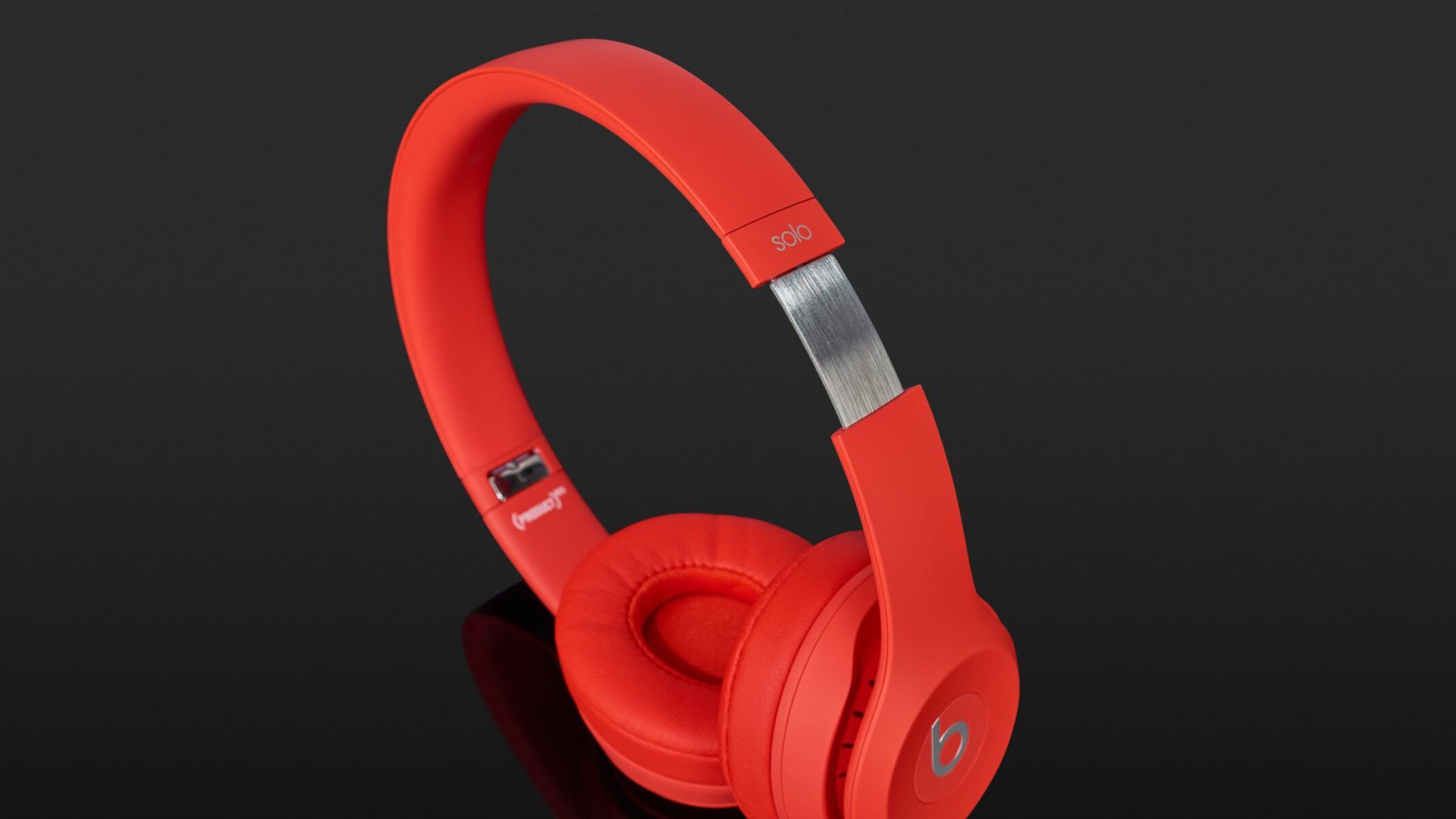
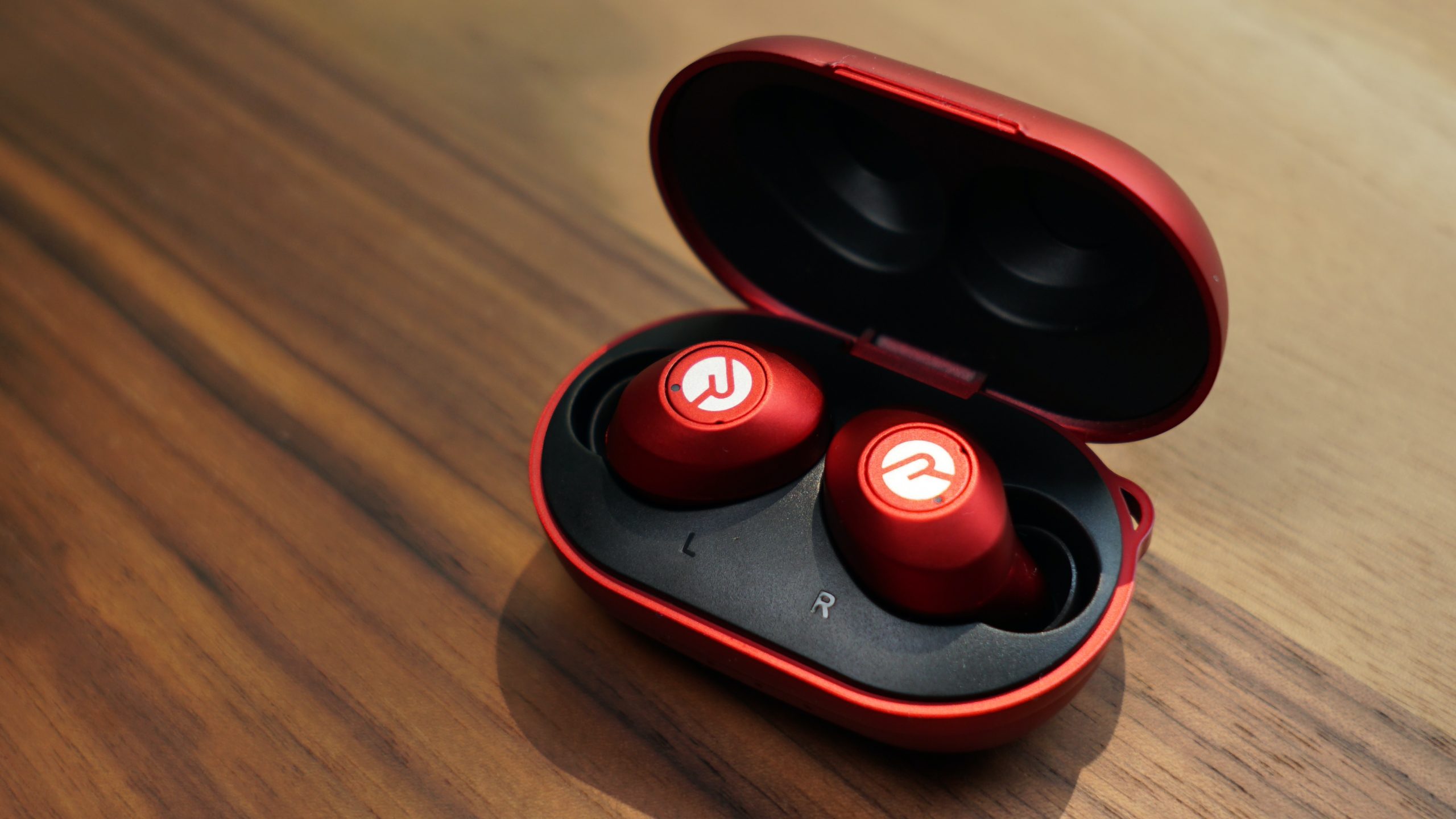
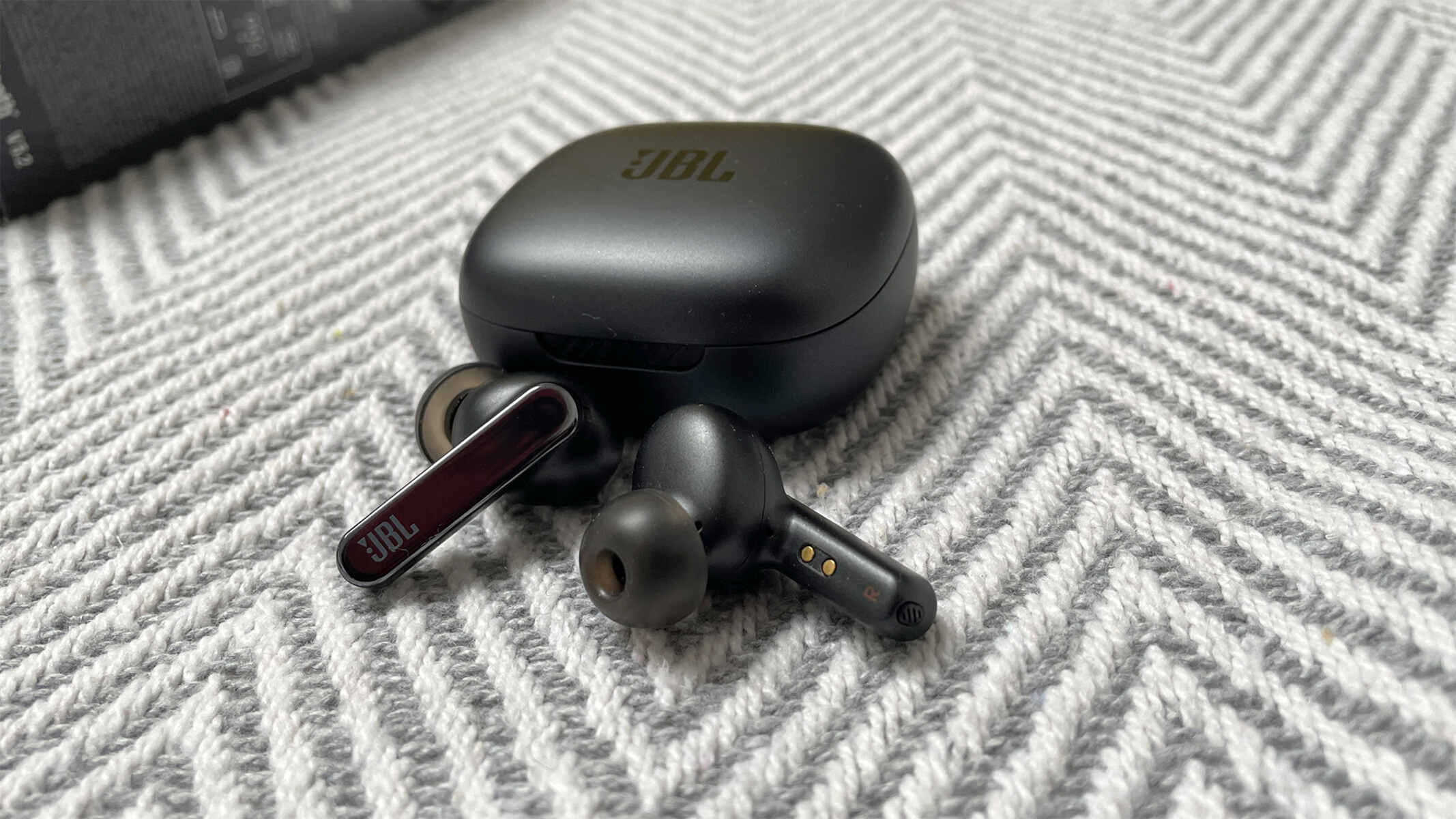
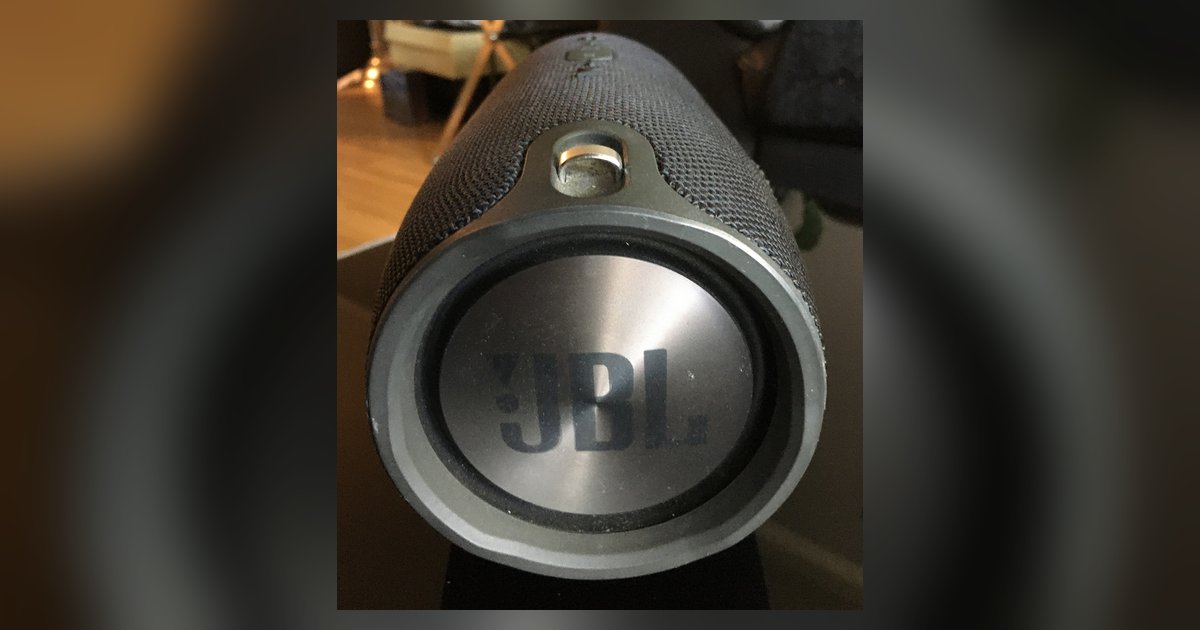
Press the NC/AMB button on your Sony set to cycle through Noise Cancelling, Ambient Sound Mode, and Off. For Apple AirPods Pro, squeeze and hold the stem to toggle between Noise Cancelling and Transparency mode. If you need to turn on noise cancelling on AirPods on Android, use the companion app or long-press the force sensor while audio is playing. To turn on noise cancelling on JBL earbuds, tap the left earbud twice. You should feel a tone change. Confirm the mode in the JBL Headphones app. For Beats, the process varies by model. To turn noise cancelling on beats, press the system button on the left earcup once. To turn on noise cancelling on beats solo 3, hold the b button for two seconds until the LED flashes white. To turn on noise cancelling beats studio, slide the physical switch on the left earcup forward. If you own Raycon, open the Raycon app, select your model, and toggle the ANC slider on. To turn on noise cancelling on raycon earbuds directly, triple-tap the right earbud while music is playing. Many of these devices only activate noise cancelling when they detect active audio. If you try toggling in total silence and hear nothing, that is often by design, not a malfunction.
Connect your headphones first
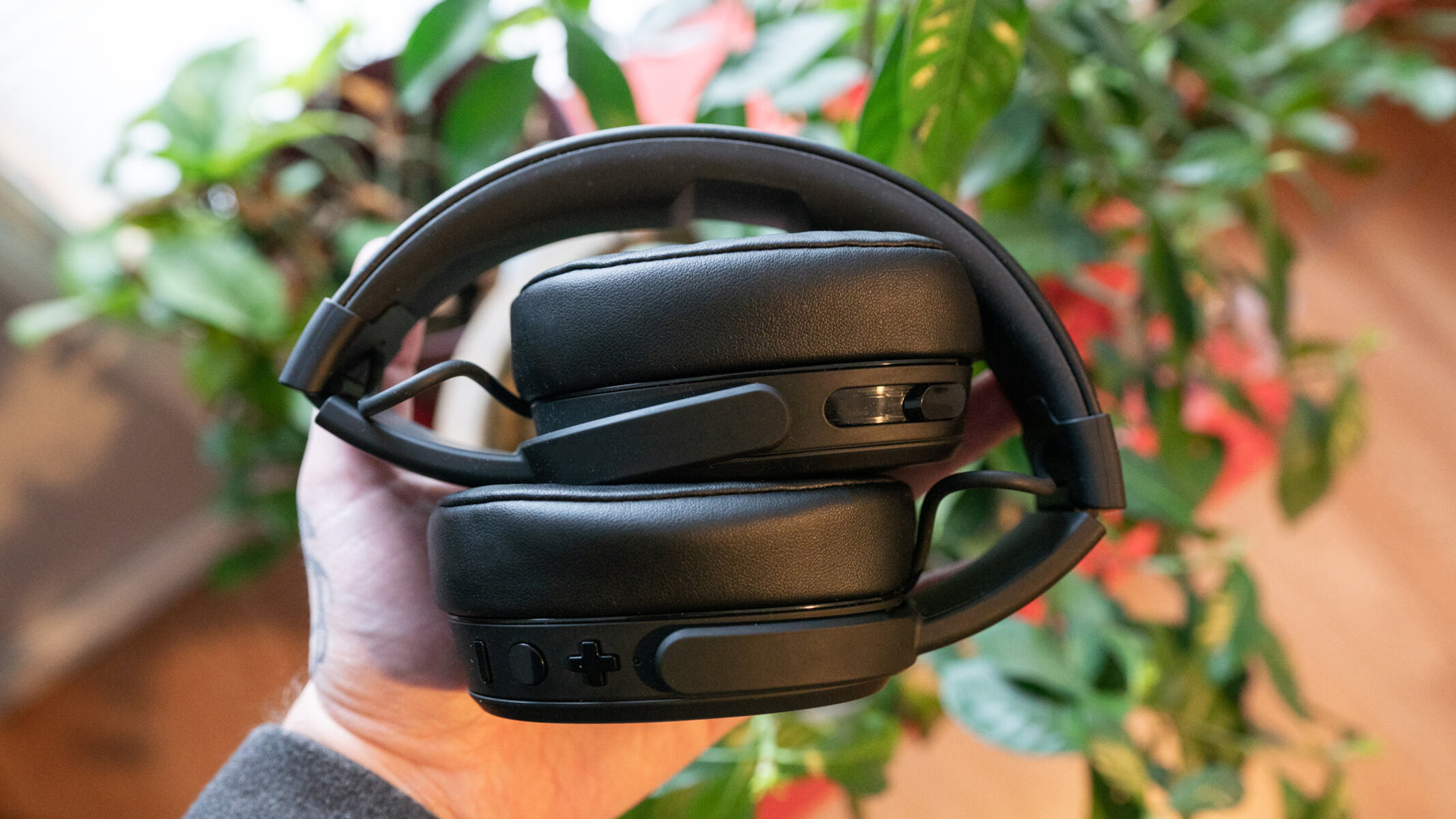
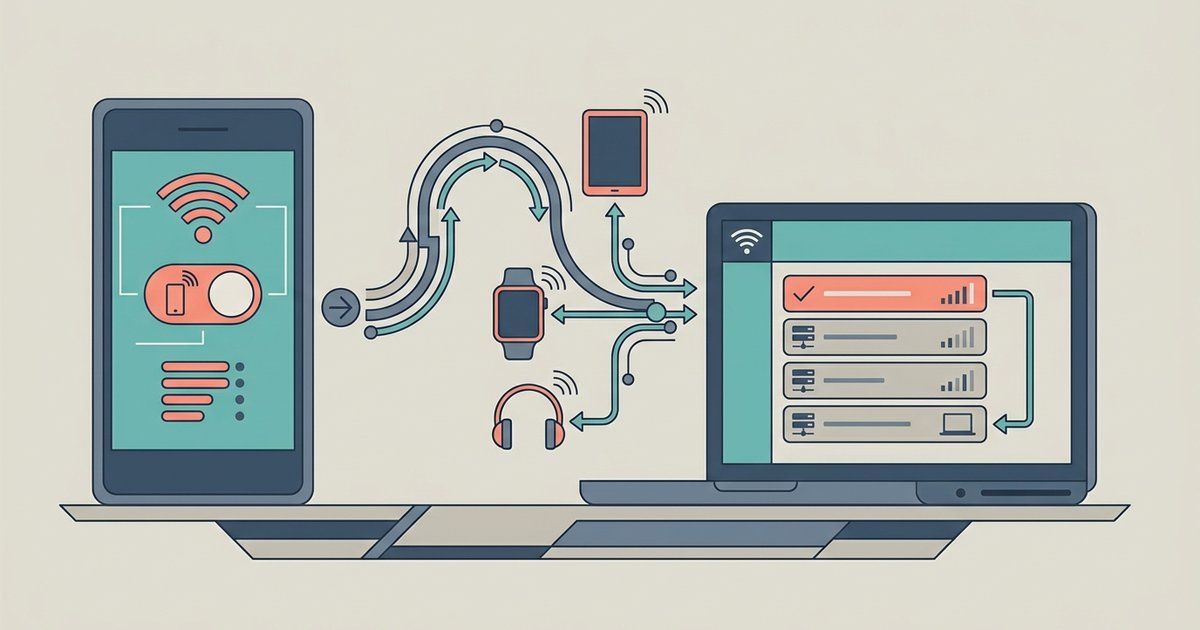
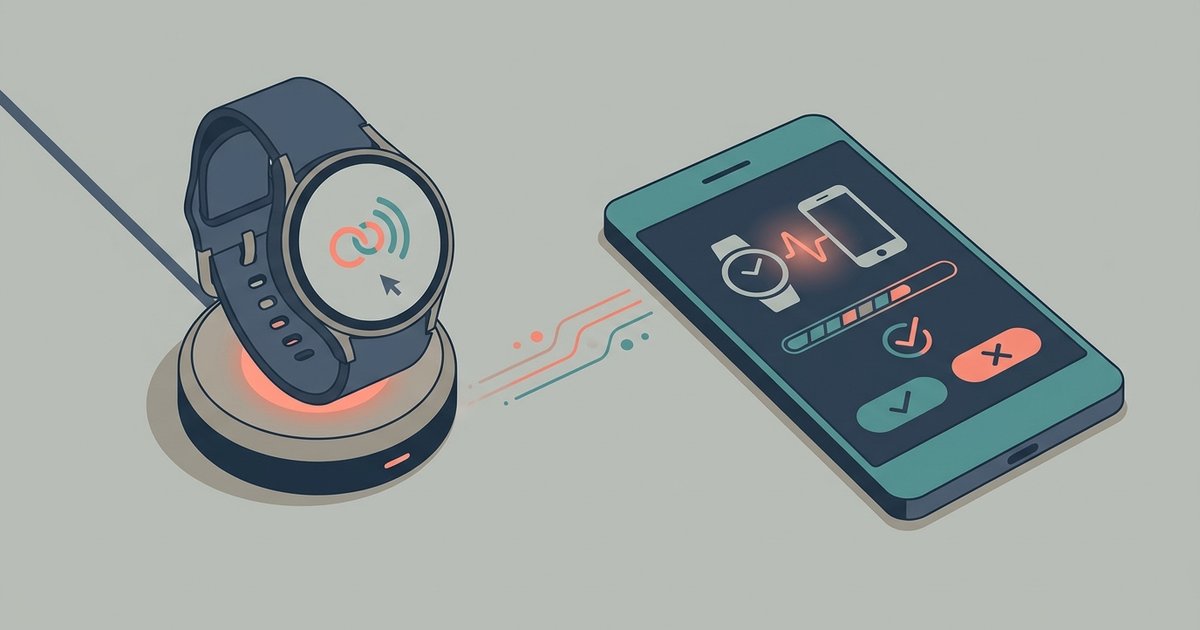
Connect your headphones to your phone, laptop, or other audio source first. For most models, put the headphones into pairing mode. Hold the power button for several seconds until the LED flashes (consult your headphone's manual for the specific pairing indicator). Open the Bluetooth settings on your device. Select the headphones from the list. If you own Skullcandy gear, pair skullcandy noise cancelling headphones by pressing and holding the main button until you hear "ready to pair." Then tap the device name in your Bluetooth menu. For Bose models, follow the pairing instructions in your specific model's manual. Pair bose noise cancelling headphones by putting them in pairing mode and selecting them from your phone's available devices. Once paired, your audio gear will usually auto-connect in the future. Now start some music or a podcast before you test the noise cancelling feature. A crucial detail to keep in mind: you can toggle noise cancelling on or off at any time using your headphone's controls, even without audio playing. If you hear no change, consult your device's manual for the correct gesture or button.