To protect skin from blue light, you need a two-part strategy: daily application of a tinted mineral sunscreen and smart device habits that reduce your overall exposure. This guide covers exactly what blue light does to your skin and the science-backed steps you can take to shield it from premature aging and pigmentation.
What blue light is and where it comes from
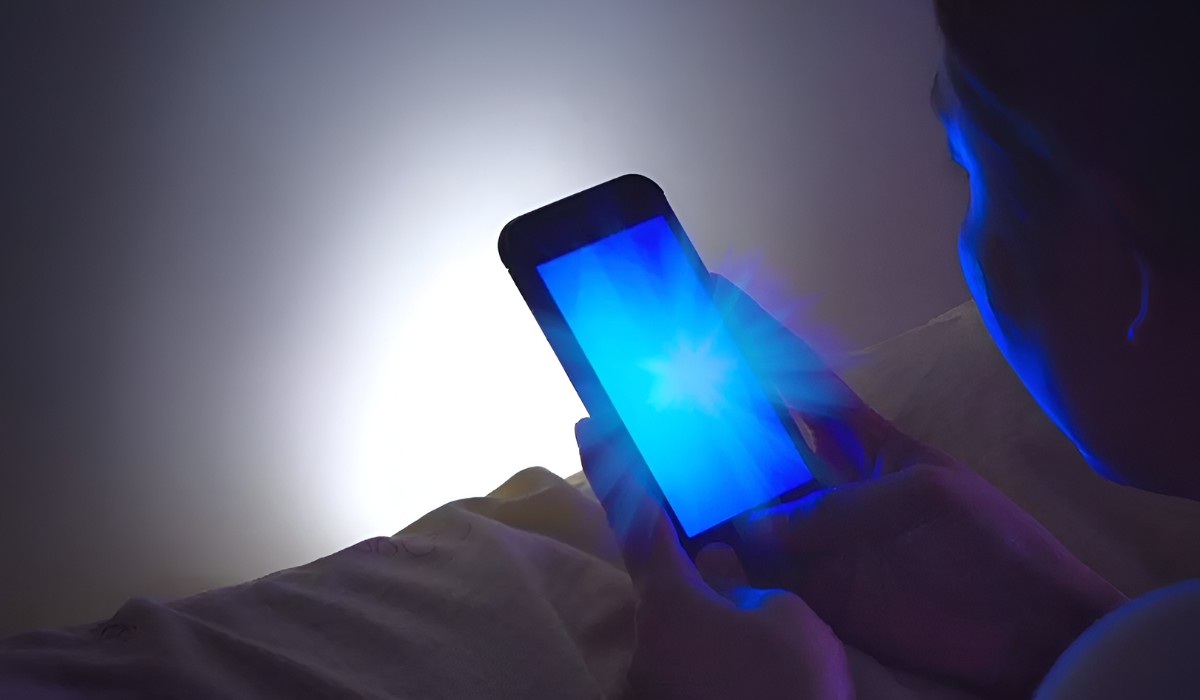
Blue light is a high-energy, short-wavelength portion of the visible light spectrum, ranging from about 400 to 495 nanometers. The sun is your primary source of blue light, emitting far more of it than any screen you own. However, artificial sources, smartphones, tablets, computers, LED lighting, and fluorescent bulbs, add significant cumulative exposure throughout your day, especially since most people spend hours staring at these devices indoors where the sun's contribution is filtered by windows. If you use an iPad, turning off blue light for better viewing can reduce the specific strain from your tablet during evening reading sessions.
How blue light damages your skin
Unlike UV rays that mostly affect the surface layers, blue light penetrates deeper into the dermis, the layer where collagen and elastin reside. Once there, it triggers the formation of reactive oxygen species (ROS), also known as free radicals. These unstable molecules cause oxidative stress, which degrades collagen and elastin over time, leading to fine lines, wrinkles, and a loss of firmness. Blue light also stimulates melanocytes, the pigment-producing cells in your skin, causing them to overproduce melanin. This is especially problematic for individuals with darker skin tones, who may notice increased hyperpigmentation, dark spots, and uneven tone from prolonged exposure. Additionally, oxidative stress from blue light disrupts your skin's natural barrier, leaving it dry, dehydrated, and less resilient against environmental aggressors like pollution and harsh weather.
Your best defense: Tinted mineral sunscreen
The single most effective product you can use to protect skin from blue light is a tinted mineral sunscreen. These formulations combine zinc oxide with iron oxides, the same pigments used in cosmetics, to create a physical barrier that reflects and absorbs blue light before it reaches your skin. Research shows that tinted sunscreens with iron oxides can reduce blue light exposure by up to 86%, a level of protection that untinted sunscreens simply cannot match. Zinc oxide alone blocks UVB and most UVA rays, but it leaves gaps in the blue light spectrum; iron oxides fill those gaps. When you apply a tinted mineral sunscreen every morning, you get broad-spectrum UV protection plus a dedicated shield against the specific wavelengths that drive pigmentation and collagen breakdown. Choose a shade that matches your skin tone, and reapply it just as you would any sunscreen if you spend extended time outdoors or near bright screens.
More tips to minimize blue light exposure
Beyond sunscreen, your daily habits play a meaningful role in reducing how much blue light your skin absorbs. Here are practical steps you can take:
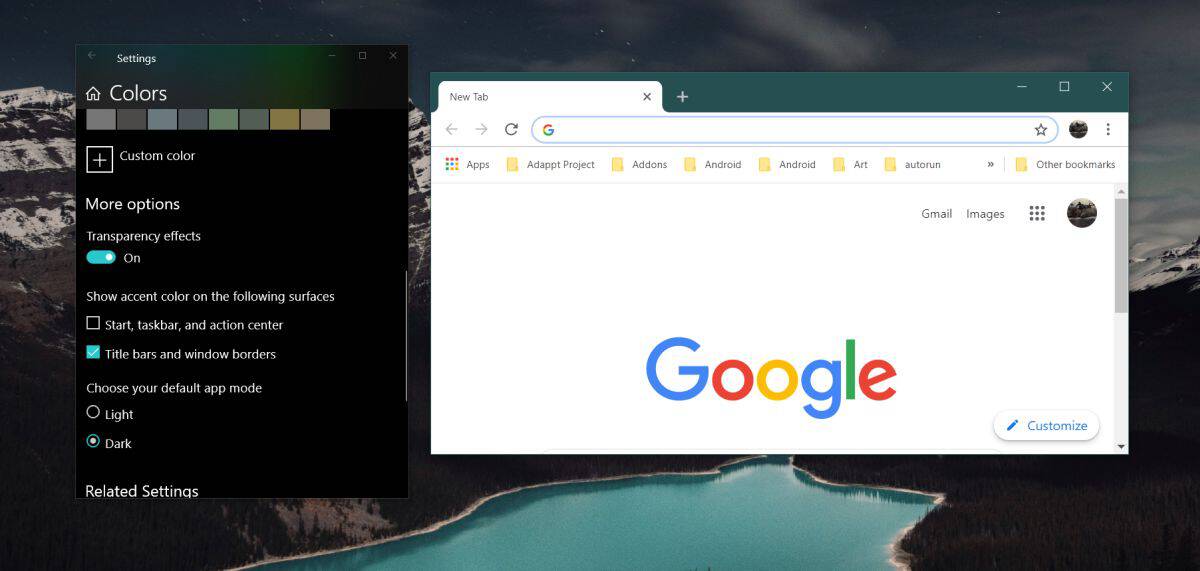
- Enable night mode or blue light filters on your smartphone, tablet, and computer. These settings shift the screen's color temperature to warmer tones, which significantly cuts blue light emission during evening hours.
- Take regular breaks from digital devices. Step away from your screen for a few minutes every hour to give your skin and eyes a rest from continuous blue light exposure.
- Consider applying a screen protector designed to filter blue light on your devices. These thin films block a portion of the emitted blue light without affecting screen visibility.
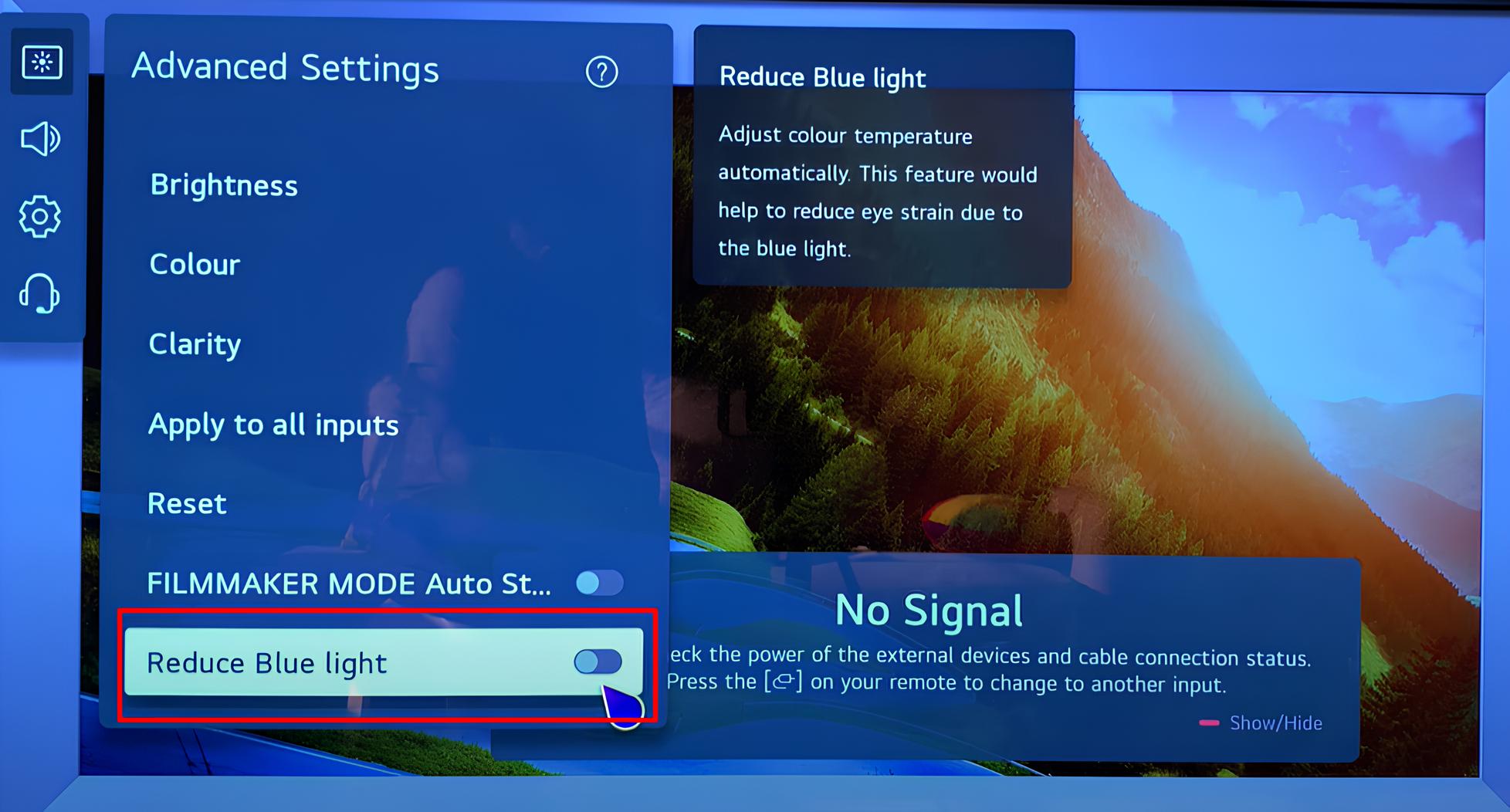
- Adjust your TV settings, most modern televisions include a built-in blue light reduction mode or a "comfort view" option. Look for blue light reduction settings in its settings menu, and activate it, especially for evening viewing.
- Limit screen time in the hour before bed. This not only reduces blue light exposure but also supports your circadian rhythm, which indirectly benefits skin repair processes that occur during sleep.
Regarding dedicated blue light skincare products, serums, moisturizers, and creams marketed specifically for this purpose, dermatologists remain divided. Some experts advise against spending money on them, arguing that daily device exposure is low compared to the sun and that long-term research is still limited. However, other dermatologists and studies point to cumulative exposure from screens and artificial lighting as a legitimate concern, recommending antioxidant-rich ingredients like vitamin C, vitamin E, and niacinamide to neutralize ROS before they cause oxidative damage. If you choose to use these products, treat them as a complement to, not a replacement for, tinted mineral sunscreen. The antioxidants they contain can bolster your skin's defenses, but they cannot physically block blue light the way iron oxides do. To minimize direct glare on your face in the first place, you can also read a tablet in the sun by adjusting your screen angle and brightness.
The most reliable approach combines consistent sunscreen use with mindful screen habits. Tinted mineral sunscreen gives you immediate, measurable protection against blue light's aging and pigmentation effects, while reducing your overall exposure through device settings and breaks minimizes the total burden on your skin. By making both a daily habit, you address the problem from two angles, prevention at the skin level and reduction at the source, giving you the strongest defense available against this pervasive environmental factor.