How Do You Download Videos To Your MP3 Player
To download videos to your MP3 player, you need a player with a screen that supports video playback, then convert the video files to a compatible format like MP4 or AVI and transfer them via USB. This process involves acquiring the video legally, using a converter tool such as HandBrake, and dragging the files into a dedicated "Videos" folder on your device.
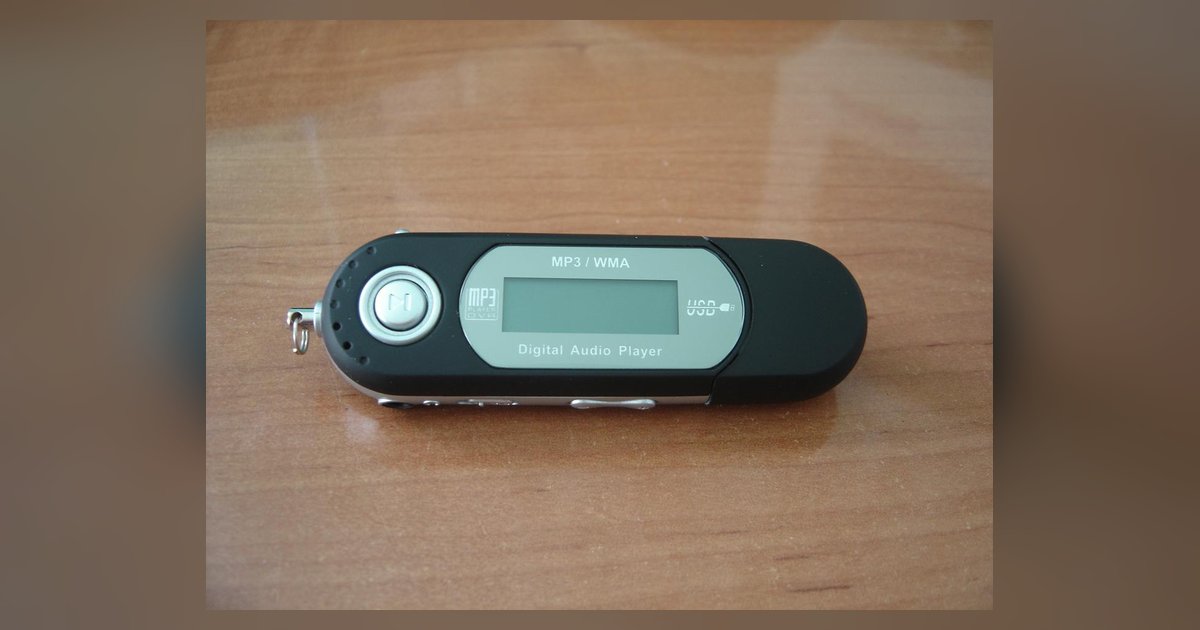
Does your MP3 player actually play video?
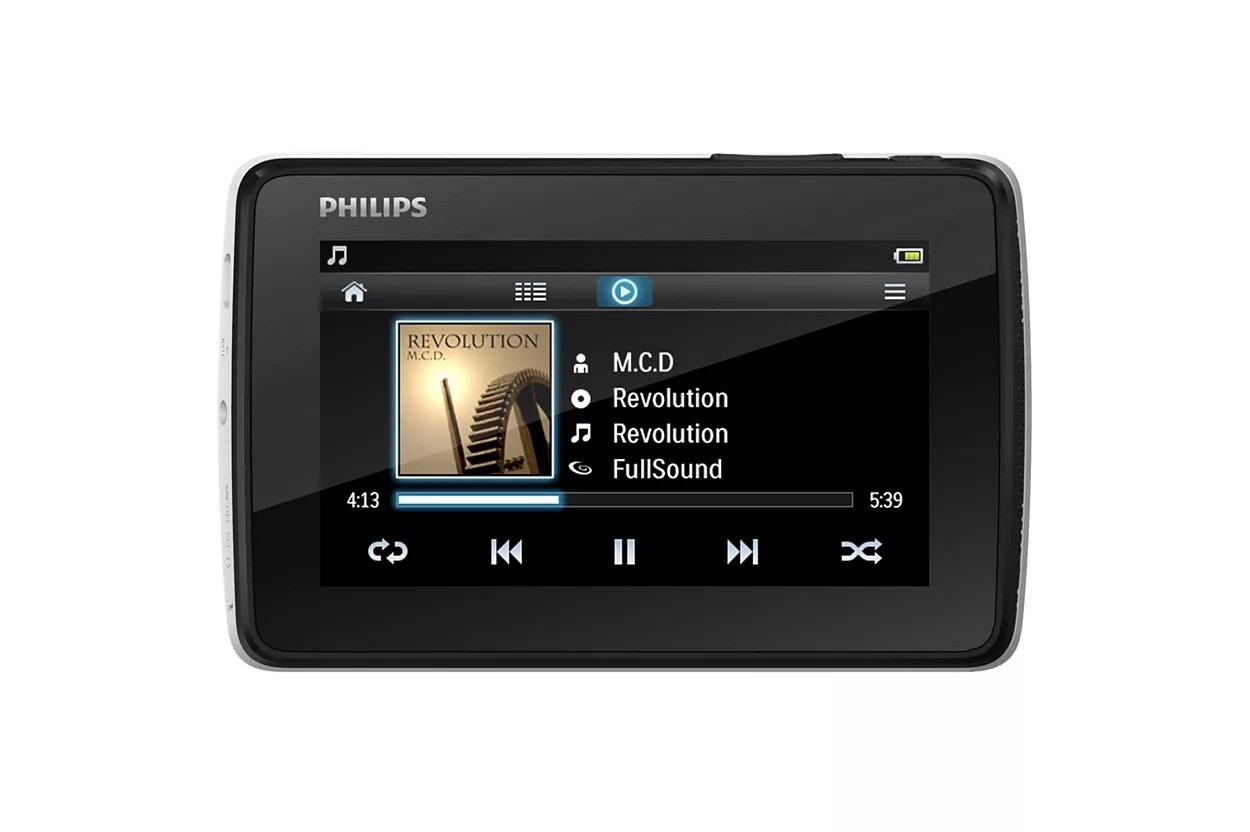
Before you start downloading videos, confirm that your MP3 player has a screen and video playback capability. Many modern MP3 players, especially those marketed as media players, support video files, but some budget or audio-focused models do not. If your device is audio-only, this guide won't apply; instead, you should look for instructions on how to download music to MP3 player libraries, which use a different format and transfer process. If you own a Sandisk player specifically, you can also download music on SanDisk MP3 player with steps tailored to its unique software. Check your device's packaging, user manual, or the manufacturer's website to verify video support before proceeding.
How to download videos to your MP3 player
Once you've confirmed your player supports video, follow these steps to get videos onto it:
Step 1: Acquire the video file legally
Only download videos that are free to distribute or that you have permission to use. This includes content from public domain sources, Creative Commons-licensed videos, or videos you've purchased or rented. Avoid pirated content, as it's illegal and may also contain malware or corrupted files that could harm your player.
Step 2: Convert the video to a compatible format
Most MP3 players accept MP4 or AVI files, but you may need to convert videos from other formats like MKV or FLV. Use a free, reliable converter like HandBrake (available for Windows, macOS, and Linux). If your player requires AVI, select that instead.
Step 3: Connect your MP3 player via USB
Use the USB cable that came with your player to connect it to your computer. Once connected, your computer should recognize the device as a removable storage drive. If it doesn't, try a different USB port or cable, or check the troubleshooting section below.
Step 4: Drag the file into a "Videos" folder
Open your file explorer, find your MP3 player's drive, and look for a folder named "Videos" or "Movies." If it doesn't exist, create a new folder and name it "Videos." Then, locate the converted video file on your computer, click and drag it into that folder. Alternatively, right-click the file, select "Copy," then right-click inside the "Videos" folder and select "Paste." After the transfer completes, safely eject your player before unplugging it.
Which video formats work on most MP3 players
MP4 files offer good quality with small file sizes, making them ideal for portable devices. AVI files are larger but widely supported, especially on older players. Check your player's manual or the manufacturer's website for a list of supported formats, as some devices also accept WMV or MKV. WMV is less common on non-Windows devices, and MKV often requires conversion because it's a container format that many players can't read natively. If you're unsure, stick with MP4, it's the most universally compatible option.
Setting up the video file for smooth playback
To avoid playback issues, configure the video file correctly before transferring. Most older MP3 players have small screens and limited processing power, so keep the resolution under 720p (1280x720 pixels). For very old devices, 480p (854x480) is even safer. Higher bitrates can cause stuttering on devices with slower processors. Finally, name your files clearly, like "movie_title.mp4" or "music_video_artist.mp4," and keep them in a single folder to stay organized.
Troubleshooting common transfer and playback problems
If you run into issues during or after transferring videos, here are solutions to the most frequent problems:
Device not recognized
If your computer doesn't detect your MP3 player, try a different USB port (preferably USB 2.0 or 3.0 directly on your computer, not a hub). Swap the USB cable for another one, as cables can fail. If the device still isn't recognized, restart your computer and try again.
File won't play
If the video doesn't play, the format is likely incompatible. Double-check the supported formats in your player's manual and convert the video again using MP4 or AVI. Also, ensure the file isn't corrupted, try transferring it again by deleting it from the player and re-copying it from your computer.
Stuttering or freezing video
Stuttering usually means the video's resolution or bitrate is too high for your player. Re-convert the video with a lower resolution (480p or 720p) and a bitrate under 2000 kbps. If the problem persists, the file may be corrupted; re-download it from a reliable source and convert it again.
Out-of-sync audio
Audio that's out of sync with the video is often caused by an incorrect frame rate. If the issue continues, try converting the video to AVI format, which some players handle more consistently.
Storage space errors
If you see a "Not enough space" message, delete unnecessary files from your player or move them to your computer to free up room. If you consistently run out of space, consider using a player with expandable microSD storage.
By following these steps and troubleshooting tips, you can successfully download and play videos on your MP3 player. Always use legal sources, keep your files organized, and safely eject your device to prevent data corruption. With the right setup, your player becomes a portable entertainment hub for movies, TV shows, and music videos.
For the wider topic, see download music MP3.