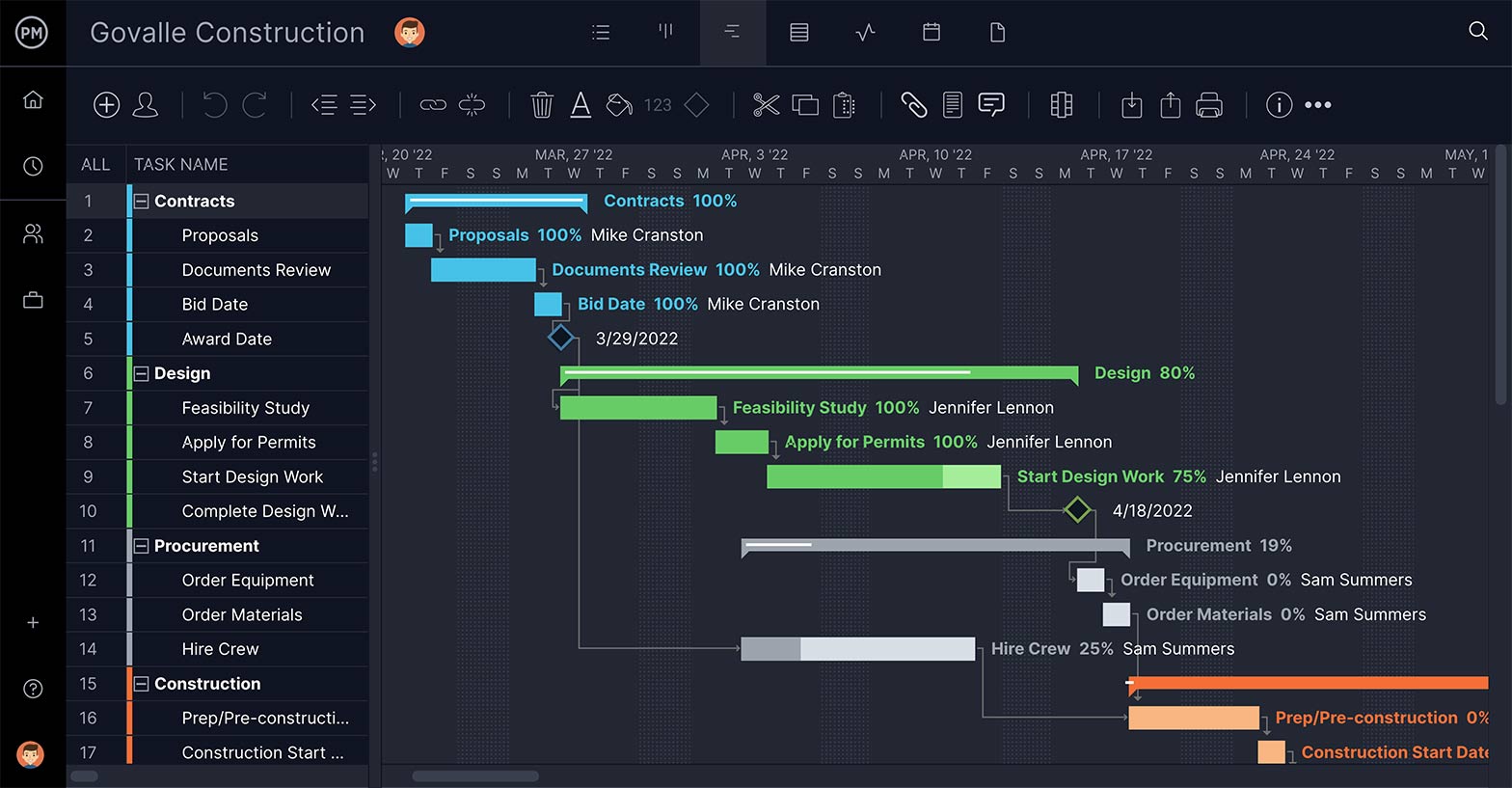
You cannot download Microsoft Project on Mac as a native desktop application, because no macOS version of Microsoft Project exists. The traditional desktop version of Microsoft Project was designed and optimized specifically for the Windows operating system, so running it on a Mac requires one of several workarounds: using the official web-based version, installing Windows on your Mac, or switching to a Mac-native alternative that opens the same file format.
Can you download Microsoft project on mac?
The blunt truth is that Microsoft Project Standard and Microsoft Project Professional are Windows-only applications. Microsoft has never released a macOS desktop build, and there is no installation file you can download directly for your Mac. If you search for "Microsoft Project for Mac," you will find misleading guides promising a simple download, but those are either outdated or describe a web app. The desktop version simply will not run on macOS without a Windows environment, so your realistic options are the ones outlined below.
Option 1: Use Project for the web in your browser
Microsoft offers a web-based version called Project for the web (also known as Project Online), which you can access through any browser on your Mac. This is the only official Microsoft Project product that runs natively on macOS, and it requires a Microsoft 365 subscription that includes Project. You get core project management capabilities like task lists, timelines, and basic collaboration, and you can access your projects from any device with an internet connection. However, the web-based version has fewer features compared to the desktop version, so if you rely on advanced scheduling engines, custom fields, or complex resource leveling, you will hit its limits quickly. It is best for lightweight planning and team collaboration rather than heavy-duty project control.
Option 2: Install Windows on your Mac to run the full desktop app
If you need the complete Microsoft Project desktop experience, you must install Windows on your Mac first. There are two main ways to do this, and each has its own trade-offs.
Virtualization with Parallels Desktop or VMware Fusion
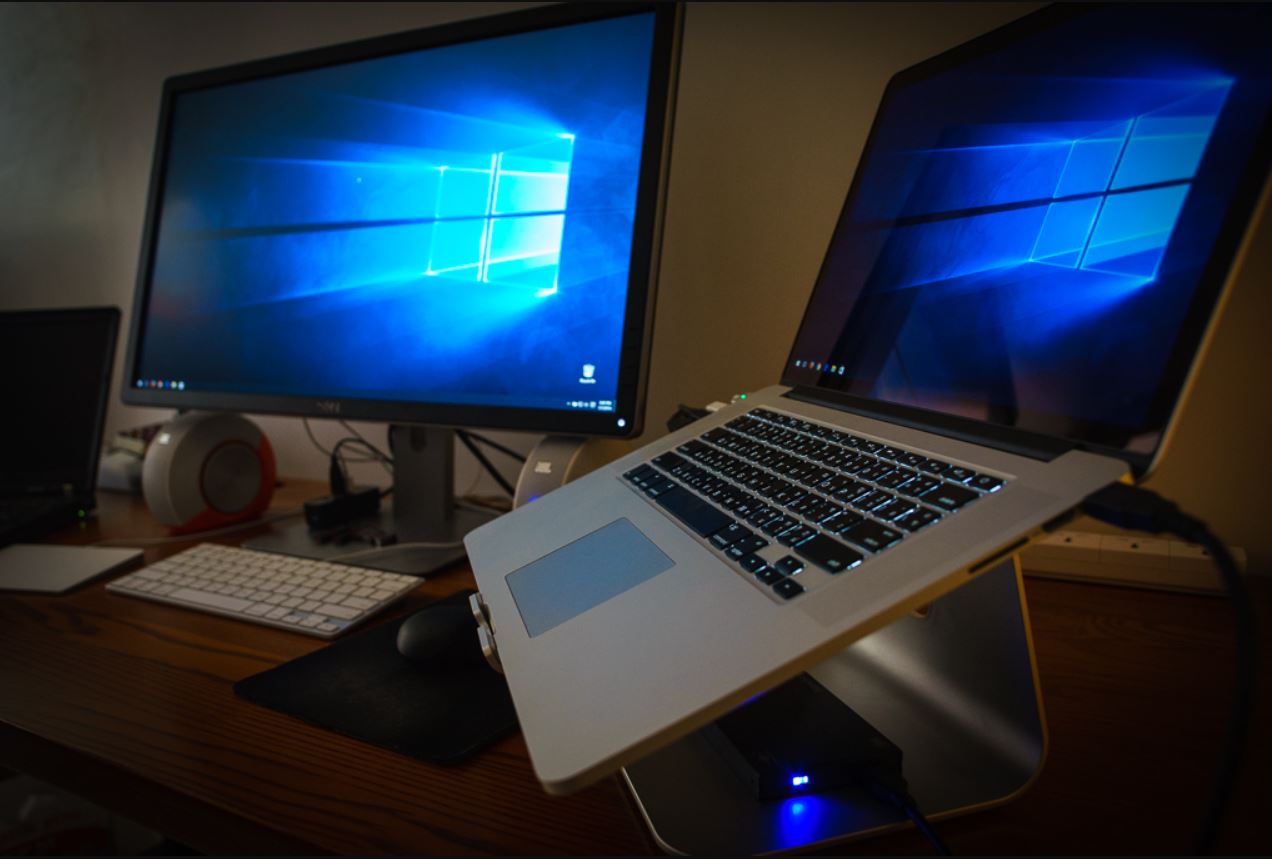
Virtualization software like Parallels Desktop or VMware Fusion lets you run Windows in a window alongside macOS. You install the virtualization app, then create a virtual machine, install a valid Windows license inside it, and finally install Microsoft Project within that Windows environment. This is the most convenient method because you can switch between macOS and Windows without restarting your Mac. You can also copy and paste between the two systems and share files easily. However, a virtual machine requires significant system resources, CPU, RAM, and storage, on your Mac, which can slow down performance, especially if you are running large projects or other demanding apps simultaneously. For most users, this is the most practical way to get the full desktop version of Microsoft Project on a Mac.
Boot Camp for Intel Macs only
Apple's Boot Camp utility allows you to install Windows directly on your Mac's hard drive, creating a dual-boot setup. When you start your Mac, you choose whether to boot into macOS or Windows. This gives you full native performance because Windows runs directly on the hardware, not through a virtual machine. After installing Windows via Boot Camp, you can then install the Windows version of Microsoft Project just as you would on a PC. The critical warning is that Boot Camp is not compatible with Macs using Apple Silicon (M1, M2, M3 chips), so this method is only available for older Intel-based Macs. If you have an Apple Silicon Mac, your only Windows options are virtualization or cloud-based Windows services.
Option 3: Try a Mac-native alternative that opens .mpp files
If you do not want to deal with Windows at all, several third-party applications are built specifically for macOS and can open, edit, and save Microsoft Project files in the native .mpp format. Project Plan 365 is one of the most popular options, and it aims to provide a similar interface and functionality to Microsoft Project on Mac, supporting views like Gantt Chart, Task Sheet, and Network Diagram. Merlin Project is another strong Mac-native alternative that supports Gantt charts, task dependencies, milestones, budgets, and .MPP file import. These apps do not require a Windows installation or a Microsoft subscription, and they feel at home on macOS. The trade-off is that they are not Microsoft products, so you may encounter slight differences in behavior, and some advanced Microsoft Project features, like custom enterprise fields or server-based collaboration, may not be fully supported. However, for most project managers who just need to work with .mpp files, these alternatives are a clean and cost-effective solution.
Which option is right for you?
Your choice comes down to cost, feature completeness, and the type of Mac you own. If you have an Intel Mac and need the absolute full desktop version of Microsoft Project with every feature, Boot Camp gives you the best performance, but you will need a Windows license and must reboot to switch operating systems. If you only need basic project planning and collaboration, Project for the web is the cheapest official option because it requires just a Microsoft 365 subscription and no extra software, though you must accept its feature limitations. Finally, if you want a native macOS experience and do not require every Microsoft Project feature, a Mac-native alternative like Project Plan 365 or Merlin Project will open your .mpp files, feel seamless on your Mac, and avoid the complexity of Windows entirely. Evaluate your budget, your hardware, and the complexity of your projects, and you will find the path that fits.
\nRelated reading: How To Install Windows Bootcamp On External Hard Drive, How To Download Roblox, and How To Download Summertime Saga.







![How to Connect and Use WhatsApp Web [Mac & Windows]](https://robots.net/wp-content/uploads/2020/09/WhatsApp-for-web.jpg)