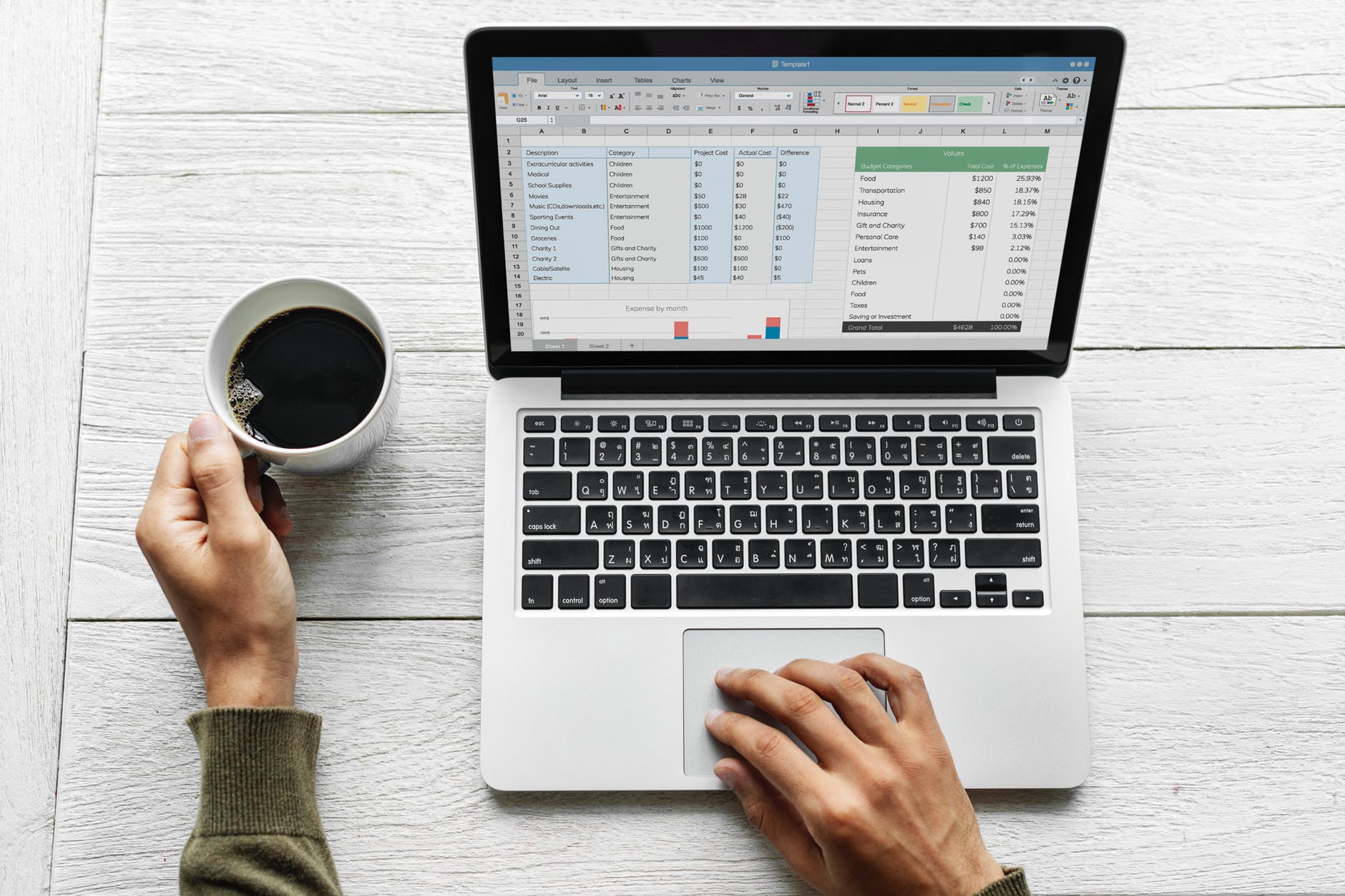
To download Google Sheets to your desktop, the most direct method is to save a static copy of your spreadsheet in a compatible file format like Excel, PDF, or CSV. This creates a separate file on your computer that does not sync with the online version, making it ideal for sharing, printing, or editing in another application. If you need to preserve collaborative feedback in a similar way, you can also download Google docs with comments as PDF. If you also need to download SolidWorks for free, the same save-first mindset applies to grabbing installation files.
How to download Google Sheets to your desktop: An introduction
When you search for how to "download Google Sheets to desktop," you typically want a local copy of your spreadsheet for offline use. This usually means saving a static copy to your computer's Downloads folder. This article covers three distinct methods to achieve this: a direct download as a specific file type, setting up offline editing in your browser, and using the Drive for Desktop application for automatic syncing.
Method 1: Download a copy as Excel, PDF, or CSV
This is the quickest way to get a standalone copy of your spreadsheet onto your computer. The file you download is a snapshot of the current data and will not update automatically.
- Open the Google Sheet you want to download.
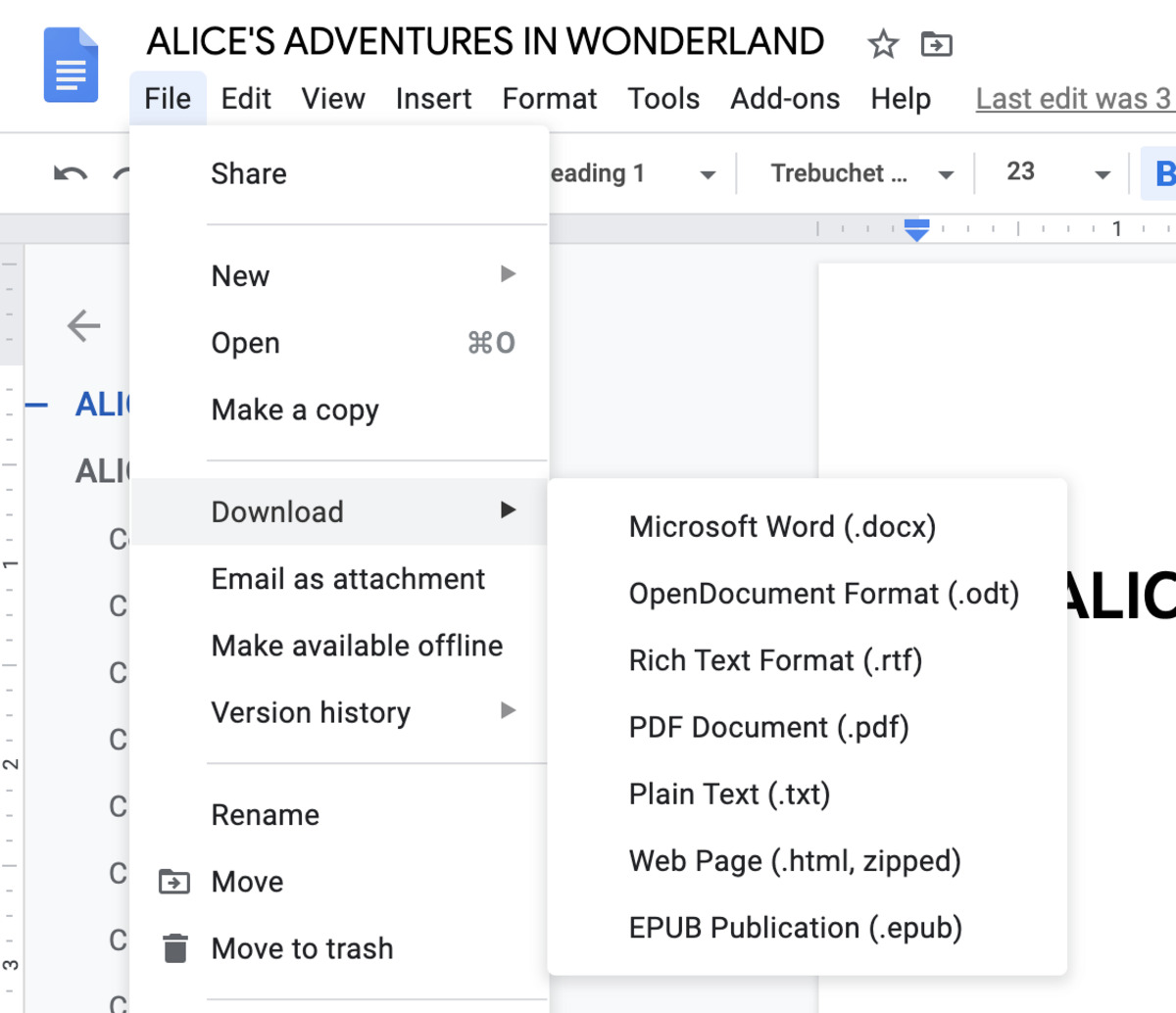
- Click File in the menu bar.
- Hover over Download.
- Select your desired file format from the submenu.
Choose the format that fits your needs:
- Microsoft Excel (.xlsx): Best for continued editing in Excel, as it preserves formulas and formatting most accurately.
- PDF Document (.pdf): Ideal for a static, printable copy where layout and appearance are important.
- Comma-separated values (.csv): Perfect for data exchange between different applications, stripping away formatting and formulas to keep only the raw data.
The file will save to your browser's default Downloads folder as a separate, non-syncing copy. If you want to save it directly to your desktop, you can move it there from the Downloads folder after the download completes.
Method 2: Set up offline editing in your browser
If you need to edit your Google Sheets regularly without an internet connection, this method is more efficient than repeatedly downloading new copies. It allows you to work on your files directly in a browser, with changes syncing automatically when you go back online.
- Open Google Chrome or Microsoft Edge.
- Go to drive.google.com/drive/settings.
- Sign in to your Google account if prompted.
- Check the box next to Create, open, and edit your recent Google Docs, Sheets, and Slides files on this device while offline.
- If prompted, install the Google Docs Offline extension (though core functionality is now native in Chrome).
- In your Google Drive, right-click the specific file you want to edit offline and select Make available offline.
- Download and install the Google Drive for Desktop application from the Google Drive website.
- Open the application and sign in with your Google account.
- Configure the sync settings. You can choose to Make all files available offline or right-click specific files or folders to make them available offline.
- Work or school account restrictions: Administrators may disable downloading files or enabling offline access. Contact your IT department for permission.
- Insufficient storage space: Ensure your local device has enough free space for any files you download or make available offline.
- Download option is greyed out: This typically indicates a restriction on your account or that the file is not editable. Check your permissions or try a different browser.
Once enabled, you can open and edit these files in your browser even without an internet connection. This method fulfills the need for ongoing offline work without manual re-downloads. The same offline settings apply to download Google doc files as well.
Method 3: Sync files with Google Drive for Desktop
For seamless access to your Google Sheets files directly from your computer's file system, use the Drive for Desktop application. This syncs your files to File Explorer (Windows) or Finder (Mac), making them behave like local files.
Drive for Desktop requires Windows 10 (64-bit) or higher (with Microsoft WebView2) or macOS Ventura 13.0 or higher. It does not support Linux or 32-bit Windows. Once configured, your Sheets files will appear in a dedicated Google Drive folder on your computer, and any changes you make online will sync automatically.
Troubleshooting common download issues
If you encounter problems when trying to download or work with your files offline, check these common causes: