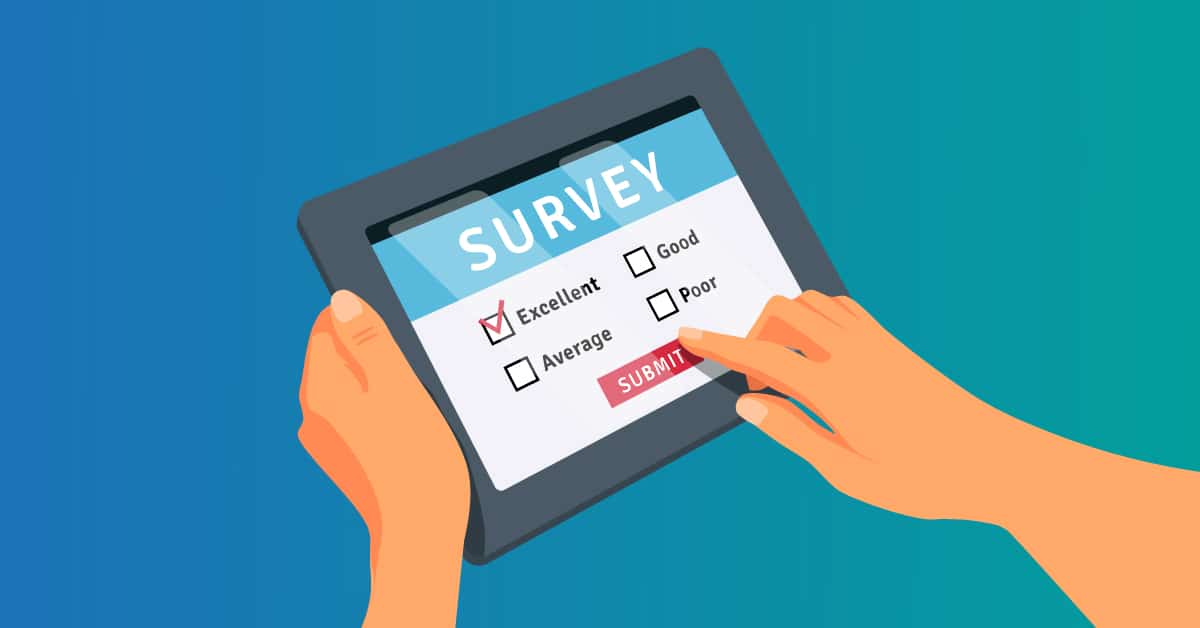
Why “Bypassing” a Survey Is a Trap, Not a Shortcut
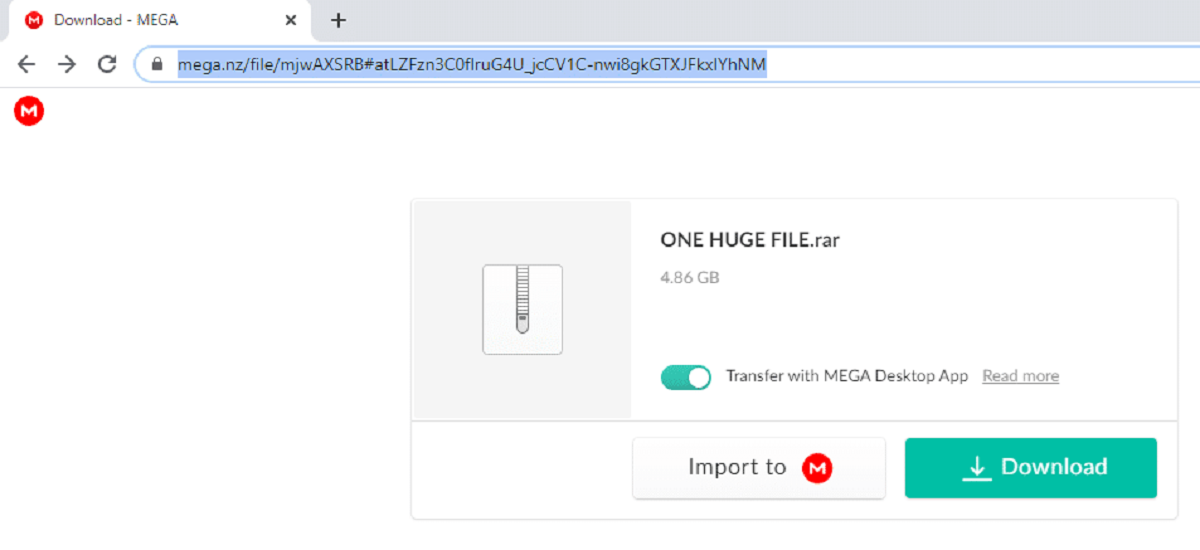
The only safe file download practices involve getting files from sources you can verify, and “bypassing” a survey to grab a file is never one of them. When a website demands you complete a survey before a download, that survey is almost always a scam designed to monetize your personal data, push malware, or trick you into paying for something free. There is no legitimate reason for a reputable file host to require a survey, real download services use direct links, subscription paywalls, or ad-supported pages. If you see a survey wall, the file is either pirated, infected, or both. Attempting to “bypass” it, by editing URLs, using browser extensions, or following hidden instructions, does not make the file legal or safe. In fact, it increases your risk of downloading malicious code, because the very people who set up the survey are the ones controlling the download link.
This kind of activity is illegal in most jurisdictions when the file is copyrighted material (movies, music, software, games, ebooks) obtained without payment or permission. It also violates the terms of service of virtually every browser, operating system, and internet service provider. Even if you personally own a copy of the content, downloading a cracked or “free” version from a survey-gated site is still copyright infringement in many countries, because you are reproducing and distributing a copy without authorization. The legal exposure is real: copyright holders have sued individuals for downloading and sharing pirated files, and some have faced fines in the thousands of dollars. Beyond legal trouble, you risk account bans on forums, cloud services, and even your own ISP account if they detect suspicious download activity.
The technical risks are worse. Files from survey-gated sites are frequently bundled with trojans, ransomware, keyloggers, or cryptocurrency miners. Malware can infect your machine by opening a malicious file attachment or downloading and opening a file from an unsafe website. Once infected, a criminal can steal your passwords, lock your files, or use your computer to attack others. The FBI explicitly recommends not paying ransom if you are infected with ransomware, because paying does not guarantee your files will be restored and encourages more crime. In short, the “shortcut” of bypassing a survey leads directly to malware, legal liability, and financial loss.
How to Spot a Malicious Survey or Download Scam
Before you ever click a download button, learn to recognize the warning signs. Legitimate download sites never ask you to complete a survey, enter your phone number, or “verify” your age by clicking on ads. If a page says “Complete this survey to unlock your file,” treat it as a red flag. Surveys that demand your email address, date of birth, or home address are harvesting data for identity theft. Surveys that ask you to install a “download manager” or “accelerator” are almost always installing adware or spyware. Look carefully at any messages that demand urgent action, scammers create false urgency to make you skip your normal caution. If a message says “Your download will expire in 5 minutes” or “You must verify now,” that is a classic pressure tactic.
Pay particular attention to the email address of the sender if you received a link to such a site. If it is not the legitimate domain of the company it claims to be from, it is a warning sign. Professional companies and organizations usually have good spelling and grammar; a survey riddled with typos is a scam. Be cautious of messages from first-time or infrequent senders, or those marked [External]. If you get a link from a trusted organization, open a new tab and go directly to their website from a saved favorite, web search, or by typing the domain name. Never open any unexpected links or attachments, even if they appear to come from someone you trust, contact that person via another means like text message or phone call to confirm it is genuine before opening it.
Built-in Browser Protections That Keep You Safe
Your browser already has tools to block most of these scams, if you enable them. Google Chrome’s Safe Browsing (with Enhanced Protection recommended) warns you about dangerous sites and scans downloads for malware. Microsoft Defender SmartScreen does the same for Edge and Windows, blocking known phishing websites and malicious downloads. In Firefox, ensure your “Deceptive Content and Dangerous Software Protection” is enabled, it is found under Privacy & Security settings. This setting blocks dangerous downloads and content before they reach your hard drive. For Microsoft Edge, use SmartScreen to help block known phishing websites. These features are free, automatic, and far more effective than any “bypass” trick.
Another critical protection is checking the URL. Avoid downloading files from non-HTTPS (insecure) connections, especially when initiated from a secure (HTTPS) page. Modern browsers will warn or block these “mixed content downloads” because an attacker on the network can intercept and modify the file. If your browser shows a warning that a download is unsafe or not commonly downloaded, stop. Do not click through the warning unless you are absolutely certain the source is legitimate. For browser updates, never click on pop-ups that say “Your browser is out of date.” Instead, look for a Help > About page in major browsers to check for legitimate updates. Real error messages from Microsoft or other big tech companies never include phone numbers for you to call them.
What to Do If You Encounter a Survey Scam
If you land on a survey-gated download page, do not click any links or buttons. Close the tab immediately. If you clicked on a link in an email that led you there, do not click any other links in that email. If the suspicious message appears to come from a person you know, contact that person via text message or phone call to confirm it. If you receive a suspicious message from an organization and worry it could be legitimate, go to your web browser and open a new tab, then go to the organization’s website from a saved favorite or web search. Do not use the link in the message.
Report the scam. If you are using Microsoft Edge, select Settings and More (...) > Help and feedback > Report unsafe site. If you are using Outlook, report phishing messages using options near the sender’s email address or username, or the “report spam” button. If using an email client other than Outlook, include the phishing message as an attachment in a new email to phish@office365.microsoft.com. You can also report attempted scams at Microsoft.com/reportascam. If you suspect you’ve been deceived by a tech support scam, call a trusted advisor or family member, do not call any number on the screen. If you get an unsolicited tech support call, hang up. Microsoft and other legitimate tech companies will never cold call you to tell you there’s a problem with your device, and tech support agents will never need to ask for your social security number or other unrelated personal information.
Legitimate Alternatives for Getting Digital Content
Instead of risking your security and legal standing, use legal platforms that do not require surveys. For software, download updates directly from the official vendor’s website or through the application’s built-in update mechanism. For games, use official stores like Steam, Epic Games Store, GOG, or the console’s own storefront, they regularly have sales, free-to-play titles, and demos. For music, use streaming services like Spotify, Apple Music, or Amazon Music, which offer free tiers with ads or paid subscriptions. For movies and TV shows, use Netflix, Hulu, Disney+, or other subscription services, or rent from Amazon Prime Video, Apple TV, or YouTube. Many libraries offer free digital lending of ebooks, audiobooks, and even movies through services like Libby, Hoopla, or Kanopy, all you need is a library card. For homebrew or open-source software, sites like GitHub, SourceForge, or official project websites offer free downloads with no strings attached.
If you already own a physical copy of a game or movie, you can often legally create a personal backup for your own use, but that does not give you the right to download a copy from a random website. The only safe file download practices are those that respect copyright and your own security. Use official sources, keep your browser protections on, and treat any survey-gated download as a scam. Your time, money, and identity are worth more than a free file.
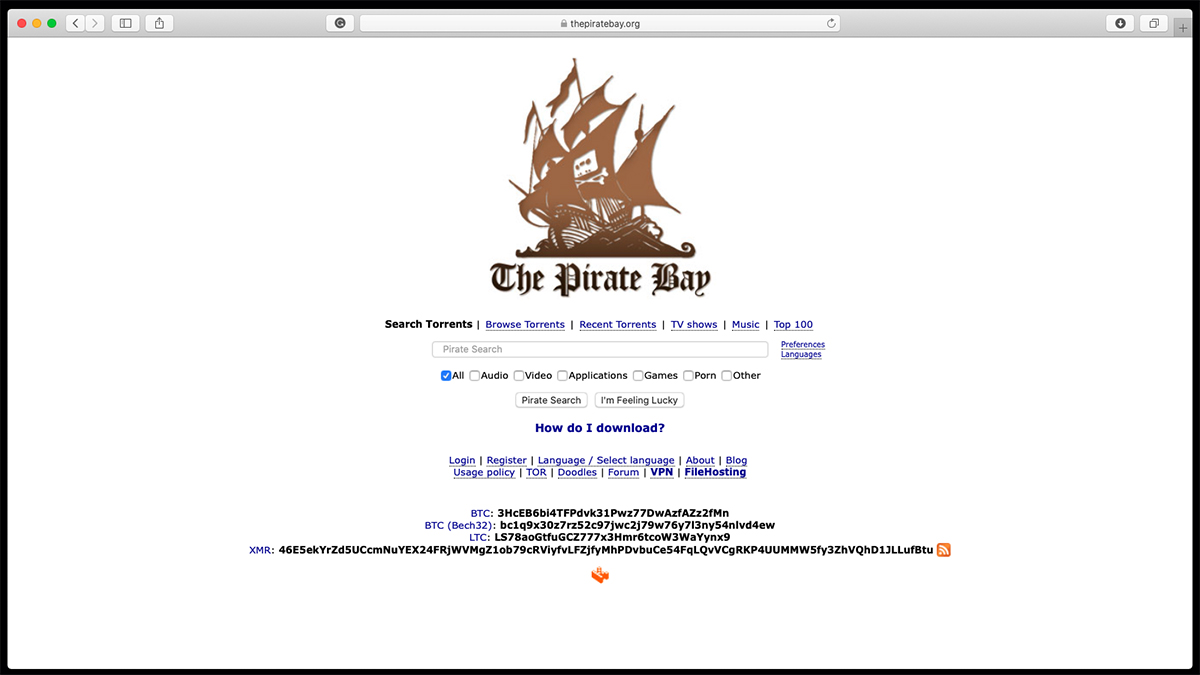
\nRelated reading: How To Download From Pirate Bay and How To Tell If A Pirate Bay Torrent Comment Section Is Fake.