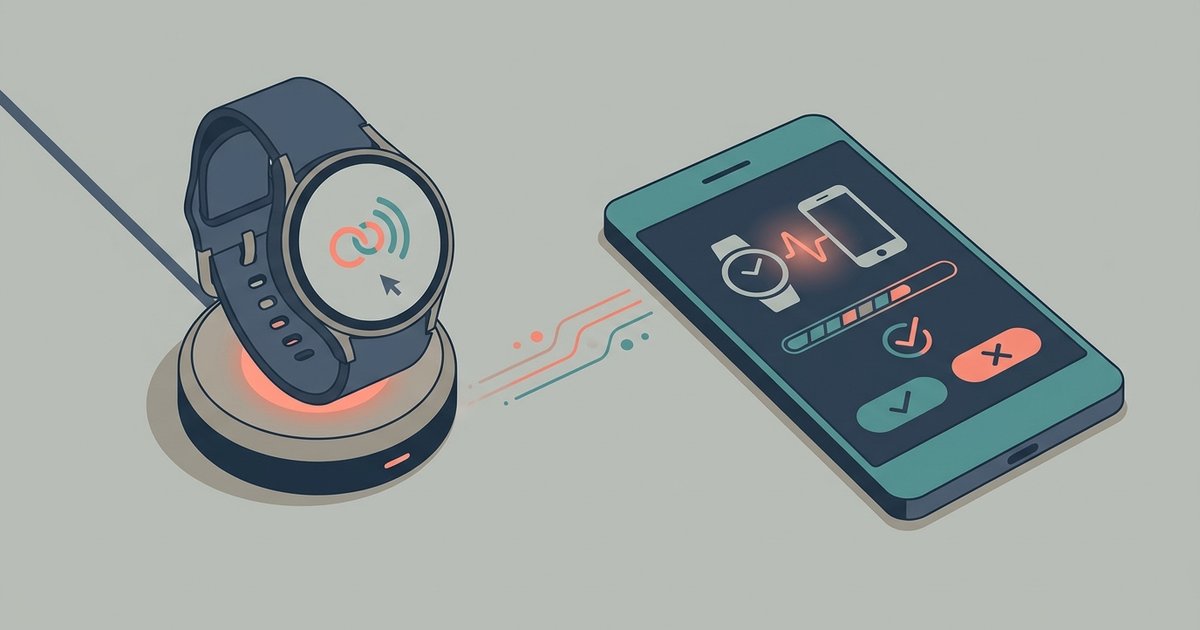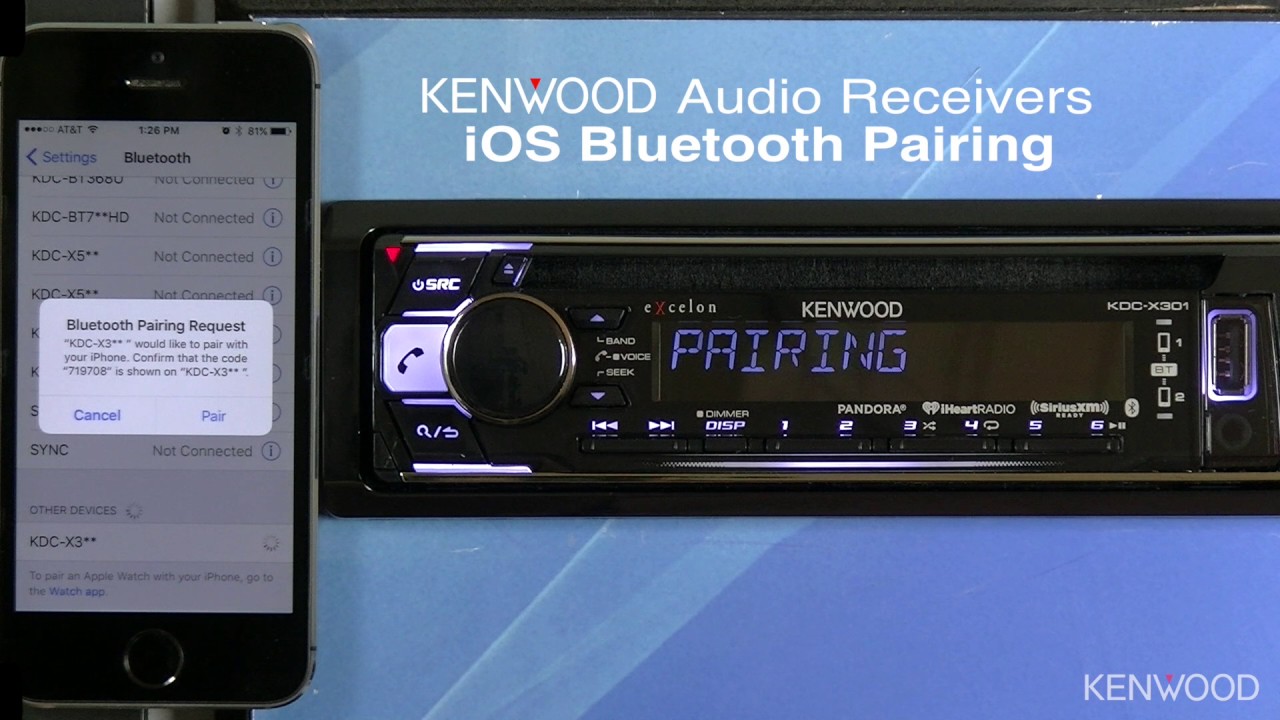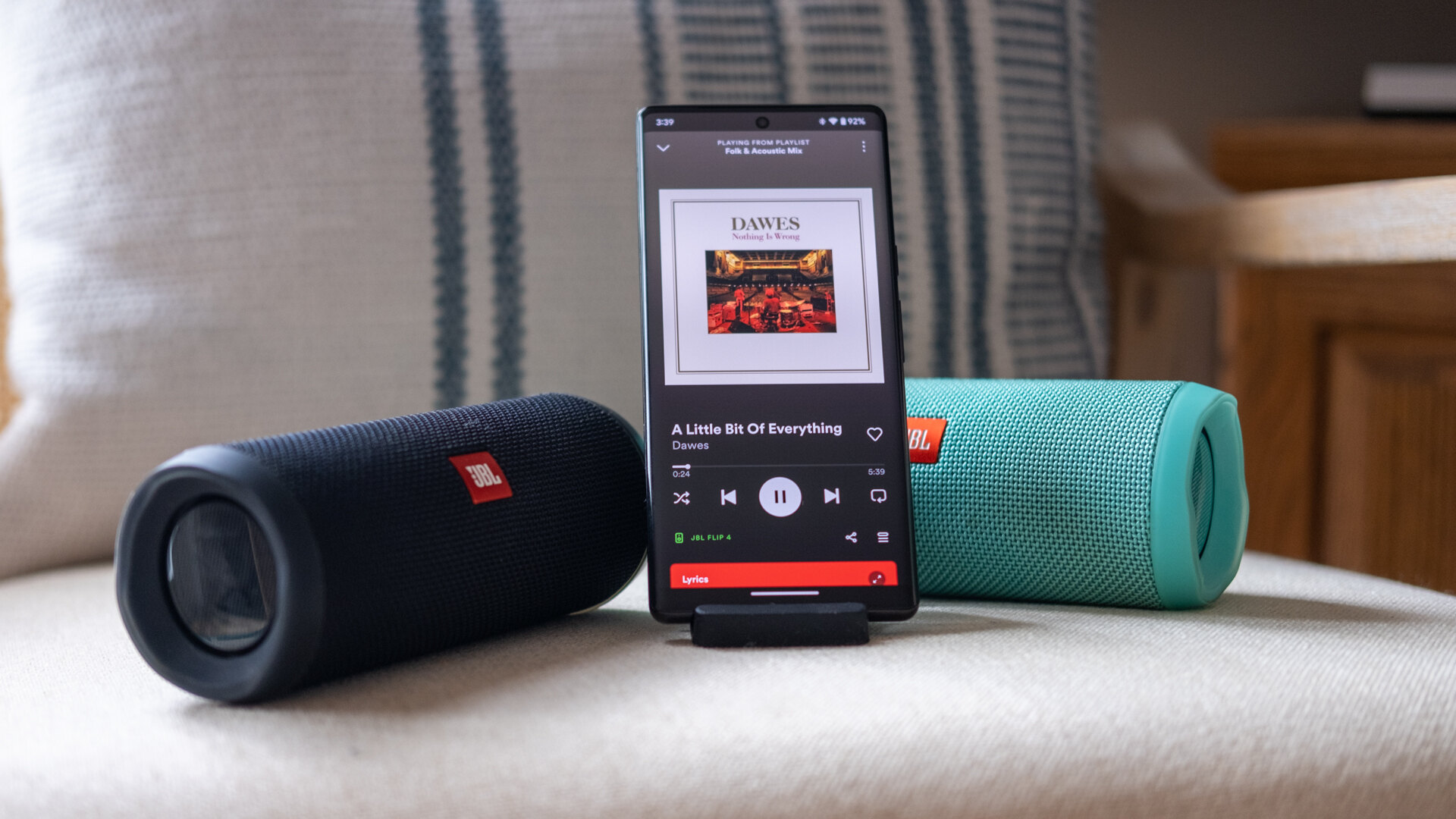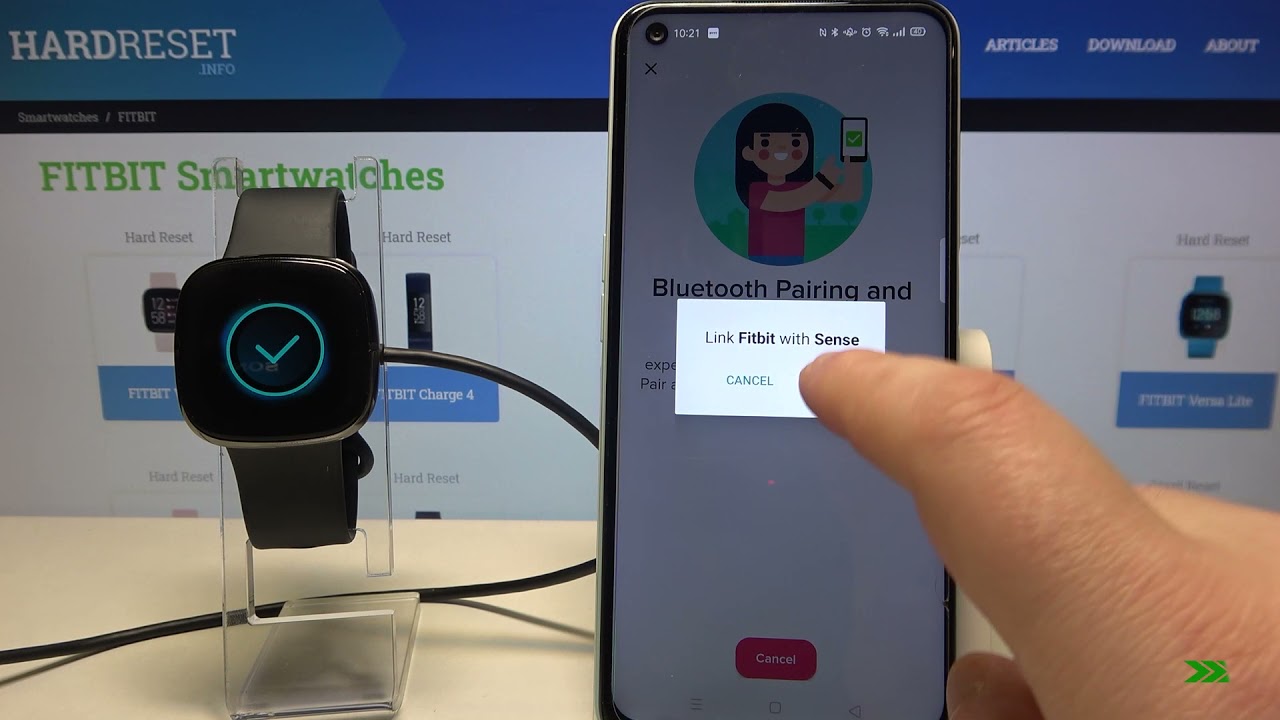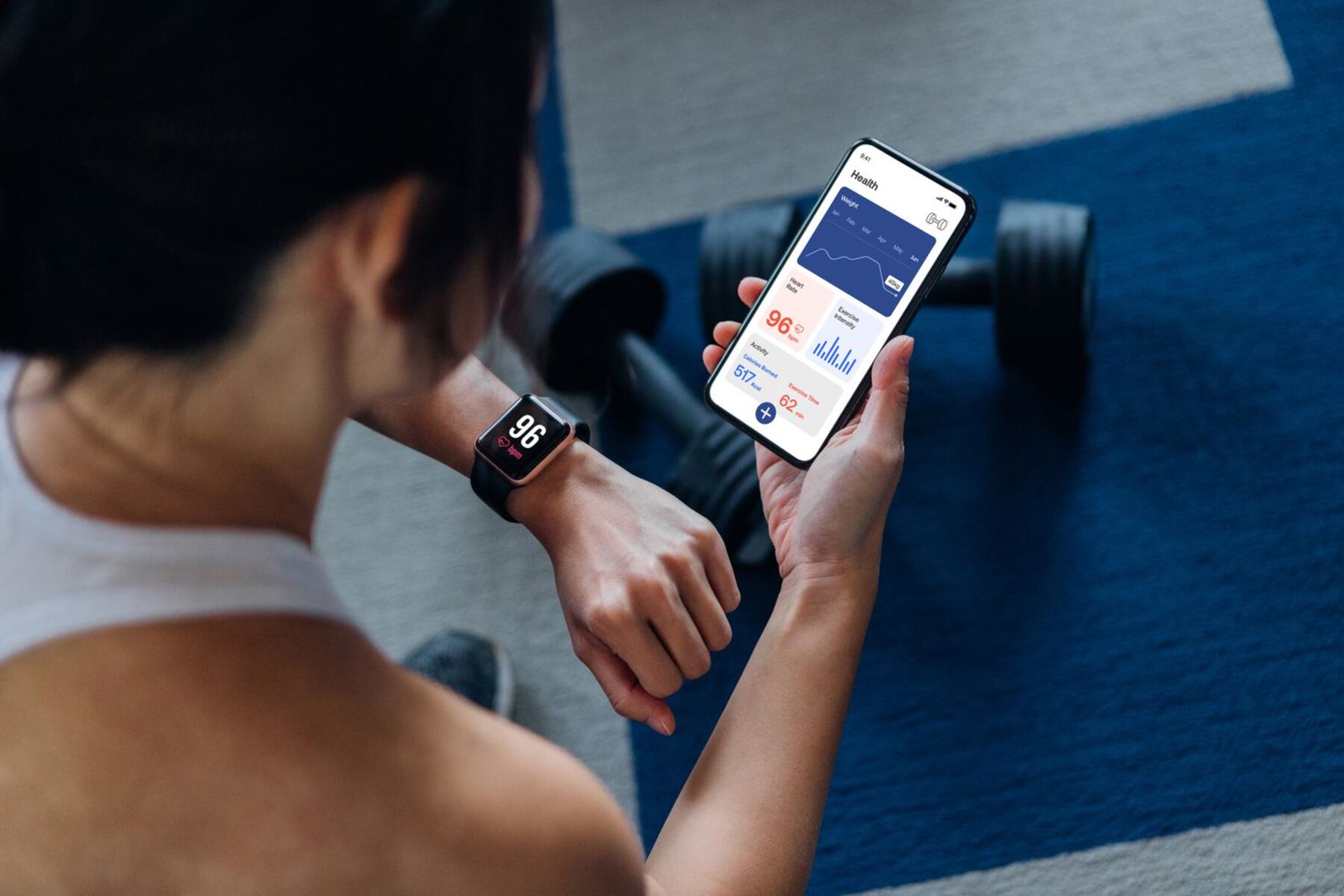
The typical smartwatch range from phone via Bluetooth is approximately 30 feet (10 meters) in open, unobstructed spaces, but the actual smartwatch range from phone can vary significantly between 15 and 75 feet depending on environmental factors like walls, interference, and signal strength. This means that while you can generally leave your phone on the kitchen counter and walk through the living room, the connection may drop sooner if there are thick walls or other wireless devices between you and your phone. If you're setting up a new device, a proper spade and co smartwatch setup ensures the initial Bluetooth pairing is optimized for the most stable connection.
What is the typical smartwatch range from phone via Bluetooth?
Bluetooth is the primary connection method for most smartwatches, and its standard range is about 30 feet (10 meters) when there are no obstacles. In real-world conditions, that range can shrink to around 15 feet indoors due to walls and furniture, or extend to 75 feet in an open outdoor area with minimal interference. The specific Bluetooth version in your watch plays a role, but environmental factors are the biggest influence on whether you can walk to the mailbox or just to the next room before losing the connection.
How Wi-Fi extends your smartwatch's connectivity
When your smartwatch loses Bluetooth range, many models can automatically connect to a familiar Wi-Fi network to maintain features like app downloads, weather updates, and notification delivery. For example, an Apple Watch can connect to 802.11b/g/n 2.4 GHz or 5 GHz Wi-Fi networks that your paired iPhone has previously connected to while Bluetooth was active. However, it cannot connect to public Wi-Fi networks that require logins, subscriptions, or profiles (known as captive networks). Samsung Galaxy Watches can sync Wi-Fi profiles from your phone, and if you set Wi-Fi to "Auto," the watch will automatically enable Wi-Fi when the Bluetooth connection to the phone is lost. This Wi-Fi fallback keeps your watch useful even when you've left your phone in another room or on another floor.
How cellular smartwatches achieve unlimited range
LTE (cellular) smartwatch models can operate independently of a phone, allowing you to make calls, send texts, stream music, and use apps directly on your wrist with an active cellular plan and eSIM. This gives you unlimited range as long as you are within cellular network coverage. The catch is that initial setup of an LTE smartwatch almost always requires pairing with a compatible smartphone, which is essential for the initial smartwatch setup and pairing; a proper smartwatch setup also ensures your notifications and health data sync reliably once you go phone-free. Once set up, you can leave your phone at home and still stay connected.
What smartwatch features work without your phone nearby
Even when your smartwatch is out of Bluetooth range and not connected to Wi-Fi or cellular, several key features remain functional. Many smartwatches feature built-in GPS, enabling them to accurately track runs, distance, pace, and routes without a phone nearby. Smartwatches can store music for offline listening, allowing you to stream audio via Bluetooth headphones without needing a phone or network connection. Offline workout and fitness tracking, including steps, heart rate, and calories, are possible using the watch's internal sensors and storage, with data syncing later when reconnected to a phone or Wi-Fi. Emergency SOS and fall detection features can function on LTE smartwatch models even when the paired phone is not nearby, providing critical safety capabilities when you are out of range.
Factors that affect your smartwatch's connection range
Several environmental factors directly impact how far your smartwatch can stay connected. Physical obstacles like walls, furniture, and large metal objects reduce Bluetooth range by blocking or weakening the signal. Interference from other wireless devices, such as routers, microwaves, and other Bluetooth gadgets, can also shorten the effective range. The physical placement of your paired phone matters: keeping it in a central, elevated location with fewer obstructions helps maintain a stable connection. While newer Bluetooth versions offer theoretical improvements, real-world range is always determined by the environment around you.