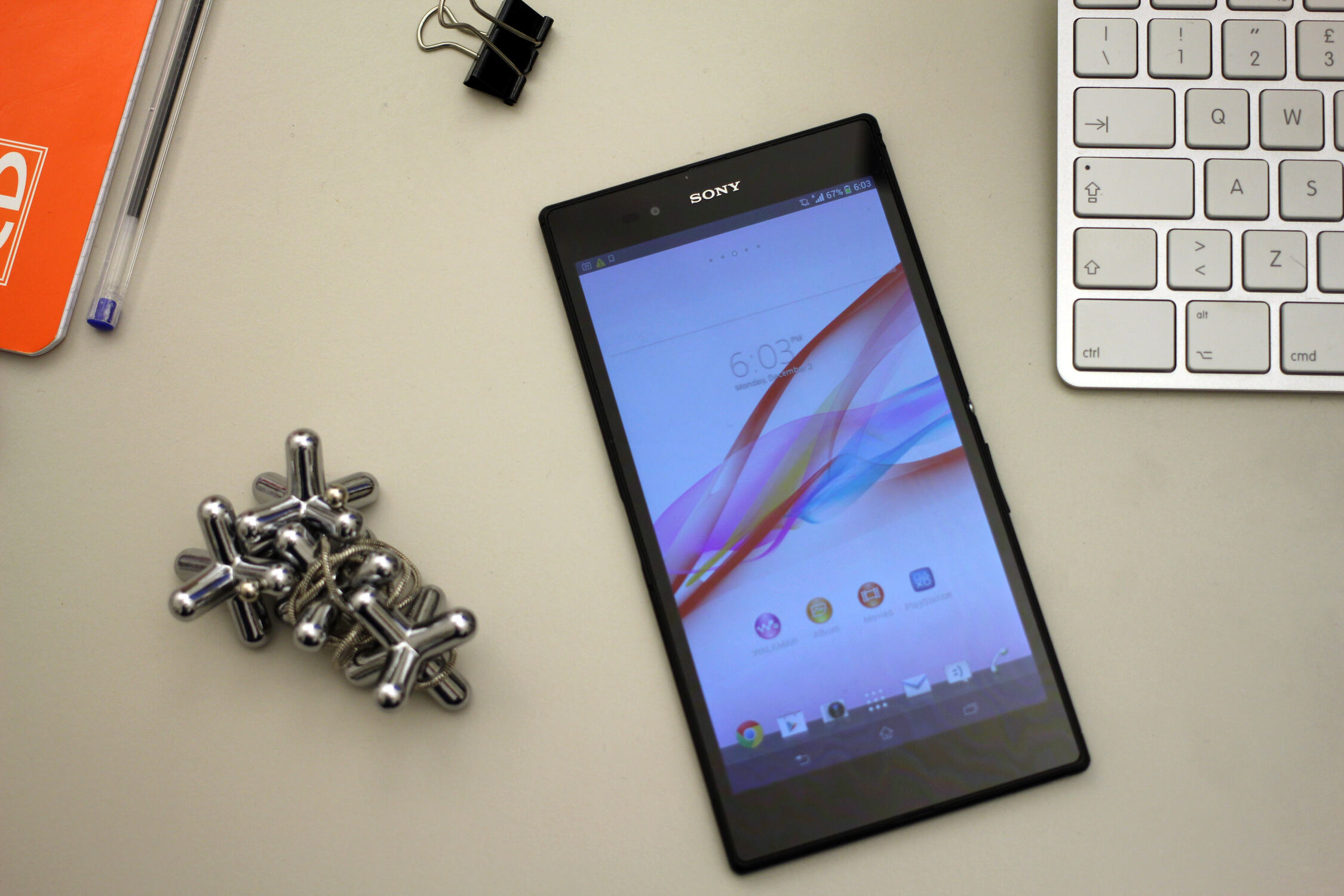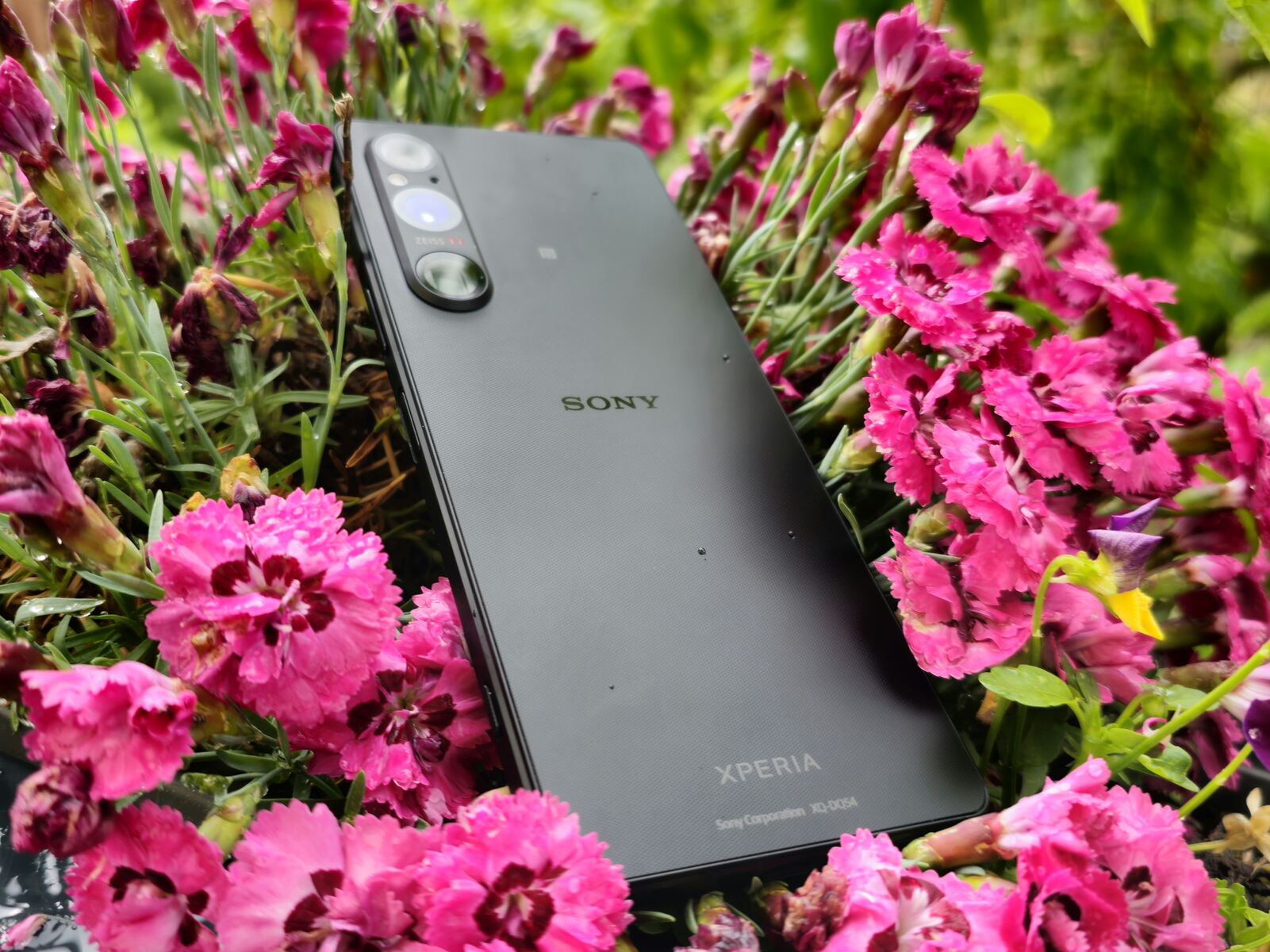
Sony Xperia phones are primarily assembled at Foxconn's Longhua facility in Shenzhen, China, which is the most significant and verifiable manufacturing location for the brand. While other countries have played roles in production, the manufacturing locations of Sony Xperia phones center on this Chinese facility as the main assembly hub for global markets.
Where Are Sony Xperia Phones Manufactured?
The immediate answer to where Sony Xperia phones are manufactured is that the vast majority are assembled by Foxconn at its Longhua plant in Shenzhen, China. This facility handles the final assembly of devices destined for markets worldwide, making China the primary manufacturing country for the brand. While Japan remains Sony's home market and engineering hub, and other nations like Thailand and India have served regional roles, none match the output or significance of the Shenzhen operation.
Foxconn's Longhua Facility in Shenzhen, China
Foxconn's Longhua facility in Shenzhen is the cornerstone of Sony Xperia production, a fact confirmed by industry research into the brand's supply chain. This sprawling complex is responsible for assembling a significant portion of all Sony smartphones, leveraging China's mature electronics manufacturing ecosystem. The facility's role is not just about assembly; it integrates component sourcing, quality control, and logistics, making it the most critical node in Sony's production network. For anyone researching the manufacturing locations of Sony Xperia phones, this Shenzhen plant is the single most important site to know because it represents where the final product comes together at scale.
China's broader role in the global supply chain extends beyond just this one factory, as the country offers a dense network of suppliers for screens, batteries, and other components. Foxconn's Longhua operation benefits from this proximity, allowing for just-in-time manufacturing and rapid iteration. While Sony has diversified some production for regional markets, the Shenzhen facility remains the default answer for "where is my Xperia made" for most models sold globally. This is why the manufacturing locations of Sony Xperia phones are so heavily associated with China, despite the brand's Japanese heritage.
Japan: Sony's Home Market and Engineering Hub
Japan's role in the manufacturing locations of Sony Xperia phones is distinct from mass assembly, focusing instead on prototyping, research and development, and small-batch premium production. Historically, early Xperia models were assembled in Japan, and the country still hosts facilities that handle high-end or niche devices requiring exceptional precision. For consumers, knowing that Japan is involved in the engineering, even if not the final assembly, adds a layer of credibility to the brand's quality claims, but it does not mean your phone was built there.
The distinction matters because some users equate "Sony" with "Made in Japan." In reality, the manufacturing locations of Sony Xperia phones have shifted to prioritize cost and scale, with Japan retaining a specialized role. The country's facilities may produce limited runs of flagship prototypes or serve as a testing ground for new manufacturing techniques before they are transferred to China. This strategic separation allows Sony to maintain its innovative edge while keeping production costs competitive, a balance that would be impossible if all assembly remained in Japan's high-labor-cost environment.
Thailand, India, and Other Regional Production Sites
Beyond China, Sony has utilized regional production sites in Thailand and India to serve local markets and navigate trade policies. These manufacturing locations are less about global output and more about strategic regional access: Thailand serves Southeast Asia, while India's facilities help Sony avoid import tariffs and meet "Make in India" local sourcing rules. However, unlike the Foxconn plant in Shenzhen, there is a lack of granular public factory data confirming which specific models are made in these countries at any given time. This opacity makes it difficult for consumers to verify the exact origin of their device, but the rationale is clear: producing in these countries reduces costs and improves supply chain resilience for regional demand.
For example, India's production is often cited as a way to lower device prices for the domestic market, while Thailand's role has fluctuated based on component availability and labor costs. These sites do not replace China's dominance but rather complement it, offering flexibility in a volatile global trade environment. When users ask where Sony Xperia phones are made, these regional hubs are the secondary answer: they exist, but they are not the primary source for most units sold in the West or East Asia. The lack of transparency around these facilities means that "Made in Thailand" or "Made in India" labels may appear on some units, but they are not the norm for flagship models.
Historical Manufacturing Footprint of Xperia Devices
The manufacturing locations of Sony Xperia phones have evolved significantly since the line's debut, shifting from a Japan-centric model to a diversified Asian supply chain. In the early 2010s, many Xperia devices were assembled in Japan, reflecting Sony's initial approach of keeping production close to home for quality control. Over time, as margins compressed and competition from Chinese rivals intensified, Sony moved the bulk of assembly to Foxconn's Longhua facility in Shenzhen, a transition that mirrored the broader electronics industry. This shift allowed Sony to leverage China's scale and speed, though it meant ceding the "Made in Japan" label that some enthusiasts valued.
Today, the historical footprint is a mix of past and present: Japan remains the R&D heart, China is the manufacturing workhorse, and countries like Thailand and India serve as tactical outposts. This diversification is a response to geopolitical tensions and supply chain disruptions, but it has not produced a new dominant hub. For anyone tracking the manufacturing locations of Sony Xperia phones, the story is one of consolidation in China followed by selective regional expansion. The current state is a pragmatic network where Shenzhen handles the heavy lifting, Japan provides the brainpower, and other nations contribute when tariffs or local demand justify it. This is the full picture, and it ends with China's Foxconn plant as the definitive answer to where your Xperia was likely made.
\nRelated reading: Connecting To The Internet Without A SIM Card: Mobile Phone Tips, Restarting Realme Phone Without Power Button: Solutions, and Redmi Phone Restart: No Power Button? No Problem! Learn The Alternative.