




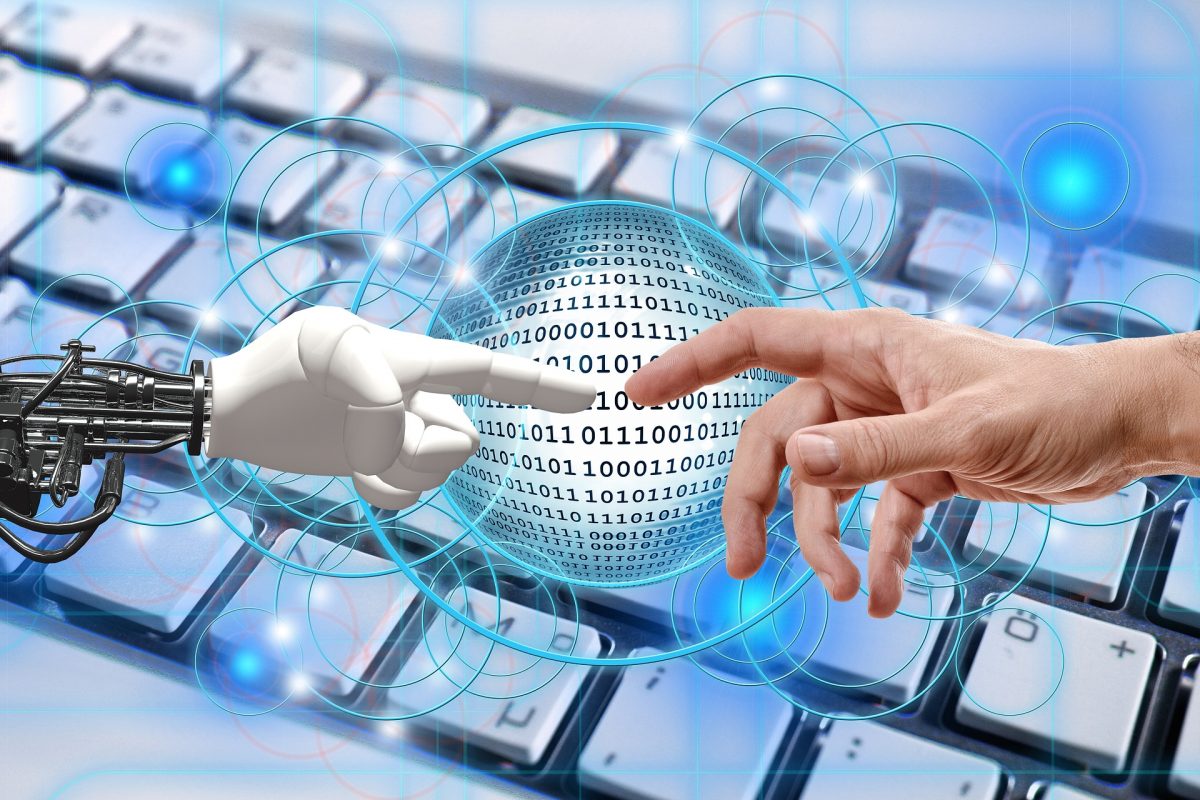
We all know what a robot is, having seen them in movies and television from the time we were kids. The word “robot” is nearly 100 years old. It was first coined in 1920 and derived from the Czech word “robota,” which means “forced labor.” But what exactly is robotics?
What Is Robotics?

Robotics is the study of designing and building robots that can both replicate human actions and replace the need for human action. You can find robotics in everyday life, and while they are often used in various manufacturing processes for menial labor, robots performing dangerous tasks are also common. Not only can robots detect and defuse bombs, but they also can exist in places humans cannot, such as under water, in outer space, and in extreme heat and cold. They further can interact with and dispose of hazardous waste and perform a whole host of functions that benefit the environment.
In essence, robots perform the tasks that humans do not want to do or cannot safely do, and robotics makes life easier and better for all of us.
Types Of Robotics
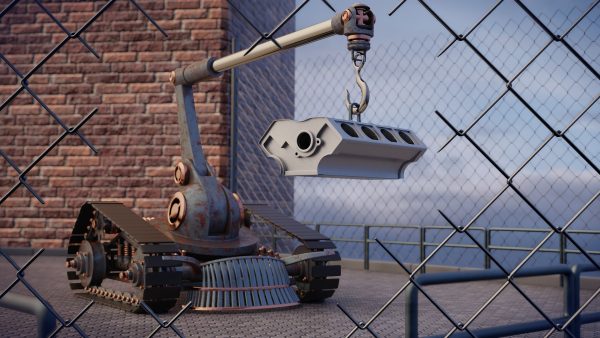
There are many different kinds of robots and they are used in a very diverse set of applications. But they generally all have the following attributes:
Mechanical Construction
All robots have a mechanical construction that is designed for how they are intended to be used. For example, a robot that must interact with its environment might have arms while one that must move from one place to another might have wheels or tracks. Likewise, a robot that exists under water or in hostile temperatures must have an exterior that protects its electronic parts from water and climate. The form a robot takes usually follows whatever function it needs to complete.
A robot’s mechanical construction can be seen as the equivalent of a human body.
Electrical Components
All robots have electrical components that both power the device and control its functionality. A battery powers the robot and this electricity controls not only the robot’s various forms of movement but also any sensing equipment it may possess and all its internal operations. The core electrical component of a robot is called an actuator. This is what converts electrical power into physical motion.
A robot’s electrical components are akin to with a person’s organs.
Computer Software
All robots have some kind of software that guides its actions. This software tells the robots how to move and act. In some cases, the software also controls how robots react to situations. A robot’s software is similar to the human brain. As such, it can be seen as the most important part of a robot. Without well-designed software, no robot will function well, regardless of the quality of its mechanical construction and electrical components.
Robots can have the following types of computer software:
Remote Control
Remote-controlled robots contain software that executes upon receipt of a remote command, usually issued from a human being that is using some type of control device. These devices can only run a limited and well-defined set of commands, which can be updated when necessary.
Artificial Intelligence (AI)
Robots with AI have software that lets the robots function without being directly controlled by a human. These robots can react to both objects and various situations it encounters using software that attempts to mimic human behavior.
Hybrid
A hybrid robot is a combination of the two other types of robotic computer software. It has AI software that allows it to react on its own while still allowing a human being to control it when necessary. This gives owners of such robots a mix of flexibility and control.
Applications Of Robotics

There are many sectors that tap on robotics technology. Here are some of the most prominent:
Manufacturing
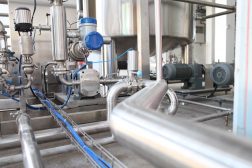
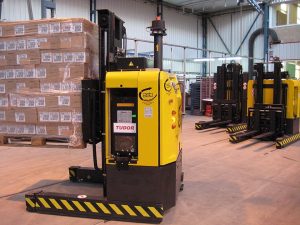
Manufacturers have used robots since the 1960s. According to studies, as of 2015, there were more than 1.6 million industrial robots in manufacturing operations across the world. Of these, the Robotic Industries Association says that about half of them are used in the automobile industry, where it is estimated that more than half of all labor is provided by robots.
Industrial robots can perform a variety of tasks. This includes:
- Welding
- Painting
- Assembly
- Pick and Placement of Printed Circuit Boards
- Packaging and Labeling
- Palletizing
- Product Inspection
- Testing
- Material Handling
There are dark factories (known as “lights-out” manufacturing) in which there is no human presence whatsoever. So, they do not even need to turn on the lights. FANUC, a Japanese robotics company, operates such a factory where robots build new robots and do so with no human interaction.
In recent years, companies have developed a new form of industrial robot called a collaborative robot or cobot. These robots are designed to work with humans in shared workspaces and have a range of benefits, including simplicity and low cost.
Agriculture
The worldwide market for agricultural robots (also known as AgRobots), which includes the use of drones, is expected to surpass $11.5 billion by 2025. These robots are deployed for many purposes, including:
- Weed control
- Cloud Seeding
- Planting Seeds
- Harvesting
- Environmental Monitoring
- Soil analysis
At the moment, agricultural robots are used in harvesting as a replacement for human labor in tasks such as:
- Fruit Picking
- Driverless Tractors and Sprayers
- Sheep Shearing
Research has even shown that robots are adept at herding cattle.
Environment
Robots can be used for cleaning up areas contaminated with toxic waste as well as for a large number of other environmental purposes, such as:
- Recycling
- Planting Trees
- Harvesting Wave and Solar Energy
- Clearing Water Pollution
- Killing Evasive Species
- Reducing Carbon Emissions
An example of how robots are helping the environment is a company called CleanRobotics, which makes a robotic trash can that uses AI to automatically separate recyclable materials from waste in landfills. These TrashBots, as they are called, are even being used in major cities such as San Francisco and Seattle.
Other Applications Of Robotics
Other applications of robotics include:
- Military (as both weapons and for search-and-rescue missions)
- Medical
- Construction
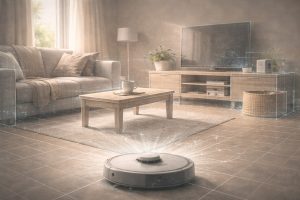
- Home Automation
Robotics Tools
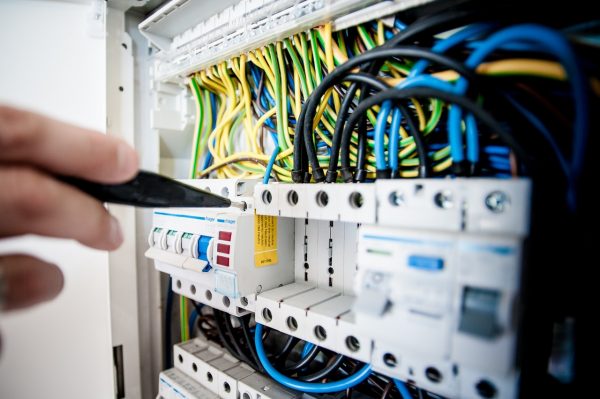
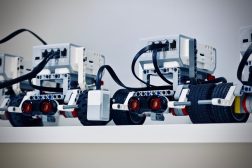
Many companies build their own robotic hardware and software from scratch. It is possible to buy both hardware and software components to make the process of creating and operating robots affordable. You can also buy kits, which include all necessary hardware as well as sample programming code that you can build upon.
Robotic Hardware
A number of companies, such as HEBI Robotics, sell actuators, which are the foundations of every robot, as they take electrical power and convert it to physical motion. Actuators run on DC power and can communicate over Ethernet. They are resistant to water and adverse weather.
You can also buy robotic arms as well as wheels that provide multiple degrees of freedom, along with other robotic components.
Robotic Software
Many robotic companies offer application programming interfaces (APIs) that let you directly control robotic components through code. This software allows you to take full control over a robot’s actuator as well as control its joints, kinematics and trajectories. The APIs also allow you to receive feedback from the robot’s sensors.
Companies also often provide mobile apps that allow you to interact with robots remotely as well as to configure them.
Robotic Kits
Robotic kits include everything you need to build a functional robot. This includes:
- Actuators
- Connecting Accessories
- Electrical Wiring
- Power Supply
- Assembly Instructions
- Sample Programming Code
Future Trends Of Robotics
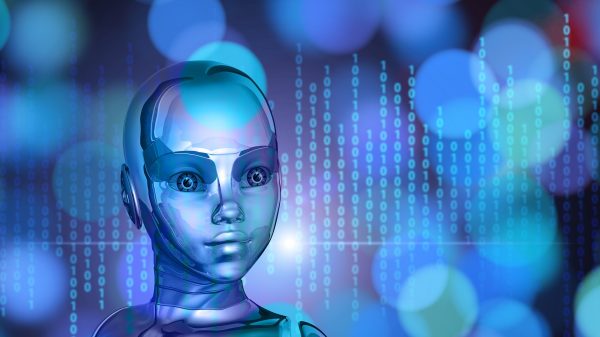
Robotic experts expect to see the following trends in the near future:
IoT Adoption
Industrial robots in the future will employ smart sensors that not only will be able to access new forms of data, but they will also be able to make this data available over the Internet. This will help companies become more efficient and productive.
Cyber Security Implementations
As robots become more connected to the Internet, cyber security risks will necessarily increase, and robot manufacturers will have to address this by adding more protection against hackers than what currently exists.
Big Data Integration
As robots provide more and more data through smart sensors, this data will not only have to be collected but also processed. Complex software solutions will have to be developed to first organize and then analyze all this data so that we can properly and promptly make business decisions based upon it.
Virtual Robot Implementations
As robots become more complex, developing them will become more difficult and expensive. For this reason, virtual robots will be favored. Companies will use these robots to test proof of concepts.
Cobot Expansion
The popularity of collaborative robots will soar in the coming years, given that they are cheaper than industrial robots. They are also expected to become far more capable than what they are today.