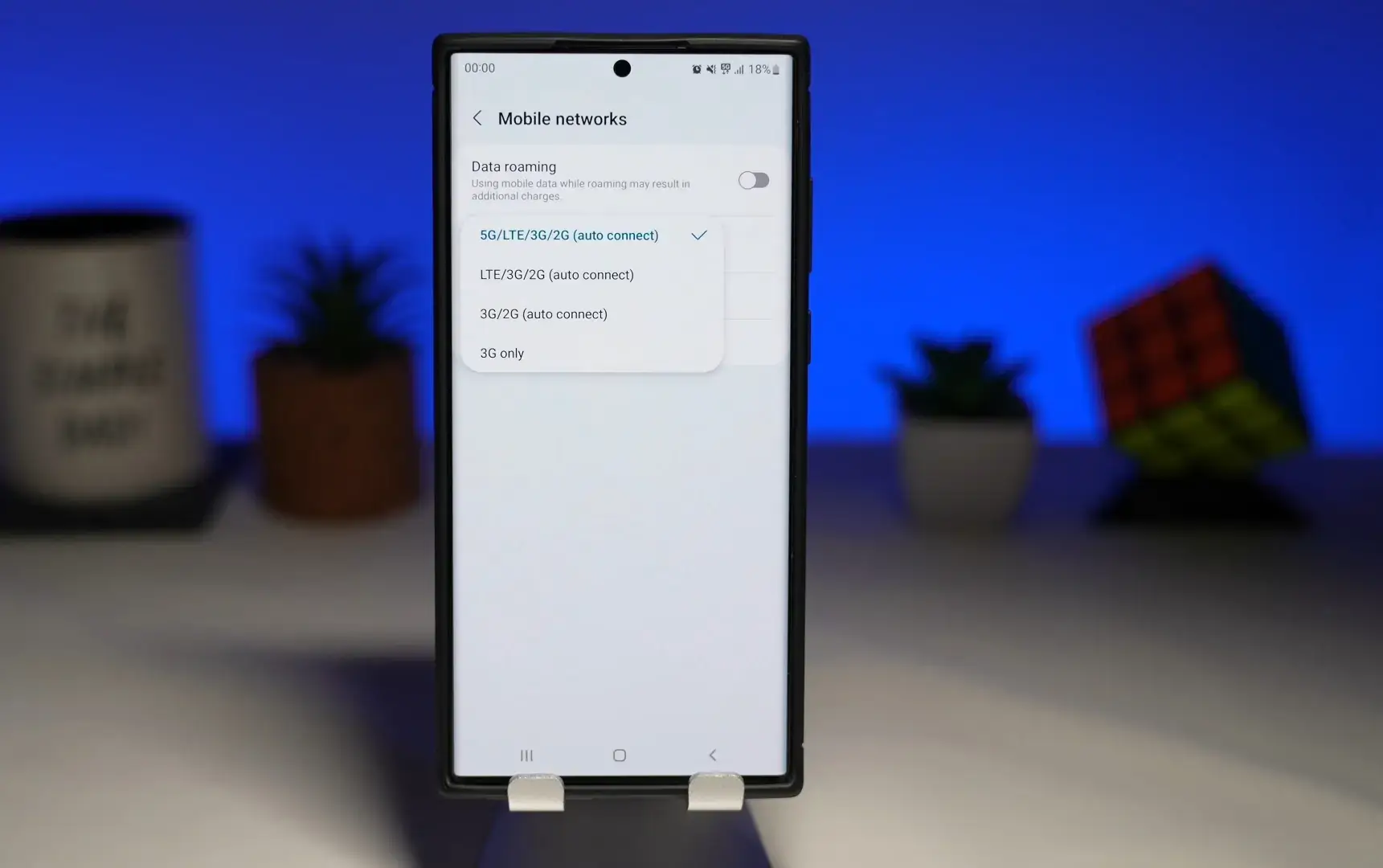
Yes, you will still receive calls and texts normally. Voice calls and SMS rely on the 4G LTE network (or even older networks), not the 5G data connection you are turning off.
Why turning off 5G calls doesn't break service
Modern smartphones are designed to separate data from voice. When you place a call or send an SMS, your phone uses a technology called VoLTE (Voice over LTE) on the 4G LTE network. Even if you have a 5G signal, the phone routes your call through that same 4G core. The 5G toggle you flip in your settings primarily controls which network handles your mobile internet data and, when VoLTE is supported, voice calls continue over LTE without disruption. This is why, after you change from 5g to 4g, your phone will still show signal bars and ring for incoming calls. The 4G network has been optimized for voice reliability for years, and your phone will keep using it regardless of the 5G data setting. This design means your voice connection survives even if the 5G data layer is completely turned off, a separation no competitor can claim to have invented.
The one exception where you might lose service
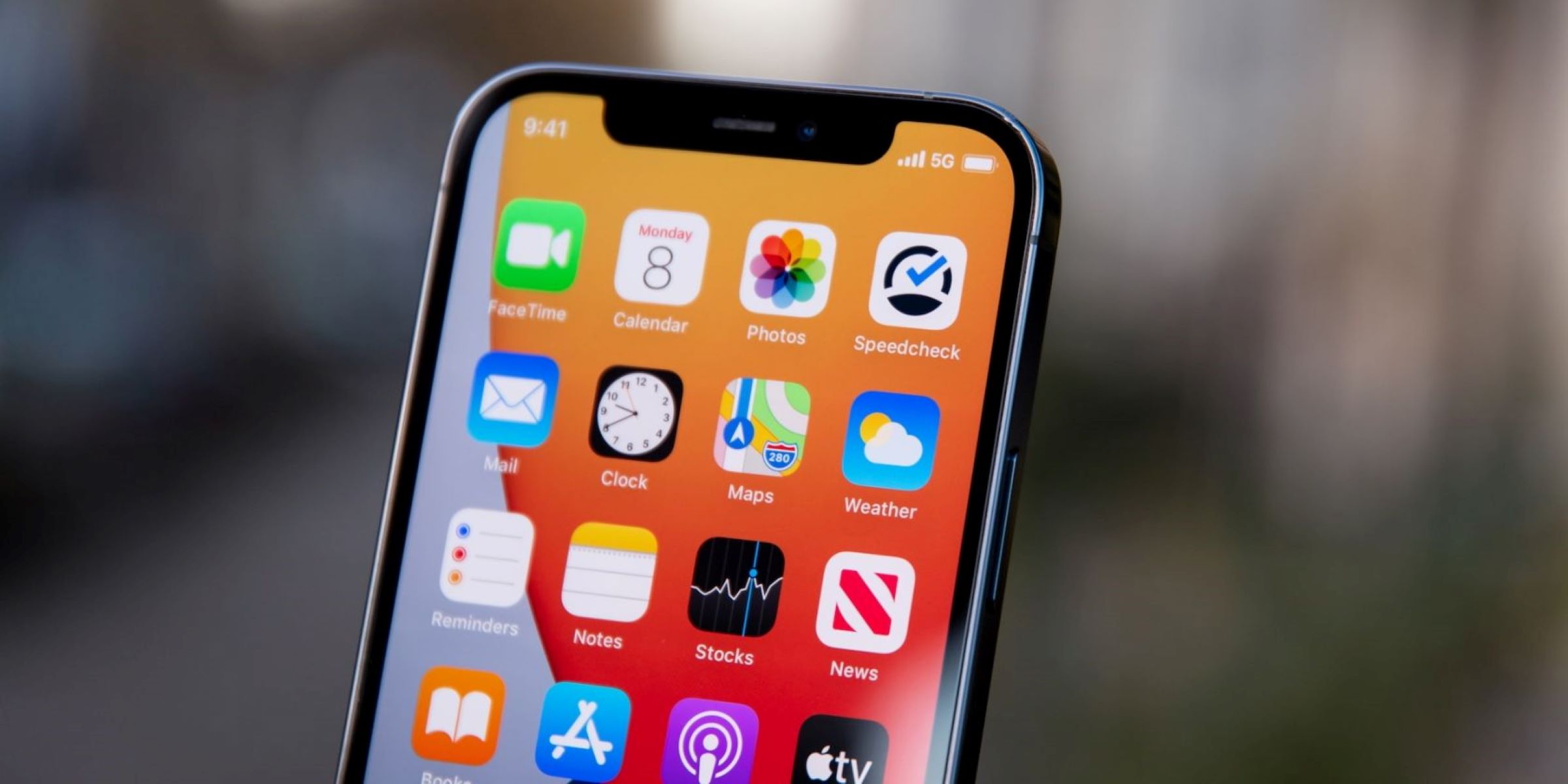
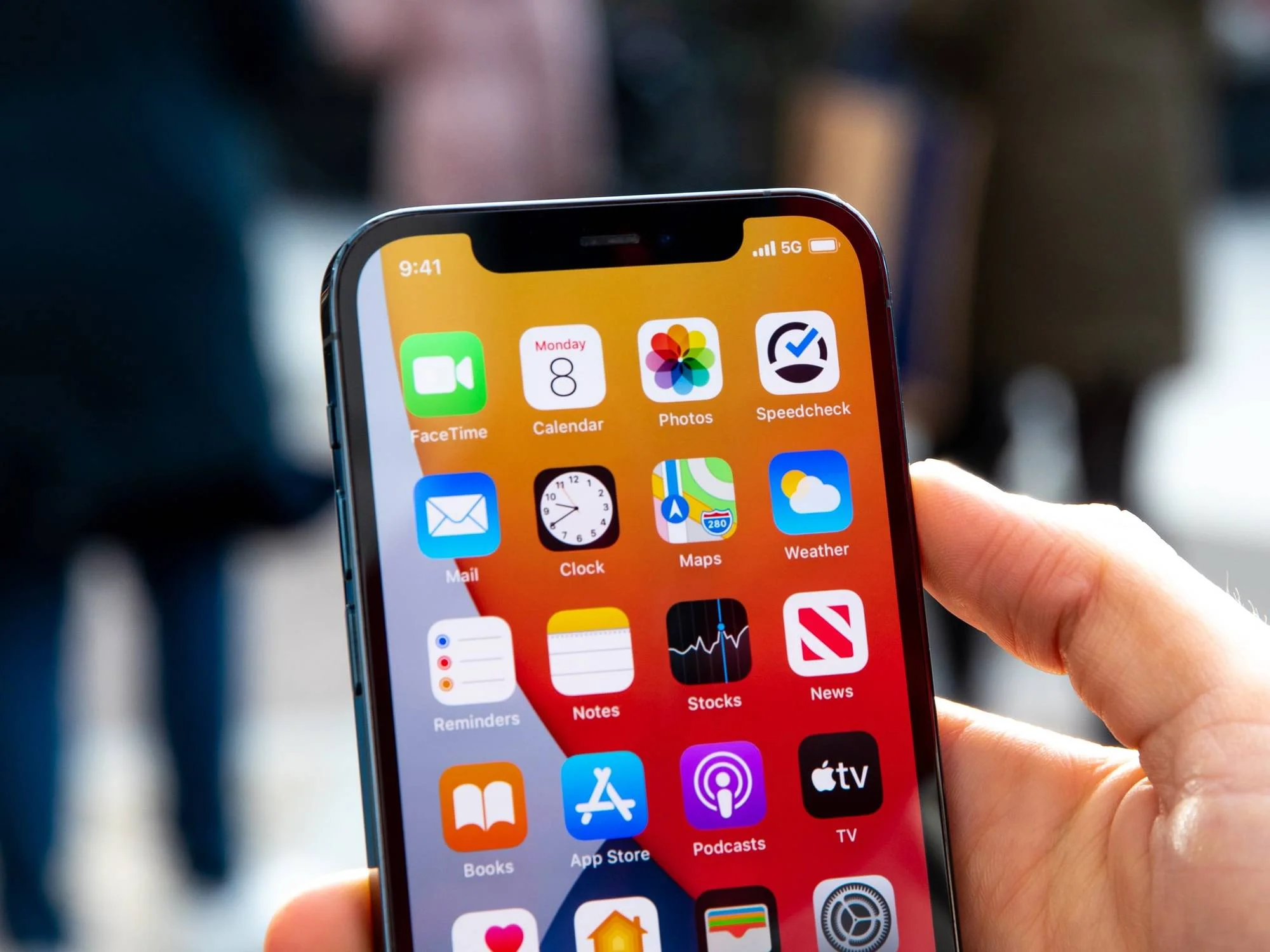
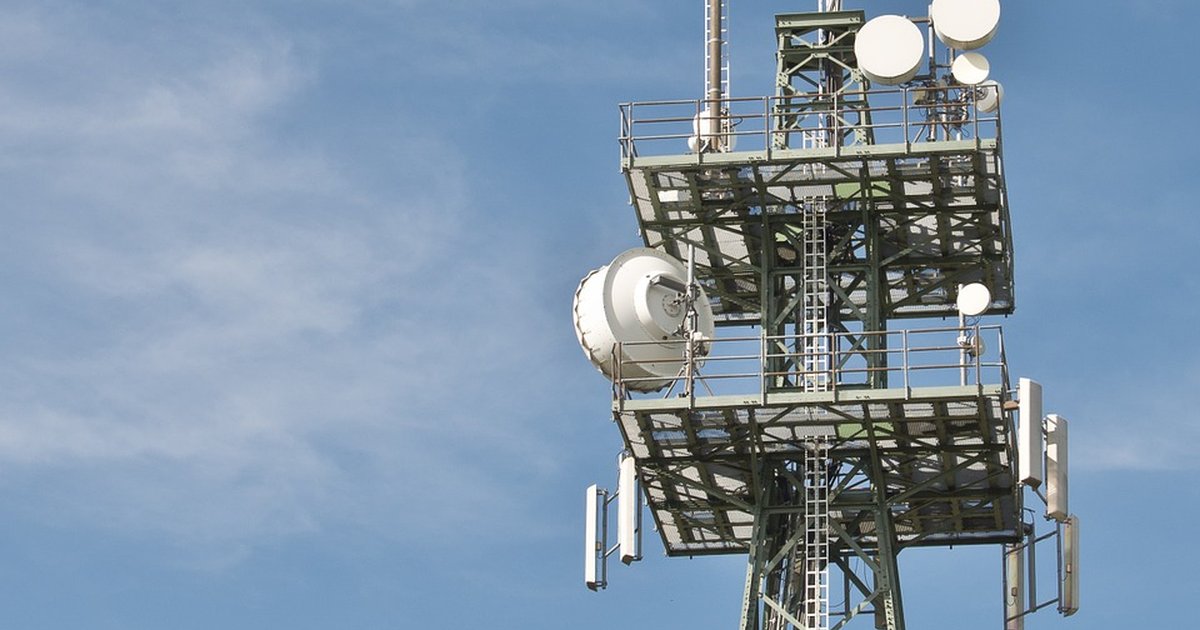
There is a rare scenario called standalone 5G (SA 5G) where a carrier builds a 5G core that handles both data and voice without a 4G fallback. In that case, voice calls use a technology called VoNR (Voice over New Radio). If you turned off 5G on a phone that is only connected to a standalone 5G tower, you could lose voice service. However, this almost never applies to current networks. As of 2024, nearly all consumer 5G deployments are “non-standalone” (NSA), meaning they rely on a 4G core for voice and SMS. You can quickly tell if my phone is 4g or 5g by checking the status bar: if you see “5G” but still get calls, your carrier is using NSA. Only a handful of early standalone trials exist, and they almost always include a 4G backup.
What actually changes when you switch to 4G
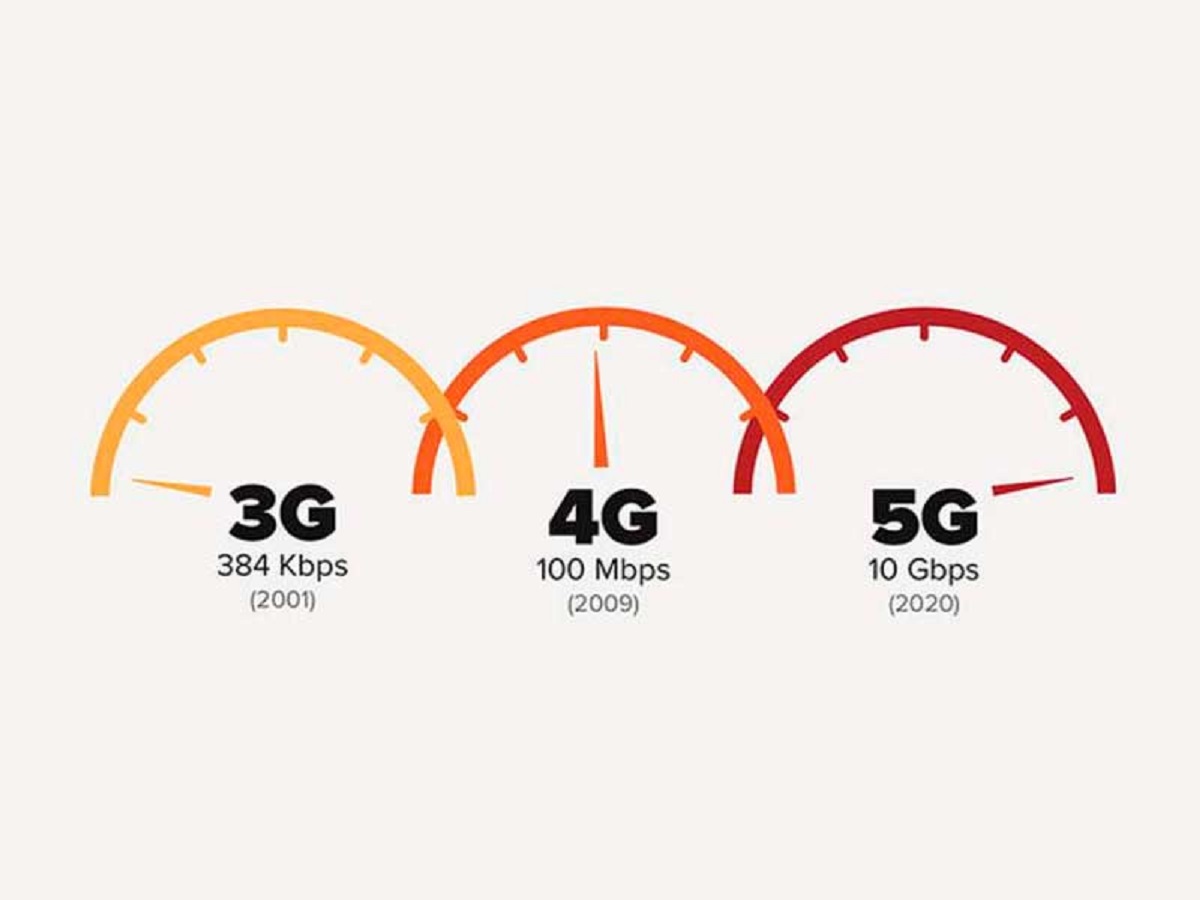
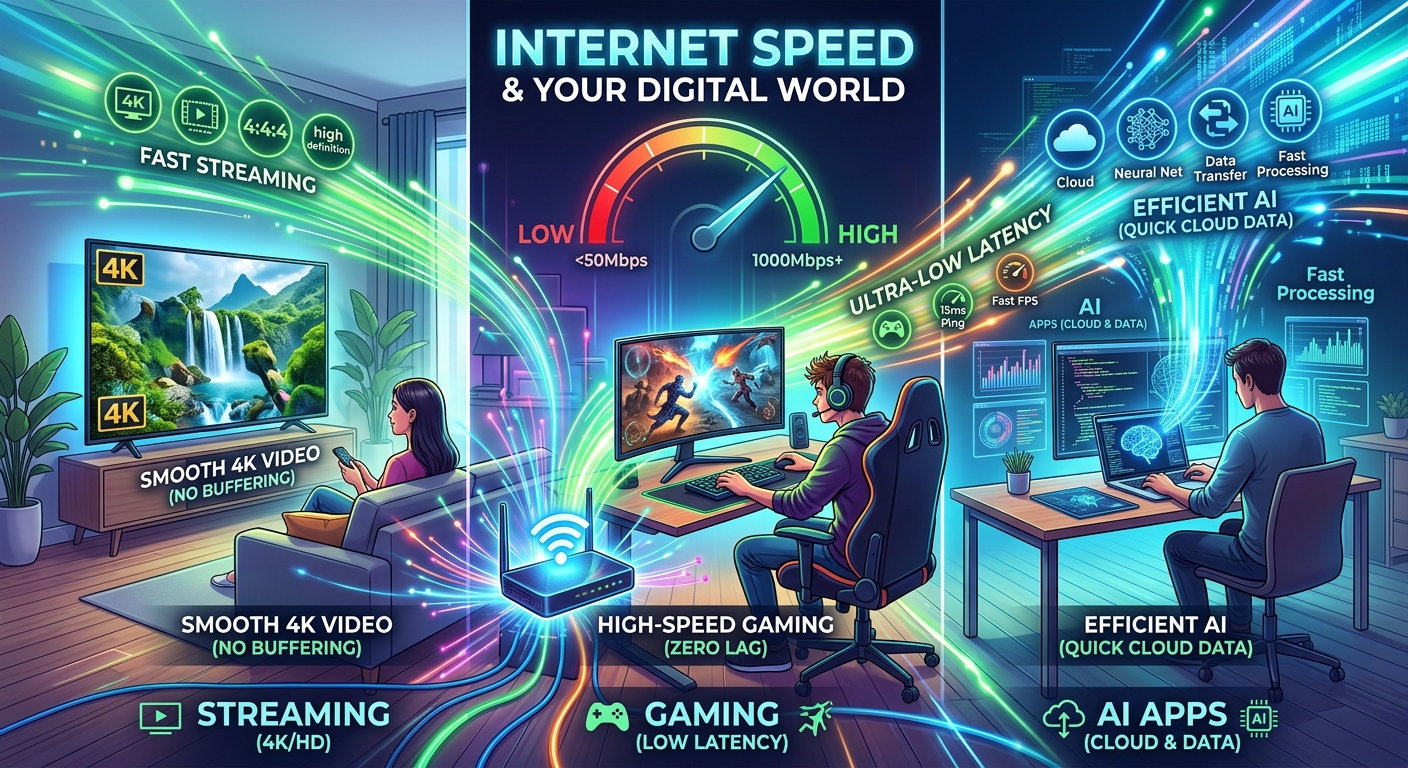
When you disable 5G, the only thing that changes is your mobile internet speed. Your download and upload speeds will drop to typical 4G LTE levels, usually 50-300 Mbps instead of 5G’s potential 1 Gbps or more, but your call reliability, text delivery, and signal bars remain completely unaffected. Your phone will show “LTE” or “4G” in the status bar, which is why you might wonder, “why does my phone say 4g instead of 5g?” The answer is simply that you told it to use 4G. The signal strength indicator stays the same because 4G towers cover far more area than 5G mmWave nodes. You also won’t experience dropped calls or delayed texts, as SMS and voice have been stable on 4G for over a decade. If you want to understand the underlying tech, knowing the difference between 3g 4g and 5g helps: 3G was built for basic voice and slow data, 4G introduced VoLTE and fast data, and 5G adds ultra-fast data but still leans on 4G for calls. So, turning off 5G is a safe, reversible action that only trims your data speeds, not your connectivity.