Most major carriers no longer charge extra for 5G access on current unlimited plans, but you may still face a premium if you’re on an older, grandfathered plan or a low-cost MVNO that restricts 5G to higher tiers.
Why 5g access charges are usually free now
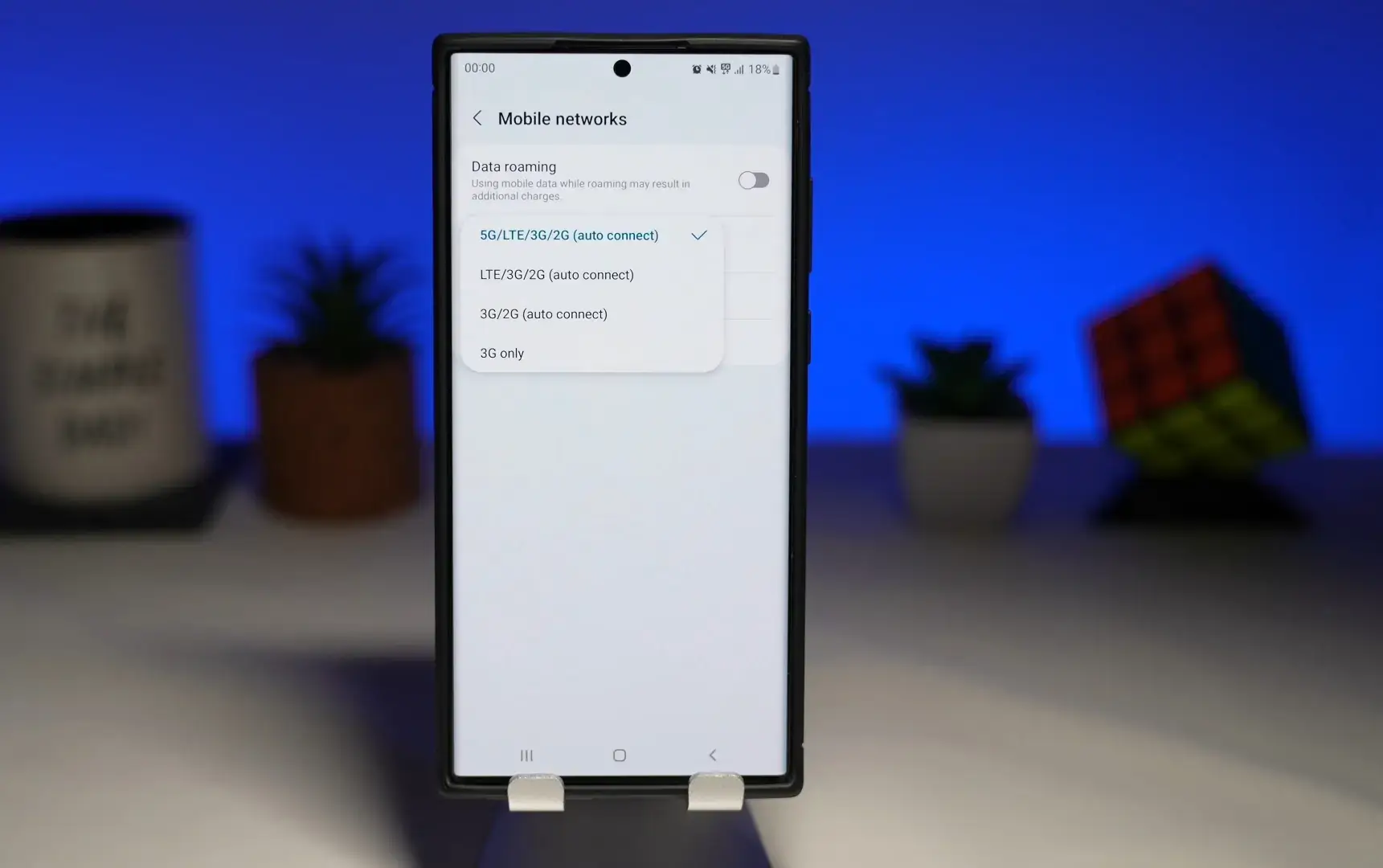
Since 2021, the three major carriers have stopped charging a separate “5G access fee” on their current unlimited plans. On T-Mobile’s Essentials, Magenta, and Go5G plans, 5G is included at no extra cost. Verizon’s Unlimited Welcome and Unlimited Plus similarly bundle 5G without a line-item charge. AT&T’s Unlimited Starter and Extra plans also include 5G standard. The reasoning is straightforward. Carriers want users on the latest network to free up 4G capacity and to promote adoption of services like fixed wireless access. There is no checkbox or toggle to pay extra for 5G on these plans. It is simply part of the data allowance you already pay for. If you ever need to change from 5g to 4g to save battery, you can do so in your phone’s settings without any billing impact.
When you still pay more for 5g
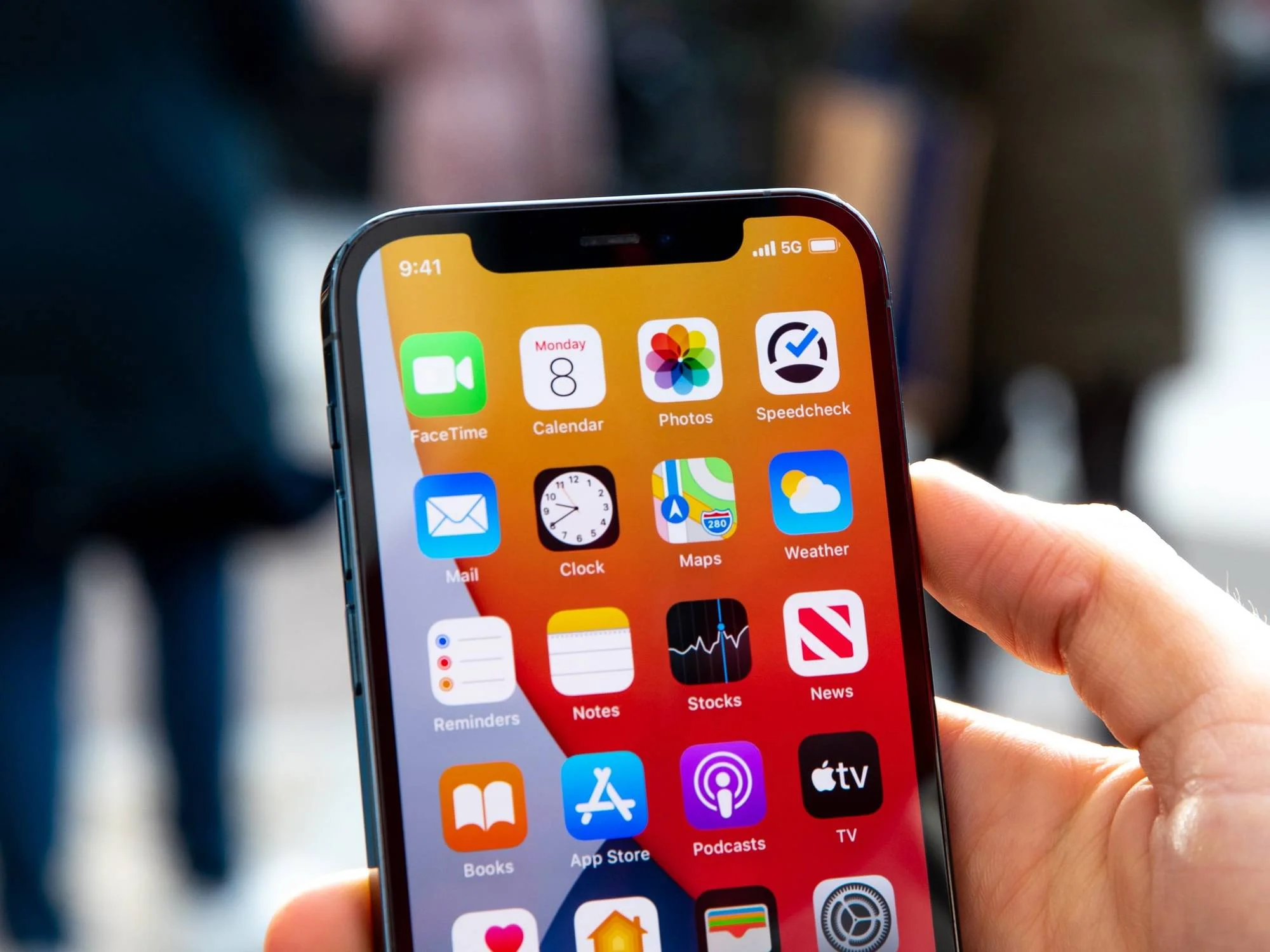
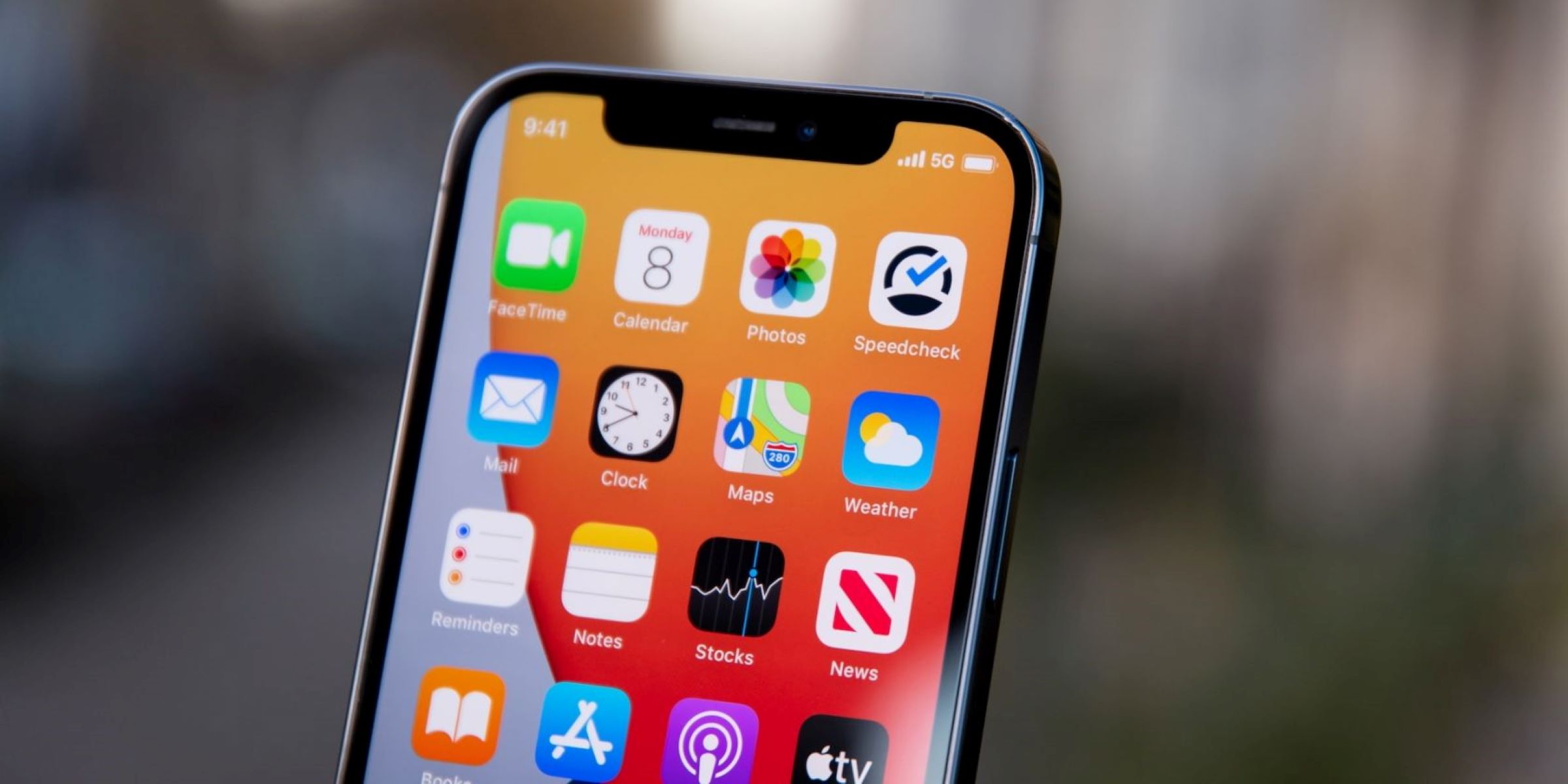
Three specific scenarios still force you to pay a premium for 5G. First, legacy shared data plans often require a separate “5G Access” add-on. For example, Verizon’s old “The New Verizon Plan” or AT&T’s “Mobile Share Value” plans charge a monthly fee for 5G. You must check your carrier’s official plan page for the current price set by that carrier. Second, some older unlimited plans were never updated to include 5G. To get it, you must migrate to a current unlimited plan. T-Mobile’s “Simple Choice” or AT&T’s “Unlimited Plus” are examples. The new plan will have its own monthly cost set by the carrier. You must confirm the latest pricing on the provider’s official website. Third, budget prepaid carriers lock 5G behind their most expensive tiers. Visible’s base plan is 4G-only, while their higher-tier plan includes 5G. You must visit Visible’s official site for the exact monthly prices they set. Similarly, Cricket Wireless gives you 5G on their top-tier plan, but their lower-tier plan does not. You must check Cricket’s official plan page for the specific monthly costs they name. If you are on such a plan and you want to tell whether your phone is on 4G or 5G without checking your bill, you can look at the network indicator in your status bar. That icon alone won’t reveal whether your plan actually allows 5G data. If your phone shows 4G despite 5G coverage being available, it could be a plan restriction, not a device issue. That is a common reason why does my phone say 4g instead of 5g.
How to check your own plan
To confirm whether you are paying extra for 5G, open your carrier’s official app and navigate to the “Plan” or “My Plan” section. Look for a line item labeled “5G Access,” “5G Ultra Wideband,” or “5G Add-on.” If you see a monthly charge separate from your base plan cost, you are paying a premium. Alternatively, view a recent PDF bill and search for “5G” in the charges summary. If the bill shows zero dollars for any 5G feature, you are not being charged extra. For MVNOs, check the plan details page in the app. If the plan name does not include “5G” or “Unlimited 5G,” it is likely 4G-only. If you are still confused about how network generations differ, understanding the difference between 3g 4g and 5g can clarify why carriers treat them as separate products. 4G is a mature, lower-cost network, while 5G requires newer infrastructure that carriers monetize differently. If you find that your plan does not include 5G and you want it, you will have to switch to a higher-tier plan. This will increase your monthly cost. If you decide the premium is not worth it, you can safely stay on 4G without any penalty. Just make sure your plan does not have a 5G add-on you are still paying for.
Unlike a simple feature comparison, your actual cost to access 5G depends entirely on the specific plan you are grandfathered into, not just the carrier you use.