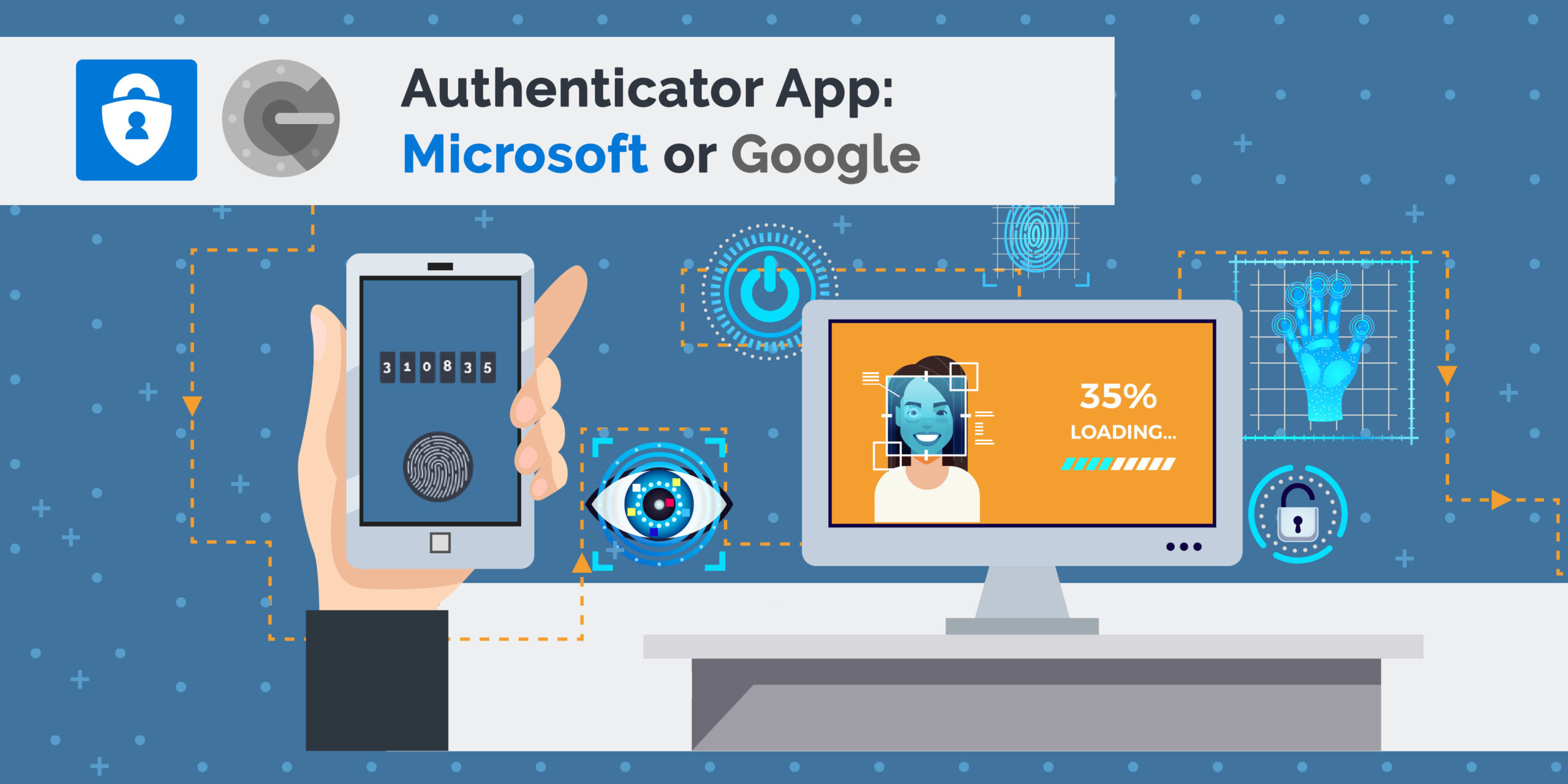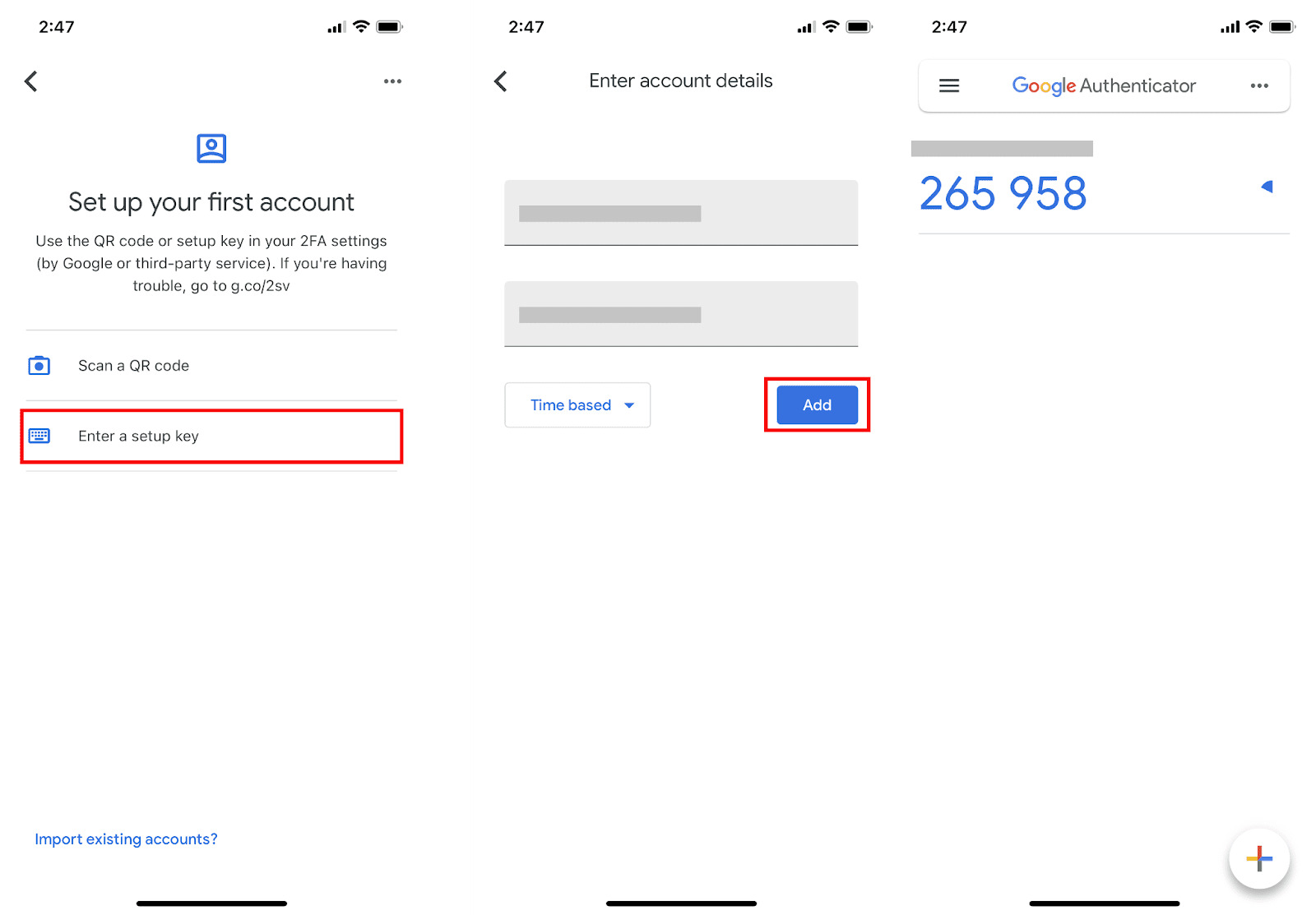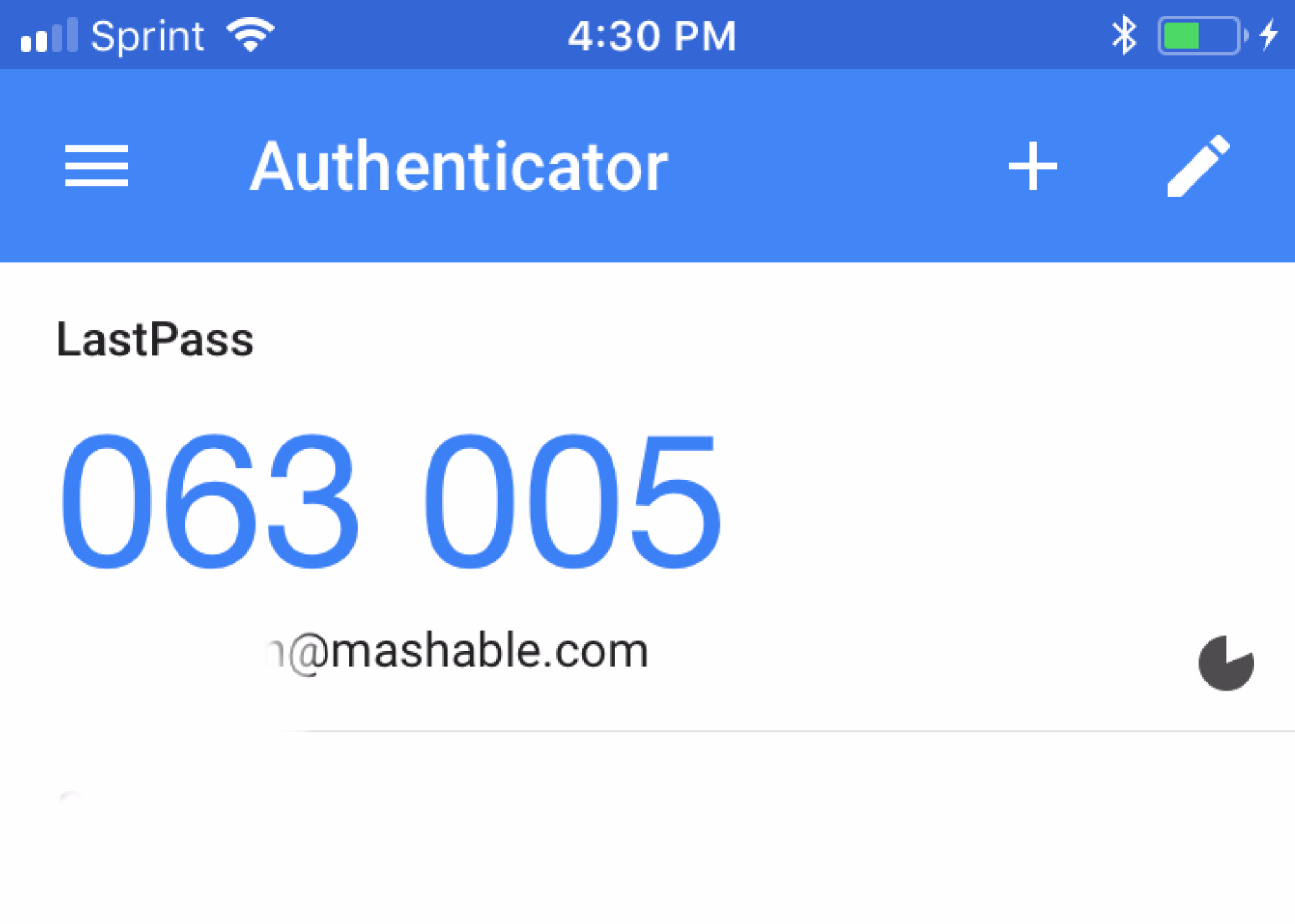
Your 6-digit Google Authenticator code is the current number displayed in the Google Authenticator app on your smartphone or tablet. To find your 6-digit Google Authenticator code, simply open the app, and you will see a list of your linked accounts, each with a rotating six-digit number beneath it.
Where to find my 6 digit Google authenticator code
Open the Google Authenticator app on your device. The app icon typically resembles a white keyhole on a dark background. Once the app launches, you will see a list of every account you have linked for two-factor authentication. Each entry displays the account name and its current 6-digit code. The code automatically refreshes every 30 seconds. When a website or service prompts you for a verification code during login, locate the matching account name in the app and enter the number currently shown.
Why your Google Authenticator code might not work
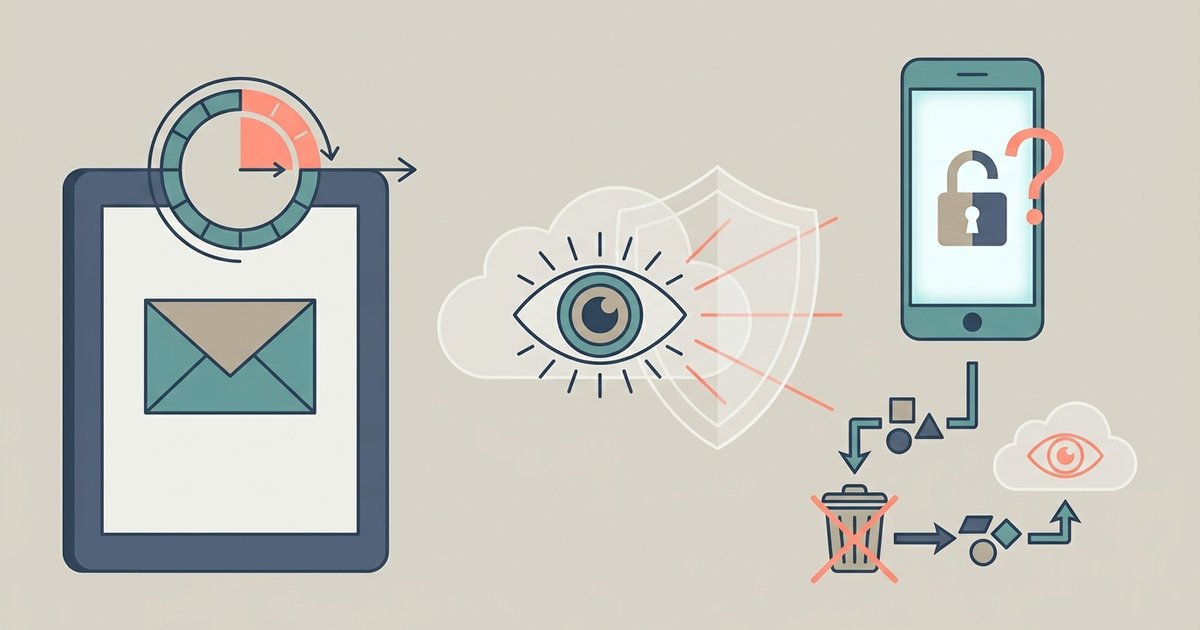
If the code you enter is rejected, two common causes are usually responsible. First, the 6-digit code is only valid for approximately 30 seconds. If you wait too long to enter it, the code expires and a new one is generated. Always use the code currently visible on your screen. Second, your device's time may be incorrect. Google Authenticator generates codes locally using a shared secret key and your device's current time. If your phone's time is significantly off, the generated codes will not match what the server expects. In Google Authenticator version 7.0 and above, the in-app "Time correction for codes" setting has been removed. The app now relies entirely on your operating system's time settings, so ensure your device's time is set to automatic synchronization.
How to keep your codes safe and accessible
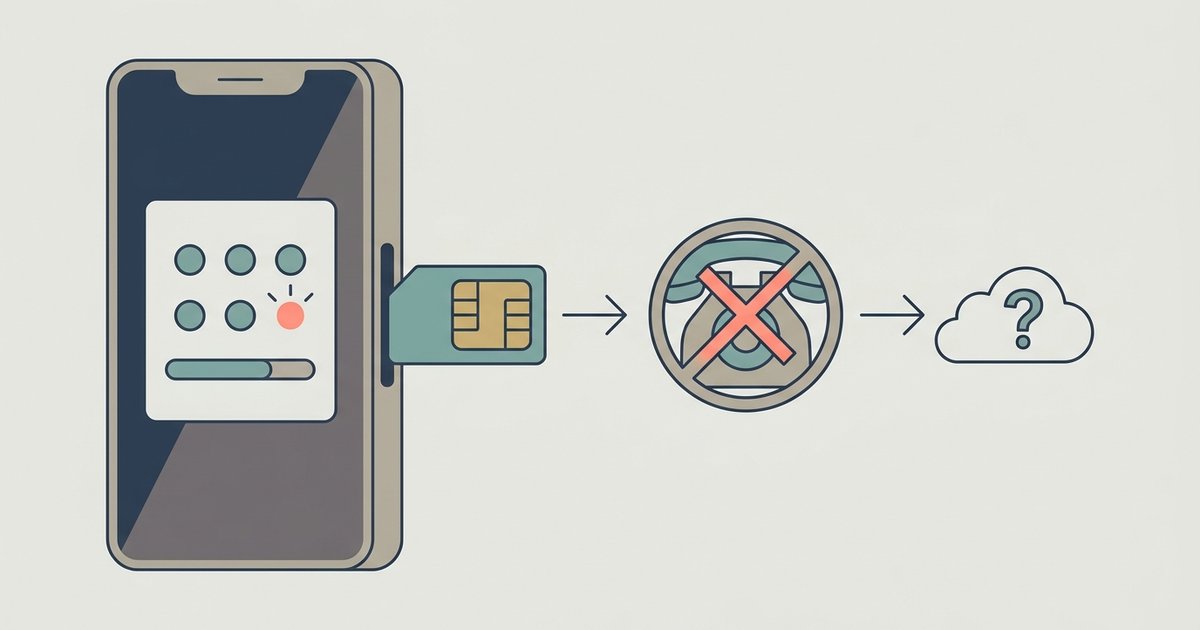
Because the app generates codes offline using a shared secret and your device's clock, it functions without an internet connection or mobile service. This makes it more secure than SMS verification codes, which are transmitted over cellular networks. However, this also means that if you lose your device, you will be unable to generate codes and will need backup recovery codes or other account recovery methods to regain access. To protect against device loss, you can sync your Authenticator codes across multiple devices by signing into your Google Account within the app. This feature is available on Android 6.0+ and iOS 4.0+ with app versions from April 2023 or later. If you prefer not to use a Google Account, codes are stored only on that specific device and will not sync. Regardless of your choice, always save the backup recovery codes provided when you first set up each account. These codes are your safety net if your phone is lost, damaged, or replaced.
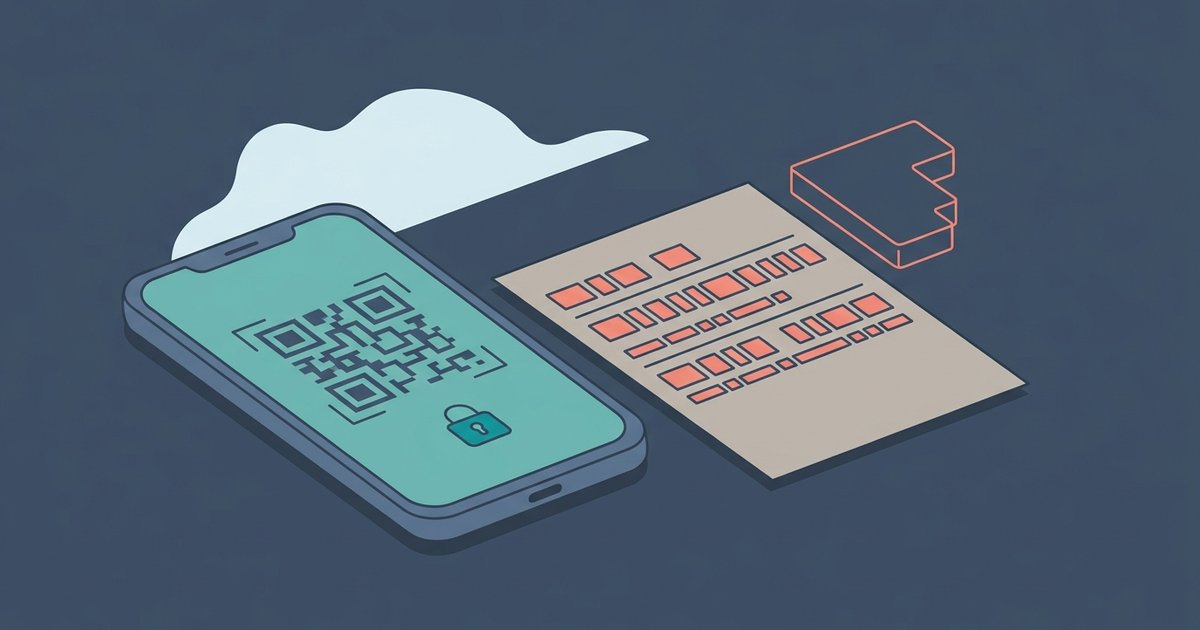
When you first link an account, you will be asked to scan a QR code or enter a setup key in Google authenticator. That setup key is the shared secret that pairs your device with the service. Knowing what the key on Google authenticator represents, the cryptographic seed for your codes, makes it clear why you must keep it private. If you ever switch authenticator apps, you can transfer Google authenticator to Microsoft authenticator by using the transfer or export feature within the app, which typically involves scanning a QR code to move your accounts. Finally, if you manage multiple services, you may want to integrate Google authenticator with each one to maintain consistent, strong two-factor authentication across your accounts.